 Flash News
Gjykojeni protestën nga kundërshtarët
Aksident në Greqi, ndërron jetë 16-vjeçari shqiptar
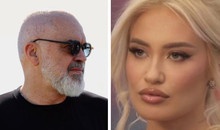
Protesta trazon PS-në/ Zegjineja e ‘meme-ve’ sulmon influenceren: Shëmtirë, diote. Balla kapet me Reuters
Vrasja në Paskuqan/ Autori është gjurmuar deri në Bovillë, ka braktisur mjetin
Publikoi tezën e Letërsisë 20 minuta pas nisjes së provimit, përjashtohet maturanti në Kukës
by Alfred Lela
Giacomo Venezian Street offers little of what a foreigner might expect from a city like Milan. Yet it cuts with knife-sharp contrast: it is a street of life and death. On its right side looms—cold, silent, and sprawled like a beast at rest—the Istituto Nazionale dei Tumori. It is not merely a hospital, but the home of a foundation that supports cancer research, intertwined with clinical services ranging from diagnosis to surgery and hospice care.
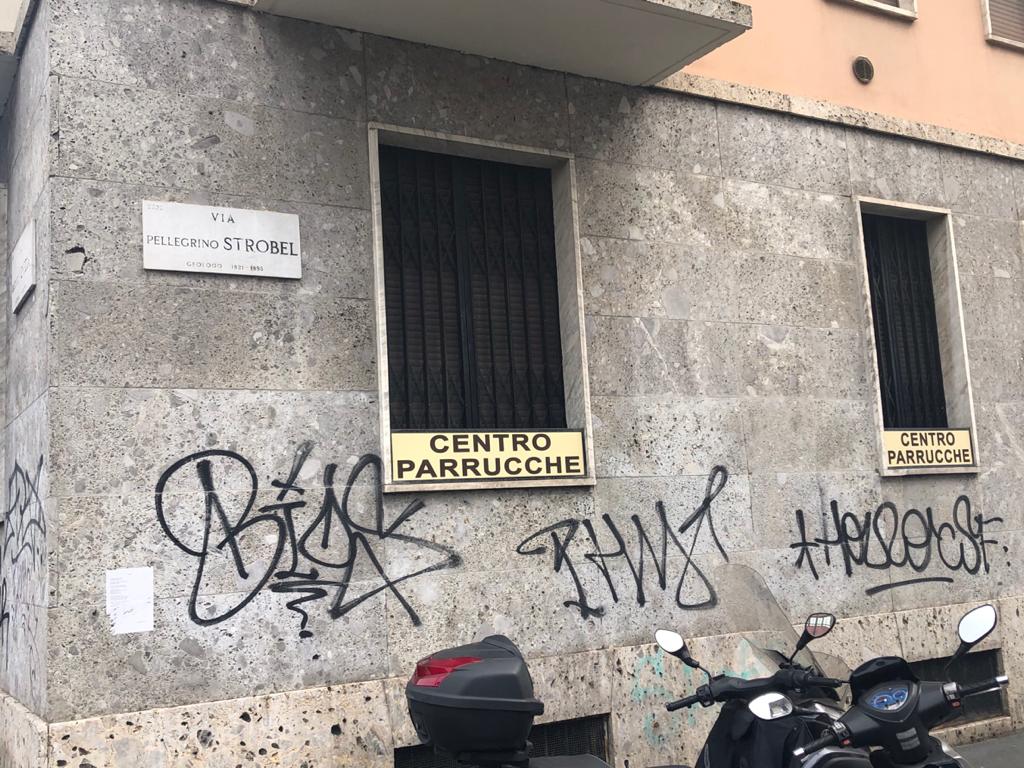
The Institute does not simply dominate this street and the one running parallel to it; it conditions life—and death—throughout this entire stretch of metropolitan Milan. Directly opposite stands a wig shop. Many of those undergoing chemotherapy lose their hair. The shop itself has turned bald: duralumin and marble, its shutters pulled down, deepening the greyness and muteness of the city on this late-March midday.
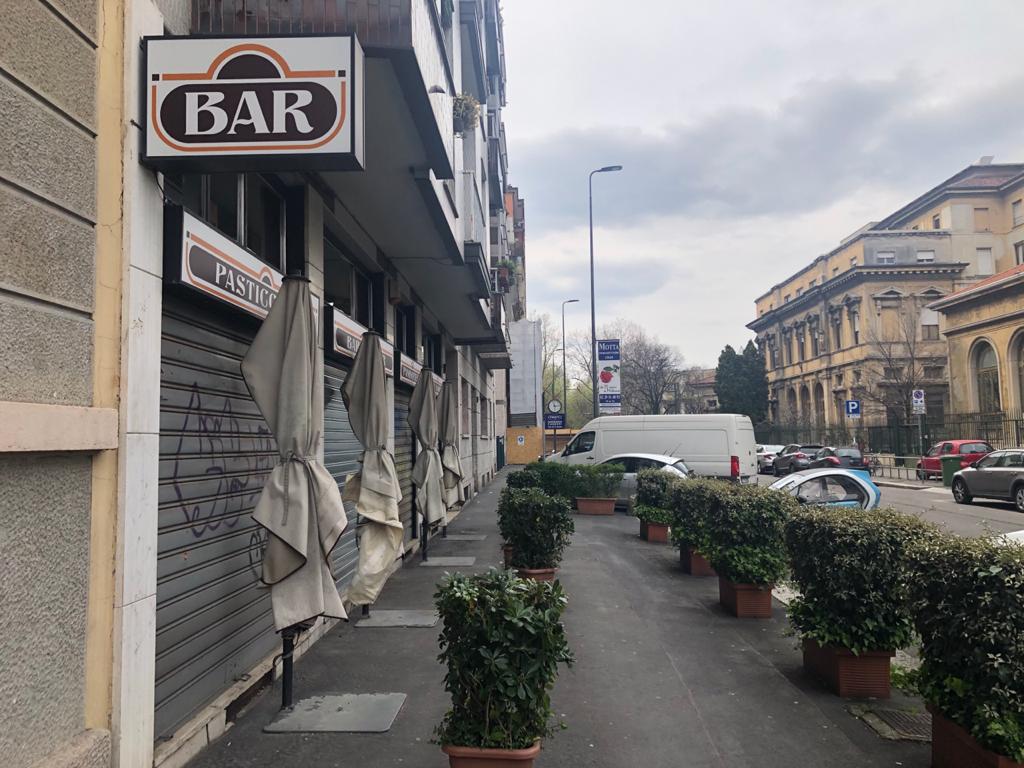
A little further down, after crossing a side street, one encounters a closed bar that on ordinary days must have served patients’ relatives and hospital staff alike. The awnings that once shielded from sun and rain are now folded inward like whispers. Slumped at the sides, they resemble cypress trees lining the far edge of a public cemetery.
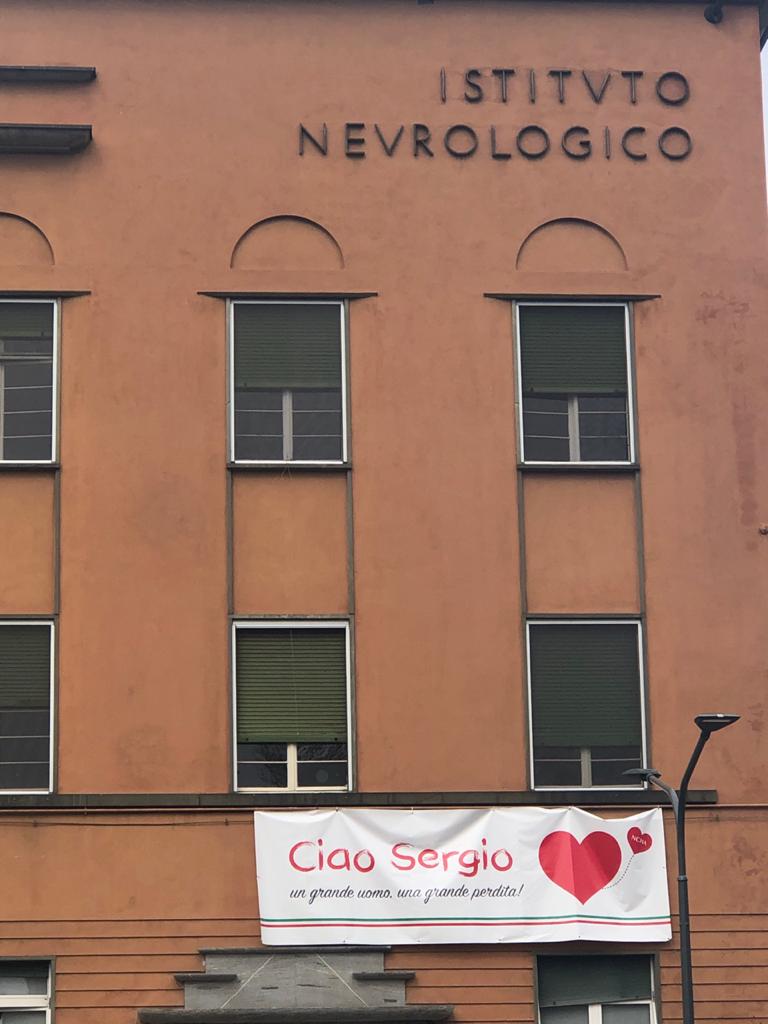
At the roundabout at the end of Giacomo Venezian Street, I turn right, passing behind the Tumor Institute. On its back side, across the road, appears the Neurological Institute. The architecture is unmistakably Italian: porticoes, tastefully framed windows, a vertical reach toward the sky—never pompous—and the unmistakably Roman lettering of Istitvto Nevrologico, where the victorious Roman V replaces the profane modern U.
On the façade hangs a white banner. At first glance, a large heart stands out, followed by its smaller offspring. As you draw closer, you can read: Ciao Sergio! Not Addio. Love and respect suffer this “excess”: they do not recognize permanent separation, only temporality—until the next meeting. Beneath it appears the subtitle of this “wall newspaper”: un grande uomo, una grande perdita!
Chances are that a colleague—a professor and renowned neurologist—has passed away and is being honored by the Institute. Perhaps from coronavirus, or perhaps age finally tipped the balance, amid the spring that Italy has laid out before itself—capricious and lethal.
I try to imagine this Italian gentleman, beginning with Hermes Corsini, the handsome doctor from the TV series Disperatamente Giulia of my childhood. Now grey-haired and bespectacled, slightly stooped at the shoulders, with a shy tremor in his hands, a melancholic gaze trained over years on the cold proofs of science and the mysteries of God, who in Italy is never absent, anywhere.
I recall that the actor who embodied Dr. Corsini, Fabio Testi, appeared fleetingly a few nights ago on one of Silvio Berlusconi’s Italian channels—Canale 5, I believe—part of some show or reality program (Big Brother VIP Italia). A kind of demotion for the Hermes Corsini of my childhood. Yet “heroes” are also there to remind us that every human relationship, imagined or real, ultimately becomes a ciao, if not an addio.
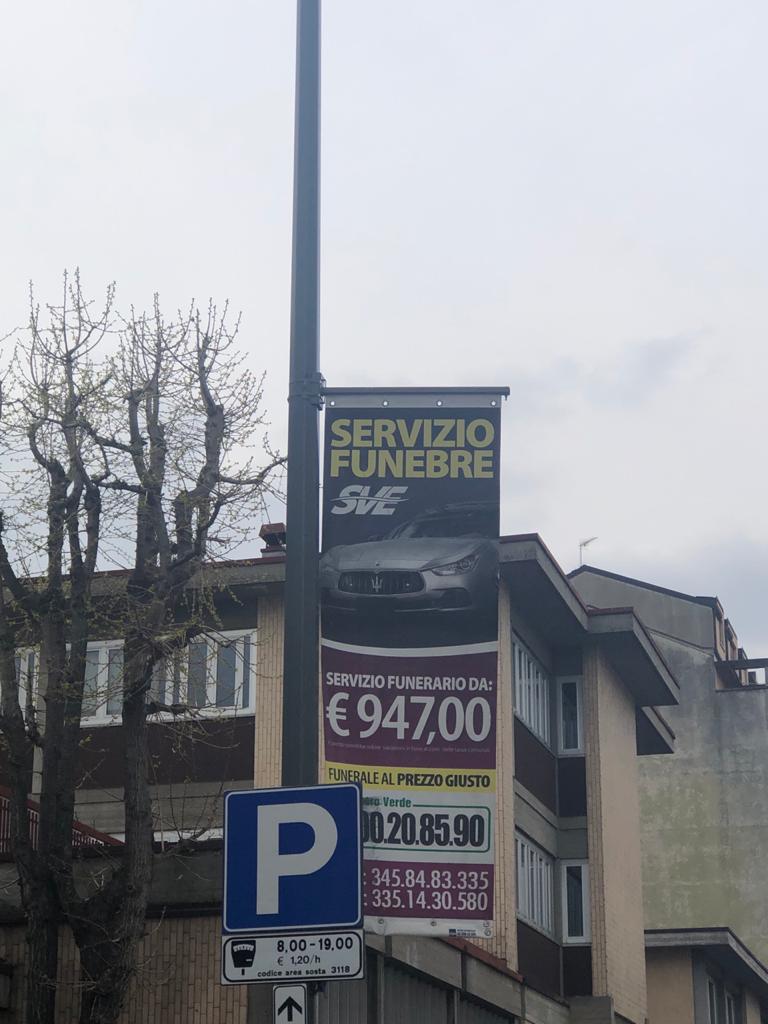
After all, the heroes of our time are different. A man, for instance, who on his deathbed leaves instructions that his funeral car be a Maserati. This, at least, is offered by a funeral service on Giacomo Venezian Street—Servizio Funebre SVE: starting at 947 euros, you can have a funeral for the right price. A photograph of the Masserati and its heraldry, bearing a trident reminiscent of Poseidon, the Greek god of the seas, silently promises that, toward your final dwelling, once death has felled you, it will carry you like Achilles.
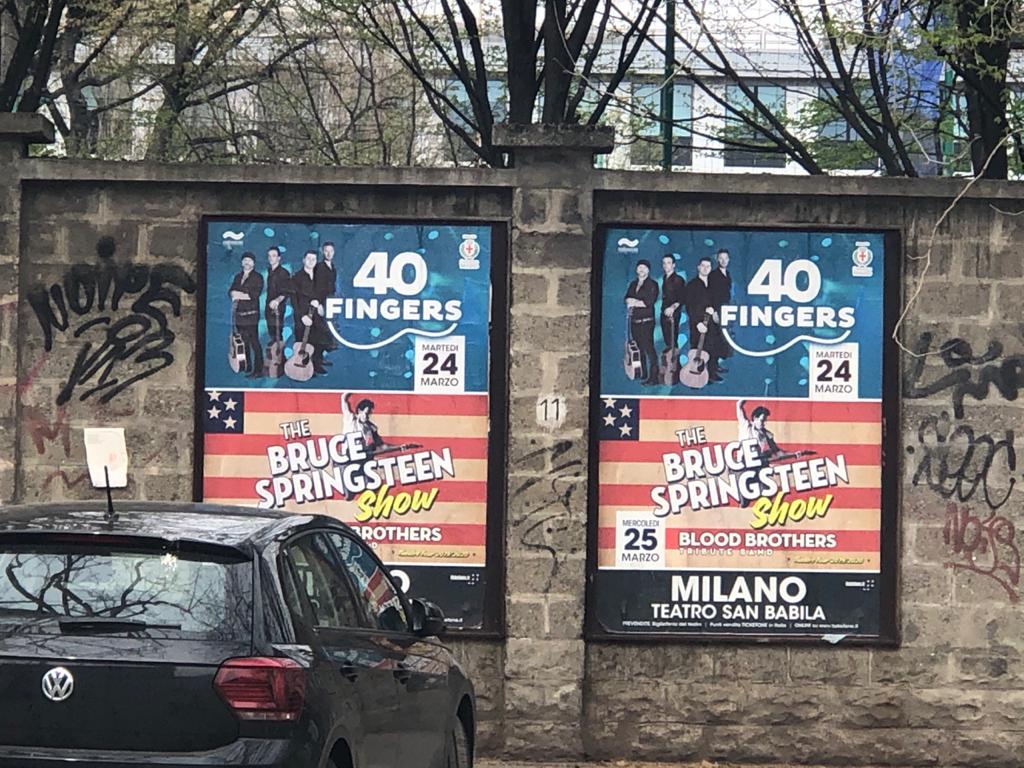
This quarantined Quartier Latin continues to revolve, chewing over its own silence with other (extra)ordinary episodes. A faded poster advertising a tribute concert to The King, Bruce Springsteen, by a band called 40 Fingers, is a memory of Milan as it once was. The date—March 24—has already passed over it with the haste of a virus. Until life resumes, it stands like Neanderthal cave writing.
Another memorial-spectacle appears at La Scala Theatre: The Turk in Italy by Giacomo Rossini. A dormant gas station nearby announces, “Petrol is finished.” The small park next to it stages its own theatrical piece: the monologues of benches. In Milan, at least, they have not been torn out as they were in France and Turkey.
A gym, its grey shutter pulled down, reminds passers-by that April 4 will be the day of return. Someone on the second floor of an apartment building has merged patriotism with civic duty: “I stay at home,” reads the message written across an Italian tricolour hanging from the window ledge.
This is Milan on an (extra)ordinary day: numbed, but not surrendered; silent, but not extinguished; wounded, but never without a future. In this standstill, the city walks like a tightrope gymnast.
Beneath this aerobics of life, there is me: a reflection of that gymnast on rain-washed asphalt.
Të fundit
"Rama jepe dorëheqjen!”, mijëra protestues vijojnë marshimin në rrugët e Tiranës
9 Qershor 2026, 22:30
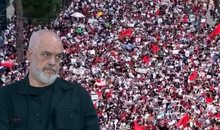
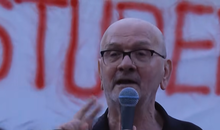
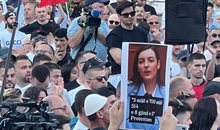
Pas tri orësh para Kryeministrisë, protestuesit nisin marshimin nëpër rrugët e Tiranës
9 Qershor 2026, 20:53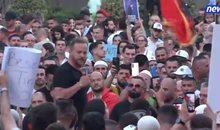
Aktori i njohur nga protesta: Ika nga Shqipëria sepse nuk doja të shisja shpirtin
9 Qershor 2026, 20:32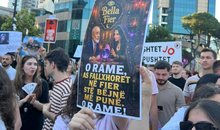
“Vetëm hëna të ka ngel pa vjedh”, mesazhe të forta ndaj qeverisë me pankartat pikante
9 Qershor 2026, 20:12
Meçollari akuza nga protesta: Në Palasë dhe Dhërmi është tjetërsuar mjedisi
9 Qershor 2026, 19:38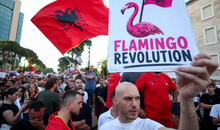
Reuters: Brukseli kritikon Tiranën për Zvërnecin, mjedisi kusht për anëtarësimin në BE
9 Qershor 2026, 19:19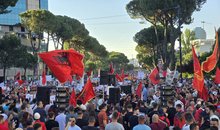

Gjykojeni protestën nga kundërshtarët
9 Qershor 2026, 18:20
Pas katër seancash, Ilir Beqaj përmbyll kërkesat paraprake
9 Qershor 2026, 18:11
OKB mesazh për Iranin, Libanin dhe Gazën: Respektoni armëpushimet
9 Qershor 2026, 17:06
10 ditë që tronditën “sistemin”
9 Qershor 2026, 16:53
Operacion anti-drogë në pesë qytete të Kosovës, 5 të arrestuar
9 Qershor 2026, 16:44
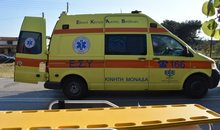
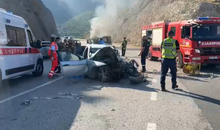
Aksident në Greqi, ndërron jetë 16-vjeçari shqiptar
9 Qershor 2026, 16:25
Komisioni Evropian: Ministri i Mjedisit na tha se punimet janë pezulluar në Zvërnec!
9 Qershor 2026, 16:14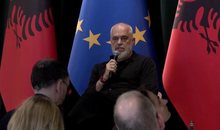
Rama 'përplaset' me gazetaren rumune: U kanë bllokuar trurin!
9 Qershor 2026, 16:13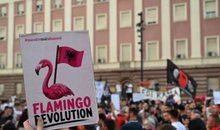
“Revolucioni i Flamingove” përplas Ramën me Iranin
9 Qershor 2026, 15:56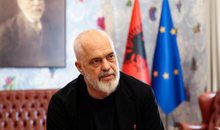

Ky është Armand Shakaj, i dyshuar si autor i zhdukjes së Eglant Koçit
9 Qershor 2026, 15:30
Senatori demokrat Bernie Sanders: Populli po i thotë JO oligarkisë globale në Shqipëri!
9 Qershor 2026, 15:17
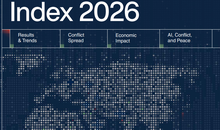
Paqja globale, në rënie për të 12-in vit radhazi, Shqipëria renditet e 36-ta në botë
9 Qershor 2026, 14:47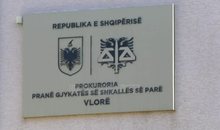
Prokuroria e Vlorës sekuestron 5 mln euro pasuri
9 Qershor 2026, 14:29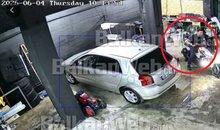
Foto/ Dyshohet se u rrëmbye, kjo është fotoja e fundit 34-vjeçarit para zhdukjes
9 Qershor 2026, 14:20
Kopjac i Vuçiçit dhe në krizë
9 Qershor 2026, 14:11

Zhdukja e Eglant Koçit, arrestohet një person me urdhër të Prokurorisë
9 Qershor 2026, 13:23
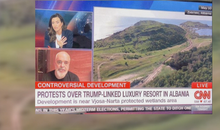
Protesta përplas Ramën me mediat botërore, rreziku i krizës së imazhit!
9 Qershor 2026, 13:01
Dhunuan drejtorin e AKU-së në Shkodër, arrestohet njëri prej autorëve
9 Qershor 2026, 12:43
Eksperti i sigurisë ngre alarmin: Grupet kriminale strehohen në zonat e Kamzës!
9 Qershor 2026, 12:36
Vrasja në Paskuqan/ Autori është gjurmuar deri në Bovillë, ka braktisur mjetin
9 Qershor 2026, 12:24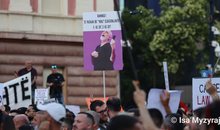
Kush e komandon sot Edi Ramën?!
9 Qershor 2026, 12:14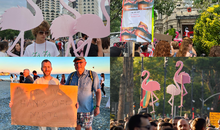
Rama del 'blof'/ Si po i përqafojnë turistët e huaj protestat në Shqipëri
9 Qershor 2026, 12:00
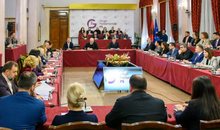

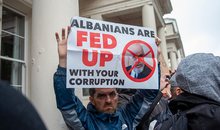
Si e bindi Rama Perëndimin se fati i Shqipërisë lidhet me emrin e tij
9 Qershor 2026, 11:20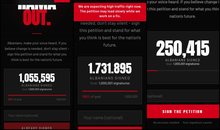

Berisha në konferencën e EPP: Shqipëria ndodhet në sallën e urgjencës
9 Qershor 2026, 10:27
Nga kullat te lumenjtë: kostoja e padukshme e etheve të ndërtimit
9 Qershor 2026, 10:04
Operacioni në Vlorë, zbardhen emrat e 6 të arrestuarve
9 Qershor 2026, 09:44
Këmbimi valutor, me sa shiten dhe blihen monedhat e huaja sot
9 Qershor 2026, 09:26
Transmetoi 'live' protestën, Balla sulmon Reuters: Kanë hall tjetër, jo Shqipërinë
9 Qershor 2026, 09:13
Policia zbarkon në Vlorë, disa të arrestuar, mes tyre një i kërkuar ndërkombëtarisht
9 Qershor 2026, 08:56
Horoskopi, njihuni me parashikimin e yjeve
9 Qershor 2026, 08:40
Shpopullimi alarmant/ Në një vit, Shqipërisë i ikin 33 mijë të rinj
9 Qershor 2026, 08:28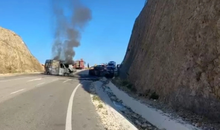
Mot i paqëndrueshëm dhe vranësira, parashikohen reshje shiu në disa zona
9 Qershor 2026, 07:59
Posta e mëngjesit/ Me 2 rreshta: Çfarë pati rëndësi dje në Shqipëri
9 Qershor 2026, 07:45

Kritikoi Ramën, Zegjine Çaushi sulmon influenceren: Të bësh ironi ti shëmtirë...
8 Qershor 2026, 22:37
Nard Ndoka jep lajmin: Sali Berishës i është hequr “non grata”
8 Qershor 2026, 21:59
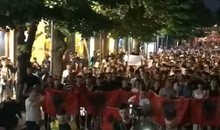

Rekord firmash në peticionin “Rama Out”, mbi 1 mln e 700 mijë nënshkrime nga shqiptarët
8 Qershor 2026, 20:59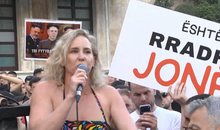
Notarja Eva Buzo i bashkohet protestës: Jeni frymëzues, bota po e dëgjon zërin tuaj!
8 Qershor 2026, 20:48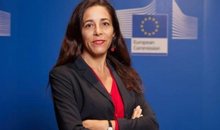
Kaja Kallas propozon diplomaten portugeze si ambasadore të BE-së në Shqipëri
8 Qershor 2026, 20:28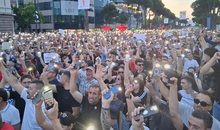
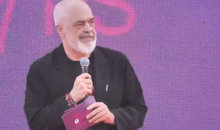
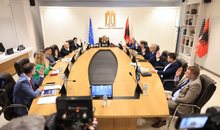
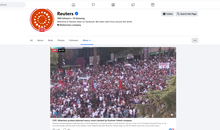
Shqiptarët kërkojnë dorëheqjen e Ramës, Reuters raporton “live” protestën nga Tirana
8 Qershor 2026, 19:07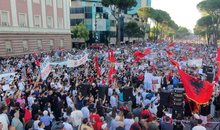
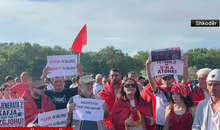
35-vjetori i PS-së, Rama pritet me protesta në Shkodër
8 Qershor 2026, 18:07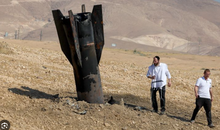
Tensione mes Iranit dhe Izraelit, BE: Rajoni i bllokuar mes luftës dhe armëpushimeve
8 Qershor 2026, 17:42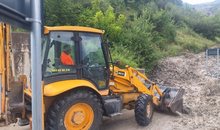
Shi dhe rrëshqitje dherash në aksin Moglicë–Gramsh, kufizohet qarkullimi në një krah
8 Qershor 2026, 17:21
Mosha e pensionit akoma më e vështirë se jeta në punë
8 Qershor 2026, 17:03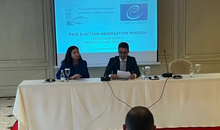
Zgjedhjet në Kosovë, asambleja parlamentare e KE: Pati ndërhyrje nga Serbia
8 Qershor 2026, 16:54
Euro e nis javën në rënie të mëtejshme, zbret drejt pragut të 95 lekëve
8 Qershor 2026, 16:34
Sondazh/ A mendoni se protestat e fundit kanë dëmtuar imazhin e qeverisë Rama?
8 Qershor 2026, 16:22
Boçi: Mazhoranca po bllokon debatin për ligjin që ndalon propagandën gjinore tek fëmijët
8 Qershor 2026, 16:15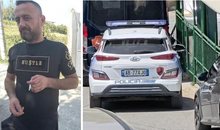
Vrasja në Kamëz, autori qëlloi me 10 plumba, në shënjestër ishte edhe shoku i viktimës
8 Qershor 2026, 16:07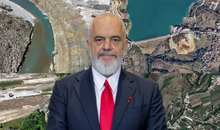
Nga kullat te lumenjtë/ Kostoja e padukshme e etheve të ndërtimit
8 Qershor 2026, 15:56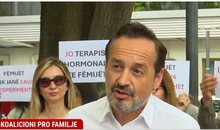
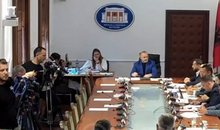
Miratohet në parim amnistia penale, 380 të dënuar lirohen mënjëherë
8 Qershor 2026, 15:11
Abuzimet me fondet “SASPAC”, Apeli lë në burg Ilir Beqajn
8 Qershor 2026, 14:58
FIFA ndryshon traditën historike, ja si do të prezantohen skuadrat në Botërorin 2026
8 Qershor 2026, 14:46
U vra pas një konflikti në Kamëz, ky është 27-vjeçari që u nda nga jeta
8 Qershor 2026, 14:43
Të shtëna me armë zjarri në Velipojë
8 Qershor 2026, 14:38