 Flash News
Posta e mëngjesit/ Me 2 rreshta: Çfarë pati rëndësi dje në Shqipëri
Rain and massive landslides on the Moglica-Gramsh axis, traffic is limited on one side
Killed after a conflict in Kamëz, this is the 27-year-old who passed away
Photo/ This is the perpetrator of the murder of the 27-year-old in Paskuqan
Anti-Rama petition, over 395 thousand citizens sign for the removal of the Prime Minister
Municipal taxes are changing for 2025, here's how the categorization is expected

Politiko
2025-01-07 09:14:10

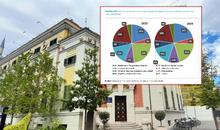
During 2025, the formula for municipal taxes is expected to change, as well as the categorization of local taxes for the occupation of public space and facades for the use of advertisements/signs.
The amendments to the Law "On Local Government Finances" are projected for the third quarter of this year, after the conclusion of the general elections. The government plans to change the formula for the unconditional financial transfer of local government during 2025. These amendments that are expected to be implemented aim to regulate the municipal financing scheme; adapting the principle of equalization related to the number of population according to the 2023 Census.
It also aims to provide financial stability for low-income municipalities, as well as to change the table that divides municipalities by category. These changes are expected to bring more revenue to municipalities and a more accurate distribution of funds in proportion to their population.
Local government revenues for the period January-November 2024 reached 36.6 billion lek, an increase of 8 billion lek compared to the previous year or 27.9% and an excess of 2 billion lek compared to the planning made according to official data from the Ministry of Finance. The item of local taxes has the largest share, where revenues in the 11-month period reached 29.5 billion lek, an increase of 6.4 billion lek compared to the previous year and at a record level in the entire decade. But again, some municipalities have arrears and are in financial difficulties, thus not providing the necessary services to citizens.
Municipalities received from the state budget in 2024 in the form of unconditional transfers approximately 360 million dollars, with an increase of 49 million dollars compared to this year. In total, for 2024, the unconditional transfer was 36.583 billion lek. The formula for distributing the unconditional transfer is defined in the law “On Local Self-Government Finances”, according to which it identifies the needs for municipal expenditures based on the relative population, population density (which reflects the differences in the cost of exercising functions between municipalities) and the actual number of children in kindergartens and students in 9-year and secondary schools in each municipality.
In addition to the equalization of service costs through the density component, the unconditional transfer allocation formula also brings about the equalization of fiscal capacity, which is based on actual revenues from personal income tax, from the annual tax on used vehicles and the transfer tax on real estate.
But which municipalities benefited the most from the unconditional transfer and which benefited the least? Tirana, as the municipality with the highest population, received the highest fund of about 5.2 billion lek for 2024, followed by the Municipality of Durrës with nearly 2 billion lek, then comes the Municipality of Elbasan, which benefited 1.5 billion lek, the Municipality of Shkodër 1.4 billion lek, about 1.3 billion lek went to the Municipality of Vlora, 1.1 billion lek to Kamza and 1 billion lek to the Municipality of Korçë.
Latest news

Posta e mëngjesit/ Me 2 rreshta: Çfarë pati rëndësi dje në Shqipëri
2026-06-09 07:45:13



Nard Ndoka gives the news: Sali Berisha's "non grata" status has been lifted
2026-06-08 21:59:42




Kaja Kallas proposes Portuguese diplomat as EU ambassador to Albania
2026-06-08 20:28:55





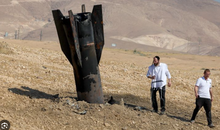
Tensions between Iran and Israel, EU: Region stuck between war and ceasefires
2026-06-08 17:42:47

Retirement age even more difficult than working life
2026-06-08 17:03:32

Euro starts the week in further decline, drops towards the threshold of 95 lek
2026-06-08 16:34:43


Nga kullat te lumenjtë/ Kostoja e padukshme e etheve të ndërtimit
2026-06-08 15:56:47


Criminal amnesty approved in principle, 380 convicts released immediately
2026-06-08 15:11:42
Abuses with "SASPAC" funds, Appeal leaves Ilir Beqaj in prison
2026-06-08 14:58:54

Killed after a conflict in Kamëz, this is the 27-year-old who passed away
2026-06-08 14:43:04
Gunshots in Velipoja
2026-06-08 14:38:01
Photo/ This is the perpetrator of the murder of the 27-year-old in Paskuqan
2026-06-08 13:59:22
Rama appears in a miniskirt, commentators 'massacre' him: Is the boy sick?
2026-06-08 13:46:47

Daytime murder in Kamëz, police react: No others injured in the incident
2026-06-08 13:21:38

DP takes the "anti-Rama package" to Parliament, demands the repeal of 4 laws
2026-06-08 13:02:58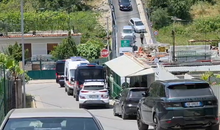


EU: Elections in Kosovo pave the way for overcoming political deadlock
2026-06-08 12:33:32
Shooting in Kamëz, injured person dies in Trauma
2026-06-08 12:17:24
Berisha publishes video: 2 million slaps will come to Rama from Albanians
2026-06-08 12:09:26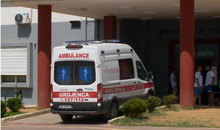
Gunshot wound in Kamza
2026-06-08 12:00:47

Bullets on the police 'Eagles', how officer Enea Mekollli was killed by 5 shots
2026-06-08 11:44:05

EU 'scolds' Rama for Zvërnec: Protect nature before you destroy it
2026-06-08 11:14:01
Journalist warns: Campaign to remove students from protest has begun
2026-06-08 11:00:46


Albanian drug trafficker "Maradona" buys his freedom with 1.5 million euros
2026-06-08 10:31:34

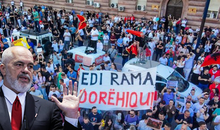

Foreign exchange, how much foreign currencies are sold and bought today
2026-06-08 09:27:27
From Tirana to Toronto, Albanians in Canada join calls for Rama's removal
2026-06-08 09:12:05

Horoscope, what do the stars have in store for you today?
2026-06-08 08:15:47
Sun and high temperatures, the weather forecast for this Monday
2026-06-08 07:59:00
Morning Post/ In 2 lines: What mattered yesterday in Albania
2026-06-08 07:46:35
Rama complains about insults after the meeting in Elbasan: B*tcheater, thief
2026-06-07 22:18:16
New waves of attacks on Israel, Iran launches missiles
2026-06-07 21:55:36
Zodiac signs that always do things their way
2026-06-07 21:37:47
Protesters 'occupy' the streets of Tirana, motorcyclists join citizens
2026-06-07 21:24:27
Over 40% of votes counted, Vetëvendosje leads with over 41%
2026-06-07 21:03:53

VIDEO/ Rama 'goes crazy', goes off-script with unusual gestures
2026-06-07 20:20:38
Vote counting begins in Kosovo, first results published
2026-06-07 19:57:55

Exit polls after Kosovo elections are out, Albin Kurti leads with 42%
2026-06-07 19:31:58
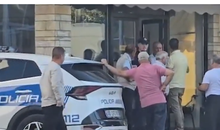
Gunshot wound in Shijak, names emerge. Bar owner injured, perpetrator on the run
2026-06-07 19:00:13
Rama threatens bloggers: They don't even give 1 euro in tax to the state
2026-06-07 18:48:09
Gunshots in Shijak
2026-06-07 18:33:13
Rama interrupts speech over slogan against Zvërnec: Put him down
2026-06-07 18:20:11
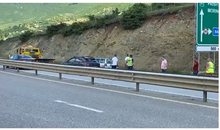
Chain accident in Morina-Kukës
2026-06-07 17:42:58


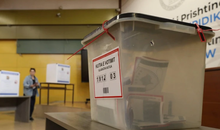
Elections in Kosovo/ By 15:00 turnout 22.74%
2026-06-07 16:18:03
Këlliçi: Rama insulted protesters, his arrogance and corruption must go away
2026-06-07 15:29:59
Zodiac signs that never give up on love
2026-06-07 15:12:18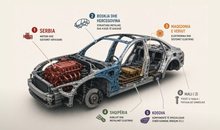
How the Western Balkans became Europe's "factory"... what comes next?
2026-06-07 14:52:17
Violand Braçellari, who killed the policeman, is left in prison
2026-06-07 14:30:40
Armenians vote on country's future between East and West
2026-06-07 13:51:13
Former Republican Guard officer found dead in Mat River
2026-06-07 13:00:13