 Flash News
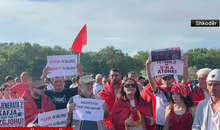
Protests disrupt the SP/ The 'meme' Zegjineja attacks the influencer: Evil, says the judge. Balla is caught with Reuters
Murder in Paskuqan/ The perpetrator was tracked to Bovilë, he abandoned the vehicle
Kukës high school graduate who published his literature thesis 20 minutes after the exam started is expelled
Quarrel erupts within Rilindja/ Rama orders MPs and the party: Be careful, don't make news
How Rama convinced the West that Albania's fate is linked to his name
Global peace, declining for the 12th consecutive year, Albania ranks 36th in the world

Politiko
2026-06-09 14:47:19
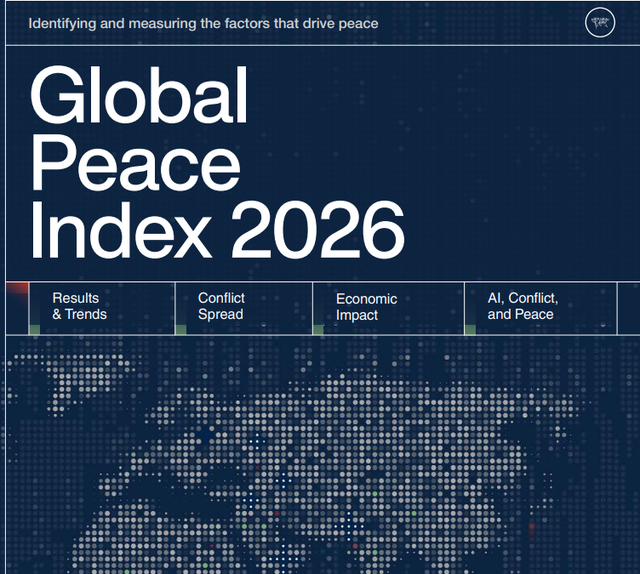
The world is facing a steady decline in global peace, as armed conflicts are increasing and involving more and more countries. This is the main conclusion of the Global Peace Index 2026, an international report that measures the level of peace in the world.
In this ranking, Albania is positioned in 24th place in Europe and 36th in the world, with 1,725 points, marking an improvement of seven places compared to a year ago.
Albania leaves most countries in the region behind, while Montenegro ranks higher, in 30th place in the world.
The report notes that the number of active state-based conflicts has reached its highest level since the end of World War II. Meanwhile, the number of countries involved in external conflicts has almost doubled compared to 2008.
The report notes that global military spending has increased for the tenth consecutive year, reflecting an increasingly tense international climate. Although the number of casualties from conflicts has fallen compared to its peak in 2023, the latest year still marked the second highest number of casualties since the index was first published nearly two decades ago.
The conflicts that have had the greatest impact on the deterioration of the global situation include the civil war in Sudan, the ongoing war in Ukraine, and the twelve-day conflict between Israel, the United States, and Iran. According to the report's authors, these developments have made the international environment more fragile and militarized than ever before in the history of the index.
The Global Peace Index 2026 is the 20th edition of the report and includes 163 countries and independent territories, covering 99.7% of the world's population. The report is published by the Institute for Economics and Peace (IEP) and is considered the most authoritative measure of the level of peace globally.
23 qualitative and quantitative indicators are used to assess countries, which analyze three main areas: security and social protection, internal and international conflicts, and the level of militarization.
The report's findings show that, despite progress in some regions, the overall global trend remains worrying, with peace continuing to deteriorate in the face of increasing conflicts and geopolitical tensions.
Internationalized internal conflicts are becoming increasingly frequent, increasing by more than 175% since 2010, according to the Global Peace Index 2026.
Numri i vendeve të përfshira në të paktën një konflikt të jashtëm gjatë pesë viteve të fundit është rritur nga 59 në vitin 2008 në 103 në raportin e vitit 2026. Ndërkohë, viktimat globale nga konfliktet e brendshme janë rritur më shumë se gjashtë herë, nga rreth 29 mijë në vitin 2008 në mbi 181 mijë gjatë vitit të fundit, me një kulm prej mbi 309 mijë viktimash në vitin 2023.
Raporti thekson gjithashtu se numri i vendeve që kanë regjistruar 1 mijë ose më shumë viktima nga konfliktet brenda një viti është rritur nga tetë në vitin 2008 në 20 gjatë vitit të fundit.
Sipas Institutit për Ekonomi dhe Paqe, kjo rritje e konflikteve lidhet me një transformim më të gjerë të sistemit ndërkombëtar, të cilin instituti e quan “Fragmentimi i Madh”. Ky proces nisi në fund të viteve 2000 dhe përfaqëson periudhën e tretë të madhe në marrëdhëniet gjeopolitike të 50 viteve të fundit, pas Luftës së Ftohtë dhe epokës së globalizimit të shpejtë pas vitit 1990.
Raporti vëren se numri i vendeve me fuqi të mesme është pothuajse dyfishuar që nga viti 1991, nga nëntë në 16, ndërsa numri i fuqive në zhvillim është trefishuar. Kapaciteti i kombinuar material i këtyre vendeve tashmë e tejkalon atë të fuqive të mëdha.
Në të njëjtën kohë, pesha ekonomike e fuqive kryesore evropiane ka rënë ndjeshëm. Pjesa e Gjermanisë në PBB-në globale është përgjysmuar, nga 8.5% në 4.3%; ajo e Francës ka rënë nga 5.2% në 2.9%; ndërsa Italia ka zbritur nga 3.8% në 2.2%.
Rezultatet e këtij viti tregojnë se niveli mesatar i paqes globale është përkeqësuar me 0.7% gjatë vitit të fundit. Ky është viti i 12-të radhazi që paqja globale shënon rënie dhe përkeqësimi i 15-të në 18 vitet e fundit.
Nga 163 vendet e përfshira në Indeksin Global të Paqes, 99 vende kanë shënuar përkeqësim, ndërsa 62 janë përmirësuar. Aktualisht, 119 vende janë më pak paqësore sesa ishin në vitin 2008.
Islanda mbetet vendi më paqësor në botë për të 19-in vit radhazi, e ndjekur nga Zelanda e Re, Zvicra, Sllovenia dhe Irlanda. Në fund të renditjes qëndron Rusia, si vendi më pak paqësor, e ndjekur nga Sudani, Republika Demokratike e Kongos, Ukraina dhe Izraeli.
Europa Perëndimore dhe Qendrore mbetet rajoni më paqësor në botë, ndërsa Lindja e Mesme dhe Afrika e Veriut mbeten rajoni më pak paqësor. Europa Lindore dhe Azia Qendrore ishte i vetmi nga tetë rajonet e GPI-së që shënoi përmirësim mesatar gjatë vitit të fundit. Ndërkohë, Azia Jugore regjistroi përkeqësimin më të madh rajonal, kryesisht për shkak të rënies së paqes në Nepal dhe Pakistan.
Polonia shënoi përmirësimin më të madh në nivel vendi, me rezultatin e përgjithshëm të përmirësuar me 9.1% dhe me një ngjitje prej 23 vendesh, duke u renditur e 22-ta në botë.
Përmirësime të mëdha regjistruan gjithashtu Gaboni, Lesoto, Ukraina dhe Turqia. Në rastin e Turqisë, përmirësimi lidhet me procesin e vazhdueshëm të paqes mes qeverisë turke dhe Partisë së Punëtorëve të Kurdistanit.
Nepal recorded the biggest deterioration, with its overall score falling by 9.1% following the Gen Z protests in September 2025. It was followed by Chad, the Republic of Congo, Pakistan and Tanzania.
The United States deteriorated by 4%, mainly due to increased political instability, which worsened by 38.5%. The report also notes that violent demonstrations in the US have increased significantly. The country currently ranks 134th in the Global Peace Index./ IEP
Latest news



Vlora Prosecution seizes 5 million euros of assets
2026-06-09 14:29:19

Vučić's Kopjac is also in crisis
2026-06-09 14:11:14




The protest clashes Rama with the world media, the risk of an image crisis!
2026-06-09 13:01:41

Security expert raises the alarm: Criminal groups are sheltering in Kamza areas!
2026-06-09 12:36:03
Who is in command of Edi Rama today?!
2026-06-09 12:14:10
Rama's 'bluff'/ How foreign tourists are embracing the protests in Albania
2026-06-09 12:00:57

How Rama convinced the West that Albania's fate is linked to his name
2026-06-09 11:20:31


Berisha at the EPP conference: Albania is in the emergency room
2026-06-09 10:27:53
From towers to rivers: the invisible cost of the building boom
2026-06-09 10:04:25
Operation in Vlora, names of 6 arrested revealed
2026-06-09 09:44:49
Foreign exchange, how much foreign currencies are sold and bought today
2026-06-09 09:26:15

Horoscope, get to know the star forecast
2026-06-09 08:40:29
Alarming depopulation / In one year, 33 thousand young people leave Albania
2026-06-09 08:28:03

Unstable and cloudy weather, rain expected in some areas
2026-06-09 07:59:52
Posta e mëngjesit/ Me 2 rreshta: Çfarë pati rëndësi dje në Shqipëri
2026-06-09 07:45:13


Nard Ndoka gives the news: Sali Berisha's "non grata" status has been lifted
2026-06-08 21:59:42




Kaja Kallas proposes Portuguese diplomat as EU ambassador to Albania
2026-06-08 20:28:55



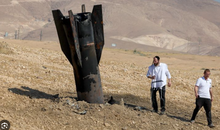
Tensions between Iran and Israel, EU: Region stuck between war and ceasefires
2026-06-08 17:42:47

Retirement age even more difficult than working life
2026-06-08 17:03:32
Euro starts the week in further decline, drops towards the threshold of 95 lek
2026-06-08 16:34:43

Nga kullat te lumenjtë/ Kostoja e padukshme e etheve të ndërtimit
2026-06-08 15:56:47

Criminal amnesty approved in principle, 380 convicts released immediately
2026-06-08 15:11:42
Abuses with "SASPAC" funds, Appeal leaves Ilir Beqaj in prison
2026-06-08 14:58:54

Killed after a conflict in Kamëz, this is the 27-year-old who passed away
2026-06-08 14:43:04
Gunshots in Velipoja
2026-06-08 14:38:01

Photo/ This is the perpetrator of the murder of the 27-year-old in Paskuqan
2026-06-08 13:59:22
Rama appears in a miniskirt, commentators 'massacre' him: Is the boy sick?
2026-06-08 13:46:47

Daytime murder in Kamëz, police react: No others injured in the incident
2026-06-08 13:21:38
DP takes the "anti-Rama package" to Parliament, demands the repeal of 4 laws
2026-06-08 13:02:58

EU: Elections in Kosovo pave the way for overcoming political deadlock
2026-06-08 12:33:32
Shooting in Kamëz, injured person dies in Trauma
2026-06-08 12:17:24
Berisha publishes video: 2 million slaps will come to Rama from Albanians
2026-06-08 12:09:26
Gunshot wound in Kamza
2026-06-08 12:00:47

Bullets on the police 'Eagles', how officer Enea Mekollli was killed by 5 shots
2026-06-08 11:44:05

EU 'scolds' Rama for Zvërnec: Protect nature before you destroy it
2026-06-08 11:14:01
Journalist warns: Campaign to remove students from protest has begun
2026-06-08 11:00:46

Albanian drug trafficker "Maradona" buys his freedom with 1.5 million euros
2026-06-08 10:31:34