 Flash News
Police correct the tragic accident: The only victim was the driver, the child was brought back to life in the hospital
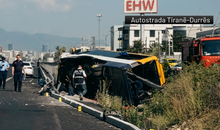
Accident with 2 victims/ Driver suspected of having suffered a heart attack, 15 passengers injured, one child in serious condition
Fatal accident on the highway, the minibus was on the Berat-Tirana route, it is suspected that it lost control
Fatal accident on the Tirana-Durrës highway, over 10 passengers injured and 2 killed
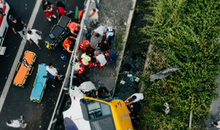
Van overturns on Tirana-Durrës highway, two dead, several passengers trapped inside the vehicle
Euro starts the week in further decline, drops towards the threshold of 95 lek

Politiko
2026-06-08 16:34:43
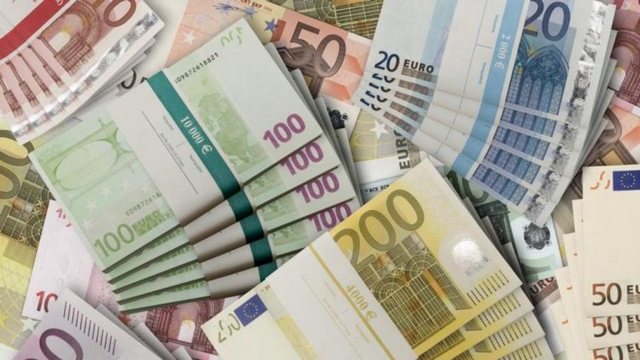
The Euro/Lek exchange rate has started the week in a further decline and has touched a new historical minimum. According to the official exchange rate of the Bank of Albania, the European currency was exchanged today for 95.19 Lekë, the lowest level ever recorded.
The Euro exchange rate now seems oriented towards the 95 lek limit, driven by the expected increase in foreign exchange supply due to the summer season.
The Euro-Lek exchange rate has fallen by 1.6% since the beginning of 2026, while on an annual basis the decline has reached 2.8%.
According to market agents, the decline of the Euro continues to be driven by a high supply of the currency in the market, while demand fails to keep up with the same pace, despite the Bank of Albania's continuous purchases.
The Central Bank has played a significant role in the foreign exchange market in the last two years, withdrawing more than two billion euros from the market. This has partially curbed the decline of the Euro, which in the absence of additional demand from the Central Bank would have reached even lower levels.
However, rising inflation could lead the Bank of Albania to a dilemma. According to official INSTAT figures, inflation reached 3% in May, which is the Central Bank's target.
Until now, interventions in the foreign exchange market were mainly motivated by the inflation objective, to curb the deflationary effect of imported inflation on consumer prices in the Albanian economy.
Now that inflation has returned to target, it is unlikely that the Bank of Albania's interventions can be based on the argument of price stability. If the Central Bank withdraws from interventions in the foreign exchange market or at least reduces these interventions, the Euro's decline is likely to continue, at least during the summer, due to the inevitable seasonal increase in supply.
Further strengthening of the Lek could make a positive contribution to controlling inflation, which is expected to continue rising due to higher fuel prices and their impact on production costs.
But, on the other hand, a further weakening of the Euro would hit the export sectors of the economy even harder, starting with tourism itself. The depreciation of the Euro reduces income in Lek and shrinks export margins, pushing them towards price increases and loss of competitiveness. /Monitor
Latest news

Star architects and power over territory
2026-06-30 18:45:24
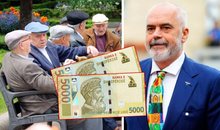
Amid protests, Rama issues "check" for pensioners, 5 thousand lek summer bonus
2026-06-30 17:50:12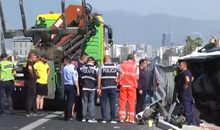


Arrests at Parliament, Dritan Goxhaj and two other protesters released
2026-06-30 16:55:04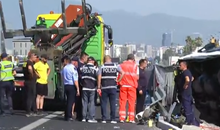




Berisha condemns violence against protesters: I demand their immediate release
2026-06-30 15:28:35
Video/ Tensions at Parliament, police drag and lay young man on the ground
2026-06-30 15:17:25
UNLOCK x Go Kart: A day of surprises and a race for first place
2026-06-30 15:06:37

Dragged by police, 6 protesters end up in police stations
2026-06-30 14:42:25


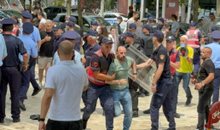




Protesters throw eggs at the vehicles of SP ministers and MPs, FNSH intervenes
2026-06-30 12:22:49
Protesters throw eggs at Parliament
2026-06-30 12:06:59



Arrested at gunpoint near Emiljano Nina's apartment, Ervis Martinaj's cousin
2026-06-30 10:41:37
Two police officers from 313 died at work, the Directorate of Prisons reacts
2026-06-30 10:28:00
"Crime Parliament", plenary session begins with protests outside the assembly
2026-06-30 10:21:44
The myth of the economy being sustained by dirty money
2026-06-30 10:13:16
Two police officers from prison 313 die, initial suspicions
2026-06-30 09:35:29
Foreign exchange rate June 30/ How much the dollar and euro are bought and sold
2026-06-30 09:25:52
Paraguay declares national holiday after historic World Cup triumph over Germany
2026-06-30 09:05:52
Albania third in Europe for high dairy prices, 35.6% more than average in 2025
2026-06-30 08:49:43
Temperatures reach up to 37 degrees, check out the weather forecast
2026-06-30 08:33:10
Nighttime fire in a building in Lapraka, residents: Firefighters arrived late
2026-06-30 08:18:40
Morning Post/ In 2 lines: What mattered yesterday in Albania
2026-06-30 07:58:57
Hospital autonomy without results: Lack of access and overloaded services
2026-06-29 21:55:56
Duel in Boston, Germany and Paraguay fight for qualification
2026-06-29 21:40:51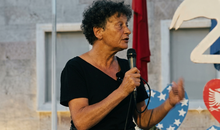
German MEP speaks from protest: Government should listen to citizens
2026-06-29 21:28:52
Six MEPs join the protest against Rama
2026-06-29 21:11:10
Protesters "occupy" the Polytechnic, demand the return of the banner
2026-06-29 20:51:09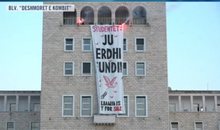

Japonia trondit Brazilin, mbyll pjesën e parë në avantazh
2026-06-29 20:11:55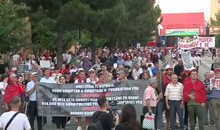
"Rama resigns", protesters begin march towards the Prime Minister's Office
2026-06-29 19:53:55
Vapa ekstreme, si mund të përmirësohet gjumi gjatë netëve të nxehta
2026-06-29 19:28:55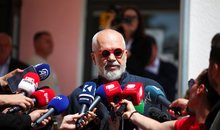
Gazetari holandez: Deklaratat e Ramës nuk i besojnë më as socialistët
2026-06-29 19:00:23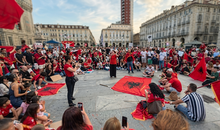
Protest for Rama's resignation extends to Turin
2026-06-29 18:41:11
Will Vučić become the Prime Minister of Serbia again?
2026-06-29 18:22:02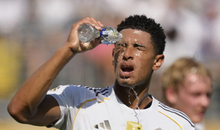
New heat wave in the US raises concerns about the 2026 World Cup final
2026-06-29 18:01:00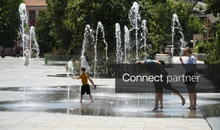
Photo/ 40°C in Tirana, citizens "invade" fountains to escape the heat
2026-06-29 17:44:25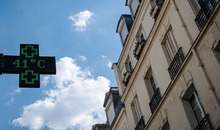
Extreme heatwave tests healthcare systems in Europe
2026-06-29 17:30:39
11 early behaviors linked to success and wealth building
2026-06-29 17:12:42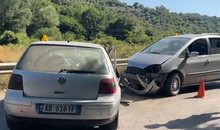
Accident in Fier-Levan, two injured after two vehicles collide
2026-06-29 16:56:47
Behind the scenes/ Why is SPAK delaying the request for Balluk's arrest?
2026-06-29 16:40:54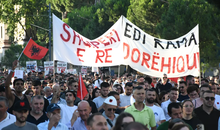
Police continue proceedings after the protest, 31 citizens prosecuted
2026-06-29 16:23:02
Lawyer Kujtim Cakrani terminates legal representation of Ilir Meta
2026-06-29 16:08:51
After World Cup failure, South Korea coach targets threats
2026-06-29 15:53:15
Albanian children put violence and mental health at the top of their concerns
2026-06-29 15:33:21
When “irony” becomes an alibi: Rama, the starchitects and “The Albanian Files”
2026-06-29 15:15:32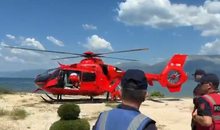
The bullet damaged his main vein, the injured man is headed to Trauma.
2026-06-29 15:01:57
Shooting in Germany, 5 killed and several injured
2026-06-29 14:56:00
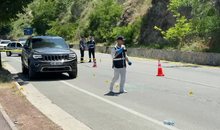

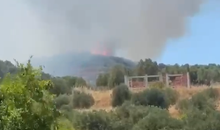
Fire in Llakatund, Vlora, wind favors rapid spread of flames
2026-06-29 13:57:09
Shooting in Pogradec, young man with criminal record injured
2026-06-29 13:41:16
Who are the Israeli businessmen who pay for Edi Rama's private jet trips?
2026-06-29 13:27:33
Europe is "scorching", over 1,300 victims of extreme heat
2026-06-29 13:06:55


Belgian newspaper: Protests exposed Rama's image as a gangster
2026-06-29 12:14:00

Scotland coach resigns after World Cup exit
2026-06-29 11:36:35

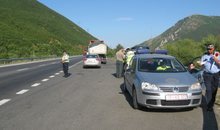
Police officer dies in Vërmica, suspected of being hit by a driver from Albania
2026-06-29 10:05:08
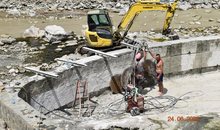
"Banjat e Benja between Harese and the destruction of Albanian nature"
2026-06-29 09:32:24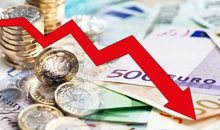
Foreign exchange rate June 29/ How much the dollar and euro are bought and sold
2026-06-29 09:13:34
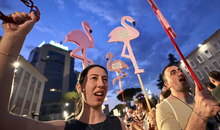
AP dedicates report to protest: "Flamingo Revolution" draws world attention
2026-06-29 08:56:11
Avoid peak hours, temperatures reach up to 39 degrees today
2026-06-29 08:19:42
Morning Post/ In 2 lines: What mattered yesterday in Albania
2026-06-29 08:02:17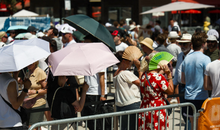
Over 1,300 dead from heatwave in Europe
2026-06-28 21:57:50