
 Flash News
Accident in Germany, two Albanian sisters lose their lives (Names)
The resistance in front of the Prime Minister's Office continues, a group of protesters spend the night on the boulevard
Posta e mëngjesit/ Me 2 rreshta: Çfarë pati rëndësi dje në Shqipëri
The 22nd protest against Rama begins, thousands of citizens in the square
Pas Koçekut ikën Spiropali? Socialistja sfidon hapur Ramën: PS duhet të vetëpastrohet
Concrete is everywhere, Albania's tourist advantage is nature
Një grup shkencëtarësh kërkuan të dielën ndalimin e menjëhershëm të planeve për zhvillime ndërtimore në zonat e mbrojtura, duke filluar nga Zvërneci dhe kudo më tutje, në jug dhe në veri duke argumentuar se natyra është aseti më i madh edhe ekonomik dhe avantazh turistik ndërsa betonizimi do të jetë një gabim që vende të tjera e kanë bërë dhe janë penduar sakaq.

Politiko
2026-06-22 10:00:14
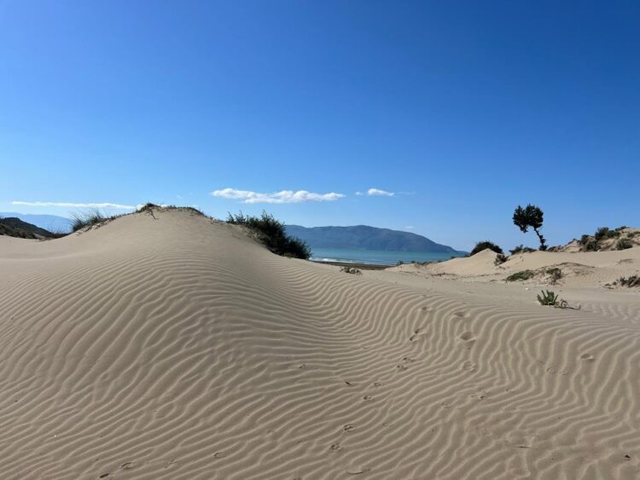
Shocked by the damage caused by builders during those few days of work in Zvërnec and Pishe-Poro, a team of Albanian and foreign scientists warned on Sunday that the country could forever lose what should be its greatest asset, not only in terms of environmental protection, but also in terms of sustainable development and tourism development in the country.
Scientists Aleko Miho, Taulant Bino, Ferdinand Bego, Friedrich Schiemer and Perikli Qirjazi said in a press conference that far from being an obstacle, preserving nature in protected areas should be seen as an advantage, for the development of the economy in general and tourism in particular.
"Concrete is everywhere and other countries have made these mistakes before us," argued Ferdinand Bego.
“No matter how attractive names these projects are given, be it the Albanian “Dubai” or the “Maldives”, the real loser will be the public and the country’s natural heritage,” added Bego, who described the current government policy as sacrificing the common good “for the interests of a few.”
Scientists are concerned not only about Zvërnec, where work was started and stopped after popular protests, but also about plans that appear to be ready for many other protected areas, from Butrint to Vjosa and all the way north to the border with Montenegro.
“…the protection of Zvërnec is not just a local issue; it is directly related to the future of biodiversity in Albania. In this area alone, over 200 bird species are associated with aquatic habitats, many of them protected and endangered at the national level. If we lose these landscapes, we lose a part of our natural and cultural identity that can never be restored,” said Taulant Bino.
While Perikli Qirjazi, after giving a varied description of the environmental wealth in Zvërnec, noted how Albanian scientists have worked to protect the country's wealth even in 1997.
"We also worked in 1997 to identify natural monuments. In this area we have identified three objects, the dunes, beautiful, distinguished throughout the Mediterranean. The small freshwater lake, which is very special in an area surrounded by the sea and the lagoon, which is salt water, and the Zvërnec hills, which were once islands," said Qirjazi, a member of the Academy of Sciences.
"This is an area that constitutes an archive of the geological history of the Albanian coast. The fossil remains there help inform us about the Miocene period," Qirjazi added.
"The whole world declares the dunes a protected asset," said Qirjazi, warning that everything could be irretrievably destroyed by a brutal investment.
Bino argumentoi më tutje se vetëm 22% e territorit të vendit është zonë e mbrojtur, në të cilën nuk mund të ndërtohet, ndërsa pjesa tjetër është e hapur për ndërtim.
Shkencëtarët argumentuan se ndërtimet në Zvërnec, Pishë-Poro e vende të tjera të mbrojtura po synojnë fitime afatshkurtra në dëm të mirëqenies jetëgjatë të vendit.
Grykëderdhjet e lumenjve janë zona dinamike, ku territori ndryshon, paralajmëroi Bego. Në zonat e jugut tendenca është që prurjet e lumenjve të zgjerojnë tokën në det, ndërsa në zonat e veriut, kryesisht si pasojë e ndërtimit të hidrocentraleve mbi Drin e Mat, tendenca është erozioni i tokës për shkak të ndërprerjes së prurjeve së sedimenteve. Ndërtimi i qytezave të reja në këto zona nuk është ide e mirë as nga pikëpamja e mjedisit dhe as nga pikëpamja e zhvillimit të qëndrueshëm ekonomik, tha Bego.
“Mbrojtja e deltës së Vjosës është urgjente. Studimet shkencore tregojnë se ajo është një nga deltat më të ruajtura në Mesdhe, me një mozaik unik habitatesh që mbështesin biodiversitet të jashtëzakonshëm dhe funksione të rëndësishme ekologjike. Aktualisht, kjo zonë përballet me kërcënime serioze nga projektet e turizmit masiv, të cilat rrezikojnë integritetin e ekosistemit. Ekspertët bëjnë thirrje për anulimin e planeve të zhvillimit me ndikim të lartë, integrimin e deltës në Parkun Kombëtar të Lumit të Egër Vjosa dhe promovimin e një modeli turizmi të qëndrueshëm që respekton kapacitetet natyrore të zonës.”, deklaroi Friedrich Schiemer nga Universiteti i Vjenës.
Shkencëtarët hedhin poshtë si të pavërteta pretendimet e kryeministrit Edi Rama që është përpjekur të argumentojë se natyra mund të bashkëjetojë me ndërtimet apo se zona e projektit aktual nuk ka status të mbrojtur.
Bino rikujtoi se kjo çështje nuk do të ishte diskutuar fare në rast se shumica parlamentare socialiste nuk do të kishte bërë ndryshimet në vitin 2024 në ligjin Për Zonat e Mbrojtura. “Ndryshimet ishin klienteliste,” tha Bino.
Ndryshimet në ligjin Për Zonat e Mbrojtura u miratuan nga shumica socialiste pavarësisht kundërshtive të aktivistëve dhe të zyrtarëve të Bashkimit Evropian. Këto ndryshime do të duhet të shfuqizohen si kusht i vendosur nga Komisioni Evropian në negociatat për anëtarësim, gjë që duhet të ndodhë së shpejti. Qeveria duket se e ka me ngut që të mund të lejojë ndërtimet në zonat e mbrojtura brenda dritares së shkurtër kohore deri në shfuqizimin e ligjit, i cili normalisht mund të shfuqizohet që sot, por që hë për hë, shumica socialiste duket se nuk e ka me nxitim.
Shënjestrat aktuale të zhvilluesve përfshijnë jo vetëm Pishë-Poron dhe Zvërnecin por edhe grykëderdhjen e Vjosës pak më në veri.
Për momentin, punimet në Zvërnec janë ndalur, por shkencëtarët kërkojnë ndërprerjen dhe braktisjen e planeve për ndërtime qytetesh të tëra në zonat e mbrojtura duke paralajmëruar se vetëm brenda atyre pak ditëve kur Zvërneci dhe Pishë – Poro ranë nën pushtetin e ndërtuesve, dëmi ishte kolosal.
“During the two days we spent on the ground, we saw up close how the dunes have been flattened and how this intervention is being presented as a model of coexistence between development and nature. However, many things are not being made public. Beyond the declarations that “there is no project”, what is seen on the ground and in the development plans clearly shows a vision of large-scale urbanization, packaged with names like “luxury resorts”. In reality, these are new construction areas that will replace a nature created over thousands of years with concrete and infrastructure. This is particularly worrying for a country that aspires to European integration,” Bego declared./ BIRN
Latest news

Greece tightens measures as number of children with ADHD increases
2026-06-22 11:10:35
UNDP sounds the alarm for the elderly, humanitarian crisis is looming
2026-06-22 10:59:05
British Prime Minister resigns
2026-06-22 10:44:04
Trump-backed candidate declared winner in Colombia's presidential election
2026-06-22 10:36:24
Accident in Germany, two Albanian sisters lose their lives (Names)
2026-06-22 10:31:11

Concrete is everywhere, Albania's tourist advantage is nature
2026-06-22 10:00:14

"Price increases expected in September", economic expert warns
2026-06-22 09:40:02


Rama closes his eyes to the citizenship lecture he is giving to the protesters
2026-06-22 09:04:06

Horoscope, what do the stars have in store for you today?
2026-06-22 08:32:12

Light rain in some areas, weather forecast for today
2026-06-22 08:00:18
Posta e mëngjesit/ Me 2 rreshta: Çfarë pati rëndësi dje në Shqipëri
2026-06-22 07:46:44

Protester reveals the figures: Rama has 200 million euros in "offshore" accounts
2026-06-21 21:39:26
Protester calls on Rama: Be a man for once in your life, resign
2026-06-21 21:15:03

Republika e ortakëve
2026-06-21 20:42:00
Rita Petro: Why Mimoza Ahmeti remains elusive to prejudices
2026-06-21 20:31:45


The 22nd protest against Rama begins, thousands of citizens in the square
2026-06-21 19:52:08


Israeli flag incident, activist: There are infiltrated groups among us
2026-06-21 19:14:44
Zodiac signs that change their mood in a second
2026-06-21 18:50:10
Albanian from Kosovo joins the protest: When Albania is not well, neither am I
2026-06-21 18:28:15

Protests/ Former socialist minister: Rama's fall is inevitable!
2026-06-21 17:46:45

Is it good to keep the shutters closed during hot days?
2026-06-21 17:01:35
DP condemns tearing down of Israeli flag: Criminal and anti-Semitic act
2026-06-21 16:40:17


Accident in Durrës, car overturns in the middle of the road
2026-06-21 15:39:54
Mandatory insurance for public works, the law is not enforced
2026-06-21 15:20:46
Summer viruses increase the influx in pediatrics
2026-06-21 15:05:19
The 10-Year Concrete Marathon; Chronicle of a Forewarned Cleanup
2026-06-21 14:54:29

Residents demolish fence blocking access to land after 22 years in Kakome
2026-06-21 13:58:45



An 11-year-old drowns while bathing in the sea on the beach of Durres
2026-06-21 12:09:26





Temperatures reach up to 33 degrees, check out the weather forecast
2026-06-21 09:53:19
China expands diplomatic presence in Tirana amid its global ambitions
2026-06-21 09:36:55

NATO Secretary General to visit US next week
2026-06-21 08:42:21
Who is Dr. Suzanne Huurman, the woman making history at the World Championships?
2026-06-21 08:20:07
Morning Post/ In 2 lines: What mattered yesterday in Albania
2026-06-21 08:00:30

Ruthless Netherlands destroy Sweden 5-1
2026-06-20 21:41:14


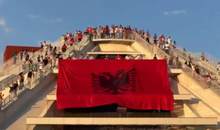

Video/ Marjana Koçeku leaves the SP and joins the protest against Rama
2026-06-20 20:19:13
Why are Albanian couples postponing the decision to have their first child?
2026-06-20 20:07:54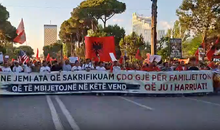

Protester to Rama: The first point of the contract is not to be you
2026-06-20 19:20:30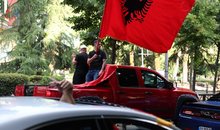

"Heart in Albania", New York Albanians protest against Rama
2026-06-20 18:42:34
Diaspora convoy parades past Rama's office
2026-06-20 18:25:08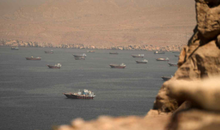
Tensions rise, Iran closes the Strait of Hormuz
2026-06-20 18:06:21
A ndikojnë syzet e diellit te hormonet? Ekspertët shpjegojnë çfarë thotë shkenca
2026-06-20 17:42:37


Severe heat wave over the weekend, temperatures reaching up to 39°C
2026-06-20 16:53:08

Switzerland confirms Iran-US talks are continuing
2026-06-20 16:11:07
Diaspora convoy arrives in Tirana, hundreds of cars enter the capital
2026-06-20 15:49:35

Fire in Karaburun, smoke invades the coastline
2026-06-20 14:54:48
Immigrants join the protest, kilometer-long convoy crosses Albania
2026-06-20 14:42:48
Balluk's driver's testimony: The villa in "White Rocks" belonged to the "boss"
2026-06-20 14:20:22
Malësi e Madhe/ 306 narcotic plants destroyed, two people arrested
2026-06-20 13:43:55
7 daily habits that are damaging your brain health
2026-06-20 13:23:06




Protesta e 21-të për largimin e Ramës, sot diaspora
2026-06-20 11:44:33
After warning residents, Kakomë's perimeter fence is removed
2026-06-20 11:19:09
Money Laundering, Tobacco: They are destroying the middle class
2026-06-20 11:00:31