
 Flash News
Accident in Germany, two Albanian sisters lose their lives (Names)
The resistance in front of the Prime Minister's Office continues, a group of protesters spend the night on the boulevard
Posta e mëngjesit/ Me 2 rreshta: Çfarë pati rëndësi dje në Shqipëri
The 22nd protest against Rama begins, thousands of citizens in the square
Pas Koçekut ikën Spiropali? Socialistja sfidon hapur Ramën: PS duhet të vetëpastrohet
UNDP sounds the alarm for the elderly, humanitarian crisis is looming

Politiko
2026-06-22 10:59:05
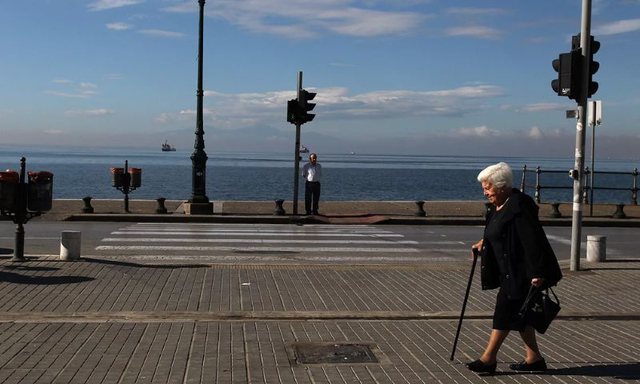
The aging population is increasingly changing the social structure in Albania, but in the meantime it is turning into a health and humanitarian crisis.
Data from the United Nations Development Programme for Albania (UNDP) in 2026 show that about 20% of the population is over 65 years old, and as this age group grows, the challenges for caring for them are increasing.
The family continues to be the main support, but its role is becoming more difficult. UNDP data shows that 43-49% of the elderly are cared for by a spouse and 32-45% of the rest are cared for by children.
However, this structure is being weakened by immigration and social changes. Men rely mainly on women for care, while older women are more exposed to loneliness and often left without support.
For a significant portion, the absence of family members is a daily problem. About 41% of the elderly who need constant help live far from their children or relatives, which makes it more difficult to meet basic needs.
Health status is another major challenge. Most older people suffer from chronic diseases, with 84% having cardiovascular problems, 76% physical limitations, and 61% arthritis.
One in five also faces mental health problems. At the same time, 68% of elderly people with high dependency do not feel safe in their homes. The situation is aggravated by the lack of public transportation for 61% of them, limiting access to health services, especially outside Tirana.
Economic hardship remains a strong barrier to accessing services. About 13% of seniors live on less than 10,000 lek per month, while 72% have an income between 10,000 and 30,000 lek. As a result, 67% say they cannot afford a private caregiver.
Public services are also failing to meet growing needs. Residential and day care centers are understaffed and do not always provide necessary services such as physiotherapy or dementia care, even though demand for them is high.
In this situation, the pressure is also reflected in the emotional state of the elderly. About 72% of those with high dependency report stress and anxiety, a problem that becomes more pronounced in those who live alone.
Data show that population aging is becoming a significant challenge for social policies, requiring more support and services for this category./ Monitor
Latest news


45-year-old man shot dead in Shijak, cousins face prison sentence
2026-06-22 11:51:27


How to exercise safely during high temperatures
2026-06-22 11:22:06
Greece tightens measures as number of children with ADHD increases
2026-06-22 11:10:35
UNDP sounds the alarm for the elderly, humanitarian crisis is looming
2026-06-22 10:59:05
British Prime Minister resigns
2026-06-22 10:44:04
Trump-backed candidate declared winner in Colombia's presidential election
2026-06-22 10:36:24
Accident in Germany, two Albanian sisters lose their lives (Names)
2026-06-22 10:31:11

Concrete is everywhere, Albania's tourist advantage is nature
2026-06-22 10:00:14

"Price increases expected in September", economic expert warns
2026-06-22 09:40:02


Rama closes his eyes to the citizenship lecture he is giving to the protesters
2026-06-22 09:04:06

Horoscope, what do the stars have in store for you today?
2026-06-22 08:32:12

Light rain in some areas, weather forecast for today
2026-06-22 08:00:18
Posta e mëngjesit/ Me 2 rreshta: Çfarë pati rëndësi dje në Shqipëri
2026-06-22 07:46:44

Protester reveals the figures: Rama has 200 million euros in "offshore" accounts
2026-06-21 21:39:26
Protester calls on Rama: Be a man for once in your life, resign
2026-06-21 21:15:03

Republika e ortakëve
2026-06-21 20:42:00
Rita Petro: Why Mimoza Ahmeti remains elusive to prejudices
2026-06-21 20:31:45


The 22nd protest against Rama begins, thousands of citizens in the square
2026-06-21 19:52:08


Israeli flag incident, activist: There are infiltrated groups among us
2026-06-21 19:14:44
Zodiac signs that change their mood in a second
2026-06-21 18:50:10
Albanian from Kosovo joins the protest: When Albania is not well, neither am I
2026-06-21 18:28:15

Protests/ Former socialist minister: Rama's fall is inevitable!
2026-06-21 17:46:45
Is it good to keep the shutters closed during hot days?
2026-06-21 17:01:35
DP condemns tearing down of Israeli flag: Criminal and anti-Semitic act
2026-06-21 16:40:17


Accident in Durrës, car overturns in the middle of the road
2026-06-21 15:39:54
Mandatory insurance for public works, the law is not enforced
2026-06-21 15:20:46
Summer viruses increase the influx in pediatrics
2026-06-21 15:05:19
The 10-Year Concrete Marathon; Chronicle of a Forewarned Cleanup
2026-06-21 14:54:29

Residents demolish fence blocking access to land after 22 years in Kakome
2026-06-21 13:58:45



An 11-year-old drowns while bathing in the sea on the beach of Durres
2026-06-21 12:09:26





Temperatures reach up to 33 degrees, check out the weather forecast
2026-06-21 09:53:19
China expands diplomatic presence in Tirana amid its global ambitions
2026-06-21 09:36:55

NATO Secretary General to visit US next week
2026-06-21 08:42:21
Who is Dr. Suzanne Huurman, the woman making history at the World Championships?
2026-06-21 08:20:07
Morning Post/ In 2 lines: What mattered yesterday in Albania
2026-06-21 08:00:30

Ruthless Netherlands destroy Sweden 5-1
2026-06-20 21:41:14




Video/ Marjana Koçeku leaves the SP and joins the protest against Rama
2026-06-20 20:19:13
Why are Albanian couples postponing the decision to have their first child?
2026-06-20 20:07:54

Protester to Rama: The first point of the contract is not to be you
2026-06-20 19:20:30

"Heart in Albania", New York Albanians protest against Rama
2026-06-20 18:42:34
Diaspora convoy parades past Rama's office
2026-06-20 18:25:08
Tensions rise, Iran closes the Strait of Hormuz
2026-06-20 18:06:21
A ndikojnë syzet e diellit te hormonet? Ekspertët shpjegojnë çfarë thotë shkenca
2026-06-20 17:42:37

Severe heat wave over the weekend, temperatures reaching up to 39°C
2026-06-20 16:53:08

Switzerland confirms Iran-US talks are continuing
2026-06-20 16:11:07
Diaspora convoy arrives in Tirana, hundreds of cars enter the capital
2026-06-20 15:49:35


Fire in Karaburun, smoke invades the coastline
2026-06-20 14:54:48
Immigrants join the protest, kilometer-long convoy crosses Albania
2026-06-20 14:42:48
Balluk's driver's testimony: The villa in "White Rocks" belonged to the "boss"
2026-06-20 14:20:22

Malësi e Madhe/ 306 narcotic plants destroyed, two people arrested
2026-06-20 13:43:55
7 daily habits that are damaging your brain health
2026-06-20 13:23:06