
 Flash News
Gjykojeni protestën nga kundërshtarët
Aksident në Greqi, ndërron jetë 16-vjeçari shqiptar
Protesta trazon PS-në/ Zegjineja e ‘meme-ve’ sulmon influenceren: Shëmtirë, diote. Balla kapet me Reuters
Vrasja në Paskuqan/ Autori është gjurmuar deri në Bovillë, ka braktisur mjetin
Publikoi tezën e Letërsisë 20 minuta pas nisjes së provimit, përjashtohet maturanti në Kukës
World Bank: Albanian economy to shrink by 5% due to COVID-19 outbreak

Politiko
30 Prill 2020, 17:17
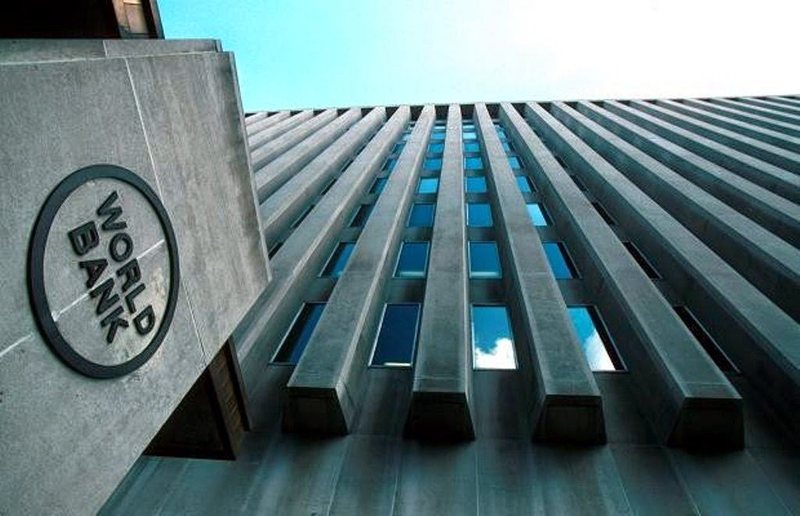
Albania’s economy is projected to contract by about 5% under the baseline scenario of how the COVID-19 pandemic unfolds in Europe, the World Bank (WB) stated on Wednesday presenting its semi-annual report on Southeast Europe. The baseline scenario assumes that that containment measures can be lifted by the end of June and gradual recovery can begin in the second half of 2020. The downside scenario assumes the outbreak lingers and containment measures can only be lifted at the end of August, with a recovery of economic activity only in the final quarter of 2020.
As for the entire Western Balkans region, the WB foresees that the economies of the six countries will contract between 3 to 5.6 percent. According to the WB, the recession in all Western Balkan countries will be driven by a significant drop in both domestic and foreign demand during the pandemic. Travel restrictions and social distancing measures have a particularly protracted impact on tourism and services, the latter accounting for around 50 percent of total employment in five countries in the region and 75 percent in Montenegro. Albania and Kosovo, the economies of which largely rely on service exports and tourism, will be hit significantly hard as their economies are projected to contract by about 5 percent, under the baseline scenario.
Bosnia, North Macedonia, and Serbia that have mostly export-oriented economies are expected to experience a slightly less significant slowdown; their economies may contract by 3.2 percent, 1.4 percent, and 2.5 percent respectively. On the other hand, under the downside scenario, Albania’s economy is expected to shrink by 6.9 percent while Kosovo’s economy would shrink by 11.3 percent. Linda Van Gelder, the WB Regional Director for Western Balkans, said that over the medium-term, growth is expected to rebound strongly in the region, as economic activity gradually returns to normal, but this also depends on the length and intensity of the current crisis, as well as what steps policymakers take to address this pandemic. According to the report, additional support may be necessary to support all vulnerable groups in the region. Policy responses should, therefore, be calibrated to mitigate the immediate effects, adjust to new realities that may emerge, and to leave space to prepare the economy for recovery.
Të fundit

"Rama jepe dorëheqjen!”, mijëra protestues vijojnë marshimin në rrugët e Tiranës
9 Qershor 2026, 22:30



Pas tri orësh para Kryeministrisë, protestuesit nisin marshimin nëpër rrugët e Tiranës
9 Qershor 2026, 20:53
Aktori i njohur nga protesta: Ika nga Shqipëria sepse nuk doja të shisja shpirtin
9 Qershor 2026, 20:32
“Vetëm hëna të ka ngel pa vjedh”, mesazhe të forta ndaj qeverisë me pankartat pikante
9 Qershor 2026, 20:12
Meçollari akuza nga protesta: Në Palasë dhe Dhërmi është tjetërsuar mjedisi
9 Qershor 2026, 19:38
Reuters: Brukseli kritikon Tiranën për Zvërnecin, mjedisi kusht për anëtarësimin në BE
9 Qershor 2026, 19:19


Gjykojeni protestën nga kundërshtarët
9 Qershor 2026, 18:20
Pas katër seancash, Ilir Beqaj përmbyll kërkesat paraprake
9 Qershor 2026, 18:11

OKB mesazh për Iranin, Libanin dhe Gazën: Respektoni armëpushimet
9 Qershor 2026, 17:06
10 ditë që tronditën “sistemin”
9 Qershor 2026, 16:53
Operacion anti-drogë në pesë qytete të Kosovës, 5 të arrestuar
9 Qershor 2026, 16:44
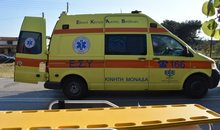
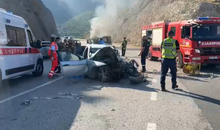
Aksident në Greqi, ndërron jetë 16-vjeçari shqiptar
9 Qershor 2026, 16:25
Komisioni Evropian: Ministri i Mjedisit na tha se punimet janë pezulluar në Zvërnec!
9 Qershor 2026, 16:14
Rama 'përplaset' me gazetaren rumune: U kanë bllokuar trurin!
9 Qershor 2026, 16:13
“Revolucioni i Flamingove” përplas Ramën me Iranin
9 Qershor 2026, 15:56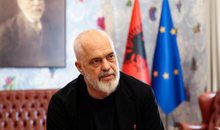

Ky është Armand Shakaj, i dyshuar si autor i zhdukjes së Eglant Koçit
9 Qershor 2026, 15:30
Senatori demokrat Bernie Sanders: Populli po i thotë JO oligarkisë globale në Shqipëri!
9 Qershor 2026, 15:17

Paqja globale, në rënie për të 12-in vit radhazi, Shqipëria renditet e 36-ta në botë
9 Qershor 2026, 14:47
Prokuroria e Vlorës sekuestron 5 mln euro pasuri
9 Qershor 2026, 14:29
Foto/ Dyshohet se u rrëmbye, kjo është fotoja e fundit 34-vjeçarit para zhdukjes
9 Qershor 2026, 14:20
Kopjac i Vuçiçit dhe në krizë
9 Qershor 2026, 14:11
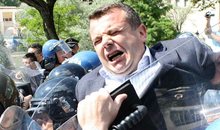


Zhdukja e Eglant Koçit, arrestohet një person me urdhër të Prokurorisë
9 Qershor 2026, 13:23

Protesta përplas Ramën me mediat botërore, rreziku i krizës së imazhit!
9 Qershor 2026, 13:01

Dhunuan drejtorin e AKU-së në Shkodër, arrestohet njëri prej autorëve
9 Qershor 2026, 12:43
Eksperti i sigurisë ngre alarmin: Grupet kriminale strehohen në zonat e Kamzës!
9 Qershor 2026, 12:36
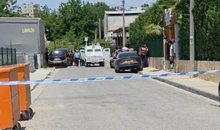
Vrasja në Paskuqan/ Autori është gjurmuar deri në Bovillë, ka braktisur mjetin
9 Qershor 2026, 12:24
Kush e komandon sot Edi Ramën?!
9 Qershor 2026, 12:14
Rama del 'blof'/ Si po i përqafojnë turistët e huaj protestat në Shqipëri
9 Qershor 2026, 12:00



Si e bindi Rama Perëndimin se fati i Shqipërisë lidhet me emrin e tij
9 Qershor 2026, 11:20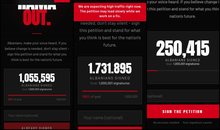



Berisha në konferencën e EPP: Shqipëria ndodhet në sallën e urgjencës
9 Qershor 2026, 10:27
Nga kullat te lumenjtë: kostoja e padukshme e etheve të ndërtimit
9 Qershor 2026, 10:04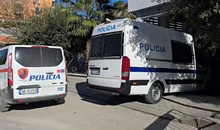
Operacioni në Vlorë, zbardhen emrat e 6 të arrestuarve
9 Qershor 2026, 09:44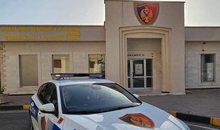

Këmbimi valutor, me sa shiten dhe blihen monedhat e huaja sot
9 Qershor 2026, 09:26
Transmetoi 'live' protestën, Balla sulmon Reuters: Kanë hall tjetër, jo Shqipërinë
9 Qershor 2026, 09:13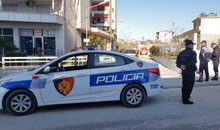
Policia zbarkon në Vlorë, disa të arrestuar, mes tyre një i kërkuar ndërkombëtarisht
9 Qershor 2026, 08:56
Horoskopi, njihuni me parashikimin e yjeve
9 Qershor 2026, 08:40
Shpopullimi alarmant/ Në një vit, Shqipërisë i ikin 33 mijë të rinj
9 Qershor 2026, 08:28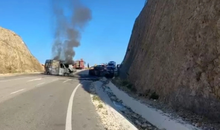

Mot i paqëndrueshëm dhe vranësira, parashikohen reshje shiu në disa zona
9 Qershor 2026, 07:59
Posta e mëngjesit/ Me 2 rreshta: Çfarë pati rëndësi dje në Shqipëri
9 Qershor 2026, 07:45

Kritikoi Ramën, Zegjine Çaushi sulmon influenceren: Të bësh ironi ti shëmtirë...
8 Qershor 2026, 22:37

Nard Ndoka jep lajmin: Sali Berishës i është hequr “non grata”
8 Qershor 2026, 21:59


Rekord firmash në peticionin “Rama Out”, mbi 1 mln e 700 mijë nënshkrime nga shqiptarët
8 Qershor 2026, 20:59
Notarja Eva Buzo i bashkohet protestës: Jeni frymëzues, bota po e dëgjon zërin tuaj!
8 Qershor 2026, 20:48
Kaja Kallas propozon diplomaten portugeze si ambasadore të BE-së në Shqipëri
8 Qershor 2026, 20:28

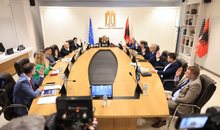

Shqiptarët kërkojnë dorëheqjen e Ramës, Reuters raporton “live” protestën nga Tirana
8 Qershor 2026, 19:07


35-vjetori i PS-së, Rama pritet me protesta në Shkodër
8 Qershor 2026, 18:07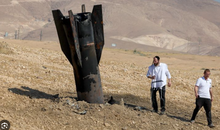
Tensione mes Iranit dhe Izraelit, BE: Rajoni i bllokuar mes luftës dhe armëpushimeve
8 Qershor 2026, 17:42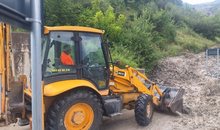
Shi dhe rrëshqitje dherash në aksin Moglicë–Gramsh, kufizohet qarkullimi në një krah
8 Qershor 2026, 17:21
Mosha e pensionit akoma më e vështirë se jeta në punë
8 Qershor 2026, 17:03
Zgjedhjet në Kosovë, asambleja parlamentare e KE: Pati ndërhyrje nga Serbia
8 Qershor 2026, 16:54
Euro e nis javën në rënie të mëtejshme, zbret drejt pragut të 95 lekëve
8 Qershor 2026, 16:34
Sondazh/ A mendoni se protestat e fundit kanë dëmtuar imazhin e qeverisë Rama?
8 Qershor 2026, 16:22
Boçi: Mazhoranca po bllokon debatin për ligjin që ndalon propagandën gjinore tek fëmijët
8 Qershor 2026, 16:15
Vrasja në Kamëz, autori qëlloi me 10 plumba, në shënjestër ishte edhe shoku i viktimës
8 Qershor 2026, 16:07
Nga kullat te lumenjtë/ Kostoja e padukshme e etheve të ndërtimit
8 Qershor 2026, 15:56

Miratohet në parim amnistia penale, 380 të dënuar lirohen mënjëherë
8 Qershor 2026, 15:11
Abuzimet me fondet “SASPAC”, Apeli lë në burg Ilir Beqajn
8 Qershor 2026, 14:58
FIFA ndryshon traditën historike, ja si do të prezantohen skuadrat në Botërorin 2026
8 Qershor 2026, 14:46
U vra pas një konflikti në Kamëz, ky është 27-vjeçari që u nda nga jeta
8 Qershor 2026, 14:43
Të shtëna me armë zjarri në Velipojë
8 Qershor 2026, 14:38