 Flash News
Photo/ This is the perpetrator of the murder of the 27-year-old in Paskuqan
Daytime murder in Kamëz, police react: No others injured in the incident
Details from the incident in Kamëz, how the fight after the soccer match ended in murder
Shooting in Kamëz, injured person dies in Trauma
Gunshot wound in Kamza
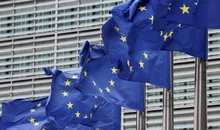
EU: Elections in Kosovo pave the way for overcoming political deadlock

Politiko
2026-06-08 12:33:32
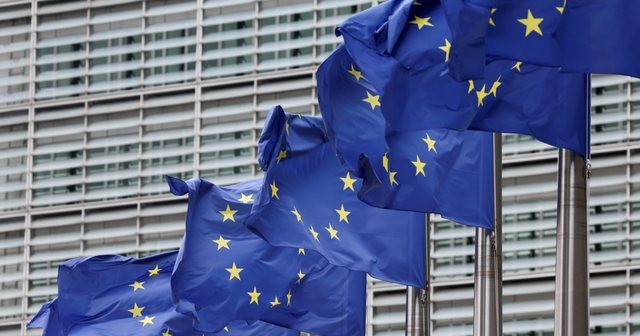
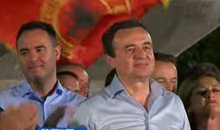
The European Union's High Representative for Foreign Affairs and Security Policy, Kaja Kallas, said that democratic and inclusive elections in Kosovo create the opportunity to end more than a year of political deadlock.
According to her, it is now up to political leaders to act constructively to ensure the functioning of institutions.
"Democratic and inclusive elections in Kosovo pave the way for turning the page after more than a year of political deadlock. Political leaders must now engage constructively to ensure the rapid formation of a government," Kallas wrote on the X platform.
Early parliamentary elections in Kosovo were held on June 7, with a turnout of around 35% of the electorate.
Preliminary results, published by the Central Election Commission, put the party of incumbent Prime Minister Albin Kurti, the Vetevendosje Movement, in first place - with 42.91% of the vote.
Following it are: the Democratic Party of Kosovo with 21.08%, the Democratic League of Kosovo with 17.60%, the Alliance for the Future of Kosovo with 7.17% and the Serbian List with 6.17%.
After declaring victory, Kurti left open the possibility of talks and cooperation with other parties.
Kallas also emphasized that progress in the Kosovo-Serbia dialogue and the normalization of relations between the two countries remains essential for Kosovo's advancement on the European path.
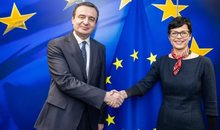
Earlier, EU Enlargement Commissioner Marta Kos congratulated the leader of the Vetëvendosje Movement, Kurti, on his victory in the elections, while also emphasizing the need for cooperation between political forces.
"For Kosovo to move forward on its path towards the EU, political forces must now unite and find compromise to build institutional stability," Kos wrote on the X platform.
She added that she looks forward to visiting Kosovo to intensify work on European integration and continued support through the EU Growth Plan.
The June 7 elections were held after the Kosovo Assembly failed to elect a new president - which automatically led to the dissolution of the legislative institution.
They were the third elections in less than a year and a half, following regular elections on February 9, 2025, and another pair of snap elections on December 28.
The first elections failed to produce a government, while the second, although they provided the Vetëvendosje Movement with over 51% of the votes, did not bring an agreement on the election of the president, according to a decision of the Constitutional Court./ REL
Latest news
Photo/ This is the perpetrator of the murder of the 27-year-old in Paskuqan
2026-06-08 13:59:22
Rama appears in a miniskirt, commentators 'massacre' him: Is the boy sick?
2026-06-08 13:46:47
Daytime murder in Kamëz, police react: No others injured in the incident
2026-06-08 13:21:38
DP takes the "anti-Rama package" to Parliament, demands the repeal of 4 laws
2026-06-08 13:02:58
EU: Elections in Kosovo pave the way for overcoming political deadlock
2026-06-08 12:33:32
Shooting in Kamëz, injured person dies in Trauma
2026-06-08 12:17:24
Berisha publishes video: 2 million slaps will come to Rama from Albanians
2026-06-08 12:09:26
Gunshot wound in Kamza
2026-06-08 12:00:47

Bullets on the police 'Eagles', how officer Enea Mekollli was killed by 5 shots
2026-06-08 11:44:05
EU 'scolds' Rama for Zvërnec: Protect nature before you destroy it
2026-06-08 11:14:01
Journalist warns: Campaign to remove students from protest has begun
2026-06-08 11:00:46
Albanian drug trafficker "Maradona" buys his freedom with 1.5 million euros
2026-06-08 10:31:34

Foreign exchange, how much foreign currencies are sold and bought today
2026-06-08 09:27:27
From Tirana to Toronto, Albanians in Canada join calls for Rama's removal
2026-06-08 09:12:05
Horoscope, what do the stars have in store for you today?
2026-06-08 08:15:47
Sun and high temperatures, the weather forecast for this Monday
2026-06-08 07:59:00
Morning Post/ In 2 lines: What mattered yesterday in Albania
2026-06-08 07:46:35
Rama complains about insults after the meeting in Elbasan: B*tcheater, thief
2026-06-07 22:18:16
New waves of attacks on Israel, Iran launches missiles
2026-06-07 21:55:36
Zodiac signs that always do things their way
2026-06-07 21:37:47
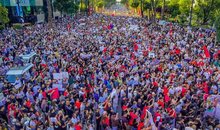
Protesters 'occupy' the streets of Tirana, motorcyclists join citizens
2026-06-07 21:24:27
Over 40% of votes counted, Vetëvendosje leads with over 41%
2026-06-07 21:03:53

VIDEO/ Rama 'goes crazy', goes off-script with unusual gestures
2026-06-07 20:20:38
Vote counting begins in Kosovo, first results published
2026-06-07 19:57:55

Exit polls after Kosovo elections are out, Albin Kurti leads with 42%
2026-06-07 19:31:58
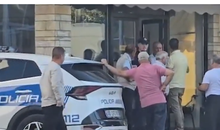
Gunshot wound in Shijak, names emerge. Bar owner injured, perpetrator on the run
2026-06-07 19:00:13
Rama threatens bloggers: They don't even give 1 euro in tax to the state
2026-06-07 18:48:09
Gunshots in Shijak
2026-06-07 18:33:13
Rama interrupts speech over slogan against Zvërnec: Put him down
2026-06-07 18:20:11
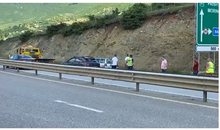
Chain accident in Morina-Kukës
2026-06-07 17:42:58


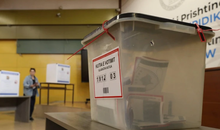
Elections in Kosovo/ By 15:00 turnout 22.74%
2026-06-07 16:18:03
Këlliçi: Rama insulted protesters, his arrogance and corruption must go away
2026-06-07 15:29:59
Zodiac signs that never give up on love
2026-06-07 15:12:18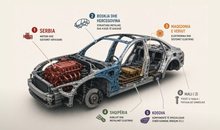
How the Western Balkans became Europe's "factory"... what comes next?
2026-06-07 14:52:17
Violand Braçellari, who killed the policeman, is left in prison
2026-06-07 14:30:40
Armenians vote on country's future between East and West
2026-06-07 13:51:13
Former Republican Guard officer found dead in Mat River
2026-06-07 13:00:13
Strong tremors in Athens, two earthquakes one after the other
2026-06-07 12:41:55
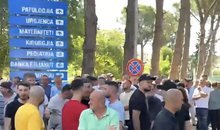
Protest in Lushnje over hospital conditions: citizens denounce state negligence
2026-06-07 11:41:43
Tirana/ Over 1 kg of heroin seized, two arrested
2026-06-07 11:24:28


Elbasan's 22-year-old striker dies in accident
2026-06-07 09:47:09
Foreign exchange, the rate at which foreign currencies are sold and bought
2026-06-07 09:29:35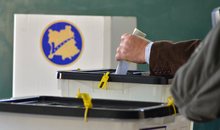
Albania, the automotive industry, between growth and loss of low-cost advantage
2026-06-07 08:54:15
Horoscope, get to know the star forecast
2026-06-07 08:34:25
Weather forecast, what are the temperatures expected to be like today?
2026-06-07 08:17:02
Morning Post/ In 2 lines: What mattered yesterday in Albania
2026-06-07 07:56:42
Aksident në aksin Fier–Levan, tre persona përfundojnë në spital
2026-06-06 21:57:40
How to save money during summer vacation?
2026-06-06 21:30:03
Luxembourg punishes Albania in the 8th minute
2026-06-06 20:39:18
Teacher in protest: Gratitude to Trump and the US for uprooting the Sorosites
2026-06-06 20:17:53

Putin rejects Zelensky's proposal for a meeting
2026-06-06 18:39:37



Germany on alert, Neuer in doubt for World Cup
2026-06-06 17:16:09
Even after the crisis, expensive oil remains a challenge for Albania
2026-06-06 16:52:57
Accident on the Pogradec-Qafë Thanë axis, two injured
2026-06-06 16:30:28
Albanians work 41 hours a week, but one hour of work produces only 995 lek
2026-06-06 16:12:47