 Flash News
World Cup 2026/ USA starts with a spectacle, Americans dominate Paraguay with four goals
Weather forecast, how temperatures will vary throughout the day
Stop eating like this now!/ Alimehmeti breaks myths about the modern diet
'Spicy' banners from citizens' protest: This government has expired
The accident where the 3-year-old lost his life, residents speak out: The mother was crying over the child
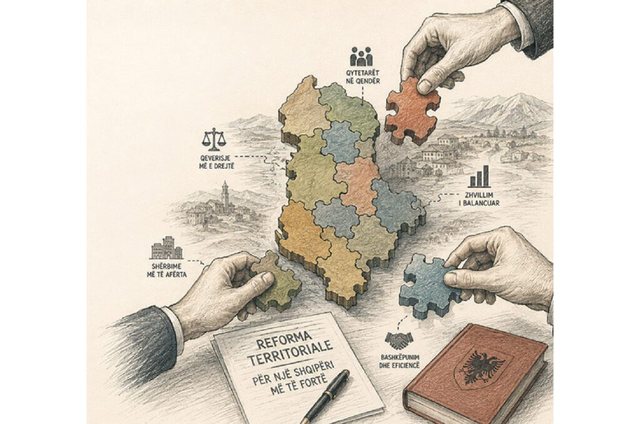
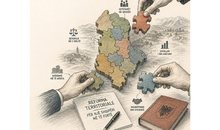
Territorial reform in Albania has once again become the focus of public and political debate. But, as is often the case with major state issues, this time too, the discussion risks becoming hostage to electoral interests, instead of serving as a platform for building a functional, fair and long-term local government for citizens.
After the 2014 experiment, which brought about the new division into 61 municipalities by merging over 300 communes, with this year's changes, the concern is not only how many municipalities are needed, but what kind of local government is needed and how it can improve the lives of citizens in remote areas of the country that are being rapidly abandoned.
Now, as the government and opposition draft is in the consultation phase with communities, independent experts call for prudence beyond political interests.
Afrim Krasniqi, from the Institute for Political Studies (ISP), says that this time the debate on the reform lacks international expertise, unlike in 2014, as the reform is being carried out under the pressure of time. “As ISP, we have seen European models and such reforms take 2-5 years of debate, here the parties want to do it within five months.
"Even this important detail shows that the reform remains fragile and does not ensure that it can be more functional than what we experimented with," he said.
Essentially, countries like Albania have difficulties in political culture and human resources for major reforms, this was also seen in the Justice Reform, but we needed to have some stable criteria and standards, like Croatia, Slovenia, North Macedonia and other regional countries comparable to us.
The Socialist Party, in its version of the reform, which is now in the consultation phase, aims to maintain the current territorial division by reviewing functions and funding according to merit and not according to the real needs of the communities.
The opposition's proposal, according to the co-chairman for Territorial Reform, Luciano Boçi, is based on a completely new division with more than 92 municipalities, taking into account four main criteria. The demographic criterion, which calculates a minimum population size that ensures functionality, but without making it absolute in remote areas.
The economic and fiscal criterion, which analyzes whether the area has its own resources, development potential in agriculture, tourism, forests and natural resources. The criterion of citizen access to services, preventing cases where the citizen loses a working day for a certificate or license and the criterion of territorial identity and historical representation of the areas that were deleted in 2014.
Gerta Loku, a member of the Municipal Council in Mirdita and a livestock farmer, proposes that a significant percentage of profits from natural resources near local communities be transferred directly to the municipality.
Ajo kërkon që fondet të mos shpërndahen vetëm mbi bazën e numrit të popullsisë, por të llogariten edhe metrat katrorë të territorit nën menaxhim. Kjo do të siguronte infrastrukturë dhe shërbime jetike si dritat dhe rrugët edhe për zonat me rënie drastike demografike.
Florian Bjanku, anëtar i Këshillit Bashkiak në Shkodër, ofron një qasje më strukturore dhe institucionale, duke propozuar krijimin e një niveli të dytë funksional të vetëqeverisjes vendore, siç është rajoni apo qarku me kompetenca reale.
Ai argumenton se sistemi aktual i kufizuar vetëm në nivel bashkish është i cunguar dhe i fragmentuar, pasi bashkitë sillen si njësi të izoluara pa koordinim rajonal.
Z. Bjanku propozon që ky nivel i ndërmjetëm të ketë autoritet ligjor, instrumente financiare dhe legjitimitet për të ndërtuar politika zhvillimi në shkallë më të gjerë, duke integruar sektorët e infrastrukturës, e turizmit dhe mjedisit.
Sipas Gent Kapratës, profesor urbanist, çështja kryesore e reformës nuk duhet të jenë vetëm kufijtë, por çfarë funksionesh, kompetencash, burimesh dhe përgjegjësish do të ketë niveli vendor. Numri i bashkive nuk duhet të jetë pikënisja e reformës, por përfundimi logjik i saj, i dalë nga analiza e funksioneve që çdo nivel qeverisjeje duhet të kryejë.
Propozimi i mazhorancës, konsolidimi funksional
Qëndrimi zyrtar dhe varianti kryesor i propozuar nga mazhoranca qeverisëse, e përfaqësuar nga Partia Socialiste, bazohet plotësisht në ruajtjen e strukturës aktuale me 61 bashki. Qeveria fokusohet tërësisht te konsolidimi i tyre funksional dhe institucional, duke përjashtuar çdo lloj ndryshimi të hartës gjeografike apo të ndarjeve të reja territoriale.
Përmes këtij varianti, qeveria ka mbrojtur ndarjen e realizuar në vitin 2014, duke argumentuar se kthimi pas ose copëtimi i mëtejshëm i bashkive do të sillte rritje të pashmangshme të kostove administrative dhe do të dëmtonte eficiencën e menaxhimit të përgjithshëm të territorit. Sipas platformës së qeverisë, harta aktuale u jep mundësi reale bashkive të kenë një masë kritike popullsie dhe burimesh për të ofruar shërbime publike cilësore.
Propozimi i qeverisë ka në fokus një reformë të thellë strukturore dhe financiare brenda sistemit ekzistues dhe kategorizimit të 61 bashkive ekzistuese, duke u bazuar tek ecuria e tyre financiare dhe menaxhuese.
Sipas këtij plani, bashkitë që performojnë mirë dhe tregojnë qëndrueshmëri do të marrin më shumë autonomi vendimmarrëse, ndërsa ato njësi që shfaqin probleme financiare apo borxhe të larta do të kalojnë nën monitorim të qeverisë dhe do t’u nënshtrohen planeve të rrepta të riorganizimit.
Një tjetër shtyllë e rëndësishme e variantit të qeverisë është decentralizimi financiar i orientuar nga performanca fiskale. Kjo nënkupton ofrimin e një asistence të shtuar dhe të posaçme për të gjitha ato bashki të vogla që nuk sigurojnë dot të ardhura të mjaftueshme nga mbledhja e taksave lokale.
Qeveria propozon rishikimin e formulës së grantit të pakushtëzuar që jepet nga buxheti i shtetit, me qëllim që të ndihmohen zonat më të prapambetura të vendit, pa pasur nevojë që ato të ndahen në njësi administrative më vete apo të krijojnë zyra të reja administrative.
Digjitalizimi i shërbimeve lokale dhe nxitja e shërbimeve ndërbashkiake përbëjnë një tjetër aks strategjik të mazhorancës. Qeveria synon shmangen e burokracisë përmes kalimit të shërbimeve lokale në platforma digjitale si e-Albania.
Në të njëjtën kohë, promovohet koncepti i shërbimeve të përbashkëta ndërbashkiake, siç është menaxhimi i mbetjeve urbane apo menaxhimi i ujësjellësve në nivel qarku ose rajoni, duke përfshirë edhe konceptin e bashkëmenaxhimit me privatët.
Sipas propozimit të mazhorancës, kjo do të bëjë që bashkitë e vogla të përfitojnë drejtpërdrejt nga ekonomia e shkallës, pa pasur nevojë të ndryshojnë kufijtë e tyre elektoralë apo administrativë. Qeveria synon mbajtjen e 61 bashkive, por me një reformë të thellë në menaxhim, financim dhe digjitalizim.
Propozimi i opozitës: Rishikim rrënjësor i hartës dhe i funksioneve
Platforma politike dhe teknike e Partisë Demokratike për reformën e re territoriale propozon qasje krejtësisht të ndryshme, duke synuar shtimin e numrit të bashkive në 92 të tilla ose më shumë dhe rikthimin e disa ish-komunave apo zonave rurale si njësi më vete.
Bashkëkryetari i reformës, deputeti i Partisë Demokratike, Luçiano Boçi, sqaron me detaje se kjo platformë nuk është ndërtuar mbi një prag mekanik të thjeshtë që bazohet vetëm mbi numrin e banorëve, pasi Shqipëria nuk paraqet një territor uniform. Një zonë malore, kufitare apo rurale nuk mund të matet kurrsesi me të njëjtin kut si një zonë urbane pranë Tiranës, Durrësit apo Fierit.
Opozita merr në konsideratë katër kritere kryesore shkencore dhe sociale për të vendosur vijën e re ndarëse.
Kriterin demografik, ku llogaritet një masë minimale popullsie që siguron funksionalitetin, por pa e bërë atë absolut në zonat e thella.
Kriterin ekonomik dhe fiskal, që analizon nëse zona ka burime të veta, potenciale zhvillimi në bujqësi, turizëm, pyje e pasuri natyrore për të mos qenë vetëm një zyrë pagash.
Kriterin e aksesit të qytetarit te shërbimi, duke parandaluar rastet ku qytetari humb një ditë pune për një certifikatë apo licencë, dhe kriterin e identitetit territorial e përfaqësimit historik të zonave që u fshinë në vitin 2014.
Mbi këtë bazë analitike, Partia Demokratike ka ndërtuar tri alternativa konkrete për zhvillimin e reformës.
Alternativa e parë fokusohet te rikthimi i afërsisë dhe përfaqësimit te qytetari, gjë që parashikon rritjen e numrit të bashkive në të gjitha ato zona ku ka një mungesë të theksuar shërbimesh.
Kjo alternativë vendos si kritere që distanca të jetë mbi 15-20 kilometra nga qendra e bashkisë, e shprehur në kohë rreth 30 minuta udhëtim, si dhe një popullsi prej 4000-6000 banorësh në zonat fushore dhe 1500 banorësh në ato malore, sipas standardit europian.
Kjo alternativë rikthen shërbimet bazë dhe frenon shpopullimin pa krijuar kosto të larta nëse shoqërohet me rishpërndarje funksionesh.
Alternativa e dytë propozon një hartë të re funksionale, duke kombinuar krijimin e bashkive të reja me një rishpërndarje të funksioneve në qarqe. Kjo qasje hibride krijon bashki të reja aty ku ka boshllëk shërbimesh dhe rishpërndan funksionet strategjike si planifikimi, mjedisi dhe emergjencat në nivel qarku, duke nxitur një autonomi fiskale të rritur për bashkitë e reja.
Alternativa e tretë parashikon decentralizimin real, që përfshin krijimin e bashkive të reja të shoqëruara me ndërtimin e 6 deri në 8 rajoneve të mëdha, ose duke ruajtur 12 qarqet aktuale me funksione të kufizuara.
Në këtë skenar, bashkitë marrin shumicën e kompetencave, ndërsa rajoni apo qarku kufizohet vetëm në tri funksione të qarta: planifikim territorial, koordinim emergjencash dhe projekte ndërbashkiake.
Propozimi synon që rajonet të jenë niveli i dytë i qeverisjes vendore, me buxhet të vetin të siguruar nga transfertat e shtetit, të ardhurat kombëtare të ndara dhe fondet europiane.
Reforma që kërkojnë këshilltarët bashkiakë nga terreni
Përfaqësuesit e këshillave bashkiakë i kanë analizuar sfidat e qeverisjes lokale dhe reformës që duhet kryer nga këndvështrimi gjeografik.
Gerta Loku, anëtare e këshillit bashkiak në Mirditë dhe blegtore, vë theksin te nevoja urgjente për të rishikuar ndarjen e përfitimeve nga pasuritë natyrore ujore dhe minerale me pushtetin vendor dhe komunitetet lokale. Ajo propozon që një përqindje e konsiderueshme e fitimeve nga këto burime t’i kalojë drejtpërdrejt bashkisë, duke ndalur praktikën ku pothuajse çdo gjë përfundon në pushtetin qendror.
Sipas saj, zonat që mbajnë barrën e prodhimit të energjisë elektrike apo të shfrytëzimit nëntokësor, duhet të kenë përparësi ekonomike.
Një propozim specifik i saj lidhet me çmimin e energjisë, ku banorët e zonave burimore duhet ta paguajnë atë më pak se konsumatorët e tjerë, si një formë dëmshpërblimi për ndikimet mjedisore si mjegulla e krijuar nga liqenet artificiale.
Znj. Loku kërkon gjithashtu rritjen e rentës minerale, duke argumentuar se shfrytëzimi i nëntokës në Mirditë, Bulqizë apo Martanesh duhet të përkthehet në mirëqenie lokale dhe jo në shifra qesharake për buxhetet e bashkive.
Një pikë tjetër e rëndësishme e propozimit të saj është ndryshimi i formulës së financimit nga pushteti qendror. Ajo kërkon që fondet të mos shpërndahen vetëm mbi bazën e numrit të popullsisë, por të llogariten edhe metrat katrorë të territorit nën menaxhim.
Kjo do të siguronte infrastrukturë dhe shërbime jetike si dritat dhe rrugët edhe për zonat me rënie drastike demografike, duke parandaluar kthimin e tyre në zona fantazmë. Nëse do të rikrijoheshin komunat apo njësitë administrative, ajo propozon që ato të kenë pavarësi dhe fuqi të plotë ekonomike për të shmangur varësinë totale nga kryetari i bashkisë qendrore.
On the other hand, Florian Bjanku, a member of the Municipal Council in Shkodra, offers a more structural and institutional approach, proposing the creation of a second functional level of local self-government, such as a region or district with real competences. He argues that the current system, limited only to the municipal level, is truncated and fragmented, as municipalities behave as isolated units without regional coordination.
Mr. Biancu proposes that this intermediate level should have legal authority, financial instruments, and legitimacy to build development policies on a larger scale, integrating the infrastructure, tourism, and environmental sectors.
Through the case of Shkodra, he illustrates that large hybrid territories cannot be managed effectively without a coordinating structure that unifies tourism strategies from the Alps to the coast and manages environmental systems such as Lake Shkodra and the Buna River.
In the context of European integration, Mr. Biancu proposes that territorial organization adapt to the logic of the European Union's cohesion policies, which are based on the concept of the region as a functional space.
This new regional structure would enable the effective absorption of European funds, such as the IPA cross-border cooperation programs, by creating large, integrated projects with Ulcinj or Podgorica, instead of sporadic and fragmented initiatives. He also proposes increasing the role of local self-government to curb the tendency of centralizing the management of funds by the central government.
In the political and constitutional dimension, Mr. Biancu proposes the idea of regions with elected leaders and clear executive powers. He emphasizes that reform should not be just a technical process of redistributing borders on the map, but a profound review of the structure of power.
To ensure that change is not solely a function of electoral balances or political advantages of the moment, he proposes the systematic and structured involvement of local actors, including universities, local experts, business representatives and the community itself, ensuring that decision-making does not remain a project imposed exclusively from the top down./ Monitor
Latest news


Territorial reform, battle for borders or for governance
2026-06-13 09:00:26
Horoscope, discover the star forecast for your sign
2026-06-13 08:39:34
Weather forecast, how temperatures will vary throughout the day
2026-06-13 08:19:26
Morning Post/ In 2 lines: What mattered yesterday in Albania
2026-06-13 07:56:59
EU paves the way for Ukraine and Moldova to join
2026-06-12 22:07:27
Fire in an apartment in Vlora
2026-06-12 21:52:12
Stop eating like this now!/ Alimehmeti breaks myths about the modern diet
2026-06-12 21:32:30
Tensions at the protest, citizens clash with SP supporters
2026-06-12 21:18:18
Knife wound in Vlora/ One person is urgently transported to hospital
2026-06-12 20:59:13
SPAK closes investigations into socialist mayor Erion Isai
2026-06-12 20:42:16
'Spicy' banners from citizens' protest: This government has expired
2026-06-12 20:19:46
Law on Protected Areas, Civil Society Boycotts Consultation Processes
2026-06-12 19:46:37

Kosovo remains "blocked" in European integration
2026-06-12 19:00:57
Thousands of citizens demand his removal, Rama: Influenced by disinformation
2026-06-12 18:49:56
Goditja e 2 grupeve kriminale nga SPAK, Bardhi: Të hetohet roli i Ramës
2026-06-12 18:16:04
Businessman Ilir Shtufi arrested in Greece on money laundering charges
2026-06-12 17:30:42

A Secretary of State who elevates the United States of America
2026-06-12 16:58:04
The economy is pushing young people to become parents later
2026-06-12 16:40:37

Facebook down for millions of users
2026-06-12 16:08:21
Maliq, 12-year-old boy found dead in apartment
2026-06-12 16:02:47
Rama donates the "Zyber Hallulli" Children's Home to build a 35-story tower
2026-06-12 15:40:32
I ate the grass, did you?
2026-06-12 15:22:18
Peqin Prison like Dubai, Artan Hoxha releases video: 7-star hotel cell
2026-06-12 15:01:07
Heat wave is coming, thermometer expected to reach up to 35°C
2026-06-12 14:50:05

Why is the birth rate falling? Two new studies blame smartphones
2026-06-12 14:37:35
Inversion of the population pyramid, more retirees than young people in work
2026-06-12 14:19:21
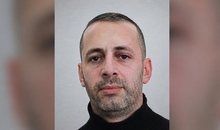
Photo/ Who is Luçiano Koçeku, the 'head' of the drug gang hit by SPAK?
2026-06-12 13:32:43
They had rented apartments for prostitution, 3 foreigners arrested in Tirana
2026-06-12 12:19:38



SPAK operation, arrest warrants issued revealed; who are the people targeted?
2026-06-12 10:31:45

SPAK operation, 20 security measures executed, businessman in handcuffs
2026-06-12 09:55:39

Foreign exchange, how much foreign currencies are sold and bought today
2026-06-12 09:07:19

Horoscope, what do the stars have in store for you today?
2026-06-12 08:43:15

Cloudy and light rain, weather forecast
2026-06-12 08:12:28
Posta e mëngjesit/ Me 2 rreshta: Çfarë pati rëndësi dje në Shqipëri
2026-06-12 07:55:47
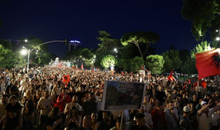
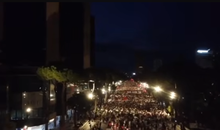
Protesters 'challenge' the World Cup, a flood of people in the streets of Tirana
2026-06-11 22:01:36
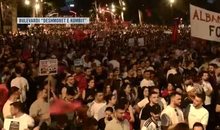
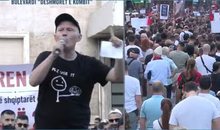
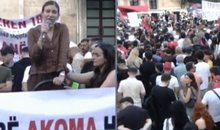
"We spent everything on hospitals," young woman bursts into tears in protest
2026-06-11 20:09:50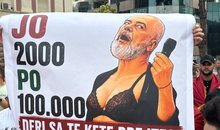
"Edi, the end is coming", the spicy banners of the 12th protest
2026-06-11 19:50:44
DASH reacts to the lifting of the "non grata" measure against Sali Berisha
2026-06-11 19:27:27
From Germany on the protest in Tirana: We will not stop until there is change
2026-06-11 18:38:52
Serbia risks EU security by granting Russians citizenship
2026-06-11 18:07:47
"The Guardian" chooses the protest in Tirana as "Photo of the Day"
2026-06-11 17:17:01

10 myths about cleaning that you should stop believing
2026-06-11 16:19:47
Peter Lucas in the Boston Herald: "Rama Government", the best that money can buy
2026-06-11 16:14:17
The Democratic Party releases the 'dossier' of Rama's 13 years of government
2026-06-11 15:37:52
Directors of Serbian institutions in Kosovo released from detention
2026-06-11 15:17:18
Correcting an injustice...
2026-06-11 14:59:47
Non grata from Tirana, the chronology of a history of manipulation
2026-06-11 14:50:22
TNT explosion near Nikulaj family, one of the suspected perpetrators arrested
2026-06-11 14:19:52
GJKKO convicts 12 defendants for terrorism and participation in the war in Syria
2026-06-11 14:09:30
e-Albania in healthcare: The challenges faced by citizens
2026-06-11 13:58:21
Heroin from the Republic of Macedonia to Albania, 2 people arrested
2026-06-11 13:49:17
The World Cup starts tonight, 48 teams competing for a trophy
2026-06-11 13:37:05