 Flash News
Foreign exchange, the rate at which foreign currencies are sold and bought
Clear skies throughout Albania, here's what the weather is expected to be like today
Conflict between young people in Fushë-Krujë, 22-year-old injured with knife
Kanye West's state-funded concert, OCCRP: Government accused of using the concert to stifle protests
Here are the years of imprisonment requested for Monika's mother
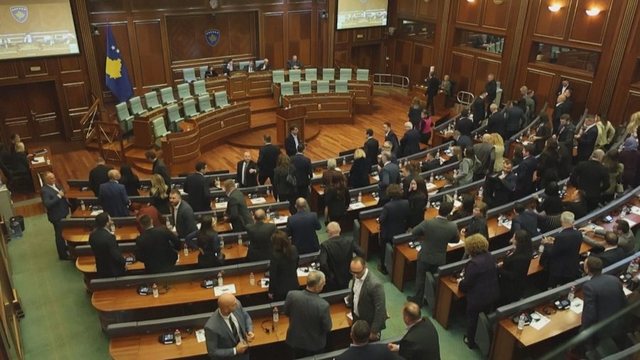
Can Kosovo remain on the sidelines?
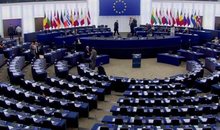
This question is topical in light of the consideration of the possibility of accelerating the path of the Western Balkan states in the process of accession to the European Union (EU). The issue was discussed last week at the meeting of the leaders of the EU and the six countries of the region in the Montenegrin city of Tivat, while an additional observation came a few days later.
Radio Free Europe has had access to a non-paper, in which France, Germany and the three Benelux countries (Luxembourg, the Netherlands and Belgium), propose EU membership with more limited rights than those currently enjoyed by the 27 member states, reports A2.
Kosovo is part of the group of countries involved in the enlargement process. Officially, it is considered a prospective candidate, but does not have the status of a candidate like the other Western Balkan and Eastern Partnership countries. If the rules change for the other Western Balkan countries, Kosovo could remain “blocked”. This can only be changed if a formula is found for Kosovo to also be included in the process, which Brussels calls a merit-based process.
What is said in the three non-papers?
Several non-papers dealing with the future of enlargement show that work is being done within the EU to adapt its current strategy.
In less than a month, three documents dedicated to this issue have emerged from major European capitals. Behind them stand the most influential states of the European bloc.
German Chancellor Friedrich Merz proposed in May that the Western Balkan countries and Moldova would receive observer status in the EU, while Ukraine would gain associate member status, without voting rights.
Less than two weeks later, a Franco-German proposal for the gradual integration of the Western Balkan states and Moldova emerged. The document was published on the eve of the Tivat summit and became one of the main topics of that meeting.
After the summit, a third non-paper was issued, signed by the founding states of the EU: France, Germany, and the Benelux countries (Belgium, the Netherlands, and Luxembourg).
While the first two documents deal with the pre-accession period and the benefits that countries in the accession process may have, the third refers to the post-accession period and the restrictions that new members may have. All of these documents relate to countries aiming for full EU membership.
Where is Kosovo in the EU accession process?
However, Kosovo, which officially has a European perspective and could potentially receive candidate country status, is the only country in the enlargement process that does not enjoy the same treatment as other partners in terms of relations with EU institutions.
Kosova shpalli pavarësinë në shkurt të vitit 2008. Shtetësia e saj nuk njihet nga pesë prej 27 shteteve anëtare të BE-së: Greqia, Rumania, Sllovakia, Spanja dhe Qiproja.
Në dhjetor të vitit 2022, Kosova dorëzoi aplikimim për anëtarësim në BE Që atëherë, lidhur me këtë kërkesë nuk është zhvilluar asnjë diskutim formal në institucionet e BE-së.
Për dhënien e statusit të vendit kandidat nevojitet një vendim unanim i të gjitha shteteve anëtare.
Qeveria e Kosovës u bën thirrje rregullisht institucioneve evropiane që të trajtojnë kërkesën gati katërvjeçare dhe të mundësojnë nisjen e procedurave që mund të çojnë drejt një vendimi për statusin e kandidatit.
Ku është mundësia për Kosovën?
Teksa propozimi i Merzit kishte të bënte ekskluzivisht me vendet kandidate, non-paper-i franko-gjerman si kusht për shfrytëzimin e përfitimeve para anëtarësimit përmend shprehimisht dorëzimin e kërkesës për anëtarësim. Pikërisht ky formulim ia hap derën Kosovës dhe, në aspektin procedural, krijon hapësirë për përfshirjen e saj, por nuk ia heq pengesat politike.
Edhe pse sipas disa propozimeve anëtarët e ardhshëm përkohësisht nuk do të kishin të drejtë vote, përkatësisht të drejtën e vetos – gjë që në rastin e Kosovës është gjithashtu e rëndësishme – ky kufizim nuk do të vlente për shtetet aktuale anëtare të BE-së, të cilat do t’i ruanin kompetencat ekzistuese.
Që nga 1 janari i këtij viti, presidencën gjashtëmujore të Këshillit të Bashkimit Evropian e ka marrë Qiproja, një nga pesë shtetet anëtare që nuk e njohin pavarësinë e Kosovës.
“Pavarësisht qëndrimit kombëtar të Qipros ndaj statusit të Kosovës, i cili mbetet i pandryshuar, Presidenca qipriote është e obliguar të respektojë plotësisht rolin e saj institucional dhe është e përkushtuar të mbajë një qasje të paanshme ndaj të gjithë partnerëve, përfshirë Kosovën”, tha një zyrtar qipriot në një përgjigje për Radion Evropa e Lirë dërguar në fillim të mandatit.
Shteti anëtar që mban presidencën e Këshillit të BE-së nuk ka të drejtë të imponojë qëndrimin e veta kombëtare lidhur me vendimet që merren gjatë mandatit të tij.
Për disa diplomatë, kjo ishte një mundësi për të shqyrtuar vendosjen në rend dite të aplikimit të Kosovës. Megjithatë, deri më tani nuk është ndërmarrë asnjë hap konkret në këtë drejtim.
“Duke pasur parasysh mungesën e konsensusit në Këshill lidhur me aplikimin e Kosovës për anëtarësim, në përputhje me nenin 49 të Traktatit për Bashkimin Evropian, nuk parashikohen aktivitete relevante për këtë çështje”, konfirmoi zyrtari nga Qiproja.
A lënë hapësirë në idetë e reja për Kosovën?
Adi Qerimagiq nga Iniciativa për Stabilitet Evropian vlerëson se askush në Bruksel, e as në kryeqytetet e tjera evropiane, nuk po diskuton seriozisht për aplikimin e Kosovës për anëtarësim.
“Propozimet që po paraqiten tani për përshpejtimin e zgjerimit e lënë Kosovën jashtë shumicës së elementeve të tyre dhe mezi pasqyrojnë dëshirën e Kosovës për t’iu bashkuar BE-së”, thotë Qerimagiq për Radion Evropa e Lirë.
On the other hand, Engjëllushe Morina, an expert on enlargement issues at the European Council on Foreign Relations, assesses that the path is also open for Kosovo, as instruments and programs for gradual integration are now accessible.
She recalls that Kosovo is involved in several EU initiatives, including the SEPA system, green lanes and the abolition of roaming, despite not yet having the status of a candidate country.
"The fact that Kosovo has not received a response to its application for candidate country status does not mean that Kosovo is not being treated on the basis of merit," Morina tells Radio Free Europe.
She emphasizes that it is important that the Franco-German non-paper refers to all countries aiming for EU membership.
"This means that, reading between the lines, one can understand that the doors are opening for Kosovo and that it is clearly being treated equally with other candidate countries," Morina emphasizes.
For Adi Qerimagiq, Kosovo represents the clearest evidence that the EU membership process has largely departed from the merit-based principle.
"It is the only country in the Western Balkans that has submitted an application for membership, but does not yet have candidate status. At the same time, according to the European Commission's own assessments, it [Kosovo] is more prepared than Bosnia and Herzegovina, which has candidate status and the decision to open membership negotiations. Bosnia and Herzegovina is the least prepared country in the region, while Kosovo has good results and continues to progress. One is rewarded, the other is ignored," says Qerimagic.
He adds that Kosovo's progress, despite such an approach by European institutions, is "almost a miracle."
Meanwhile, Morina, referring to the content of the Franco-German document, emphasizes that additional incentives are foreseen for the implementation of reforms, while the goal of full membership in the EU remains unchanged.
"For Kosovo, this could mean that, if it consolidates its institutions in time, fulfills its obligations under the Growth Plan, and continues reforms, it could progress on its European path despite not yet having received a response to its membership application," says Engjëllushe Morina.
However, Qerimagiq warns that the issue of Kosovo's application cannot remain on the back burner for long.
According to him, member states that support Kosovo should insist that the membership application be considered, as the current proposals are still the subject of political debate and not final decisions.
"When this issue is seriously addressed, the answer is clear: Kosovo should be treated at least the same as Bosnia and Herzegovina. And, as it continues to achieve results where others fail, this progress should be rewarded, not ignored," says Qerimagiq./ REL
Latest news
Speaking multiple languages can keep your brain up to 13 years younger
2026-07-14 09:35:11
Strait of Hormuz becomes key battleground again, oil prices rise
2026-07-14 09:20:09

73.4% of Albanians' out-of-pocket health expenses go to medicines
2026-07-14 09:02:28
Over 10,000 dead from extreme heat wave in Europe, elderly most affected
2026-07-14 08:59:36
Foreign exchange, the rate at which foreign currencies are sold and bought
2026-07-14 08:24:50
The ten challenges Spain must win to eliminate France and Mbappé
2026-07-14 08:04:02
Morning Post/ In 2 lines: What mattered yesterday in Albania
2026-07-14 07:00:35
Ukraine strengthens air defense, Macron announces deal for 16 Rafale jets
2026-07-13 22:26:00
Shkullaku: Qeveria përdori koncertin e Kanye West për të eklipsuar protestën
2026-07-13 22:11:36
Conflict between young people in Fushë-Krujë, 22-year-old injured with knife
2026-07-13 21:47:26

Haaland, the phenomenon of the 2026 World Cup
2026-07-13 20:19:12
Citizens take to the streets again, protest enters 44th day
2026-07-13 20:01:25
Large fire in Himara, flames engulf the hills of the Llaman area
2026-07-13 19:28:11
Dutch referee dies, weeks after being banned from 2026 World Cup
2026-07-13 18:22:39
What professions make people the happiest?
2026-07-13 17:51:54
Brazil still in crisis, fans attack Federation after motivational video
2026-07-13 16:42:07
The Special Court returns the file against former mayor Elvis Roshi to SPAK
2026-07-13 16:22:11
IDC-CDI meets in Brussels, Berisha participates as Vice President
2026-07-13 16:05:10
"Washington Examiner": Anger against Rama's enrichment has reached its peak
2026-07-13 14:28:00
Here are the years of imprisonment requested for Monika's mother
2026-07-13 14:09:46
EU appoints German diplomat as new special envoy for Kosovo
2026-07-13 13:55:29
Property alienation in Durrës/ Court confirms security measures for suspects
2026-07-13 13:25:00
70 people with poisoning symptoms in Pristina, 22 hospitalized
2026-07-13 13:16:00
Erkin Lika's lifeless body found after falling into Mat River sinkhole
2026-07-13 12:32:00
Over 500 babies named after Haaland after World Cup matches
2026-07-13 12:28:00
18 arrested in Spain, who is the Albanian known as 'Daci'?
2026-07-13 12:22:00
4.2 million euros for Kanye West, DP reports Rama and Gonxha to SPAK
2026-07-13 11:27:03
Heatwave hits Germany, over 5,400 heat-related deaths
2026-07-10 10:45:33
Land in "foreign hands"
2026-07-10 10:26:15
Mbappe the hero of France, the "Roosters" knock out Morocco in the quarterfinals
2026-07-10 09:54:33
Durrës/ 40-year-old man stabs his wife
2026-07-10 09:48:03

How much could the amount of drug money in the Albanian economy be?!
2026-07-10 09:08:34
Government reduces funds for farmers, increases ADF by 75 million euros
2026-07-10 08:55:46
Horoscope, get to know the star forecast
2026-07-10 08:32:54
Morning Post/ In 2 lines: What mattered yesterday in Albania
2026-07-10 07:52:04
A person was shot dead in Kurbin, first details
2026-07-09 22:54:48
Will the Police also stop those who criticize Rama online?
2026-07-09 21:57:02
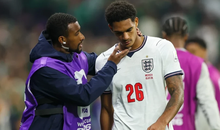
FIFA decision shocks England, Quansah ruled out for two matches
2026-07-09 20:51:00
Protest/Pedagogue: 4 million euros for Kanye West is "the next concession"
2026-07-09 19:45:53
French MEP joins protests in Albania: Support for the "Pink Flamingo Revolution"
2026-07-09 19:28:07
Has the lek strengthened or overvalued?
2026-07-09 17:58:05
The trial on the merits for Ilir Meta and Monika Kryemadhi is postponed
2026-07-09 16:47:58
The match between England and Norway risks being postponed, this is the reason
2026-07-09 16:12:46
Murder in Shkodra/ Relatives: Peaceful family, no problems
2026-07-09 16:10:02
Kurti invites opposition leaders to a meeting to create new institutions
2026-07-09 15:43:05
This is the 62-year-old man who killed his wife in Shkodra
2026-07-09 15:01:43