
 Flash News
Foreign exchange, the rate at which foreign currencies are sold and bought
Clear skies throughout Albania, here's what the weather is expected to be like today
Conflict between young people in Fushë-Krujë, 22-year-old injured with knife
Kanye West's state-funded concert, OCCRP: Government accused of using the concert to stifle protests
Here are the years of imprisonment requested for Monika's mother
"The Commission is closing the deadline without any final product", BIRN: Electoral reform remains in limbo

Politiko
2026-07-14 08:43:02
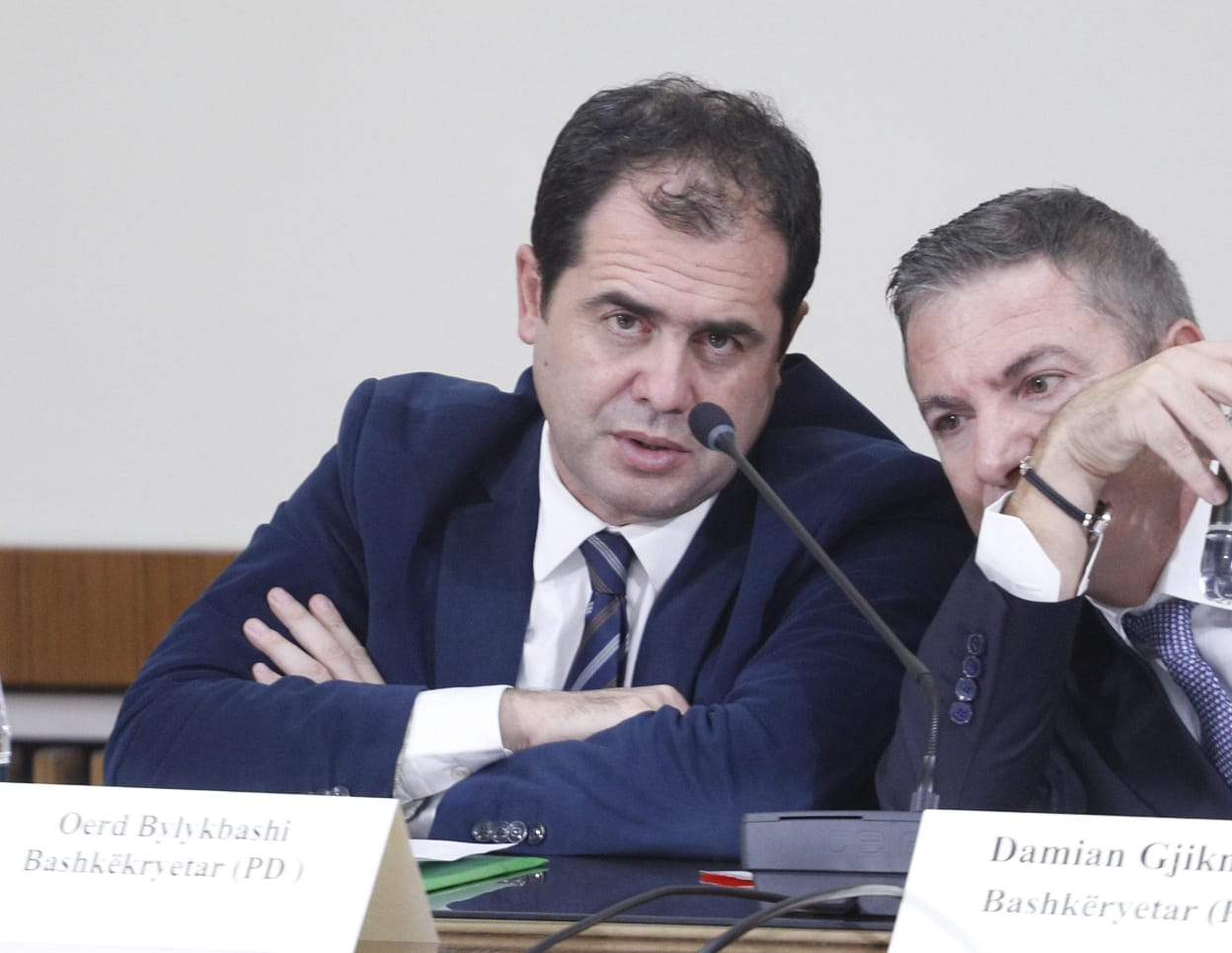
The Special Commission on Electoral Reform is expected to ask the Assembly for an extension of the deadline for its functioning, as it is closing the legal deadline without any final product.
The Socialist co-chair of this committee, Damian Gjiknuri, said on Monday in the plenary session that the postponement will be requested for several more months with the aim of addressing all recommendations for the draft laws on the Financing of Political Parties and the Electoral Code.
Gjiknuri stated at the hearing that the Commission has done "a relatively good job," but has had difficulties in political communication.
"A consensual project that has passed the filters of the European Commission and the Venice Commission, and we have the opportunity in these remaining weeks to come to the Assembly with a universally accepted law," he said.
The opposition co-chair of this commission, Oerd Bylykbashi, also expressed agreement with the need to extend the deadline and assessed that the commission, with its work so far, has paved the way for the implementation of a legal package that will regulate several laws, not only the changes to the Electoral Code.
For the opposition, it seems urgent to address the issue of the use of state resources in election campaigns, punish electoral crimes, and improve the draft on party financing by reflecting the recommendations received from the OSCE/ODIHR and the Venice Commission.
“This is not the first time that the mandate has been extended, this was also done in the successful consensual reforms of 2002, 2004, 2008 and 2012 when the reforms required several commission mandates. The main thing is that the norms that will be approved are applicable and efficient before the 2027 local elections,” Bylykbashi told BIRN, adding that the aim is to at least have established “a clear structure of prohibition and punishment for the use of the state in elections” for the upcoming local elections.
"It is important that we manage to create an enforceable legal framework that enables democratic elections, which may also require intervention in other laws, including the Criminal Code or laws that regulate the functioning of public administration," he stressed.
The Commission was established by political consensus between the two main parties, the SP-PD, in October 2025 in a tense political climate, just a few months after the May 11 parliamentary elections, where the SP secured a fourth term with 83 seats.
The committee's work calendar envisaged the drafting of a new law on the Financing of Political Parties by December 2025 and the drafting of amendments to the Electoral Code, according to several topics and issues related to the recommendations, by July 2026.
I vetmi produkt që ky komision ka prezantuar për publikun është një draft-projektligj për Financimin e Partive Politike, i hartuar me konsensus nga ekspertë të komisionit – një nismë që u prit me kritika dhe sugjerime shtesë nga përfaqësues të shoqërisë civile.
Edhe një opinion i Komisionit të Venecias mbi këtë dokument rekomandon që disa prej dispozitave ligjore të ndryshojnë, si për shembull ato të lidhura me financimin indirekt të partive përmes subjekteve të lidhura me partitë, palët e treta, platformat digjitale apo shërbimet në natyrë.
Për organizatat e shoqërisë civile që janë pjesë e tryezave konsultuese dhe monitoruese të proceseve zgjedhore, përfundimi i afatit ligjor të komisionit pa asnjë produkt është vetëm njëra anë e problemit.
“Më shumë shqetësues se shtyrja e afatit është fakti që nuk kemi një qartësi të reformës dhe kjo reformë nuk bën dallim nga praktikat e dështuara të komisioneve të mëparshme bipartizane,” tha Afrim Krasniqi, drejtor i Institutit për Studime Politike.
Sipas Krasniqit, vullneti politik dhe përkushtimi real për të respektuar afatet dhe pritshmëritë nuk i përgjigjet nevojës për një reformë të plotë zgjedhore.
Edhe Erida Skëndaj, drejtuese e Komitetit Shqiptar të Helsinkit, thotë se reforma zgjedhore nuk u trajtua si prioritet i punës së Kuvendit dhe kjo sipas saj “është pasqyra e mungesës së vullnetit politik”.
“Nëse reforma zgjedhore do të ishte trajtuar si prioritet dhe do të ishte punuar në mënyrë sistematike, Komisioni i Posaçëm do të kishte prodhuar produkte, qoftë edhe të pjesshme,” tha Skëndaj, duke vlerësuar gjithsesi si pozitive kërkesën për vazhdimësinë e punës së tij.
Impakti tek zgjedhjet lokale
Komisioni Qendror i Zgjedhjeve parashikon që çdo ndryshim ligjor të miratohet të paktën 6 muaj përpara një procesi zgjedhor, në mënyrë që ato të reflektohen në praktikë. Sipas këtyre afateve, ndryshimet do të duhej të ishin mbyllur brenda këtij sesioni parlamentar në mënyrë që të ishin të zbatueshme në zgjedhjeve vendore të pranverës së ardhshme.
Për organizatat e shoqërisë civile, ky do të jetë një tjetër shans i humbur për të impelmentuar rekomandimet në zgjedhjet e ardhshme.
Rigels Xhemollari, drejtues i organizatës “Qëndresa Qytetare” vlerëson se pasoja afatshkurtër e mungesës së një produkti do të ndjehet në zgjedhjet vendore, pasi ato do të organizohen pa asnjë ndryshim që përmirëson cilësinë e votimeve.
Xhemollari e lidh mungesën e një drafti ndryshimesh me klimën politike të vendit dhe me protestat qytetare të përditshme që i adresohen edhe establishmentit politik të mbizotëruar nga dy partitë e mëdha.
“PD – PS nuk mund të bënin dot pazarin e radhës mes këtyre protestave dhe kanë vendosur ta shtyjnë,” tha Xhemollari, duke shtuar se fakti që në tetë muaj nuk u prodhua asnjë produkt për reformën përbën një shpërdorim të besimit dhe taksave të qytetarëve.
Skëndaj nga Komiteti Shqiptar i Helsinkit rikthen në vëmendje afatat e ngutshme deri në zgjedhjet e ardhshme lokale për të implementuar një reformë të pritshme.
"If the Commission and the Assembly approve the partial amendments late, the CEC will have little time to familiarize itself with them and implement them. This risks that the unimplemented OSCE/ODIHR recommendations will remain open again in another election cycle," she stressed.
Civil society representatives criticize the way the last Gjiknuri-Bylykbashi commission has functioned, even in technical terms.
According to Krasniqi, there should be a different way of functioning, starting from the work calendar and public consultation, so that according to him, it "reflects the mistakes of the past."
“There should be a legal package for the financing of political parties and election campaigns, the law on parties and the Electoral Code so that there is no overlap,” he said, considering the Commission's work as partial.
Skëndaj also believes that the continuation of this commission will only make sense if it changes its working methodology: a detailed calendar with objectives, measures, substantial consultation and deadlines for all changes in legislation that require addressing by this Commission and that guarantee comprehensive electoral reform.
She proposes that the new work calendar be monitored and evaluated periodically by a dedicated structure within the Assembly. Reporter.al
Latest news

Speaking multiple languages can keep your brain up to 13 years younger
2026-07-14 09:35:11
Strait of Hormuz becomes key battleground again, oil prices rise
2026-07-14 09:20:09

73.4% of Albanians' out-of-pocket health expenses go to medicines
2026-07-14 09:02:28
Over 10,000 dead from extreme heat wave in Europe, elderly most affected
2026-07-14 08:59:36

Foreign exchange, the rate at which foreign currencies are sold and bought
2026-07-14 08:24:50
The ten challenges Spain must win to eliminate France and Mbappé
2026-07-14 08:04:02



Morning Post/ In 2 lines: What mattered yesterday in Albania
2026-07-14 07:00:35
Ukraine strengthens air defense, Macron announces deal for 16 Rafale jets
2026-07-13 22:26:00
Shkullaku: Qeveria përdori koncertin e Kanye West për të eklipsuar protestën
2026-07-13 22:11:36
Conflict between young people in Fushë-Krujë, 22-year-old injured with knife
2026-07-13 21:47:26



Haaland, the phenomenon of the 2026 World Cup
2026-07-13 20:19:12
Citizens take to the streets again, protest enters 44th day
2026-07-13 20:01:25

Large fire in Himara, flames engulf the hills of the Llaman area
2026-07-13 19:28:11

Dutch referee dies, weeks after being banned from 2026 World Cup
2026-07-13 18:22:39

What professions make people the happiest?
2026-07-13 17:51:54
Brazil still in crisis, fans attack Federation after motivational video
2026-07-13 16:42:07
The Special Court returns the file against former mayor Elvis Roshi to SPAK
2026-07-13 16:22:11
IDC-CDI meets in Brussels, Berisha participates as Vice President
2026-07-13 16:05:10
"Washington Examiner": Anger against Rama's enrichment has reached its peak
2026-07-13 14:28:00
Here are the years of imprisonment requested for Monika's mother
2026-07-13 14:09:46
EU appoints German diplomat as new special envoy for Kosovo
2026-07-13 13:55:29

Property alienation in Durrës/ Court confirms security measures for suspects
2026-07-13 13:25:00
70 people with poisoning symptoms in Pristina, 22 hospitalized
2026-07-13 13:16:00


Erkin Lika's lifeless body found after falling into Mat River sinkhole
2026-07-13 12:32:00
Over 500 babies named after Haaland after World Cup matches
2026-07-13 12:28:00
18 arrested in Spain, who is the Albanian known as 'Daci'?
2026-07-13 12:22:00

4.2 million euros for Kanye West, DP reports Rama and Gonxha to SPAK
2026-07-13 11:27:03



Heatwave hits Germany, over 5,400 heat-related deaths
2026-07-10 10:45:33

Land in "foreign hands"
2026-07-10 10:26:15
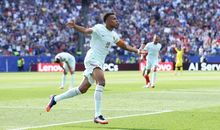
Mbappe the hero of France, the "Roosters" knock out Morocco in the quarterfinals
2026-07-10 09:54:33
Durrës/ 40-year-old man stabs his wife
2026-07-10 09:48:03



How much could the amount of drug money in the Albanian economy be?!
2026-07-10 09:08:34
Government reduces funds for farmers, increases ADF by 75 million euros
2026-07-10 08:55:46
Horoscope, get to know the star forecast
2026-07-10 08:32:54

Morning Post/ In 2 lines: What mattered yesterday in Albania
2026-07-10 07:52:04
A person was shot dead in Kurbin, first details
2026-07-09 22:54:48

Will the Police also stop those who criticize Rama online?
2026-07-09 21:57:02


FIFA decision shocks England, Quansah ruled out for two matches
2026-07-09 20:51:00

Protest/Pedagogue: 4 million euros for Kanye West is "the next concession"
2026-07-09 19:45:53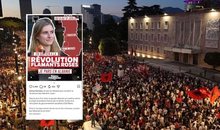
French MEP joins protests in Albania: Support for the "Pink Flamingo Revolution"
2026-07-09 19:28:07

Has the lek strengthened or overvalued?
2026-07-09 17:58:05

The trial on the merits for Ilir Meta and Monika Kryemadhi is postponed
2026-07-09 16:47:58

The match between England and Norway risks being postponed, this is the reason
2026-07-09 16:12:46
Murder in Shkodra/ Relatives: Peaceful family, no problems
2026-07-09 16:10:02
Kurti invites opposition leaders to a meeting to create new institutions
2026-07-09 15:43:05


This is the 62-year-old man who killed his wife in Shkodra
2026-07-09 15:01:43