 Flash News
VIDEO-scandal in Saranda/ Director of AMP Vlora and officials sexually harass tourists
"The New York Times" about Ye's concert: How Rama justifies the $4.5 million in funding
The suspected perpetrator of the murder in Laç is identified, he shot the 40-year-old 7 times near the palace
7 bullets on the doorstep, who is the 40-year-old with 4 surnames who was killed in Laç
Morning Post/ In 2 lines: What mattered yesterday in Albania
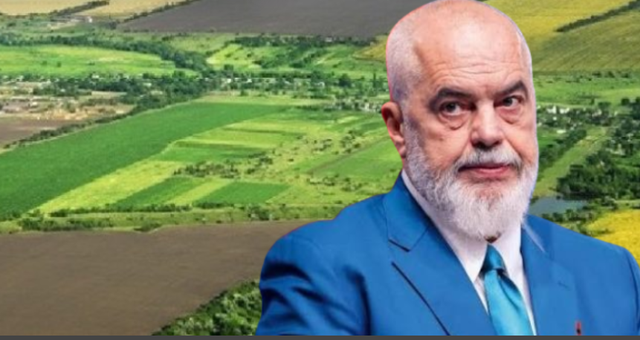
At the height of the heat, along the Lushnje-Vlora axis, greenhouses and agricultural fields are bustling with work. Among them, a farmer picking tomatoes by the roadside stops to wipe his sweat:
" Farming is hard and dangerous work. You work hard for months, and 10 minutes of hail is enough to throw all your hard work into the ground."
Like this farmer, thousands of citizens in Albania still face the unresolved nightmare of property ownership. They develop this sector almost without subsidies, face losses year after year, and yet they do not give up on one of the two most important pillars of the domestic economy.
At a time when, even after 36 years and dozens of reforms, the issue of ownership remains an open wound and investments are hostage to contradictory laws, the government has submitted for public consultation the draft law "On the transfer of ownership of agricultural land to foreign natural and legal persons".
This initiative aims to give foreign citizens and companies the right to purchase agricultural land, both private and state-owned. According to the Ministry of Agriculture and Rural Development, the goal is to create more favorable conditions for investment, modernize the sector and develop rural areas. However, the draft has sparked a fierce debate among legal experts, environmentalists and the opposition, who raise serious questions about the consequences of this liberalization in the conditions of the current property chaos.
According to the accompanying report, the agrarian reform of the 1990s distributed land to about 445,000 agricultural families, while about 100,000 hectares of undivided land continue to be administered by local governments. It is precisely this category of land that is expected to pass into the ownership of foreigners, according to the new procedures.
The draft stipulates that any foreign entity may purchase up to 2 hectares of land within a municipality and up to 30 hectares nationally. The land must be used exclusively for agriculture, livestock or agribusiness, while changing its destination is prohibited, except in specific legal cases. Sanctions are also foreseen in case of violations or non-compliance with environmental standards.
Liberalization without property registration
However, the draft carries a major paradox: on the one hand, it aims to liberalize the market, while on the other, the process of initial property registration, consolidation of titles, and compensation of former owners has not yet been completed. This means that the state is enabling the transfer of a strategic asset, when the legal status of a large part of the land itself remains unclear.
Edhe mekanizmat e kontrollit ngrenë dyshime. Kufiri prej 30 hektarësh vlen vetëm për një subjekt të vetëm, por drafti nuk parashikon filtra të qartë për të ndaluar përdorimin e kompanive të lidhura ose ortakërive (skemave “guackë”) për të kontrolluar sipërfaqe shumë më të mëdha. Rreziku që toka të përqendrohet në pak duar mbetet real. Po ashtu, mbetet e mjegullt mënyra se si do të verifikohet origjina e kapitalit.
ACQJ iu drejtua Ministrisë së Bujqësisë për të kërkuar sqarime mbi këto paqartësi, por deri në momentin e publikimit të këtij shkrimi, nuk ka marrë asnjë përgjigje.
Rreziqet juridike dhe trajtimi preferencial
Për avokaten Irena Dule, problemi nuk qëndron te thithja e investimeve, por te struktura e projektligjit. Sipas saj, në vend që të ndryshohej ligji ekzistues, po krijohet një ligj paralel që vendos një regjim të veçantë vetëm për të huajt.
“Nëse synimi do të ishte thjesht trajtimi i barabartë i të huajve me shtetasit shqiptarë, mjaftonte ndryshimi i një dispozite në ligjin aktual. Krijimi i një ligji të posaçëm tregon se qëllimi nuk është eliminimi i diskriminimit, por krijimi i një trajtimi preferencial për investitorët e huaj,” argumenton Dule.
Një tjetër shqetësim lidhet me privatizimin e tokës shtetërore në një kohë kur kompensimi i ish-pronarëve ka mbetur pezull. Kjo krijon një asimetri: qytetarët shqiptarë përballen me kufizime të rrepta, ndërsa për subjektet e huaja krijohet një “bypass” ligjor. Avokatja ngre dyshime edhe mbi procedurat e revokimit të pronësisë në rast shkeljesh, duke i cilësuar dispozitat si të paqarta dhe lehtësisht të rrëzueshme në gjykata.
Edhe eksperti i mjedisit, Abdulla Diku, e sheh çështjen e pronësisë si problem themelor. Ai kujton se Shqipëria ka një nga sipërfaqet më të kufizuara të tokës bujqësore në Europë dhe se ajo përfaqëson një burim strategjik për sovranitetin kombëtar.
Sipas Dikut, Bashkimi Europian nuk e detyron Shqipërinë të shesë tokën, por kërkon thjesht lëvizjen e lirë të kapitalit. Shumë vende anëtare kanë ruajtur mekanizma të fortë mbrojtës për fermerët vendas, si e drejta e parablerjes apo kontrollet e rrepta administrative. Për më tepër, projektligji shqiptar përdor termin e gjerë “persona të huaj”, duke ua hapur derën edhe investitorëve nga vendet jashtë BE-së.
Diku propozon një model alternativ: në vend të shitjes, investitorëve të huaj t’u garantohet përdorimi afatgjatë i tokës përmes kontratave të qirasë.
“Shqipëria ka nevojë për investime në bujqësi, por jo domosdoshmërisht për shitjen e tokës. Investimi dhe pronësia nuk janë e njëjta gjë. Ushqimi është element strategjik dhe toka është burimi i vetëm ku ai prodhohet,” thotë eksperti.
Centralizimi i kompetencave
Në të njëjtën linjë kritike, deputeti i Partisë “Mundësia”, Erald Kapri, e konsideron projektligjin pjesë të një modeli më të gjerë të centralizimit të pushtetit. Ai thotë për ACQJ se kjo skemë e zhvendos praktikisht vendimmarrjen finale në zyrat e Kryeministrit, duke dobësuar filtrat institucionalë.
According to Kapri, this initiative follows the same philosophy as the law on strategic investors, the Mountain Package and the changes to the law on protected areas.
Before Albania becomes part of the EU, it must follow the strategy of member states, where agriculture and property are considered sacred, by investing in local farmers through financial guarantees. The sector is in dire need of capital, but it is essential to distinguish whether this development will be done by alienating ownership, or through models that absorb investment while maintaining control over the country's most strategic asset. /Denada Jushi, ACQJ
Latest news

Heatwave hits Germany, over 5,400 heat-related deaths
2026-07-10 10:45:33
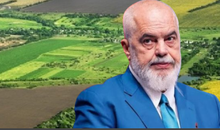
Land in "foreign hands"
2026-07-10 10:26:15
Mbappe the hero of France, the "Roosters" knock out Morocco in the quarterfinals
2026-07-10 09:54:33
Durrës/ 40-year-old man stabs his wife
2026-07-10 09:48:03


How much could the amount of drug money in the Albanian economy be?!
2026-07-10 09:08:34
Government reduces funds for farmers, increases ADF by 75 million euros
2026-07-10 08:55:46
Horoscope, get to know the star forecast
2026-07-10 08:32:54

Morning Post/ In 2 lines: What mattered yesterday in Albania
2026-07-10 07:52:04
A person was shot dead in Kurbin, first details
2026-07-09 22:54:48

Will the Police also stop those who criticize Rama online?
2026-07-09 21:57:02


FIFA decision shocks England, Quansah ruled out for two matches
2026-07-09 20:51:00
Protest/Pedagogue: 4 million euros for Kanye West is "the next concession"
2026-07-09 19:45:53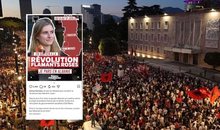
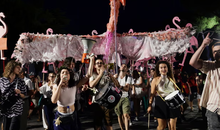
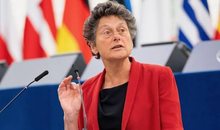
French MEP joins protests in Albania: Support for the "Pink Flamingo Revolution"
2026-07-09 19:28:07

Has the lek strengthened or overvalued?
2026-07-09 17:58:05

The trial on the merits for Ilir Meta and Monika Kryemadhi is postponed
2026-07-09 16:47:58

The match between England and Norway risks being postponed, this is the reason
2026-07-09 16:12:46
Murder in Shkodra/ Relatives: Peaceful family, no problems
2026-07-09 16:10:02
Kurti invites opposition leaders to a meeting to create new institutions
2026-07-09 15:43:05

This is the 62-year-old man who killed his wife in Shkodra
2026-07-09 15:01:43

Domestic crime/ Wife killed with shotgun, perpetrator and victim identified
2026-07-09 14:05:18
Gunfire in Shkodra, one victim suspected
2026-07-09 13:49:41
Weapons cache discovered in Fier, Prosecution sends 38-year-old to trial
2026-07-09 13:35:48
Bota e muzikës në zi, ndahet nga jeta në moshën 75-vjeçare ikona Bonnie Tyler
2026-07-09 12:56:29
Monika Kryemadhi in the Criminal Court: The cell phone was seized illegally
2026-07-09 12:45:54

VALEN MP reacts after border detention: Albania is no one's property
2026-07-09 12:15:44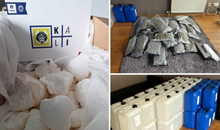
Albanian gang in Belgium sentenced for trafficking 7 tons of cocaine
2026-07-09 12:01:14
Justin Bieber, Shakira and Madonna to perform at 2026 World Cup final
2026-07-09 11:52:54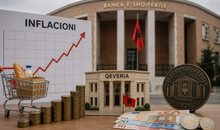
Euro falls, inflation rises and domestic production loses ground
2026-07-09 11:39:36
Trial at the GJKKO, Meta's new lawyer appears in the session
2026-07-09 11:29:47
Nighttime accident in Gramsh, man and woman injured
2026-07-09 11:20:25
Meta seeks 134 witnesses, GJKKO delivers decision today
2026-07-09 10:56:54
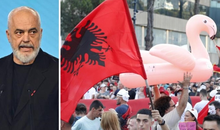

At the peak of the production season, vegetable prices 'fly'
2026-07-09 10:21:14
The African heat returns, the thermometer reaches 40 degrees this weekend
2026-07-09 10:08:08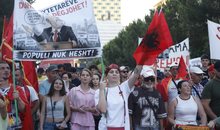
Opinions from 'anonymous' authors target Flamingo protests
2026-07-09 10:07:15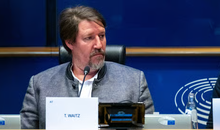
MEP Waitz: The law on protected areas endangers Albania's path to the EU
2026-07-09 09:52:55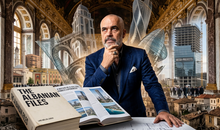
"Le Courrier des Balkans": Edi Rama and the megalomania of power
2026-07-09 09:40:26
The economics of concerts, the prime minister's imaginary 100 million euros
2026-07-09 09:28:19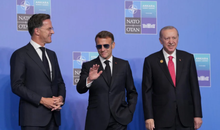
Erdogan's strange gift to NATO leaders
2026-07-09 09:11:15
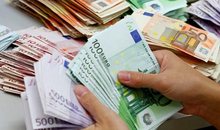
Foreign exchange, the rate at which foreign currencies are sold and bought
2026-07-09 08:30:41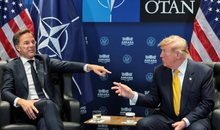
“Uniteti i jashtëzakonshëm” i NATO-s dhe mesazhet kryesore nga samiti në Turqi
2026-07-09 08:11:17

Horoskopi, njihuni me parashikim e yjeve
2026-07-09 07:46:15
Alternime kthjellimesh e vranësirash, parashikimi i motit
2026-07-09 07:25:59
Posta e mëngjesit/ Me 2 rreshta: Çfarë pati rëndësi dje në Shqipëri
2026-07-09 07:02:12




Rama brings West in Tirana, using Eastern premises
2026-07-08 20:41:42

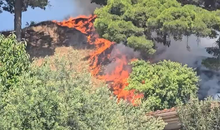
Fire on Kuzum Baba hill in Vlora, flames endanger homes and Tekke
2026-07-08 18:09:45

Shqipëria po plaket, qeveria pa plan
2026-07-08 15:57:26