
 Flash News
"Albanians have killed fear", Italian media: Rama is no longer untouchable
"Go directly to Rama and get permission", the testimonies of foreign architects in "The Albanian Files"
From the Hoxhosmani brothers to Rraja, SPAK sends 15 people for trial
"Republic of Prosecutors", the citizen is arrested for the same crime for which he had already served his sentence!
Mother of 15-year-old involved in rape of 17-year-old: She has mental health problems
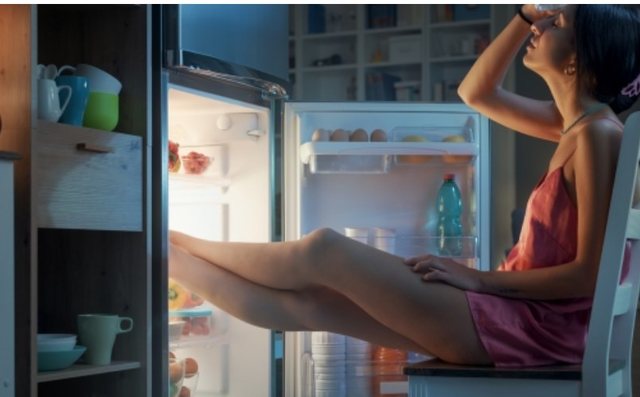
High temperatures do not let up even after sunset. More and more often, especially in cities, the thermometer remains above 20 degrees all night and sometimes does not even drop below 25.
This is the "urban heat island" effect, where asphalt, concrete, buildings and road surfaces accumulate energy during the day and slowly release it after the sun has set, preventing the air from cooling.
But the problem isn't just discomfort. To recover from the day's fatigue and promote sleep, our bodies need to cool down.
When this doesn't happen, sleep becomes more fragmented, the heart works harder, the risk of dehydration increases, and digestion can become more difficult. The consequences are especially significant for the elderly, children, pregnant women, and people with chronic illnesses.
What happens to the body during a night of extreme heat?
And what are the best strategies, recommended by experts, to protect yourself? Below are some explanations:
Why does the body need cool nights?
During sleep, the body does not just rest: it lowers its internal temperature, slows down the work of the cardiovascular system, and activates repair and recovery processes. If the external temperature remains high, especially for several nights in a row, these mechanisms become less efficient. Therefore, heat waves are especially dangerous when even the minimum night temperatures remain high.
What to do: Keep the room as cool as possible; close windows and shutters during the day, ventilate only when it is cooler outside and, if you have one, use air conditioning at 24–26°C, avoiding large temperature changes.
Why do we sleep worse in the heat?
To fall asleep, the brain must lower its body temperature by about one degree. When the environment is hot or humid, the body works continuously to cool itself by sweating and dilating blood vessels. This delays falling asleep, increases awakenings during the night, and reduces the deep sleep phase. The result is fatigue, irritability, and difficulty concentrating the next day.
What to do: Take a lukewarm shower before bed, wear natural fiber sheets and pajamas, avoid physical activity in the evening and avoid alcohol; limit caffeine and heavy meals before bed.
What happens to the heart and blood pressure during a hot night?
To remove heat, blood vessels dilate and the heart pumps more blood to the skin, even during sleep. During the night we lose water through breathing and sweating. If we do not rehydrate properly, dehydration, low blood pressure, weakness and dizziness may occur. In the morning you may feel thirsty, headache, cramps, etc. In people with cardiovascular disease, this additional load increases the risk of complications. In the elderly, the problem is even greater, as the sensation of thirst decreases with age.
What to do: Drink water regularly throughout the day, consume fruits and vegetables, avoid alcohol in the evening, and do not change medical therapies on your own; people taking diuretics or blood pressure medications should follow their doctor's instructions.
Does heat also affect digestion?
Yes, although the evidence is more limited. A heavy, high-fat dinner increases heat production during digestion, adding to discomfort at night. Dehydration can also affect bowel movements.
What to do: Light dinner with grains, vegetables, fish or white meat; avoid fried and fatty foods, as well as alcohol. Eat 2–3 hours before bedtime.
Who is most at risk and when should help be sought?
Those most at risk are the elderly, young children, pregnant women, and people with heart, respiratory, kidney, or diabetes diseases. They have less ability to regulate body temperature and fluids.
When to seek help: If mental confusion, high fever, difficulty breathing, fainting, severe weakness or changes in consciousness occur, a doctor or the emergency number 112 should be contacted immediately.
During heat waves, it is also important to check on seniors who live alone daily.
Latest news


Bloomberg: NATO may cancel summit in Albania next year
2026-07-08 12:01:43
Coach Roberto Martinez leaves Portugal after World Cup elimination
2026-07-08 11:50:55
Why is nighttime heat endangering our health?
2026-07-08 11:42:59

"Albanians have killed fear", Italian media: Rama is no longer untouchable
2026-07-08 11:19:23


Protests/ American economics professor: Time for Rama to open the exit door
2026-07-08 10:46:21

What is expected from the NATO Summit in Turkey?
2026-07-08 10:25:56
With invoice, the government spends 4.2 million euros against the protest
2026-07-08 10:10:36
Property transfer in Dibër, former SP candidate arrested
2026-07-08 09:57:37
From the Hoxhosmani brothers to Rraja, SPAK sends 15 people for trial
2026-07-08 09:50:19
BIRN: Ownership 'red lines' are increasing self-censorship in Albanian media
2026-07-08 09:30:04


Plotësohen 8 ekipet çerekfinaliste, axhenda e plotë e katër ndeshjeve
2026-07-08 09:09:33
Sot certifikohen rezultatet e zgjedhjeve në Kosovë, çfarë pritet
2026-07-08 09:00:22



Foreign exchange, how much foreign currencies are sold and bought today
2026-07-08 08:14:56

Horoskopi, njihuni me parashikimin e yjeve
2026-07-08 07:39:50
Posta e mëngjesit/ Me 2 rreshta: Çfarë pati rëndësi dje në Shqipëri
2026-07-08 07:20:12
Parashikimi i motit, 8 korrik 2026
2026-07-08 07:04:53


Patronage activist caught "in the act" taking photos from the Parliament
2026-07-07 21:17:28



Government allocates 4 million euros from emergency fund for Kanye West concert
2026-07-07 20:06:57
A'SPAK SPAK?! Secret justice as a method
2026-07-07 19:46:24
Court releases 4 FNSH officers arrested for Hasan Ferracak's escape
2026-07-07 19:31:56
University applications start at the end of July, how will the process develop?
2026-07-07 18:28:37
WHO warns Europe of new heatwave: Could face deadlier weeks
2026-07-07 17:18:44
"Benz" explodes in flames on the Qafë Plloçë-Pogradec axis
2026-07-07 16:58:51
Triple accident on the Korça-Pogradec road, one injured
2026-07-07 16:41:54

Six issues to follow at the NATO summit in Turkey
2026-07-07 16:04:21
Murder of 20-year-old Albanian in Sweden, suspected perpetrator arrested
2026-07-07 15:40:07
Lifestyle is increasing mortality, diabetes remains the leading cause
2026-07-07 15:24:46


Appeal confirms fraud conviction, Marine Le Pen risks presidential race
2026-07-07 14:29:46
Experts warn: Phone use is changing our bodies
2026-07-07 13:52:30
WHO warns Europe of another heatwave: 'Deadliest' week ahead
2026-07-07 13:21:27









Knife fight in Tirana, three arrested, 17-year-old wanted
2026-07-07 10:15:42
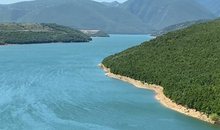
Fierza drops to lowest level in recent weeks due to drought
2026-07-07 09:45:55
Serious accident in Durrës, motorcycle ends up in canal
2026-07-07 09:27:29
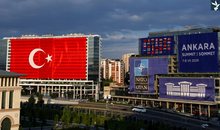
Trump heads to Ankara for key NATO summit
2026-07-07 09:00:17

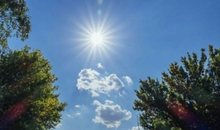
Temperatures up to 31 degrees Celsius, weather forecast for today
2026-07-07 08:11:59
Morning Post/ In 2 lines: What mattered yesterday in Albania
2026-07-07 07:53:51

Mercury in the background continues, who wins and who loses this week
2026-07-06 21:49:56
Albania is flooded with asylum seekers from Egypt and Afghanistan
2026-07-06 21:19:30
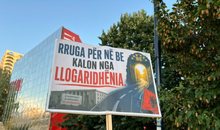
Spicy banners at the protest: The path to the EU passes through accountability!
2026-07-06 20:40:40

10 tips to boost your energy the day after a bad night's sleep
2026-07-06 20:09:11
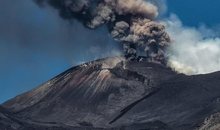
Etna erupts again, ash covers Sicily and flights to Catania suspended
2026-07-06 19:41:24
Greece/ Albanian woman dies after giving birth
2026-07-06 19:16:41
Rising temperatures, appeal from doctors: These categories are most at risk
2026-07-06 18:57:13


"I'm a gangster, I'll tape you shut," Protester tells how he was raped by police
2026-07-06 17:43:20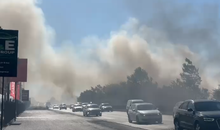
Large fire in Fushë-Shijakut, flames approaching the Tirana-Durrës highway
2026-07-06 17:27:29

Farmers protest, spill milk in front of the Ministry of Agriculture in Pristina
2026-07-06 16:21:58
Extreme temperatures, IGJEUM: Red alert for fires in 3 counties!
2026-07-06 15:39:07
SPAK puts Lorena Goxhobelli and ASHK district leaders under investigation
2026-07-06 15:25:12
When a mole becomes a cause for concern - signs that should not be ignored
2026-07-06 15:07:42