 Flash News
Here are the years of imprisonment requested for Monika's mother
"Blackened eyes and pulled out hair"/ Father of the raped 17-year-old: Police took no action
Property alienation in Durrës/ Court confirms security measures for suspects
Details/ Murder of Eglant Koç, the perpetrator hid for 10 days in the Elbasan region
Erkin Lika's lifeless body found after falling into Mat River sinkhole
"Washington Examiner": Anger against Rama's enrichment has reached its peak

Politiko
2026-07-13 14:28:00
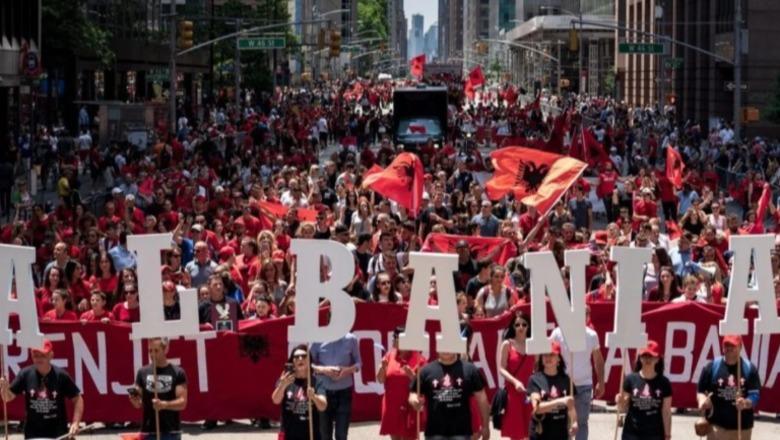
The Washington Examiner has dedicated an article to the massive protests that have been ongoing for over a month against the government of Prime Minister Edi Rama.
The article emphasizes that the opposition to the resort project in Zvërnec was only the spark that ignited the protests, while the dissatisfaction of citizens, which has been keeping them in the squares for weeks, is related to the way Prime Minister Edi Rama governs.
The Washington Examiner writes that what protesters call the "Flamingo Revolution" represents an analogy to the revolutions that liberated Eastern European countries from dictatorial regimes.
Full article:
There is an unfortunate tendency among American analysts and journalists to assume that everything revolves around United States policy.
Albania is just the latest example of this approach. In late May, protests erupted in Zvërnec against plans by Jared Kushner, President Donald Trump’s son-in-law, to develop an environmentally sensitive area into a multi-billion dollar resort complex.
However, Kushner was just one of many sparks that ignited the protests. Another was Alex Soros, who has developed close relationships with Albanian Prime Minister Edi Rama to secure approval of similar projects. Also a factor was Rama’s treatment of Albania’s Greek minority, which is largely concentrated on the Albanian Riviera. On May 12, 2023, for example, Rama’s police arrested Fredi Beleri, a candidate for mayor of Himara and a member of the Greek minority. The charge? That he had spent about $100 illegally during his campaign. Albanians, according to the author, understood this as a farce — Rama wanted his people to win the election to advance his interests in real estate projects. In this context, Kushner’s proposed development was a symptom, not the cause, of the protests.
Although Albania has faded from the headlines of Western media, the protests have continued to gain momentum. Recent visitors to Albania say the atmosphere is tense and that discontent with what they see as Rama’s self-enrichment has reached a peak. Today, according to the author, Albanians no longer talk about Kushner or the United States, but about what they call the “Flamingo Revolution,” an analogy to the color revolutions that liberated many Eastern European countries from dictatorships.
Shqipëria, natyrisht, nuk është një vend komunist dhe, sipas Departamentit Amerikan të Shtetit, është një demokraci funksionale. Por, sipas autorit, kjo nuk është mënyra se si e shohin situatën shumë shqiptarë. Pas rënies së Perdes së Hekurt, shqiptarët përqafuan demokracinë me entuziazëm. Shqipëria u bë një nga vendet më pro-amerikane në Evropë, në mos në mbarë botën.
Më pas, sipas autorit, u përfshinë Departamenti Amerikan i Shtetit dhe USAID-i. Ata ndihmuan në krijimin e Strukturës së Posaçme Kundër Korrupsionit dhe Krimit të Organizuar (SPAK). Për të shpjeguar atë që ndodhi më pas, autori përdor këtë krahasim: imagjinoni sikur mafiozi Al Capone të kishte marrë nën kontroll FBI-në përpara se ajo të kishte mundësi ta godiste atë dhe mafian e Çikagos në vitet 1930. Sipas autorit, Edi Rama, si drejtues i Partisë Socialiste, e mori nën kontroll SPAK-un dhe e përdori atë për të goditur këdo që rrezikonte pushtetin e tij, përfshirë ish-kryeministrin Sali Berisha, ish-ministrin e Mbrojtjes Fatmir Mediu, ish-zëvendëskryeministrin Arben Ahmetaj dhe kryebashkiakun e Tiranës Erion Veliaj, mes shumë të tjerëve.
Sipas autorit, nuk bëhej fjalë për luftë kundër korrupsionit. Ndërsa SPAK-u, sipas tij, godiste këdo që ngrinte pyetje të vështira ndaj Ramës, kryeministri vazhdonte projektet e zhvillimit të pasurive të paluajtshme dhe aktivitete që autori i konsideron si pastrim parash në bashkëpunim me kartelet e drogës. Mekanizmi, sipas tij, ishte legalizimi i kultivimit të kanabisit. Me zgjerimin e kultivimit të marijuanës, autori pretendon se u rritën edhe trafiku i kokainës nga Amerika Latine dhe Afrika Perëndimore, si edhe trafiku i opiumit nga Afganistani dhe Turqia. Roja Bregdetare Italiane, sipas tij, ndalon rregullisht ngarkesa kokaine që synojnë Shqipërinë, ndërsa Roja Bregdetare Shqiptare nuk vepron në të njëjtën mënyrë.
Ndërkohë, sipas autorit, Rama ndoqi hapur modelin e presidentit turk Recep Tayyip Erdoğan. Sipas një ish-bashkëpunëtori të Ramës, i pranishëm në një takim mes dy liderëve, Erdoğan i dha Ramës një “kurs të përshpejtuar” se si të dobësojë institucionet demokratike duke goditur kundërshtarët politikë dhe duke kultivuar marrëdhënie me diplomatët amerikanë. Autori pretendon se Erdoğan e konsolidoi pushtetin duke marrë nën kontroll autoritetin tatimor të Turqisë, ndërsa më pas përfshiu ish-diplomatë amerikanë si partnerë biznesi ose mbështeti financiarisht aktivitetet e tyre në institute kërkimore. Sipas autorit, Rama ka ndjekur një model të ngjashëm, duke shpërndarë favore në formën e koncesioneve dhe projekteve të zhvillimit të pasurive të paluajtshme.
Autori pretendon gjithashtu se Departamenti Amerikan i Shtetit e ka kuptuar gabimin e tij dhe ka hequr në heshtje Sali Berishën nga lista e personave të padëshiruar për vizë, duke e interpretuar këtë si një pranim se akuzat ndaj tij ishin të motivuara politikisht dhe jo të bazuara në prova thelbësore.
Donald Trump's critics often describe him as the "anti-King Midas," implying that everything he touches turns to bullets.
However, according to the author, in the field of foreign policy, Trump's opponents allow their opposition to him to blind them to deeper problems. In the case of Albania, the author argues that the desire to attack Kushner has led analysts and politicians to ignore more serious issues, such as the misuse of American resources, the growth of organized crime and drug trafficking during the government of Edi Rama, as well as questions about the responsibility of several former American ambassadors who, he argues, unreservedly supported the Rama government.
Latest news

IDC-CDI meets in Brussels, Berisha participates as Vice President
2026-07-13 16:05:10
"Washington Examiner": Anger against Rama's enrichment has reached its peak
2026-07-13 14:28:00
Here are the years of imprisonment requested for Monika's mother
2026-07-13 14:09:46
EU appoints German diplomat as new special envoy for Kosovo
2026-07-13 13:55:29

Property alienation in Durrës/ Court confirms security measures for suspects
2026-07-13 13:25:00
70 people with poisoning symptoms in Pristina, 22 hospitalized
2026-07-13 13:16:00


Erkin Lika's lifeless body found after falling into Mat River sinkhole
2026-07-13 12:32:00
Over 500 babies named after Haaland after World Cup matches
2026-07-13 12:28:00
18 arrested in Spain, who is the Albanian known as 'Daci'?
2026-07-13 12:22:00
4.2 million euros for Kanye West, DP reports Rama and Gonxha to SPAK
2026-07-13 11:27:03


Heatwave hits Germany, over 5,400 heat-related deaths
2026-07-10 10:45:33

Land in "foreign hands"
2026-07-10 10:26:15

Mbappe the hero of France, the "Roosters" knock out Morocco in the quarterfinals
2026-07-10 09:54:33
Durrës/ 40-year-old man stabs his wife
2026-07-10 09:48:03


How much could the amount of drug money in the Albanian economy be?!
2026-07-10 09:08:34
Government reduces funds for farmers, increases ADF by 75 million euros
2026-07-10 08:55:46
Horoscope, get to know the star forecast
2026-07-10 08:32:54

Morning Post/ In 2 lines: What mattered yesterday in Albania
2026-07-10 07:52:04
A person was shot dead in Kurbin, first details
2026-07-09 22:54:48


Will the Police also stop those who criticize Rama online?
2026-07-09 21:57:02


FIFA decision shocks England, Quansah ruled out for two matches
2026-07-09 20:51:00
Protest/Pedagogue: 4 million euros for Kanye West is "the next concession"
2026-07-09 19:45:53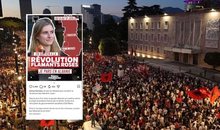
French MEP joins protests in Albania: Support for the "Pink Flamingo Revolution"
2026-07-09 19:28:07


Has the lek strengthened or overvalued?
2026-07-09 17:58:05
The trial on the merits for Ilir Meta and Monika Kryemadhi is postponed
2026-07-09 16:47:58

The match between England and Norway risks being postponed, this is the reason
2026-07-09 16:12:46
Murder in Shkodra/ Relatives: Peaceful family, no problems
2026-07-09 16:10:02
Kurti invites opposition leaders to a meeting to create new institutions
2026-07-09 15:43:05

This is the 62-year-old man who killed his wife in Shkodra
2026-07-09 15:01:43

Domestic crime/ Wife killed with shotgun, perpetrator and victim identified
2026-07-09 14:05:18
Gunfire in Shkodra, one victim suspected
2026-07-09 13:49:41
Weapons cache discovered in Fier, Prosecution sends 38-year-old to trial
2026-07-09 13:35:48

Bota e muzikës në zi, ndahet nga jeta në moshën 75-vjeçare ikona Bonnie Tyler
2026-07-09 12:56:29
Monika Kryemadhi in the Criminal Court: The cell phone was seized illegally
2026-07-09 12:45:54
VALEN MP reacts after border detention: Albania is no one's property
2026-07-09 12:15:44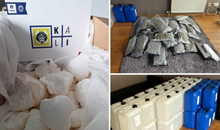
Albanian gang in Belgium sentenced for trafficking 7 tons of cocaine
2026-07-09 12:01:14
Justin Bieber, Shakira and Madonna to perform at 2026 World Cup final
2026-07-09 11:52:54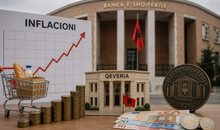
Euro falls, inflation rises and domestic production loses ground
2026-07-09 11:39:36
Trial at the GJKKO, Meta's new lawyer appears in the session
2026-07-09 11:29:47
Nighttime accident in Gramsh, man and woman injured
2026-07-09 11:20:25
Meta seeks 134 witnesses, GJKKO delivers decision today
2026-07-09 10:56:54

At the peak of the production season, vegetable prices 'fly'
2026-07-09 10:21:14
The African heat returns, the thermometer reaches 40 degrees this weekend
2026-07-09 10:08:08
Opinions from 'anonymous' authors target Flamingo protests
2026-07-09 10:07:15
MEP Waitz: The law on protected areas endangers Albania's path to the EU
2026-07-09 09:52:55
"Le Courrier des Balkans": Edi Rama and the megalomania of power
2026-07-09 09:40:26
The economics of concerts, the prime minister's imaginary 100 million euros
2026-07-09 09:28:19
Erdogan's strange gift to NATO leaders
2026-07-09 09:11:15
Foreign exchange, the rate at which foreign currencies are sold and bought
2026-07-09 08:30:41
“Uniteti i jashtëzakonshëm” i NATO-s dhe mesazhet kryesore nga samiti në Turqi
2026-07-09 08:11:17

Horoskopi, njihuni me parashikim e yjeve
2026-07-09 07:46:15
Alternime kthjellimesh e vranësirash, parashikimi i motit
2026-07-09 07:25:59
Posta e mëngjesit/ Me 2 rreshta: Çfarë pati rëndësi dje në Shqipëri
2026-07-09 07:02:12