 Flash News
Berisha: I was never non grata! It was an entry ban in the US
Official/ US lifts sanctions against Sali Berisha
Call center raided in Tirana, 4 organizers arrested, 49 employees prosecuted
New details from the disappearance of the 34-year-old, police move the search for the body to Pëllumbas and Qafëmolë
Rama called them 'meme-mania': How banners became the main weapon of the protest
The transition generation is 'punished', 55% of pensioners with partial payments in 2025

Politiko
2026-06-11 12:59:31
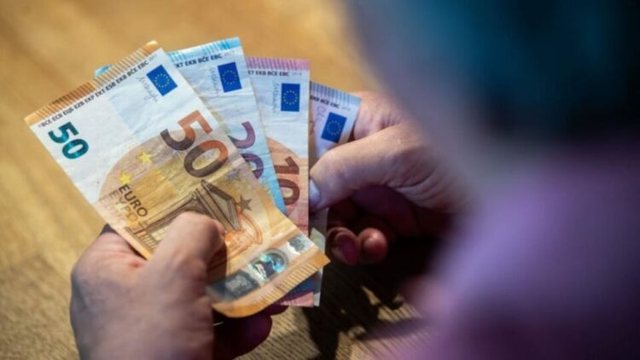
From year to year, the financial situation of pensioners is worsening, as the share of those who fail to meet the conditions for a full pension is rapidly expanding.
According to data from the Social Insurance Institute, in 2025 partial pensions accounted for 55.2% of total old-age pensions, expanding by 3 percentage points in one year, from 52.1% in 2024.
During 2025, the number of full pension beneficiaries has decreased, dropping from 287,279 beneficiaries in 2024 to 283,677 in 2025 or -1.3%. While the partial pension category has experienced further strong growth, increasing from 316,781 to 353,983 beneficiaries within the same time frame or 11.7%.
The benefit of a pension is calculated in relation to the years that a person has paid contributions against the period required by law, which is gradually increasing beyond 38 years. Most of these pensioners receive only a fraction of the basic pension, often very close to the level of the social pension. These amounts are insufficient to cover the minimum costs of living, especially in an environment where food and medical costs are rising and other payments to employees have increased faster.
To survive, many elderly people who receive partial pensions are forced to continue working beyond retirement age, often informally.
The rapid expansion of the number of partially paid pensioners in Albania, which within a year jumped from 52.1% to 55.2% of the total, is a direct consequence of the structural problems that the labor market and domestic legislation have had over the last three decades.
The 2014 Pension Reform brought a progressive increase in the criteria for receiving a full pension. The legal threshold is increasing every year to receive a full pension, the required years of contributions are gradually shifting to stabilize at 40 years in 2032.
Many citizens who reach the retirement age of 65 for men and currently over 61 and a half for women discover that, even though they have worked a good part of their lives, they cannot reach this new and high legal ceiling, automatically qualifying for a partial pension.
The pensioners who are entering the scheme today are the generation that worked during the transition years, after 1991. After the fall of the communist regime and the closure of state-owned enterprises, a massive part of the workforce moved into the newly created private sector, where working without certificates and without insurance in the black market was a widespread phenomenon. Many years of work in private businesses, construction or trade from the period 1992–2010 have never been declared, creating large holes in the contribution history of citizens.
Albania has also had successive waves of emigration. Many citizens have worked for 10 or 15 years in Albania and then emigrated mainly to Greece or Italy, where they have often also worked irregularly or paid contributions into the systems of those countries.
In the long term, if this trend is not curbed through aggressive policies against informality and encouraging the declaration of real wages, the scheme risks turning from an insurance system into a social assistance system, where the state pays minimal amounts to avoid extreme poverty in a rapidly aging population. /Monitor
Latest news
GJKKO convicts 12 defendants for terrorism and participation in the war in Syria
2026-06-11 14:09:30
e-Albania in healthcare: The challenges faced by citizens
2026-06-11 13:58:21
Heroin from the Republic of Macedonia to Albania, 2 people arrested
2026-06-11 13:49:17
The World Cup starts tonight, 48 teams competing for a trophy
2026-06-11 13:37:05



Knife attack in Lushnje, 19-year-old arrested
2026-06-11 12:36:35
Serbia grants citizenship to Russians sanctioned by US and Ukraine
2026-06-11 12:24:53
DP MPs block Manja, sing the protesters' 'chorus': Rama resigns
2026-06-11 12:15:04
Berisha: I was never non grata! It was an entry ban in the US
2026-06-11 12:07:05
US lifts 'non-grata' for Berisha, Balla seeks 'official seal'
2026-06-11 11:54:57

Eglant Koç's disappearance/ Escape plan collapses, police alert hospitals
2026-06-11 11:16:09

Berisha is welcomed with applause in the Parliament: I came, it was done
2026-06-11 10:55:05
Official/ US lifts sanctions against Sali Berisha
2026-06-11 10:52:20


27-year-old woman dies after falling from 6th floor of apartment in Vlora
2026-06-11 10:28:48


"I'm packing my books," Vučić announces his departure from the Presidency
2026-06-11 09:59:24
Call center raided in Tirana, 4 organizers arrested, 49 employees prosecuted
2026-06-11 09:43:12

Déjà vu may not be a brain error, but a...
2026-06-11 09:32:45
US and Iran exchange airstrikes for second day in a row
2026-06-11 08:59:44
Rama called them 'meme-mania': How banners became the main weapon of the protest
2026-06-11 08:49:16
Të rinjtë largohen, tregut të punës i shtohen 17.7 mijë pensionistë
2026-06-11 08:32:27
The Assembly meets in plenary session today, 6 interpellations on the agenda
2026-06-11 08:14:45
High temperatures, weather forecast for this Thursday
2026-06-11 08:01:29
Morning Post/ In 2 lines: What mattered yesterday in Albania
2026-06-11 07:48:06

Fatal accident in Tirana, 48-year-old man dies
2026-06-10 22:32:03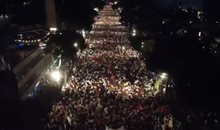

Citizens ironic with the Prime Minister: Let's clean up Rama, but also the trash
2026-06-10 21:48:06
SP MP 'in trouble' over Albanian revolt: They are ruining our tourism business
2026-06-10 21:24:35



Lack of lawyers causes trial against Erion Veliaj to be postponed
2026-06-10 19:55:19


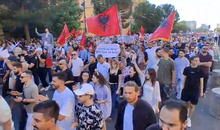
11th day of protest, united citizens demand Rama's resignation
2026-06-10 18:27:08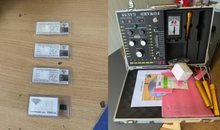
From Ancona to Albania, cocaine and diamonds are seized at the Port of Durres
2026-06-10 18:10:49


10 footballers who could grab attention at the 2026 World Cup
2026-06-10 16:41:46
Euro falls again, closer than ever to the 95 lek threshold
2026-06-10 16:34:40
Road accidents/ Leading cause of trauma, peak during lunchtime
2026-06-10 16:22:18

Firearms and drugs, three arrested in Durrës
2026-06-10 15:38:43


Survey: History and nationalism hold the region's economic integration hostage
2026-06-10 14:27:33
Why endless job applications can hurt you more than you think
2026-06-10 14:20:35


The 'parallel reality' of Rama's rallies in front of thousands of protesters
2026-06-10 13:41:46
The 2026 World Cup starts with new rules, VAR gets more powers
2026-06-10 13:34:27


Faces against the protest/ After Taulant Balla, Karlo Bolino appears
2026-06-10 12:51:23
Who are the 4 members of the criminal group arrested in Tirana?
2026-06-10 12:39:29
The highest-paid professions in the first quarter are led by bankers and IT
2026-06-10 12:31:34
U shkarkua nga puna, punonjësi dhunon drejtorin e ministrisë së Mjedisit
2026-06-10 12:20:49
The board moves oil and gasoline prices again
2026-06-10 12:09:16
Çuçi criticizes the Prime Minister: O Rama, where are your institutions?
2026-06-10 11:54:49
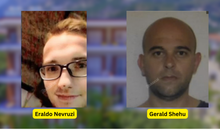
Eraldo Nevruzi was killed in Dhërmi, Greece refuses to extradite Gerald Shehu
2026-06-10 11:30:43
TNT explosion near the Nikulaj family in Lezha
2026-06-10 11:23:03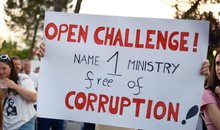
Këlliçi explodes against Rama: The truth is out in the open
2026-06-10 11:08:45
When the Ayatollah of Albania clashes with the Ayatollahs of Iran
2026-06-10 10:56:57

Gjirokastër/ A minor lost his life after going into the pool to bathe
2026-06-10 10:33:07

Balluku seeks reinstatement, Supreme Court draws lots for recourse
2026-06-10 09:51:13


Elez Biberaj: Protests are not against Trump, but against kleptocracy
2026-06-10 09:30:57


Accused of attempted murder in Spain, 22-year-old arrested in Shëngjin
2026-06-10 08:46:20