 Flash News
Berisha: I was never non grata! It was an entry ban in the US
Official/ US lifts sanctions against Sali Berisha
Call center raided in Tirana, 4 organizers arrested, 49 employees prosecuted
New details from the disappearance of the 34-year-old, police move the search for the body to Pëllumbas and Qafëmolë
Rama called them 'meme-mania': How banners became the main weapon of the protest
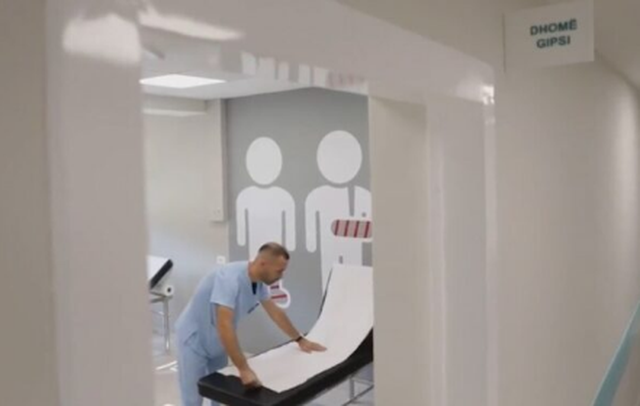
The digitalization of public services in Albania has brought changes in the way citizens interact with state institutions, especially in the health sector. Through the e-Albania platform, citizens can access a range of health services, avoiding traditional procedures and saving time. However, despite the benefits it offers, the use of these services continues to face challenges related to technological access, digital skills of users and the technical functioning of the platform.
A report by the Together For Life association analyzes the perceptions of citizens and health professionals on the use of health services in e-Albania, highlighting both the benefits and obstacles they encounter in accessing the system.
Use of digital services and access challenges
The report's findings show that less than half of respondents (45.6%) have used health services through the portal in the last 12 months, while a significant proportion report a lack of information or skills to use it. This situation shows that there is still a gap between the digitalization of services and citizens' ability to access them.
Another problem is related to inequalities in digital access. Not all citizens have a stable connection to the internet or suitable devices to use the platform. This problem is more pronounced among the elderly, residents of rural areas and individuals with lower educational levels, who often encounter difficulties in using technology. For these categories, digitalization can become an additional barrier instead of facilitating access to health services.
The report also highlights that lack of digital literacy remains a major obstacle. Many citizens need the help of family members or others to complete applications or access health documentation on the platform, limiting their independence in using electronic services.
In addition to user-related challenges, a significant problem remains the technical functioning of the system. Healthcare professionals report that the benefits of digitalization are only realized when the platform operates without interruption. Frequent cases of system slowdowns, temporary malfunctions, or technical outages create difficulties for both medical staff and patients.
When the system crashes or encounters technical problems, processes that depend on the platform, such as issuing electronic prescriptions, referrals, or accessing health records, can be delayed. This not only increases the workload of healthcare personnel, but can also affect the quality and continuity of patient care. In some cases, citizens are forced to physically appear at healthcare institutions to resolve issues that should theoretically be handled online, diminishing the benefits of digitalization.
These findings show that the technical sustainability of the platform is as important as its very existence. A system that does not guarantee continuous and reliable operation can reduce the trust of citizens and medical staff in digital services.
Despite the reported difficulties, the majority of interviewed participants consider digitalization a positive and necessary development for the healthcare system. Citizens appreciate the opportunity to obtain documents and information without having to physically appear at healthcare institutions, while medical staff appreciate the increased standardization and traceability of processes.
However, the results suggest the need for further investments in improving the platform's functionality, strengthening the technological infrastructure, and expanding digital education campaigns for citizens. It would also be necessary to create alternative access mechanisms for cases when the system is not functioning or when users do not have access to the internet./acqj.al
Latest news

Correcting an injustice...
2026-06-11 14:59:47
Non grata from Tirana, the chronology of a history of manipulation
2026-06-11 14:50:22
TNT explosion near Nikulaj family, one of the suspected perpetrators arrested
2026-06-11 14:19:52
GJKKO convicts 12 defendants for terrorism and participation in the war in Syria
2026-06-11 14:09:30
e-Albania in healthcare: The challenges faced by citizens
2026-06-11 13:58:21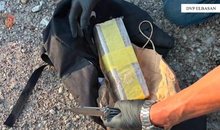
Heroin from the Republic of Macedonia to Albania, 2 people arrested
2026-06-11 13:49:17
The World Cup starts tonight, 48 teams competing for a trophy
2026-06-11 13:37:05



Knife attack in Lushnje, 19-year-old arrested
2026-06-11 12:36:35
Serbia grants citizenship to Russians sanctioned by US and Ukraine
2026-06-11 12:24:53
DP MPs block Manja, sing the protesters' 'chorus': Rama resigns
2026-06-11 12:15:04
Berisha: I was never non grata! It was an entry ban in the US
2026-06-11 12:07:05
US lifts 'non-grata' for Berisha, Balla seeks 'official seal'
2026-06-11 11:54:57


Eglant Koç's disappearance/ Escape plan collapses, police alert hospitals
2026-06-11 11:16:09

Berisha is welcomed with applause in the Parliament: I came, it was done
2026-06-11 10:55:05
Official/ US lifts sanctions against Sali Berisha
2026-06-11 10:52:20

27-year-old woman dies after falling from 6th floor of apartment in Vlora
2026-06-11 10:28:48

"I'm packing my books," Vučić announces his departure from the Presidency
2026-06-11 09:59:24
Call center raided in Tirana, 4 organizers arrested, 49 employees prosecuted
2026-06-11 09:43:12

Déjà vu may not be a brain error, but a...
2026-06-11 09:32:45
US and Iran exchange airstrikes for second day in a row
2026-06-11 08:59:44
Rama called them 'meme-mania': How banners became the main weapon of the protest
2026-06-11 08:49:16
Të rinjtë largohen, tregut të punës i shtohen 17.7 mijë pensionistë
2026-06-11 08:32:27
The Assembly meets in plenary session today, 6 interpellations on the agenda
2026-06-11 08:14:45
High temperatures, weather forecast for this Thursday
2026-06-11 08:01:29
Morning Post/ In 2 lines: What mattered yesterday in Albania
2026-06-11 07:48:06

Fatal accident in Tirana, 48-year-old man dies
2026-06-10 22:32:03

Citizens ironic with the Prime Minister: Let's clean up Rama, but also the trash
2026-06-10 21:48:06
SP MP 'in trouble' over Albanian revolt: They are ruining our tourism business
2026-06-10 21:24:35



Lack of lawyers causes trial against Erion Veliaj to be postponed
2026-06-10 19:55:19


11th day of protest, united citizens demand Rama's resignation
2026-06-10 18:27:08
From Ancona to Albania, cocaine and diamonds are seized at the Port of Durres
2026-06-10 18:10:49


10 footballers who could grab attention at the 2026 World Cup
2026-06-10 16:41:46
Euro falls again, closer than ever to the 95 lek threshold
2026-06-10 16:34:40
Road accidents/ Leading cause of trauma, peak during lunchtime
2026-06-10 16:22:18
Firearms and drugs, three arrested in Durrës
2026-06-10 15:38:43



Survey: History and nationalism hold the region's economic integration hostage
2026-06-10 14:27:33
Why endless job applications can hurt you more than you think
2026-06-10 14:20:35


The 'parallel reality' of Rama's rallies in front of thousands of protesters
2026-06-10 13:41:46
The 2026 World Cup starts with new rules, VAR gets more powers
2026-06-10 13:34:27


Faces against the protest/ After Taulant Balla, Karlo Bolino appears
2026-06-10 12:51:23
Who are the 4 members of the criminal group arrested in Tirana?
2026-06-10 12:39:29
The highest-paid professions in the first quarter are led by bankers and IT
2026-06-10 12:31:34
U shkarkua nga puna, punonjësi dhunon drejtorin e ministrisë së Mjedisit
2026-06-10 12:20:49
The board moves oil and gasoline prices again
2026-06-10 12:09:16
Çuçi criticizes the Prime Minister: O Rama, where are your institutions?
2026-06-10 11:54:49

Eraldo Nevruzi was killed in Dhërmi, Greece refuses to extradite Gerald Shehu
2026-06-10 11:30:43
TNT explosion near the Nikulaj family in Lezha
2026-06-10 11:23:03
Këlliçi explodes against Rama: The truth is out in the open
2026-06-10 11:08:45
When the Ayatollah of Albania clashes with the Ayatollahs of Iran
2026-06-10 10:56:57

Gjirokastër/ A minor lost his life after going into the pool to bathe
2026-06-10 10:33:07

Balluku seeks reinstatement, Supreme Court draws lots for recourse
2026-06-10 09:51:13