 Flash News
Berisha: I was never non grata! It was an entry ban in the US
Official/ US lifts sanctions against Sali Berisha
Call center raided in Tirana, 4 organizers arrested, 49 employees prosecuted
New details from the disappearance of the 34-year-old, police move the search for the body to Pëllumbas and Qafëmolë
Rama called them 'meme-mania': How banners became the main weapon of the protest
How the "Flamingo Revolution" spread from Kushner's resort to the political elite

Politiko
2026-06-11 12:00:30
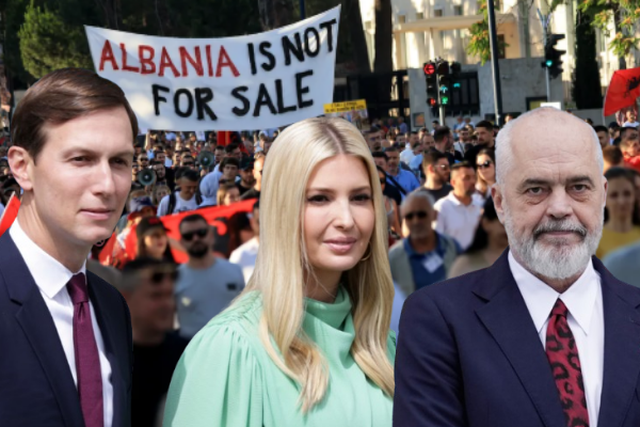
As the protests in Tirana have entered their second week, they have escalated from opposition to two planned 5 billion euro ($5.7 billion) resorts, linked to Jared Kushner and envisioned in highly ecologically sensitive areas, to demands that the entire Albanian political class be removed from power.
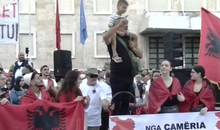
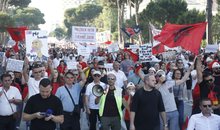
Anger erupted on the coast on May 30, when construction workers began work on one of these projects. Protests spread to the capital two days later. Since then, every evening at 6 p.m., thousands of citizens have gathered in a central square and marched along the main boulevard toward the Prime Minister’s Office, carrying national flags, homemade banners, and protest posters.
Without formal leadership, the marches are being organized through social media and are gathering students, environmental activists, citizens, and professionals.
Videos shot during the “Flamingo Revolution” — so-called because of the birds endangered by luxury projects — have been shared massively on TikTok and Instagram, helping to keep the protest alive.
Protesters say that both the ruling Socialist Party and Sali Berisha's Democratic Party are corrupt and willing to sell the country to the financially strongest, without much care for its nature and beauty.
The two parties have dominated Albanian politics since the fall of communism in the early 1990s. Rama has been in power for 13 years, while Berisha, 81, a former prime minister and president, has been sanctioned by the US on corruption charges.
Albania is no stranger to protests. Over the past three decades, there have been at least seven major waves of protests.
The biggest was in 1997, when the collapse of pyramid schemes, indirectly supported by the ruling Democratic Party, plunged the country into economic crisis and sparked riots, during which about 2,000 people were killed.
But this wave is different: largely peaceful and comparatively small, but growing, it has become both a political act and a social event.
“This is probably the first protest in Albania in 30 years where people are taking to the streets completely on their own, without any major political push,” said Fitim Zekthi, an analyst and lecturer at the European University of Tirana.
"Even if it ended today and there were no further developments tomorrow, this protest has already done something very big: it has shown that people can react."
"The government and the entire Albanian political class are now thinking carefully about what they are seeing. I think Albanian politics tomorrow will not be the same as it was yesterday. There will be a different kind of accountability and a different public reaction," he added.
Projektet e resorteve në ishullin e Sazanit dhe në gadishullin e Zvërnecit, të mbështetura nga kompania investuese e Kushner, Affinity Partners, kanë tërhequr vëmendjen e Komisionit Europian.
Ky i fundit i ka shprehur shqetësime ministrit shqiptar të Mjedisit, Sofjan Jaupaj, për “mangësi të mundshme” dhe ka paralajmëruar se rruga e anëtarësimit të vendit mund të vihet në rrezik nëse shpërfillen rregullat mjedisore të BE-së.
“Dua të theksoj se Shqipëria duhet të shmangë çdo veprim që mund të cenojë përmbushjen e kriterit përmbyllës,” tha zëdhënësi i Komisionit, Guillaume Mercier, në një konferencë më 9 qershor.
“Presim që autoritetet shqiptare të veprojnë pa vonesë.”
Rama, 61 vjeç, deri më tani i ka refuzuar thirrjet për ndalimin e projekteve, duke i paraqitur ato si pjesë të një shtyse drejt turizmit elitar, që sipas tij do të sjellë më shumë investime dhe vende pune. Ai këmbëngul se projekti në Zvërnec do të vijojë.
Qeveria thotë se dy projektet po ndjekin rrugë të ndryshme: ai i Sazanit përfshin tokë publike dhe është ende në negociata me shtetin, ndërsa projekti i Zvërnecit ndodhet në tokë private. Edhe pse në atë zonë kanë nisur punimet përgatitore, Rama ka deklaruar vazhdimisht se asnjëri prej projekteve nuk ka marrë miratimin përfundimtar dhe se procedurat mjedisore e të tjera ende nuk janë përmbyllur.
Kryeministri ka kundërshtuar gjithashtu thirrjet për dorëheqjen e tij, duke thënë se më shumë se 800 mijë njerëz votuan për të në zgjedhjet e vitit të kaluar, rreth 52% e votave të hedhura. Në një video të shpërndarë në rrjetet sociale më 6 qershor, ai la të kuptohej se pjesëmarrja në protestë nuk ishte aq e madhe sa për të vënë në pikëpyetje mandatin e tij
Në Tiranë, marshimet e përnatshme nisin nga Sheshi Skënderbej, më i madhi i qytetit, ku ndodhen Banka e Shqipërisë, Biblioteka Kombëtare, Pallati i Kulturës dhe një xhami.
Drejtuesit e mjeteve të bllokuara në trafik u bien borive në shenjë solidariteti, ndërsa protestuesit lëvizin nëpër rrugë. Aktivistët mjedisorë ofrojnë mikrofona dhe altoparlantë, duke krijuar një podium të hapur ku çdokush mund t’i drejtohet turmës.
“Ne duam të ndryshojmë mënyrën se si qeverisemi,” tha një protestues të martën në mbrëmje.
“Duam të ndërtojmë një shtet të bazuar te ligji dhe drejtësia. Zvërneci ishte pika që derdhi kupën.”
Protestuesit kërkojnë që qeveria të shfuqizojë kuadrin e investimeve strategjike, i cili u lejon projekteve të mëdha të kalojnë më shpejt procedurat e miratimit dhe u jep zhvilluesve akses në mbështetje shtetërore, leje dhe, në disa raste, tokë publike. Sipas tyre, ky mekanizëm është kthyer në një rrugë të shkurtër për projekte ndërtimi të lidhura politikisht, në vend që të shërbejë si mjet zhvillimi në interes publik.
They also demand that Albania undo recent changes to laws on protected areas and cultural heritage, arguing that the new rules weaken the protection of territories that should be preserved from construction. A special government plan for the development of mountainous areas has been added to their list of concerns.
Last year, Albania ranked 91st out of 182 countries and territories in Transparency International's Corruption Perceptions Index, with a score of 39 out of 100. The organization says corruption remains a significant challenge and links corruption risks in the region to weak democratic institutions and insufficient accountability mechanisms.
For Tana Shehu, an Albanian in her 70s who joined the protest in Tirana this week, the rallies brought back memories of the last days of communism. She said she was proud of the young people who are on the streets today.
“Don't you see that they are changing the world?” Shehu asked.
“I'm here to support them and tell them they're not alone.”
Latest news

Knife attack in Lushnje, 19-year-old arrested
2026-06-11 12:36:35
Serbia grants citizenship to Russians sanctioned by US and Ukraine
2026-06-11 12:24:53
DP MPs block Manja, sing the protesters' 'chorus': Rama resigns
2026-06-11 12:15:04
Berisha: I was never non grata! It was an entry ban in the US
2026-06-11 12:07:05

US lifts 'non-grata' for Berisha, Balla seeks 'official seal'
2026-06-11 11:54:57

Eglant Koç's disappearance/ Escape plan collapses, police alert hospitals
2026-06-11 11:16:09

Berisha is welcomed with applause in the Parliament: I came, it was done
2026-06-11 10:55:05
Official/ US lifts sanctions against Sali Berisha
2026-06-11 10:52:20

27-year-old woman dies after falling from 6th floor of apartment in Vlora
2026-06-11 10:28:48


"I'm packing my books," Vučić announces his departure from the Presidency
2026-06-11 09:59:24
Call center raided in Tirana, 4 organizers arrested, 49 employees prosecuted
2026-06-11 09:43:12

Déjà vu may not be a brain error, but a...
2026-06-11 09:32:45
US and Iran exchange airstrikes for second day in a row
2026-06-11 08:59:44
Rama called them 'meme-mania': How banners became the main weapon of the protest
2026-06-11 08:49:16
Të rinjtë largohen, tregut të punës i shtohen 17.7 mijë pensionistë
2026-06-11 08:32:27
The Assembly meets in plenary session today, 6 interpellations on the agenda
2026-06-11 08:14:45
High temperatures, weather forecast for this Thursday
2026-06-11 08:01:29
Morning Post/ In 2 lines: What mattered yesterday in Albania
2026-06-11 07:48:06
Fatal accident in Tirana, 48-year-old man dies
2026-06-10 22:32:03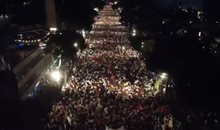

Citizens ironic with the Prime Minister: Let's clean up Rama, but also the trash
2026-06-10 21:48:06
SP MP 'in trouble' over Albanian revolt: They are ruining our tourism business
2026-06-10 21:24:35

Lack of lawyers causes trial against Erion Veliaj to be postponed
2026-06-10 19:55:19

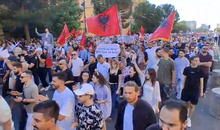
11th day of protest, united citizens demand Rama's resignation
2026-06-10 18:27:08
From Ancona to Albania, cocaine and diamonds are seized at the Port of Durres
2026-06-10 18:10:49



10 footballers who could grab attention at the 2026 World Cup
2026-06-10 16:41:46
Euro falls again, closer than ever to the 95 lek threshold
2026-06-10 16:34:40
Road accidents/ Leading cause of trauma, peak during lunchtime
2026-06-10 16:22:18
Firearms and drugs, three arrested in Durrës
2026-06-10 15:38:43

Survey: History and nationalism hold the region's economic integration hostage
2026-06-10 14:27:33
Why endless job applications can hurt you more than you think
2026-06-10 14:20:35


The 'parallel reality' of Rama's rallies in front of thousands of protesters
2026-06-10 13:41:46
The 2026 World Cup starts with new rules, VAR gets more powers
2026-06-10 13:34:27


Faces against the protest/ After Taulant Balla, Karlo Bolino appears
2026-06-10 12:51:23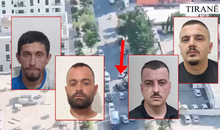
Who are the 4 members of the criminal group arrested in Tirana?
2026-06-10 12:39:29
The highest-paid professions in the first quarter are led by bankers and IT
2026-06-10 12:31:34
U shkarkua nga puna, punonjësi dhunon drejtorin e ministrisë së Mjedisit
2026-06-10 12:20:49
The board moves oil and gasoline prices again
2026-06-10 12:09:16
Çuçi criticizes the Prime Minister: O Rama, where are your institutions?
2026-06-10 11:54:49
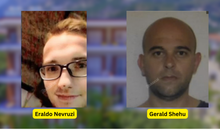
Eraldo Nevruzi was killed in Dhërmi, Greece refuses to extradite Gerald Shehu
2026-06-10 11:30:43
TNT explosion near the Nikulaj family in Lezha
2026-06-10 11:23:03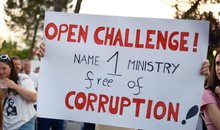
Këlliçi explodes against Rama: The truth is out in the open
2026-06-10 11:08:45
When the Ayatollah of Albania clashes with the Ayatollahs of Iran
2026-06-10 10:56:57

Gjirokastër/ A minor lost his life after going into the pool to bathe
2026-06-10 10:33:07

Balluku seeks reinstatement, Supreme Court draws lots for recourse
2026-06-10 09:51:13
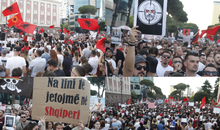
Elez Biberaj: Protests are not against Trump, but against kleptocracy
2026-06-10 09:30:57

Accused of attempted murder in Spain, 22-year-old arrested in Shëngjin
2026-06-10 08:46:20

Horoscope, what do the stars have in store for you today?
2026-06-10 08:17:52
Temperatures above 30 degrees, weather forecast for today
2026-06-10 08:00:52
Morning Post/ In 2 lines: What mattered yesterday in Albania
2026-06-10 07:47:57