 Flash News
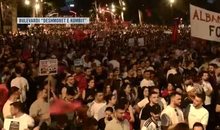
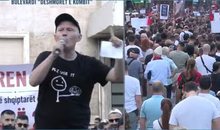
Protesters line up sneakers in front of the Prime Minister's Office as a symbol of immigration
Elon Musk becomes the world's first trillionaire
Armand Shakaj is suspected of killing and burying Eglant Koçi, which became a "bone of contention" between friends
Fuel prices are reduced, here's how much diesel and gasoline will be sold for
POLITICO publishes Rama's strong statement: Foreigners are more important than Albanians
Taulant Kopliku/ From Le Iene to the rescue of Alvin in Syria, investigative journalism at the limits of danger

Politiko
2026-06-13 19:15:17
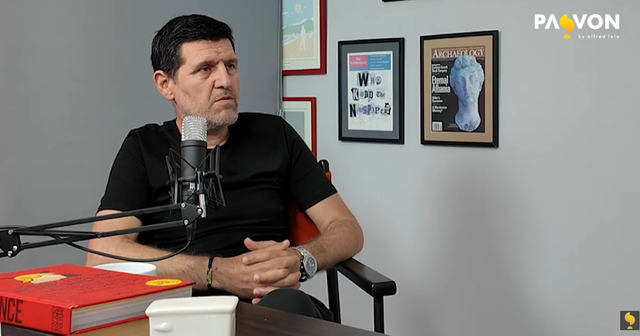
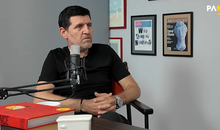
Investigative journalist Taulant Kopliku, known for his work on the famous Italian show "Le Iene" and most recently with "Piranjat" in Albania, was invited to Alfred Lela's "Pasvon" podcast to recount his extraordinary experiences, from the rescue of Alvin Berisha in ISIS camps to the challenges of investigative journalism in the country.
The “Le Iene” journalism school and Alvin’s rescue
Koplik describes his seven-year experience at “Le Iene” as “the greatest school of life.” Even though he has been working in Albania for four years now, he maintains strong ties with his former colleagues.
One of the cases that made him known to the Albanian public was the story of Alvin Berisha, the boy stranded in the camps of Syria. The persistence of Kopliku and his team made it possible for him to return home. “We have constant contact with Alvin’s father, Afrimi. That man and his son have remained like a tattoo on our souls,” says Kopliku, adding that Alvin today lives a normal life like any other Italian teenager in the province of Lecco.
According to him, this case showed the power of the media. “Alvin’s arrival was a spark that ignited a kind of revolt in Albania for the children and women left in those camps. Their numbers began to be revealed and, despite delays by the authorities, almost all the children have returned ,” he emphasizes.
Facing the reality of the Syrian camps
Koplik recounts his two visits to the camps in Syria, an experience he describes as shocking. He points out the stark contrast between Al-Hol camp, the "horror camp," and Roj camp, which served as a deradicalization center.
In Al-Hol, where about 80,000 people were held, the approach of indoctrinated children was extremely aggressive. “Those children need to be taken urgently, because every week that passes there only deepens their indoctrination ,” he explains.
"My cameraman was injured with stones, while the children made marks on our throats. The tension was constant, as ISIS cells were always around the camp trying to free their families."
In the Roj camp, the situation was completely different. The Albanian children were calm and approachable, while the women showed signs of remorse and a desire to return to normality. He singles out the story of Brunilda Koçollari, who, after losing several husbands in the war, managed to escape and today leads a normal life in Europe.
Investigative journalism in Albania: Between blackmail and pressure
Speaking on his show "Piranjat," Kopliku touches on some of the challenges of the Albanian media landscape. He talks about their departure from ABC News after the sale of the television station, describing coexistence with the new leaders as "difficult," where control over every topic was required.
Regarding the accusations that investigative shows impose "fines", Kopliku says: " It's a stereotype created by past experiences. What makes me happy is the fact that many people find support in us."
He reveals that 90% of the topics come from citizen reports, but many of them are dropped because whistleblowers are afraid to report them. “There are cases when citizens use us for blackmail. They come with documents for a debt and tell the other party ‘I got involved with the Piranhas.’ Once they resolve it, they tell us they no longer need us .”
Based on the philosophy of “Le Iene”, Kopliku believes that journalists should not be victimized for minor incidents. “Small clashes are part of the job. We should be quieter heroes, unlike the current practice where every time the microphone is pushed, a big noise is made.”
Shkodra and identity
At the end of the conversation, Kopliku talks about his connection to Shkodra. Regarding the expression “being from Shkodra, you do what you do,” he says with humor: “Others did it for us, but it suits us.” He describes Tirana simply as a place to work, while he always spends his weekends in his hometown.
Asked about the criticism he receives from fellow citizens for using standard language on television, he admits that "the people of Shkodra massacre him," but sees it as a professional obligation to be understandable to everyone.
Commenting on MP Mariana Koçeku's speech in dialect, he sees it as a positive sign of "the revival of the essence of Shkodra", although he emphasizes that the standard language remains necessary in institutions.
Watch the full interview:
Latest news



Berisha: Let's follow Rama a minute ago, he doesn't think only about Albanians
2026-06-13 18:40:24
Berisha: Albania can never be called a developed country with a backward village
2026-06-13 18:03:24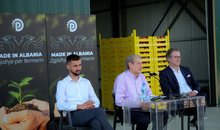


Elon Musk becomes the world's first trillionaire
2026-06-13 16:53:03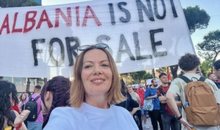
Former Rama supporter, famous actress joins mass protest in Tirana
2026-06-13 16:30:04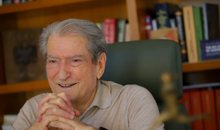
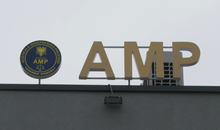
Saranda Police officer under house arrest for building without a permit
2026-06-13 15:39:15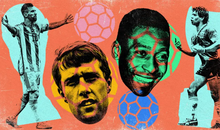
Messi, Maradona or Pele? Ranking the 10 best World Cup legends
2026-06-13 15:18:50
11 robberies within a few days in Lezha, 21-year-old arrested, his friend wanted
2026-06-13 15:00:05
10 little tricks that make plane travel more comfortable
2026-06-13 14:51:56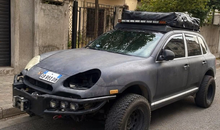
This is the vehicle in which Eglant Koç's body was allegedly transported.
2026-06-13 14:31:46
Valuables trafficking scheme busted, assets worth around 2 million euros seized
2026-06-13 14:10:15

Slogans against him in protest, Berisha: Don't let the leaves hinder the trunk
2026-06-13 13:30:29
Builder Ilir Shtufi's connections to cocaine trafficking money
2026-06-13 13:12:48
Fuel prices are reduced, here's how much diesel and gasoline will be sold for
2026-06-13 12:24:08
American television: Protests are turning into an open challenge to Rama
2026-06-13 11:41:41
Accident in Tepelena, three vehicles collide
2026-06-13 11:23:56



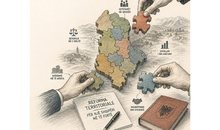
Territorial reform, battle for borders or for governance
2026-06-13 09:00:26
Horoscope, discover the star forecast for your sign
2026-06-13 08:39:34
Weather forecast, how temperatures will vary throughout the day
2026-06-13 08:19:26
Morning Post/ In 2 lines: What mattered yesterday in Albania
2026-06-13 07:56:59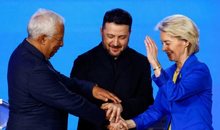
EU paves the way for Ukraine and Moldova to join
2026-06-12 22:07:27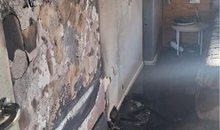
Fire in an apartment in Vlora
2026-06-12 21:52:12
Stop eating like this now!/ Alimehmeti breaks myths about the modern diet
2026-06-12 21:32:30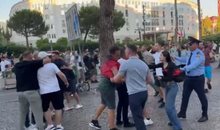
Tensions at the protest, citizens clash with SP supporters
2026-06-12 21:18:18
Knife wound in Vlora/ One person is urgently transported to hospital
2026-06-12 20:59:13
SPAK closes investigations into socialist mayor Erion Isai
2026-06-12 20:42:16
'Spicy' banners from citizens' protest: This government has expired
2026-06-12 20:19:46
Law on Protected Areas, Civil Society Boycotts Consultation Processes
2026-06-12 19:46:37

Kosovo remains "blocked" in European integration
2026-06-12 19:00:57
Thousands of citizens demand his removal, Rama: Influenced by disinformation
2026-06-12 18:49:56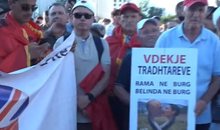
Goditja e 2 grupeve kriminale nga SPAK, Bardhi: Të hetohet roli i Ramës
2026-06-12 18:16:04
Businessman Ilir Shtufi arrested in Greece on money laundering charges
2026-06-12 17:30:42

A Secretary of State who elevates the United States of America
2026-06-12 16:58:04
The economy is pushing young people to become parents later
2026-06-12 16:40:37

Facebook down for millions of users
2026-06-12 16:08:21
Maliq, 12-year-old boy found dead in apartment
2026-06-12 16:02:47
Rama donates the "Zyber Hallulli" Children's Home to build a 35-story tower
2026-06-12 15:40:32
I ate the grass, did you?
2026-06-12 15:22:18
Peqin Prison like Dubai, Artan Hoxha releases video: 7-star hotel cell
2026-06-12 15:01:07
Heat wave is coming, thermometer expected to reach up to 35°C
2026-06-12 14:50:05

Why is the birth rate falling? Two new studies blame smartphones
2026-06-12 14:37:35
Inversion of the population pyramid, more retirees than young people in work
2026-06-12 14:19:21
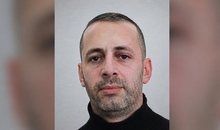
Photo/ Who is Luçiano Koçeku, the 'head' of the drug gang hit by SPAK?
2026-06-12 13:32:43
They had rented apartments for prostitution, 3 foreigners arrested in Tirana
2026-06-12 12:19:38
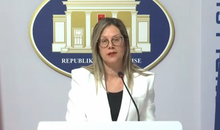

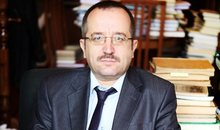
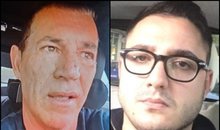
SPAK operation, arrest warrants issued revealed; who are the people targeted?
2026-06-12 10:31:45
SPAK operation, 20 security measures executed, businessman in handcuffs
2026-06-12 09:55:39


Foreign exchange, how much foreign currencies are sold and bought today
2026-06-12 09:07:19

Horoscope, what do the stars have in store for you today?
2026-06-12 08:43:15
Cloudy and light rain, weather forecast
2026-06-12 08:12:28
Posta e mëngjesit/ Me 2 rreshta: Çfarë pati rëndësi dje në Shqipëri
2026-06-12 07:55:47
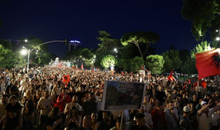
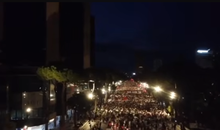
Protesters 'challenge' the World Cup, a flood of people in the streets of Tirana
2026-06-11 22:01:36