 Flash News
25-year-old found dead in Astir
Police provide details from the arrest of Moisi Habilaj in Borsh: How the drug trafficking convict was located
Posta e mëngjesit/ Me 2 rreshta: Çfarë pati rëndësi dje në Shqipëri
Protesters line up sneakers in front of the Prime Minister's Office as a symbol of immigration
Elon Musk becomes the world's first trillionaire
Albania, with a high percentage of girls who excel in mathematics

Politiko
2026-06-14 11:14:10
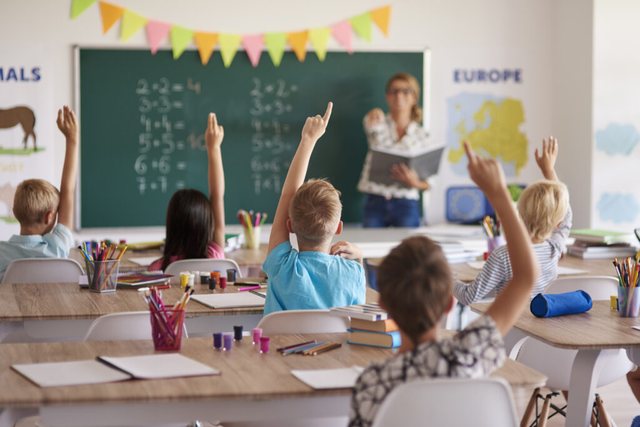
The 2022 Global PISA test showed a sharp decline in the knowledge of 15-year-old Albanian students, but a detailed analysis by the Organization for Economic Cooperation and Development (OECD) shows that Albania has a high percentage of talented girls in mathematics in the country, compared to developing and developed countries in Europe.
The data is highlighted in the latest economic outlook report of the European Bank for Reconstruction and Development.
Data shows that in Albania, girls make up about 40% of the group classified in the top 2% of excellent students in mathematics, a figure higher than the average for G7 countries.
The study shows that girls are generally gaining more ground in mathematics and Albania is ranked in a group of countries where the representation of girls in the top 2% of students in mathematics is relatively high.
But Malaysia or Mongolia, Bosnia, Russia, girls have higher percentages among math talents in their countries.
In post-communist countries like Albania, this gap is about half of that observed in other economies, which indicates the stronger tradition of women's inclusion in education and technical fields.
The study's experts assessed that the legacy of post-communist countries, where women's participation in the labor market and in STEM fields has been historically higher, is positively influencing the narrowing of the gender talent gap. This creates significant potential for competitive advantage in the modern economy, if these trends are supported by sustainable educational and social policies.
On a global scale, the gender gap in mathematics, especially in advanced economies, widens greatly at excellence, where the difference does not triple compared to developing countries like Albania.
Preparing girls in mathematics can serve as a tool for attracting foreign investment in high-value sectors.
This high level of girls at the highest academic levels is an extraordinary and untapped resource in the digital age.
In a market where global demand for analytical, programming, and engineering skills is growing rapidly, human capital well-trained in mathematics is a potential that must be exploited./ Monitor
Latest news

Barazimi në debutim, Ancelotti: Kupa nuk fitohet në ndeshjen e parë
2026-06-14 12:30:43

25-year-old found dead in Astir
2026-06-14 11:28:53
Albania, with a high percentage of girls who excel in mathematics
2026-06-14 11:14:10
From Tirana to New York, the Albanian diaspora rises in protest against Rama
2026-06-14 10:51:50

China surpasses Russia as the largest foreign investor in Central Asia
2026-06-14 09:54:58
Tirana/ Officer ends his life with his service weapon
2026-06-14 09:37:23
Foreign exchange, the rate at which foreign currencies are sold and bought
2026-06-14 09:17:06
Revolta e “të përjashtuarve”
2026-06-14 08:59:46
Horoskopi, njihuni me parashikimin e yjeve
2026-06-14 08:40:25
Temperatura deri në 34 gradë celsius, si parashikohet moti për sot
2026-06-14 08:28:06
Posta e mëngjesit/ Me 2 rreshta: Çfarë pati rëndësi dje në Shqipëri
2026-06-14 08:07:11







Berisha: Let's follow Rama a minute ago, he doesn't think only about Albanians
2026-06-13 18:40:24

Berisha: Albania can never be called a developed country with a backward village
2026-06-13 18:03:24


Elon Musk becomes the world's first trillionaire
2026-06-13 16:53:03
Former Rama supporter, famous actress joins mass protest in Tirana
2026-06-13 16:30:04
Saranda Police officer under house arrest for building without a permit
2026-06-13 15:39:15
Messi, Maradona or Pele? Ranking the 10 best World Cup legends
2026-06-13 15:18:50
11 robberies within a few days in Lezha, 21-year-old arrested, his friend wanted
2026-06-13 15:00:05
10 little tricks that make plane travel more comfortable
2026-06-13 14:51:56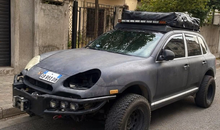
This is the vehicle in which Eglant Koç's body was allegedly transported.
2026-06-13 14:31:46
Valuables trafficking scheme busted, assets worth around 2 million euros seized
2026-06-13 14:10:15

Slogans against him in protest, Berisha: Don't let the leaves hinder the trunk
2026-06-13 13:30:29
Builder Ilir Shtufi's connections to cocaine trafficking money
2026-06-13 13:12:48

Fuel prices are reduced, here's how much diesel and gasoline will be sold for
2026-06-13 12:24:08

American television: Protests are turning into an open challenge to Rama
2026-06-13 11:41:41
Accident in Tepelena, three vehicles collide
2026-06-13 11:23:56




Territorial reform, battle for borders or for governance
2026-06-13 09:00:26
Horoscope, discover the star forecast for your sign
2026-06-13 08:39:34
Weather forecast, how temperatures will vary throughout the day
2026-06-13 08:19:26
Morning Post/ In 2 lines: What mattered yesterday in Albania
2026-06-13 07:56:59
EU paves the way for Ukraine and Moldova to join
2026-06-12 22:07:27
Fire in an apartment in Vlora
2026-06-12 21:52:12
Stop eating like this now!/ Alimehmeti breaks myths about the modern diet
2026-06-12 21:32:30
Tensions at the protest, citizens clash with SP supporters
2026-06-12 21:18:18
Knife wound in Vlora/ One person is urgently transported to hospital
2026-06-12 20:59:13
SPAK closes investigations into socialist mayor Erion Isai
2026-06-12 20:42:16
'Spicy' banners from citizens' protest: This government has expired
2026-06-12 20:19:46
Law on Protected Areas, Civil Society Boycotts Consultation Processes
2026-06-12 19:46:37

Kosovo remains "blocked" in European integration
2026-06-12 19:00:57
Thousands of citizens demand his removal, Rama: Influenced by disinformation
2026-06-12 18:49:56
Goditja e 2 grupeve kriminale nga SPAK, Bardhi: Të hetohet roli i Ramës
2026-06-12 18:16:04
Businessman Ilir Shtufi arrested in Greece on money laundering charges
2026-06-12 17:30:42

A Secretary of State who elevates the United States of America
2026-06-12 16:58:04
The economy is pushing young people to become parents later
2026-06-12 16:40:37

Facebook down for millions of users
2026-06-12 16:08:21
Maliq, 12-year-old boy found dead in apartment
2026-06-12 16:02:47
Rama donates the "Zyber Hallulli" Children's Home to build a 35-story tower
2026-06-12 15:40:32
I ate the grass, did you?
2026-06-12 15:22:18
Peqin Prison like Dubai, Artan Hoxha releases video: 7-star hotel cell
2026-06-12 15:01:07
Heat wave is coming, thermometer expected to reach up to 35°C
2026-06-12 14:50:05

Why is the birth rate falling? Two new studies blame smartphones
2026-06-12 14:37:35
Inversion of the population pyramid, more retirees than young people in work
2026-06-12 14:19:21

Photo/ Who is Luçiano Koçeku, the 'head' of the drug gang hit by SPAK?
2026-06-12 13:32:43



They had rented apartments for prostitution, 3 foreigners arrested in Tirana
2026-06-12 12:19:38