 Flash News
11 days after Eglant Koç's disappearance, Armando Shakaj still on the run
Accident on the Fier-Libofshë road, 4 injured
Extradited from Spain, GJKKO leaves Erzen Breçani's son in prison
Former Kosovo minister sentenced to two years in prison for conflict of interest
He was killed by a hail of bullets inside a vehicle, photo of the victim in Mirdita emerges
Situation in hospitals, DP requests urgent interpellation with the Minister of Health

Politiko
2026-06-15 15:03:53
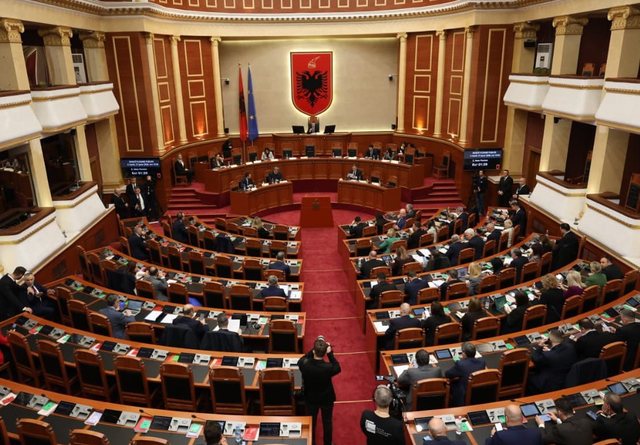
The Democratic Party Parliamentary Group has filed a request in the Assembly for an urgent interpellation with the Minister of Health, Evis Sala, raising concerns regarding the situation in the country's hospitals.
In the request, the deputies emphasize that the healthcare system continues to face serious problems in digital infrastructure, the lack of specialized services, and the excessive centralization of services in Tirana.
Deputies point out that many patients are forced to seek private treatment or abroad.
They also criticize the centralization of services in Tirana, emphasizing that patients from the districts are forced to travel frequently for prescriptions, authorizations, and administrative procedures that can be performed closer to home.
" Patients from Shkodra, Berat, Kukës, Dibra, Korça, Gjirokastra, Vlora, Fier and other areas of the country continue to be forced to travel to Tirana even for routine administrative procedures and basic reimbursable medicines."
Patients with chronic neurological and cardiovascular diseases periodically present to the QSUT only to receive prescriptions or authorizations, which they must then submit to their family doctor in the city or village where they live, in order to receive reimbursed medications.
"This situation forces thousands of chronic patients to miss work days, face travel costs, and go through bureaucratic procedures just to ensure continuity of treatment," their request states, among other things.
FULL LETTER:
Speaker of the Parliament of Albania
Dear Mr. Chairman,
In support of Article 80, point 1 of the Constitution of the Republic of Albania, as well as Article 97 of the Rules of Procedure of the Assembly, we request an urgent interpellation with the Minister of Health and Social Welfare on the real state of the public health system in Albania and the lack of a serious strategy for its modernization.
Today, Albanian citizens face every day a centralized, fragmented healthcare system that falls far short of European standards. The problems are not only related to a lack of investment, but also to a lack of organization, planning, and long-term vision.
Many public health services still lack the basic elements of a modern system: functional digital infrastructure, national clinical registries, coordination between hospitals, life-saving medicines, and equal patient access to services.
- DIGITAL HOSPITAL INFRASTRUCTURE
In 2026, doctors and healthcare personnel at the QSUT and regional hospitals continue to work with primitive digital infrastructure.
- Nuk ekziston një sistem kombëtar funksional i kartelës elektronike mjekësore (EMR), duke krijuar fragmentim total të të dhënave ndërmjet spitaleve dhe mjekut të familjes;
- Imazhet diagnostike (CT, MRI, ekografi) vazhdojnë të transportohen fizikisht dhe jo në mënyrë elektronike përmes sistemit PACS;
- Nuk maten tregues bazikë klinikë si mortaliteti post-infarkt, rishtrimet në 30 ditë apo koha door-to-balloon në urgjencat kardiake;
- Personeli mjekësor përdor telefona personalë për komunikime urgjente klinike, në mungesë të një sistemi institucional komunikimi.
Këto janë standarde minimale funksionimi në çdo vend europian dhe nuk mund të mungojnë në sistemin publik shëndetësor të një vendi kandidat për Bashkimin Europian.
- MUNGESA E SHËRBIMEVE DHE TRAJTIMIT TË SPECIALIZUAR
Në QSUT mungojnë ende shërbime dhe teknologji që përbëjnë standard bazik në qendrat universitare europiane.
Aktualisht:
- mungon një sistem i plotë dhe funksional për elektrofiziologji dhe ablacion kardiak;
- mungojnë procedura të avancuara si TAVI dhe trajtimi strukturor i zemrës;
- mungon asistenca mekanike për zemrën (Impella, ECMO) në rastet e shokut kardiogjen;
- mungon scintigrafia kardiake funksionale në sistemin publik;
- kapacitetet për MRI mbeten të pamjaftueshme për volumin real të pacientëve.
Si pasojë, shumë pacientë shqiptarë detyrohen të paguajnë privatisht për trajtime që duhet të garantohen nga sistemi publik, të kërkojnë trajtim jashtë vendit me kosto të papërballueshme ose, në rastet më të rënda, të mbeten pa trajtim në kohë.
Njëkohësisht, barnat jetësore në urgjencat spitalore vazhdojnë të mungojnë periodikisht.
Ka pasur raste mungese të barnave esenciale si:
- Amiodarone IV për aritmitë malinje;
- Adenozina për takiaritmitë supraventrikulare.
Është e papranueshme që në një qendër universitare kombëtare të mungojnë barna bazike të emergjencës kardiake.
III. CENTRALIZIMI I SISTEMIT DHE PABARAZIA RAJONALE
Pacientët nga Shkodra, Berati, Kukësi, Dibra, Korça, Gjirokastra, Vlora, Fieri dhe zona të tjera të vendit vazhdojnë të detyrohen të udhëtojnë drejt Tiranës edhe për procedura rutinë administrative dhe barna bazike të rimbursueshme.
Pacientët me sëmundje kronike neurologjike dhe kardiovaskulare paraqiten periodikisht në QSUT vetëm për të marrë receta apo autorizime, të cilat më pas duhet t’ia dorëzojnë mjekut të familjes në qytetin apo fshatin ku jetojnë, për të përfituar medikamentet me rimbursim.
Kjo situatë i detyron mijëra pacientë kronikë të humbasin ditë pune, të përballojnë kosto udhëtimi dhe të kalojnë procedura burokratike vetëm për të siguruar vazhdimësinë e trajtimit.
Ndër medikamentet që në shumë raste kërkojnë ndjekje dhe autorizim të centralizuar në QSUT përfshihen:
- Sacubitril/Valsartan për pacientët me insuficiencë kardiake;
- antikoagulantë modernë si Edoxaban dhe Apixaban;
- Dapagliflozina për pacientët me insuficiencë kardiake dhe sëmundje kronike të veshkave
- Pregabalina për neuropatinë periferike;
- barna për trajtimin e Alzheimerit si Memantina dhe Donepezili.
These are just a few of the medicines for which patients from the districts continue to be forced to travel to Tirana for routine administrative procedures and periodic authorizations.
At the same time, there is no national registry for Multiple Sclerosis, Albania remains outside European networks such as MSBase and EAN, while patients with severe disabilities continue to be forced to physically appear in Tirana for administrative commissions.
This model has created an unfair and centralized system, where access to services continues to depend on the citizen's residence and economic opportunity.
A serious state is not measured by propaganda, conferences or hospital facades, but by the ability to guarantee citizens dignified treatment, on time and close to their place of residence. Today, thousands of Albanian patients continue to face a lack of medicines, absurd bureaucracy and forced trips to Tirana even for basic services that the public system is obliged to guarantee.
A public health system cannot be sustained by improvisation, extreme centralization, and propaganda, while patients continue to face lack of treatment, bureaucracy, and inequality in access every day.
Under these conditions, I request that this interpellation be held in plenary session, in accordance with the Rules of Procedure of the Assembly.
Based on constitutional and parliamentary rights, I request that this request be registered in the Assembly protocol and processed according to the relevant provisions.
Latest news
Accident in Shëngjin, car collides with motorcycle, two injured
2026-06-15 16:35:15
11 days after Eglant Koç's disappearance, Armando Shakaj still on the run
2026-06-15 16:20:48
Hydration or tactical advantage? New World Cup rule sparks debate
2026-06-15 16:11:33
Rama continues with attacks and insults against protesters, Lubonja: Desperate
2026-06-15 15:59:54
After leaving the SP, Marjana Koçeku joins the protest against Rama
2026-06-15 15:51:48
Why should you leave the closet open on hot days?
2026-06-15 15:40:05
Accident on the Fier-Libofshë road, 4 injured
2026-06-15 15:22:39


The biggest failures in World Cup history, Curaçao added to the list
2026-06-15 14:32:47
Extradited from Spain, GJKKO leaves Erzen Breçani's son in prison
2026-06-15 14:20:21
Former Kosovo minister sentenced to two years in prison for conflict of interest
2026-06-15 14:12:43
Virgil van Dijk plays final tournament with Netherlands
2026-06-15 13:59:58
Milan finds Igli Tara's replacement after dismissal
2026-06-15 13:47:14
Euro breaks new records, drops below 94.9 lek
2026-06-15 13:42:47

Spain and Belgium take to the field, De la Fuente saves Lamine Yamal
2026-06-15 13:28:09
Sentenced to life imprisonment, Gerd Gjinarari is arrested in Belgium
2026-06-15 13:01:57
Montenegro rejects Vučić's accusations of hybrid war against Serbia!
2026-06-15 12:50:22
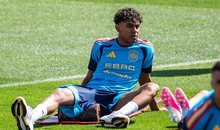
World Cup 2026/ Spain and Belgium take to the field tonight
2026-06-15 12:31:11
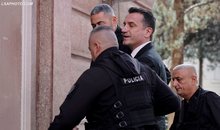
By March 2026, Veliaj and his brother had paid $430,000 for lobbying.
2026-06-15 12:05:12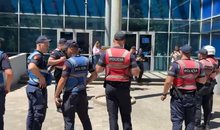
Fight inside the glass cage, defendants rape each other in the GJKKO
2026-06-15 11:50:46
Heat wave comes to Albania, temperatures up to 40 degrees
2026-06-15 11:35:40
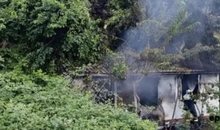
House burns down, four brothers lose their lives in fire in Greece
2026-06-15 10:32:13
Received payments for applications and studies abroad, administrator faces court
2026-06-15 10:25:07
Murder in Mirdita, victim had escaped an assassination attempt three months ago
2026-06-15 10:07:08

Why did Bulgaria stop supplying weapons to Ukraine?
2026-06-15 09:37:19
A person was shot dead in Mirdita, the victim was identified
2026-06-15 08:54:56

Maximum temperatures reach 30°C, weather forecast for today
2026-06-15 07:57:16
The American umbrella begins to close for the Balkans
2026-06-15 07:35:40
Morning Post/ In 2 lines: What mattered yesterday in Albania
2026-06-15 07:00:19
Germany kicks off 2026 World Cup with a bang, defeats debutants Curacao 7-1
2026-06-14 21:53:29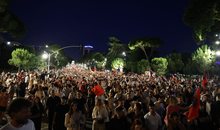
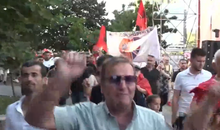
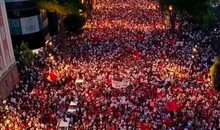
Protest ends, march begins in the streets of Tirana: Revolution! Rama must go!
2026-06-14 21:40:41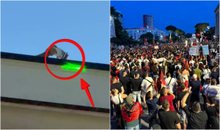
Masked people film the crowd, citizens identify them with lasers
2026-06-14 21:18:36
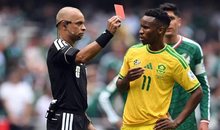
2026 World Cup referees to receive record salaries
2026-06-14 17:59:47
"Rama goes" echoes in Munich, Albanian diaspora in protest in Germany
2026-06-14 17:38:23

"Rama is gone", German Albanians protest in Berlin against the government
2026-06-14 15:38:41
World Cup 2026/ Germany and the Netherlands take to the field today
2026-06-14 15:20:29
Mes kritikave, BE-ja pret talibanët për herë të parë në Bruksel
2026-06-14 15:01:48
Tragedy in Prizren, 27-year-old stabbed to death after fight between cousins
2026-06-14 14:41:11
Haiti – Skocia, një ndeshje që riktheu magjinë e futbollit
2026-06-14 14:18:57
Shqipëria jashtë fushës, por në lojën e milionave të Botërorit
2026-06-14 13:58:01
Berisha - Ramës: Jep dorëheqjen, protestat nuk do të ndalen
2026-06-14 13:25:06
Marrëveshja për t’i dhënë fund luftës Iran-SHBA shumë afër
2026-06-14 12:58:53
Si u trafikuan tonelata me kokainë nga Amerika Latine në portet e Europës
2026-06-14 12:51:12
Barazimi në debutim, Ancelotti: Kupa nuk fitohet në ndeshjen e parë
2026-06-14 12:30:43

25-year-old found dead in Astir
2026-06-14 11:28:53
Albania, with a high percentage of girls who excel in mathematics
2026-06-14 11:14:10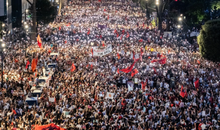
From Tirana to New York, the Albanian diaspora rises in protest against Rama
2026-06-14 10:51:50
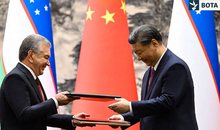
China surpasses Russia as the largest foreign investor in Central Asia
2026-06-14 09:54:58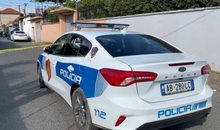
Tirana/ Officer ends his life with his service weapon
2026-06-14 09:37:23
Foreign exchange, the rate at which foreign currencies are sold and bought
2026-06-14 09:17:06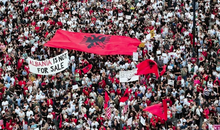
Revolta e “të përjashtuarve”
2026-06-14 08:59:46
Horoskopi, njihuni me parashikimin e yjeve
2026-06-14 08:40:25
Temperatura deri në 34 gradë celsius, si parashikohet moti për sot
2026-06-14 08:28:06
Posta e mëngjesit/ Me 2 rreshta: Çfarë pati rëndësi dje në Shqipëri
2026-06-14 08:07:11