 Flash News
The mayor of Roskovec appears before SPAK
SPAK operation in Devoll, searches in the apartment of the former head of the Municipal Police
The banner that "touched" Klosi: Rama or Bela, who was the reason?
Is Rama "getting scared"? Here's what's happening to his sculpture in Switzerland
The crime that shocked Lezha, the person who hid the car of the perpetrators of the murder of the Mujeci couple is arrested
Journalists complain about restrictions in courts, seek intervention from the Supreme Court of Kosovo

Politiko
2026-06-18 12:14:58
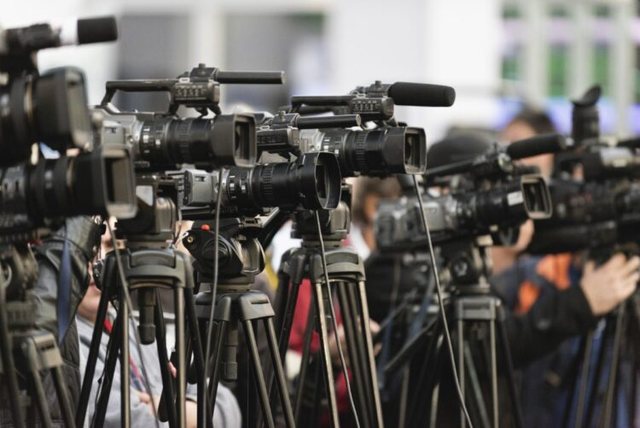
Television journalists are encountering daily obstacles in covering court proceedings. Although there is a special Instruction of the High Judicial Council, which determines access to the media, and especially the presence of television cameras in court sessions, this document is being used mostly as a deterrent mechanism, often and openly violated.
This phenomenon becomes even more worrying, while important judicial processes have been initiated at the GJKKO, involving influential figures in the country's political life, and as a result, public interest is extremely high.
Under these conditions, some of the main television stations have addressed the High Judicial Council (for information, courts of all levels, as well as the Council of Europe and the OSCE Representative on Freedom of the Media) to request immediate intervention to guarantee the right to information, a principle sanctioned in the country's Constitution.
Below is the full text of the letter sent to the Supreme Court signed by: NEWS 24, Top Channel, TV KLAN, Vizion Plus, Report TV, A2 CNN, Klan NEWS.
Letter:
We are writing to express our concern about the recent situations regarding the presence of cameras during court proceedings.
Since 2023, the Supreme Court of Justice has approved the “Standard Guide to Court Relations with the Public and the Media”. Article 14, point 7 provides that the introductory part of the hearing “shall be recordable and broadcast without any restrictions”. The fact is that this provision has been openly ignored until now, and was only implemented after some defendants, important public figures, recently requested the presence of cameras.
Article 13, point 1, of the HLGJ Guidelines stipulates that “court hearings are open to the public and the media.” However, this provision remains limited in practice.
According to the instruction, the media is obliged to submit a request for its presence with a camera 24 hours before each session. This automatically means that the judge should also be obliged to evaluate it each time it is presented, and to express a reasoned decision to reject it (so far every request has been rejected). But in practice we are encountering cases where the rejection refers to decisions made several months ago.
Article 2, point 1, of your Instruction provides that “The relationship of the court with the public and the media is based on the principles of equal access to the courts, the public nature of the judicial process, the maximum openness of judicial activity to society through communication with the public, the right to information, the protection of human dignity, privacy and personal data, reputation, and the presumption of innocence.”
Në balancën e këtyre parimeve, qartazi, ai i të drejtës së informimit, i sanksionuar në Kushtetutë, duket se renditet i fundit, nga trupat gjyqësore, pa asnjë përpjekje për të gjetur një ekuilibër të duhur me parimet e tjera. Në praktikë po ndeshemi, me referimin e cenimit të parimeve të tjera, për të penguar atë të së drejtës së informimit.
Parashikimi juaj në nenin 14, pika 8/b, për refuzimin e kërkesës “kur një nga subjektet në gjykim nuk dëshiron të regjistrohet seanca”, po përdoret gjerësisht si shkas për moslejimin e pranisë së kamerave, ndonëse i njejti nen, në pikën 6/b, i njeh të drejtën gjyqtarit “të lejojë ose ndalojë regjistrimin e pjesshëm të seancës”, pra ta zbatojë këtë të drejtë, kur të jetë rradha e dëshmisë së të pandehurit që nuk dëshiron të rregjistrohet, dhe jo ndalimin e rregjistrimit të të gjithë seancës. A nuk përbën ky rast, një cënim të të drejtave të palëve të tjera në gjykim që e kërkojnë rregjistrimin?
Për më tepër neni 14, pika 8/b, përcakton shprehimisht se avokati dhe prokurori nuk mund të kundërshtojnë kërkesat për rregjistrimin e seancës. E megjithatë jemi dëshmitarë të rasteve, kur edhe ata janë shprehur në seancë.
Të nderuar anëtarë të KLGJ-së,
seancat gjyqësore publike, nuk mund të nënkuptojnë vetëm publikun në sallë. Përndryshe, ky nocion do të ishte automatikisht i kufizuar, qoftë dhe vetëm për shkak të kushteve fizike të mjedisit ku zhvillohet procesi. Mediat, janë ato që shërbejnë në këtë rast, që ky nocion të përfshijë publikun e gjerë të interesuar.
Aq më i rëndësishëm bëhet ky rol i mediave, kur asnjë prej gjykatave shqiptare, nuk ofron një sistem qendror transmetimi audioviziv. Madje edhe rregjistrimi audio, i ofrohet, çuditërisht, vetëm palëve të interesuara në proces, ndërsa gazetarët nuk lejohen as ta bëjnë atë vetë në sallë. Një kerkesë minimale e cila vetëm sa do të përforconte garancitë për një pasqyrim besnik të deklarimeve të palëve në një proces gjyqësor. Regjistrimi audio i seancave gjyqësore përmes magnetofonit, të cilin çdo gazetar e ka mbajtur gjithmonë me vete, ka qenë një praktikë e zbatuar për vite me radhë nga të gjithë gazetarët shqiptarë, por që çuditërisht tani është ndaluar, bashkë me regjistrimet video.
E drejta e informimit dhe seancat publike, siç parashikohen parimisht dhe në Udhëzimin e KLGJ-së përfaqësojnë një rregull. Për fat të keq eksperienca e deritanishme, tregon se po trajtohen në një raport të përmbysur, si “përjashtim nga rregulli”.
Brenda listës së pengesave që rëndojnë çdo ditë punën e gazetarëve në pasqyrimin e seancave gjyqësore, duhet të rendisim edhe ndalimin e të drejtës për të studiuar dosjet gjyqësore, tashmë të disponueshme edhe në formë dixhitale. Ndryshe nga çfarë ndodh në vendet europiane, gazetarët nuk kanë të drejtë as t’i lexojnë dosjet e gjyqeve që trajtohen publikisht gjatë seancave. Të vetmet “letra” që kanë sot në dispozicion gazetarët janë ato që vihen në dispozicion në mënyrë tepër selektive nga njëra prej palëve në gjyq.
In this situation, we request the prompt intervention of the Supreme Court of Justice, so that a solution can be found that does not violate the right to information. The Supreme Court of Justice could provide a more detailed interpretation that would allow the media to carry out their mission without hindrance, narrowing the discretionary space for refusing their requests to follow court hearings and enabling reporting to the public with maximum accuracy, as can only be guaranteed through audio and video recordings.
Latest news
Excavations reveal mosaics from an early phase of the Elbasan Basilica
2026-06-18 12:55:41
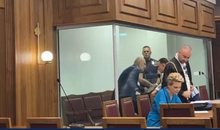
Tensions in the trial against Meta, Kryemadhi and lawyer Cakrani fined
2026-06-18 12:37:26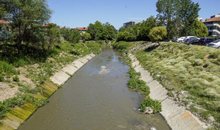
56 million euros spent, no functional plant: Tirana "floats" in sewage
2026-06-18 12:29:00
The mayor of Roskovec appears before SPAK
2026-06-18 12:19:46
"Don't point the finger at me," parliamentary session is interrupted again
2026-06-18 12:05:28



The banner that "touched" Klosi: Rama or Bela, who was the reason?
2026-06-18 10:41:15


The signing of the US-Iran agreement lowers the price of oil on world markets
2026-06-18 09:49:07
Eating these foods helps cool the body during the summer heat
2026-06-18 09:41:18

Long lines and missed flights: EU warns of border easing during summer
2026-06-18 08:58:04

Prices 'fly', wages lag behind/ Albania surpasses the EU in food prices
2026-06-18 08:16:14

Weather forecast for today
2026-06-18 07:45:37
Horoscope June 18, 2026, discover the star predictions
2026-06-18 07:26:13
Morning Post/ In 2 lines: What mattered yesterday in Albania
2026-06-18 07:00:51
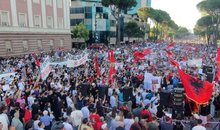
"We will be given capital", the spicy banners from the protest
2026-06-17 22:58:52

Actor and director Gjergji Lala dies at the age of 79
2026-06-17 22:14:10

Marta Kos's statement, DP reacts: It is based on Rama's false information
2026-06-17 21:37:31
A debut to forget, Ronaldo fails to make the difference in Portugal's equalizer
2026-06-17 21:22:15


Neo-mountaineering and Neo-security
2026-06-17 20:16:49
Ronaldo continues to defy time, sets new World Cup record
2026-06-17 19:52:19

Does Botox go to the brain? Here's what doctors say
2026-06-17 19:00:18


Suspected call center fraud scheme busted in Tirana, 7 arrested
2026-06-17 16:51:11


SP reacts after Koçek's statement about Eid
2026-06-17 14:51:45
Protest/ Police prosecute 16 citizens and announce 2 others wanted
2026-06-17 14:01:20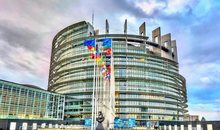
EP report on Albania, alarm on elections, corruption, media and environment
2026-06-17 13:46:15


Renowned actor Gjergji Lala dies
2026-06-17 12:30:31

45-year-old man in Memaliaj injured after falling from scaffolding at work
2026-06-17 12:14:54
Eurostat: Albania, penultimate in Europe for well-being
2026-06-17 12:00:59
Berisha: DP supports the protest, Rama leads a regime without legitimacy
2026-06-17 11:34:55

Transparency Board sets new fuel prices, diesel and gasoline prices decrease
2026-06-17 11:24:32

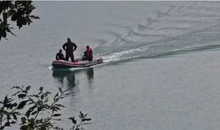
Search continues in Ulza Lake for missing 37-year-old
2026-06-17 10:40:55

Nosebleeds and stress: what you need to know
2026-06-17 10:21:39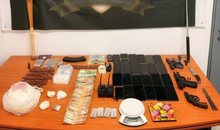
Cocaine trafficking network dismantled in Athens, 11 Albanians involved
2026-06-17 10:11:29
General Eric Wendt confirmed as US Ambassador to Albania
2026-06-17 09:58:32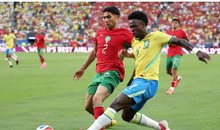
Brazil-Morocco match breaks World Cup viewership record
2026-06-17 09:49:50

Accident in Fier-Lushnjë, two people end up in hospital
2026-06-17 09:12:44
Foreign exchange rate June 17/ How much the dollar and euro are bought and sold
2026-06-17 08:56:35