 Flash News
Transparency Board sets new fuel prices, diesel and gasoline prices decrease
Search continues in Ulza Lake for missing 37-year-old
Foreign exchange rate June 17/ How much the dollar and euro are bought and sold
Analysis by "The Brussels Times": Why did Rama and Vučić benefit more from delay than from membership?
Who is Shpëtim Aliu, the key link in the cocaine trafficking that was hidden behind the name "Salvadore"?
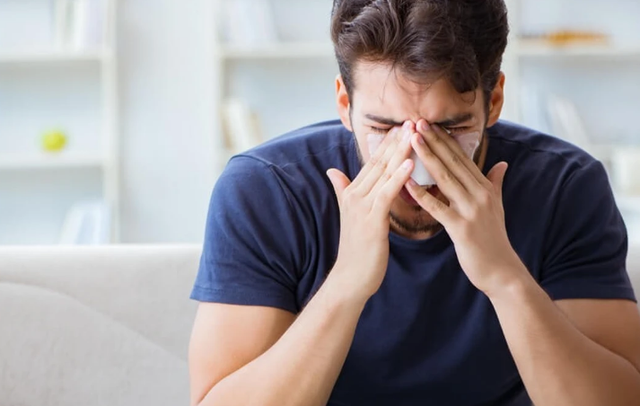
Nosebleeds, known in medicine as epistaxis, are a common problem that can appear suddenly and at any age.
In most cases, it is related to dryness of the nasal mucosa, local irritation, allergies, or upper respiratory tract infections.
Is stress related to nosebleeds?
Stress is not considered a direct cause of nosebleeds. However, it can have an indirect impact in some cases.
When a person is under stress, the body activates stress hormones such as adrenaline and cortisol, which can cause a temporary increase in blood pressure. This is usually not enough to cause bleeding in healthy people.
However, in people with hypertension, dry mucous membranes, fragile blood vessels, or allergies, these changes can increase susceptibility to bleeding.
Also, during stress, some people may touch or rub their nose unconsciously, irritating the mucous membrane and damaging small blood vessels.
Why do nosebleeds happen so often?
The nose has many small blood vessels that are located very close to the surface of the mucous membrane, especially in the front part. For this reason, even minor irritations can cause bleeding.
The most common causes are:
dry air (winter or air conditioning)
allergies
respiratory infections
strong nose blowing
itchy or irritated nose
hypertension
blood thinners
coagulation disorders
What to do when bleeding starts:
sit up straight and lean forward slightly
press the soft part of the nose
maintain pressure for 10–15 minutes without interruption
breathe through your mouth
Do not tilt your head back, because blood can go into your throat and cause other discomfort.
Seek medical help if:
bleeding lasts more than 10–15 minutes
often repeated
it is very strong
occurs after an injury
is accompanied by dizziness or weakness
you are using blood-thinning medications
Nosebleeds are usually a harmless and temporary condition. Stress may have a small indirect impact, but the main causes remain dryness of the mucous membrane and local irritation.
Latest news

45-year-old man in Memaliaj injured after falling from scaffolding at work
2026-06-17 12:14:54
Eurostat: Albania, penultimate in Europe for well-being
2026-06-17 12:00:59

Berisha: DP supports the protest, Rama leads a regime without legitimacy
2026-06-17 11:34:55
Transparency Board sets new fuel prices, diesel and gasoline prices decrease
2026-06-17 11:24:32


Search continues in Ulza Lake for missing 37-year-old
2026-06-17 10:40:55
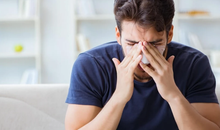
Nosebleeds and stress: what you need to know
2026-06-17 10:21:39
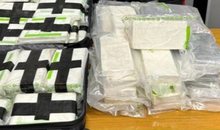
Cocaine trafficking network dismantled in Athens, 11 Albanians involved
2026-06-17 10:11:29
General Eric Wendt confirmed as US Ambassador to Albania
2026-06-17 09:58:32
Brazil-Morocco match breaks World Cup viewership record
2026-06-17 09:49:50
Accident in Fier-Lushnjë, two people end up in hospital
2026-06-17 09:12:44
Foreign exchange rate June 17/ How much the dollar and euro are bought and sold
2026-06-17 08:56:35

MEP raises voice on protests in Albania: Where is public money going?
2026-06-17 08:12:17
17 countries support US-Iran deal, call for immediate implementation
2026-06-17 07:53:26
Rain is expected in some areas, according to the weather forecast today
2026-06-17 07:19:03
Morning Post/ In 2 lines: What mattered yesterday in Albania
2026-06-17 06:59:23
Alimehmeti: Rama's resignation would pave the way for a transitional government
2026-06-16 22:51:14
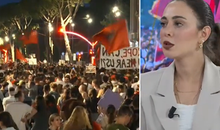


"Killed dreams in Albania", the spicy banners from the 17th protest
2026-06-16 21:17:28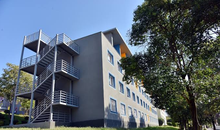
No alarm, no emergency exit: how students live in Student City dormitories
2026-06-16 21:02:08
Yamal's World Cup debut comes with a special dedication
2026-06-16 20:38:10



Protest schedule postponed due to high temperatures
2026-06-16 19:15:32
These 3 zodiac signs are considered ideal vacation companions
2026-06-16 18:54:57
With the red and black flag, tourists join the protest against Rama
2026-06-16 18:31:36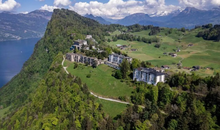
Secret destination in Europe where US-Iran deal expected to be signed revealed
2026-06-16 18:20:34

SPAK "freezes" the criminal group's luxury, seizing 150 million euros of assets
2026-06-16 17:44:56
Zhupa: Berisha will soon have meetings in the US
2026-06-16 17:22:37

Trump: The deal clearly states that Iran will not have nuclear weapons
2026-06-16 16:27:56
Why our brains don't function well in high-pressure situations
2026-06-16 16:19:13

How to stay safe while traveling in extreme heat
2026-06-16 15:39:24

Who is Dritan Gjika, the Albanian drug trafficking mafia in Ecuador?
2026-06-16 15:16:09
Large-scale fire at the former Metallurgical Plant in Elbasan
2026-06-16 14:43:46


World Cup icon signals end of career after 2026 World Cup
2026-06-16 13:53:07
Albanian Fake Civil Society and the Real One
2026-06-16 13:46:40



Berisha: Dumani is hiding Aruba's governors to protect Rama
2026-06-16 12:58:05

Who could be afraid of flamingos?!
2026-06-16 12:38:13
Albania protests and demands his removal, Rama presents his sculptures in Zurich
2026-06-16 12:30:08
Transparency Board announces new fuel prices
2026-06-16 12:12:58
"Fox" shark surprises vacationers in Borsh, gets caught in fishermen's nets
2026-06-16 11:59:00

A gas station in Kruja is robbed at gunpoint.
2026-06-16 11:42:43

Kosovo/ The Vetevendosje Movement reaches 52 mandates thanks to the diaspora
2026-06-16 11:21:12


Weekend temperatures could reach 39 degrees in Albania
2026-06-16 10:22:02
State Matura/ 26 thousand students take the Mathematics exam today
2026-06-16 10:06:10

What do the stars have in store? Love smiles on singles, be careful with money
2026-06-16 09:46:25
Environmental experts refute Rama's arguments about Zvërnec
2026-06-16 09:34:33

Can trauma be inherited through genes?
2026-06-16 09:20:41
Suspected of drowning in Lake Ulza, still no trace of the 37-year-old
2026-06-16 09:12:34
Surprise at the World Cup, Egypt holds Belgium to a draw
2026-06-16 08:56:41
Foreign exchange rate June 16/ How much the dollar and euro are bought and sold
2026-06-16 08:33:11

EU opens first chapter of Ukraine's membership negotiations
2026-06-16 07:32:43
Check out the weather forecast for today.
2026-06-16 07:17:37
Morning Post/ In 2 lines: What mattered yesterday in Albania
2026-06-16 07:00:04
US and Iran sign deal electronically ahead of official ceremony
2026-06-15 22:51:40