 Flash News
From Dritan Gjika to Armando Pacani, the names of those accused of cocaine trafficking are published
Albanian Fake Civil Society and the Real One
Transparency Board announces new fuel prices
State Matura/ 26 thousand students take the Mathematics exam today
Suspected of drowning in Lake Ulza, still no trace of the 37-year-old
Who could be afraid of flamingos?!
Ndryshe nga sa rreket të argumentojë shumica socialiste dhe kryeministri Edi Rama, kërkesat e artikuluara në shesh nga qytetarët paralajmërojnë për një të ardhme të mbështetur te shteti i së drejtës, demokracia liberale me parlament dhe këshille përfaqësuese, drejtësi e pavarur dhe pushtet ekzekutiv i kufizuar. Në këtë konktest, askush nuk ka arsye të shëndosha për të pasur frikë nga ndryshimi.

Politiko
2026-06-16 12:38:13
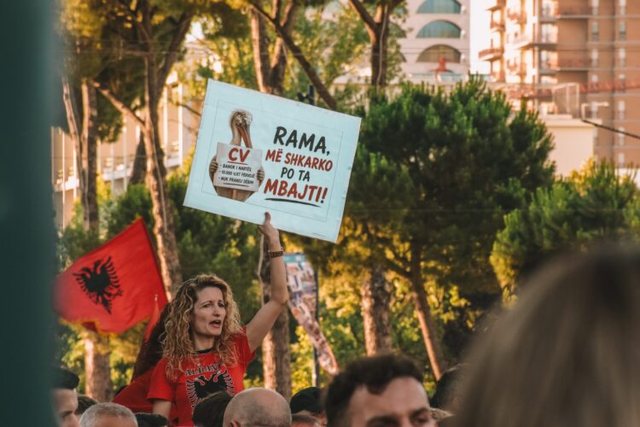
A Socialist MP appeared in a comment on social media in which, through a mixture of fear and curiosity, she raised the question of what this “New Albania” that citizens are cheering for on the boulevard is, and how and when it will become a reality. It can be noted that, although still at a subconscious level, raising the question and expressing fear suggests that even the Socialists, or at least this MP, are no longer sure about the power they have and are worried about what the future holds.
Despite this MP's completely legitimate question, Prime Minister Edi Rama raises hypothesis after desperate hypothesis, to suggest, after exhausting his alibis with domestic and foreign agencies, that the civic protest is a manifestation, neither less nor more, of fascism and Nazism.
In reality, what is being articulated by citizens in the square or at the microphone seems to be nothing more than liberal democracy, the rule of law, a parliamentary republic, representative citizen councils, limited executive power, and so on.
If you read European Union documents, such as progress reports, which set out the conditions that Albania must meet before membership, and listen to the demands of the protesters, it is hard not to notice that the two are completely compatible.
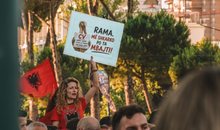
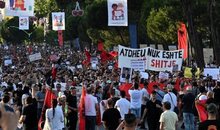
The first massive and peaceful protest of Albanian citizens, this Arendian revolution that everyone is referring to as the Flamingo Revolution, is, as it seems, a democratic revolution.
When you listen to a crowd of tens of thousands of citizens with hundreds of speakers one after the other, it is of course not possible to make a comprehensive overview of the demands articulated by everyone. But what impressed the author of these lines can be classified as follows:
1. Term limits for the prime minister. One of the demands of many speakers in the protests these days has been to prevent an individual from being elected prime minister more than twice. This can hardly be called a fascist demand. In fact, it can be called an anti-fascist demand. It reflects citizens' annoyance with Rama's unlimited power and their desire for limited executive power.
2. President i zgjedhur nga populli. Kjo është gjithashtu një kërkesë që, si e para, bie në kategorinë e parimit kushtetues të ndarjes, kufizimit dhe balancimit të pushteteve. Është artikuluar gjatë këtyre dy ditëve që posti i presidentit (normalisht bashkë me një zëvendëspresident) të dalë nga një votim universal i të gjithë qytetarëve dhe ky president, (mund ta shtoj unë këtë nga mendja ime) duhet të zgjidhet në mes të mandatit të qeverisë, pra për katër ose për gjashtë vjet, me kushtin që qytetarët të thirren për të zgjedhur presidentin dy vjet pas fillimit të mandatit të ekzekutivit dhe, nëse nuk u pëlqen ekzekutivi, të kenë mundësinë ta ndëshkojnë me votë. Për të kursyer kosto, mundet që zgjedhja e presidentit të bëhet në të njëjtën datë me zgjedhjet për pushtetin vendor.
3. Deputetë të zgjedhur nga populli, pra kundër listave të mbyllura partiake. Kjo kërkesë është e njëjtë me atë që caktohet në kërkesat themelore të një demokracie parlamentare. Kërkohen deputetë që të përfaqësojnë popullin në parlament dhe jo delegatë partiakë që të përfaqësojnë partinë te populli. Tashmë kanë kaluar pothuajse njëzet vjet dhe pesë palë zgjedhjesh parlamentare që kur këta të dy, Rama dhe Berisha, ranë dakord me njëri-tjetrin për sistem elektoral me lista të mbyllura dhe diskriminues. Sistemi, i etiketuar në atë kohë si partitizëm, nuk do të ishte automatikisht gabim apo keq, në rast se partitë politike do të kishin atë që njihet si demokraci e brendshme. Por në mungesë të kësaj, partitizmi krijoi dy udhëheqës të cilët i kanë partitë përkatëse si pronë, deputetët dhe këdo tjetër e kanë në nivelin e shërbëtorit kokëulur, mirëqenia materiale dhe politike e të cilit varet, jo nga aftësia për të bindur qytetarët se mund t’i përfaqësojnë, por nga lloji i shërbimit që mund t’i japin kryetarit në politikën klienteliste. Nuk ka asnjë demokraci funksionale në të cilën parlamenti është zyrë noteriale e dëshirave të kryetarëve. Në demokracitë funksionale, parlamenti duhet të kontrollojë ekzekutivin dhe jo anasjelltas. Në këtë kontekst, kërkesa e protestuesve nuk është fashizëm, është pikërisht e kundërta, është demokraci liberale.
4. Demokraci direkte. Një nga kërkesat e përsëritura, nga disa parti të reja por edhe nga protestuesit, është e drejta e mishëruar në kushtetutë dhe e mohuar nga ligjvënësi për demokraci direkte përmes referendumeve. Vendi nuk ka pasur referendume deri më sot, me përjashtim të atij që miratoi kushtetutën aktuale në vitin e largët 1998. Arsyeja për këtë është mungesa e vullnetit nga politika aktuale për të krijuar kushtet që qytetarët të kenë të drejtë të kërkojnë dhe të organizojnë referendum për çështjet që i shqetësojnë. Referendumi mundet të shikohet edhe si populizëm. Por fakti është që sistemi aktual kushtetues i jep referendumit peshë ligjore të dobët dhe peshë politike të lartë. Me pak fjalë, ka një valvul kushtetuese për të shkarkuar rrezikun e përdorimit të demokracisë direkte nga populistët. Kjo valvul thotë se legjislacioni i prodhuar nga referendumi është i barabartë me ligjin që miratohet me shumicën më të thjeshtë në parlament.
5. Poshtë patronazhistët. Një thirrje që dëgjohet shpesh në protestë duhet të shihet si asgjë më shumë se sa kërkesa e përsëritur e vëzhguesve ndërkombëtarë të zgjedhjeve për parandalimin, ndalimin dhe ndëshkimin e abuzimit me pushtetin të partisë në pushtet për të fituar avantazh në zgjedhje. Gara në zgjedhje duhet të jetë mes politikanëve dhe partive, të cilat propozojnë idetë më bindëse se çfarë politike duhet të bëjmë për të përbashkëtën. Ajo nuk mund të jetë ushtrim pushteti, nuk mund të jetë garë mes personave që kanë akumuluar më shumë para dhe burime nga abuzimet me pushtetin.
6. Bojkotoni mediat. Media shqiptare duhet të reformohet dhe këtë, para se ta vërejnë protestuesit, e kanë vënë re ekspertët dhe gazetarët dhe, edhe zyrtarët e Brukselit. Kapitulli përkatës në raportet e progresit përsërit çdo vit nevojën për media të larmishme dhe profesionale, me strukturë pronësie korporative, e cila ndan përmbajtjen editoriale nga menaxhimi ekonomik, dhe jo në formën aktuale, pronësi individuale apo familjare, ku interesi publik trafikohet në shkëmbim të lejeve e licencave.
7. Councils, not administrators. One of the groups supporting the protest and which is an important factor in its organization is the Community Assembly of the Dukat, Tragjas, Radhimë, Orikum region. This is a community initiative that expresses what is natural and historical and that, in Albania, has been missing for decades after being killed by the communist regime to be replaced by the current structure. Community assemblies are institutions of bottom-up democracy. These are the representatives of citizens in a village or neighborhood, who undertake to represent the interests of citizens before the government. Historically, every village and every neighborhood has had a council, but during the communist era, with the aim of destroying the organizational strength of citizens and replacing bottom-up democracy with a top-down system of exercising power. This should normally be translated into practical terms in the re-establishment of village councils like what Thomas Jefferson called "elementary republics" and which in the USA are known as Townhalls, or civic meeting places, not to exercise power (such councils have no administrative structures and do not constitute executive power) but to represent citizens, to debate, to organize politically. It is unlikely that Albania will have a functional democracy as long as councils like this do not extend throughout the country.
We do well to remember that there are also unpopular slogans in the protest. Death to traitors is an ugly slogan that has not been removed from the mouths of the protesters throughout these days and that contradicts what is the essence of this revolution, a non-violent revolution according to the model of the Arendian revolutions. In our time, as in ancient times, traitors are not executed and do not need to be executed. They are simply overthrown from power.
As for the calls "Rama in prison, Berisha in prison", this should normally be seen as an allegory and not as a political platform. This is a call to declare the citizens' disapproval of these two and does not constitute either an indictment or a court decision. It is the justice system that determines whether one or both of them will face charges or serve prison time or not.
No one has to fear the Flamingo Revolution, because this is a non-violent revolution, with a culture of avoiding confrontation with the police widely and strongly spread. This is a great innovation for a country where, in the existing vocabulary, revolution continues to be classified as a “violent overthrow” and does not recognize the history of recent decades of non-violent democratic overthrows. / Gjergj Erebara, BIRN
Latest news

World Cup icon signals end of career after 2026 World Cup
2026-06-16 13:53:07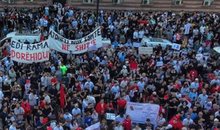
Albanian Fake Civil Society and the Real One
2026-06-16 13:46:40

Berisha: Dumani is hiding Aruba's governors to protect Rama
2026-06-16 12:58:05
Who could be afraid of flamingos?!
2026-06-16 12:38:13
Albania protests and demands his removal, Rama presents his sculptures in Zurich
2026-06-16 12:30:08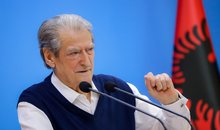

Transparency Board announces new fuel prices
2026-06-16 12:12:58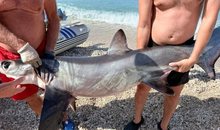
"Fox" shark surprises vacationers in Borsh, gets caught in fishermen's nets
2026-06-16 11:59:00
A gas station in Kruja is robbed at gunpoint.
2026-06-16 11:42:43

Kosovo/ The Vetevendosje Movement reaches 52 mandates thanks to the diaspora
2026-06-16 11:21:12

Weekend temperatures could reach 39 degrees in Albania
2026-06-16 10:22:02
State Matura/ 26 thousand students take the Mathematics exam today
2026-06-16 10:06:10

What do the stars have in store? Love smiles on singles, be careful with money
2026-06-16 09:46:25
Environmental experts refute Rama's arguments about Zvërnec
2026-06-16 09:34:33

Can trauma be inherited through genes?
2026-06-16 09:20:41
Suspected of drowning in Lake Ulza, still no trace of the 37-year-old
2026-06-16 09:12:34
Surprise at the World Cup, Egypt holds Belgium to a draw
2026-06-16 08:56:41
Foreign exchange rate June 16/ How much the dollar and euro are bought and sold
2026-06-16 08:33:11
EU opens first chapter of Ukraine's membership negotiations
2026-06-16 07:32:43
Check out the weather forecast for today.
2026-06-16 07:17:37
Morning Post/ In 2 lines: What mattered yesterday in Albania
2026-06-16 07:00:04
US and Iran sign deal electronically ahead of official ceremony
2026-06-15 22:51:40

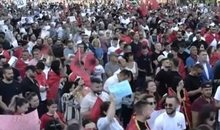
Protestuesit marshojnë drejt ish-Bllokut, thirrje kundër qeverisë gjatë tubimit
2026-06-15 21:19:21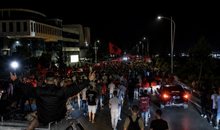
Marshuan drejt Rinasit, policia procedon penalisht 19 protestues
2026-06-15 20:55:47
Paqartësi sa i përket tarifave për kalim nëpër Ngushticën e Hormuzit
2026-06-15 20:15:19
Çfarë e bën një këngë të Botërorit të paharrueshme?
2026-06-15 19:59:13
New directors appointed in Lezha, Vlora and Fier
2026-06-15 19:38:52
On the historic EU day, Albania is 'ignored' by Marta Kos
2026-06-15 19:24:05
Young man loses his life while sailing on a jet ski on Lake Ulza
2026-06-15 19:03:17
Day 16, citizens begin march towards the Prime Minister's Office: Rama resigns!
2026-06-15 18:47:26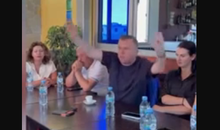
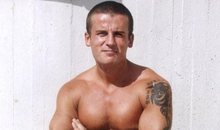
Arrested in Belgium, 'Gert the General' appears transformed
2026-06-15 17:58:26
Marriage on the back burner, Millennials are choosing to live with friends
2026-06-15 17:33:38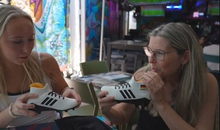
World Cup madness, Miami bar offers cocktails in shoes
2026-06-15 17:12:01
Accident in Shëngjin, car collides with motorcycle, two injured
2026-06-15 16:35:15
11 days after Eglant Koç's disappearance, Armando Shakaj still on the run
2026-06-15 16:20:48
Hydration or tactical advantage? New World Cup rule sparks debate
2026-06-15 16:11:33
Rama continues with attacks and insults against protesters, Lubonja: Desperate
2026-06-15 15:59:54
After leaving the SP, Marjana Koçeku joins the protest against Rama
2026-06-15 15:51:48
Why should you leave the closet open on hot days?
2026-06-15 15:40:05
Accident on the Fier-Libofshë road, 4 injured
2026-06-15 15:22:39

The biggest failures in World Cup history, Curaçao added to the list
2026-06-15 14:32:47
Extradited from Spain, GJKKO leaves Erzen Breçani's son in prison
2026-06-15 14:20:21
Former Kosovo minister sentenced to two years in prison for conflict of interest
2026-06-15 14:12:43
Virgil van Dijk plays final tournament with Netherlands
2026-06-15 13:59:58
Milan finds Igli Tara's replacement after dismissal
2026-06-15 13:47:14
Euro breaks new records, drops below 94.9 lek
2026-06-15 13:42:47

Spain and Belgium take to the field, De la Fuente saves Lamine Yamal
2026-06-15 13:28:09
Sentenced to life imprisonment, Gerd Gjinarari is arrested in Belgium
2026-06-15 13:01:57
Montenegro rejects Vučić's accusations of hybrid war against Serbia!
2026-06-15 12:50:22
World Cup 2026/ Spain and Belgium take to the field tonight
2026-06-15 12:31:11
By March 2026, Veliaj and his brother had paid $430,000 for lobbying.
2026-06-15 12:05:12
Fight inside the glass cage, defendants rape each other in the GJKKO
2026-06-15 11:50:46

Heat wave comes to Albania, temperatures up to 40 degrees
2026-06-15 11:35:40
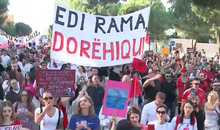

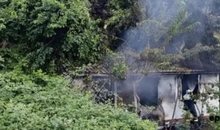
House burns down, four brothers lose their lives in fire in Greece
2026-06-15 10:32:13
Received payments for applications and studies abroad, administrator faces court
2026-06-15 10:25:07
Murder in Mirdita, victim had escaped an assassination attempt three months ago
2026-06-15 10:07:08

Why did Bulgaria stop supplying weapons to Ukraine?
2026-06-15 09:37:19