 Flash News
Sarandë/ Skafi përplaset me mjetin lundrues të Policisë Kufitare, vdes i riu, plagosen dy të tjerë
11 days after Eglant Koç's disappearance, Armando Shakaj still on the run
Accident on the Fier-Libofshë road, 4 injured
Extradited from Spain, GJKKO leaves Erzen Breçani's son in prison
Former Kosovo minister sentenced to two years in prison for conflict of interest
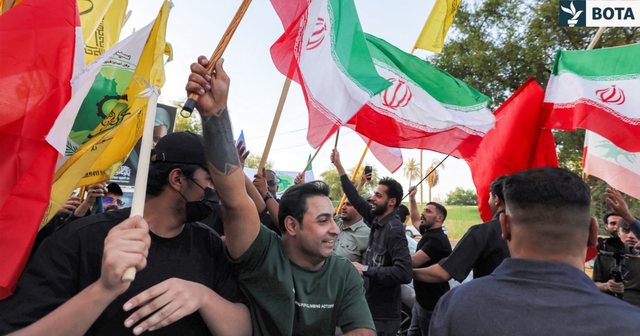
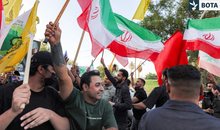
The United States and Iran have electronically signed a framework agreement to end the three-year war and reopen the Strait of Hormuz, senior US administration officials said on June 15.
Speaking to reporters, officials said US President Donald Trump and Vice President JD Vance virtually signed the agreement, while Iranian Parliament Speaker and Tehran's chief negotiator, Mohammad Baqer Qalibaf, signed it on behalf of the Islamic Republic.
The agreement is expected to be officially signed during a ceremony in Geneva, Switzerland on June 19.
The full text of the memorandum is expected to be published within 24-48 hours, officials said, insisting there will be "full transparency."
The framework agreement gives Washington and Tehran 60 days to negotiate a permanent agreement, including on other issues such as Iran's stockpile of highly enriched uranium.
Earlier on June 15, Washington and Tehran confirmed that the agreement had been reached.
Iran's state news agency, Mehr, published what it said were details of the 14-point memorandum of understanding, saying it envisions 60 days of talks on nuclear issues and the complete lifting of sanctions on Tehran.
Trump has emphasized that the core of the comprehensive peace agreement will be a guarantee that Iran will never develop nuclear weapons and that the Strait of Hormuz will remain open to the free flow of ships.
The strait, a key artery for global oil and gas supplies, has been virtually closed by Iran since the US and Israel launched attacks on the Islamic Republic on February 28. Its closure rocked energy markets and the global economy.
Two senior US officials said they expect maritime traffic through the strait to increase significantly over the next two weeks.
"If you consider that the traffic before the conflict was 140 ships a day, I think it will take us two weeks to reach this level," said one official.
The administration said about 25 ships are currently passing through per day and expects 40 to 50 to pass through per day by the end of the week. Officials said the strait will be fully open by June 19.
Washington insists that passage through Hormuz should be tariff-free for 60 days, according to the memorandum, while regional talks will determine how to proceed in the long term.
But, the uncertainty about the transition with or without fees has continued.
Agjencia e lajmeve Fars - e cila është e afërt me Korpusin e Gardës Revolucionare Islamike - tha se “është vendosur që trafiku detar nëpër Gjirin Persik të rregullohet nga Irani në bashkërendim me Omanin”. Kjo bien ndesh me deklaratat e mëparshme të Uashingtonit.
Esmail Baqaei, zëdhënësi i Ministrisë së Jashtme të Iranit, tha në një konferencë për mediamë 15 qershor se “për një periudhë të caktuar kohore, ne do të organizojmë qarkullim të sigurt në Ngushticën e Hormuzit, në përputhje me veprimet e palës tjetër”.
“Ne gjithmonë kemi thënë se nuk synojmë të mbledhim tarifa kalimi, por do të përcaktojmë dhe mbledhim tarifat e nevojshme për shërbimet që do të ofrojmë, si shërbimet e lundrimit, mbrojtja e mjedisit, ndoshta sigurimi i anijeve dhe shërbime të tjera që do të ofrohen nga Irani dhe Omani”, tha ai.
Agjencia Reuters citoi një zyrtar të lartë iranian të ketë thënë se sipas kushteve të marrëveshjes, SHBA-ja do të lirojë 25 miliardë dollarë asete të ngrira iraniane, ndërsa Teherani do të pajtohet të mos prodhojë ose të mos sigurojë armë bërthamore.
Zyrtarët amerikanë e mohuan kategorikisht se ndonjë shumë parash ishte transferuar, pavarësisht spekulimeve se miliarda dollarë asete iraniane tashmë ishin zhbllokuar.
“Përgjigjja për këtë është zero”, tha një zyrtar kur u pyet nëse ishte zhbllokuar ndonjë pjesë e aseteve të ngrira iraniane.
Zyrtarët amerikanë thanë se lehtësimi i sanksioneve do të ndodhë vetëm në faza dhe do të lidhet me “përparim të verifikueshëm”, veçanërisht sa i përket aktiviteteve bërthamore të Iranit dhe sjelljes së tij në rajon.
Uashingtoni tha se prioriteti i tij i parë është të sigurojë që Irani të mos rindërtojë atë që zyrtarët e përshkruan si një program të pasurimit “të shkatërruar në mënyrë sistematike”.
“Sa më shumë që të sillet si një shtet normal në skenën ndërkombëtare, aq më të gatshëm do të jemi për të hapur ekonominë e tij”, tha një zyrtar amerikan.
Zyrtarët amerikanë theksuan se tërheqja e trupave izraelite nga Libani nuk ishte kusht i marrëveshjes, por e paraqitën marrëveshjen me Iranin si pjesë të një përpjekjeje më të gjerë për të ulur tensionet në rajon.
Ata thanë se marrëveshja kornizë “nuk është një armëpushim i njëanshëm”, duke paralajmëruar se Izraeli do të ruajë të drejtën për t’u kundërpërgjigjur nëse vazhdojnë sulmet e mbështetura nga Hezbollahu, që mbështetet nga Irani.
Hezbollahu është grup militant dhe parti politike që kontrollon pjesën më të madhe të Libanit jugor. Ai konsiderohet organizatë terroriste nga Shtetet e Bashkuara, ndërsa Bashkimi Evropian e ka futur në listën e zezë vetëm krahun e tij të armatosur.
Megjithatë, kryeministri i Pakistanit, Shehbaz Sharif, tha më 15 qershor se Teherani dhe Uashingtoni kishin rënë dakord për një ndërprerje “të menjëhershme dhe të përhershme” të operacioneve ushtarake “në të gjitha frontet, përfshirë Libanin”.
Islamabadi ka qenë një ndërmjetës kyç në këtë konflikt.
The US administration also revealed that direct talks between Israel and Lebanon are underway, describing them as historic.
Officials said the goal is to create a "new framework for the region," focused on diplomacy and economic cooperation, instead of wars through allied forces.
Earlier, Western leaders welcomed the US-Iran deal and declared that the Strait of Hormuz should be open to tariff-free shipping and that Tehran should never possess nuclear weapons.
French President Emmanuel Macron, who will host the G7 summit on Monday, said the agreement "must allow for the urgent and unconditional reopening of the Strait of Hormuz, which the international mission established with the United Kingdom is ready to support."
"The means are available and ready to be deployed. The restoration of maritime traffic, without restrictions or tariffs, is an essential condition for regional stability and the global economy," he added.
British Prime Minister Keir Starmer said that "we are clear that freedom of navigation without tariffs must now be restored in the Strait of Hormuz," adding that "Iran must never have nuclear weapons."
United Nations Secretary-General Antonio Guterres welcomed the agreement as a "vital step" towards resolving the war in the Middle East.
US Democrats said they welcome diplomatic efforts, but are waiting for concrete details of the agreement before deciding whether to support it or not.
Representative Gregory W. Meeks, the top Democrat on the House Foreign Affairs Committee, said in a statement that “the terms of the agreement, not the press release, will determine whether it serves American interests.”
"Any final agreement must be sustainable, enforceable, transparent and subject to rigorous oversight by Congress. The American people deserve more than vague announcements or political propaganda," he said.
Republican Senator Lindsey Graham, a vocal Trump supporter and fierce critic of the regime in Tehran, said he was "excited" to hear about the framework agreement but was waiting for the full details.
"I am happy to hear that the memorandum of understanding with Iran to allow the opening of the Strait of Hormuz has been reached. I will closely follow the subsequent negotiations regarding Iran's nuclear program and other issues," he wrote on X.
"I'm somewhat concerned that the way Iran sees the deal seems different from what the American team is claiming," he added./REL
Latest news



Protestuesit marshojnë drejt ish-Bllokut, thirrje kundër qeverisë gjatë tubimit
2026-06-15 21:19:21
Marshuan drejt Rinasit, policia procedon penalisht 19 protestues
2026-06-15 20:55:47
Paqartësi sa i përket tarifave për kalim nëpër Ngushticën e Hormuzit
2026-06-15 20:15:19
Çfarë e bën një këngë të Botërorit të paharrueshme?
2026-06-15 19:59:13
New directors appointed in Lezha, Vlora and Fier
2026-06-15 19:38:52
On the historic EU day, Albania is 'ignored' by Marta Kos
2026-06-15 19:24:05
Young man loses his life while sailing on a jet ski on Lake Ulza
2026-06-15 19:03:17
Day 16, citizens begin march towards the Prime Minister's Office: Rama resigns!
2026-06-15 18:47:26

Arrested in Belgium, 'Gert the General' appears transformed
2026-06-15 17:58:26
Marriage on the back burner, Millennials are choosing to live with friends
2026-06-15 17:33:38
World Cup madness, Miami bar offers cocktails in shoes
2026-06-15 17:12:01

Accident in Shëngjin, car collides with motorcycle, two injured
2026-06-15 16:35:15
11 days after Eglant Koç's disappearance, Armando Shakaj still on the run
2026-06-15 16:20:48
Hydration or tactical advantage? New World Cup rule sparks debate
2026-06-15 16:11:33
Rama continues with attacks and insults against protesters, Lubonja: Desperate
2026-06-15 15:59:54
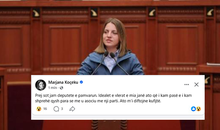
After leaving the SP, Marjana Koçeku joins the protest against Rama
2026-06-15 15:51:48
Why should you leave the closet open on hot days?
2026-06-15 15:40:05
Accident on the Fier-Libofshë road, 4 injured
2026-06-15 15:22:39


The biggest failures in World Cup history, Curaçao added to the list
2026-06-15 14:32:47
Extradited from Spain, GJKKO leaves Erzen Breçani's son in prison
2026-06-15 14:20:21
Former Kosovo minister sentenced to two years in prison for conflict of interest
2026-06-15 14:12:43
Virgil van Dijk plays final tournament with Netherlands
2026-06-15 13:59:58
Milan finds Igli Tara's replacement after dismissal
2026-06-15 13:47:14
Euro breaks new records, drops below 94.9 lek
2026-06-15 13:42:47

Spain and Belgium take to the field, De la Fuente saves Lamine Yamal
2026-06-15 13:28:09


Sentenced to life imprisonment, Gerd Gjinarari is arrested in Belgium
2026-06-15 13:01:57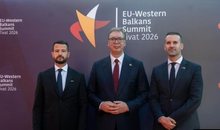
Montenegro rejects Vučić's accusations of hybrid war against Serbia!
2026-06-15 12:50:22

World Cup 2026/ Spain and Belgium take to the field tonight
2026-06-15 12:31:11

By March 2026, Veliaj and his brother had paid $430,000 for lobbying.
2026-06-15 12:05:12
Fight inside the glass cage, defendants rape each other in the GJKKO
2026-06-15 11:50:46
Heat wave comes to Albania, temperatures up to 40 degrees
2026-06-15 11:35:40
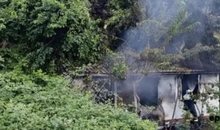
House burns down, four brothers lose their lives in fire in Greece
2026-06-15 10:32:13
Received payments for applications and studies abroad, administrator faces court
2026-06-15 10:25:07
Murder in Mirdita, victim had escaped an assassination attempt three months ago
2026-06-15 10:07:08

Why did Bulgaria stop supplying weapons to Ukraine?
2026-06-15 09:37:19


A person was shot dead in Mirdita, the victim was identified
2026-06-15 08:54:56


Maximum temperatures reach 30°C, weather forecast for today
2026-06-15 07:57:16
The American umbrella begins to close for the Balkans
2026-06-15 07:35:40

Morning Post/ In 2 lines: What mattered yesterday in Albania
2026-06-15 07:00:19
Germany kicks off 2026 World Cup with a bang, defeats debutants Curacao 7-1
2026-06-14 21:53:29
Protest ends, march begins in the streets of Tirana: Revolution! Rama must go!
2026-06-14 21:40:41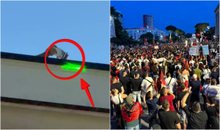
Masked people film the crowd, citizens identify them with lasers
2026-06-14 21:18:36

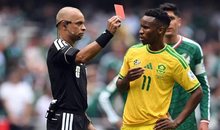
2026 World Cup referees to receive record salaries
2026-06-14 17:59:47
"Rama goes" echoes in Munich, Albanian diaspora in protest in Germany
2026-06-14 17:38:23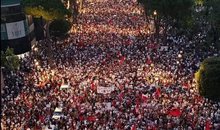
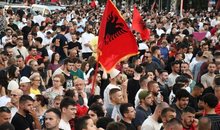

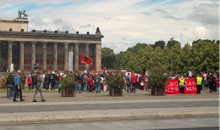
"Rama is gone", German Albanians protest in Berlin against the government
2026-06-14 15:38:41
World Cup 2026/ Germany and the Netherlands take to the field today
2026-06-14 15:20:29
Mes kritikave, BE-ja pret talibanët për herë të parë në Bruksel
2026-06-14 15:01:48
Tragedy in Prizren, 27-year-old stabbed to death after fight between cousins
2026-06-14 14:41:11
Haiti – Skocia, një ndeshje që riktheu magjinë e futbollit
2026-06-14 14:18:57
Shqipëria jashtë fushës, por në lojën e milionave të Botërorit
2026-06-14 13:58:01
Berisha - Ramës: Jep dorëheqjen, protestat nuk do të ndalen
2026-06-14 13:25:06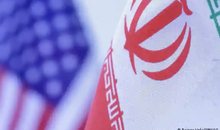
Marrëveshja për t’i dhënë fund luftës Iran-SHBA shumë afër
2026-06-14 12:58:53
Si u trafikuan tonelata me kokainë nga Amerika Latine në portet e Europës
2026-06-14 12:51:12
Barazimi në debutim, Ancelotti: Kupa nuk fitohet në ndeshjen e parë
2026-06-14 12:30:43


25-year-old found dead in Astir
2026-06-14 11:28:53
Albania, with a high percentage of girls who excel in mathematics
2026-06-14 11:14:10