 Flash News
Analysis by "The Brussels Times": Why did Rama and Vučić benefit more from delay than from membership?
Who is Shpëtim Aliu, the key link in the cocaine trafficking that was hidden behind the name "Salvadore"?
From Dritan Gjika to Armando Pacani, the names of those accused of cocaine trafficking are published
Albanian Fake Civil Society and the Real One
Transparency Board announces new fuel prices
Trump: The deal clearly states that Iran will not have nuclear weapons

Politiko
2026-06-16 16:27:56
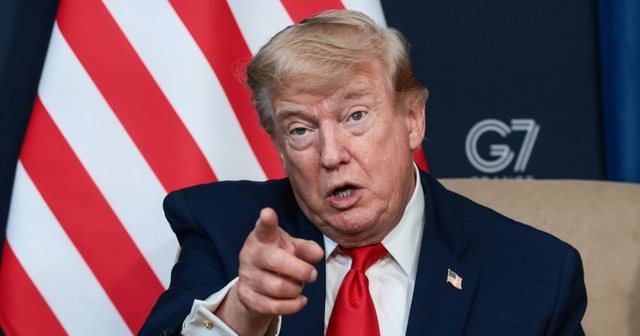
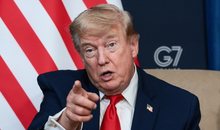
United States President Donald Trump said on Tuesday that the framework agreement, expected to be signed with Iran this week, states "clearly and strongly" that Tehran will not develop or possess nuclear weapons.
"The only thing that really matters to me is that Iran never has a nuclear weapon, and that is stated clearly and loudly in the deal," Trump told reporters during the G7 summit in France.
"Iran will face hell" if the Islamic Republic takes steps to acquire nuclear weapons, he added.
"We have completed our deal with Iran and it should be successful, if it goes into a second phase. But I think that will be even easier," Trump said.
According to senior US administration officials, the United States and Iran electronically signed a memorandum of understanding on June 15 to end the three-year war and reopen the Strait of Hormuz.
The agreement is expected to be officially signed at a ceremony in Geneva, Switzerland, on June 19.
Trump did not provide details on the framework agreement, which extends the current ceasefire for another 60 days, so that the parties can hold talks to permanently end the conflict that began on February 28 with US and Israeli air strikes against Iran.
Iran's Foreign Minister Abbas Araqchi told foreign journalists on Tuesday that the "most important" issue in the memorandum is "the declaration of an immediate and permanent end to the war on all fronts, including Lebanon."
Trump has expressed dissatisfaction with Israel and its Prime Minister, Benjamin Netanyahu, for continuing attacks on targets inside Lebanon, which, according to him, are targeting Hezbollah militants.
Hezbollah is a militant group and political party that controls much of southern Lebanon. It is considered a terrorist organization by the United States, while the European Union has blacklisted only its military wing.
Trump told reporters at the G7 meeting that, while he has a very good relationship with Netanyahu, the Israeli leader needs to be more "responsible" when it comes to Lebanon.
Both Tehran and Washington have claimed victory after reaching the agreement, while there continue to be mixed signals regarding its content.
Iran's state news agency, Mehr, published what it called details of the 14-point memorandum of understanding, saying it envisions talks on nuclear issues and the complete lifting of sanctions on Tehran.
On the other hand, Washington has emphasized that the key element of any comprehensive peace agreement is the guarantee that Iran does not possess nuclear weapons and that the Strait of Hormuz remains open to the free flow of ships.
The strait, a vital route for global oil and gas supplies, was virtually closed by Iran after the launch of the US-Israeli military campaign. The move shook energy markets and badly affected the global economy.
Washington insisted that passage through the strait would remain tariff-free for 60 days under the memorandum, while regional talks would determine long-term arrangements.
However, uncertainties persist regarding the fees for passage through this strategic waterway.
The Fars Agency, close to Iran's Islamic Revolutionary Guard Corps, reported that "it has been decided that maritime traffic through the Persian Gulf will be regulated by Iran in coordination with Oman."
This statement contradicts Washington's claims.
Analysts have said it will take several weeks for traffic to fully return to the Strait of Hormuz, which before the war served as a passageway for about a fifth of global oil and gas supplies./ REL
Latest news
SPAK "freezes" the criminal group's luxury, seizing 150 million euros of assets
2026-06-16 17:44:56
Zhupa: Berisha will soon have meetings in the US
2026-06-16 17:22:37
Trump: The deal clearly states that Iran will not have nuclear weapons
2026-06-16 16:27:56
Why our brains don't function well in high-pressure situations
2026-06-16 16:19:13
How to stay safe while traveling in extreme heat
2026-06-16 15:39:24
Who is Dritan Gjika, the Albanian drug trafficking mafia in Ecuador?
2026-06-16 15:16:09
Large-scale fire at the former Metallurgical Plant in Elbasan
2026-06-16 14:43:46

World Cup icon signals end of career after 2026 World Cup
2026-06-16 13:53:07
Albanian Fake Civil Society and the Real One
2026-06-16 13:46:40
Berisha: Dumani is hiding Aruba's governors to protect Rama
2026-06-16 12:58:05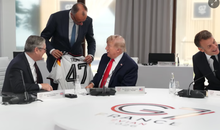
Who could be afraid of flamingos?!
2026-06-16 12:38:13
Albania protests and demands his removal, Rama presents his sculptures in Zurich
2026-06-16 12:30:08
Transparency Board announces new fuel prices
2026-06-16 12:12:58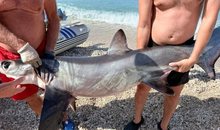
"Fox" shark surprises vacationers in Borsh, gets caught in fishermen's nets
2026-06-16 11:59:00
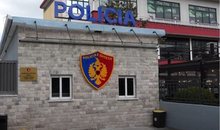
A gas station in Kruja is robbed at gunpoint.
2026-06-16 11:42:43
Kosovo/ The Vetevendosje Movement reaches 52 mandates thanks to the diaspora
2026-06-16 11:21:12
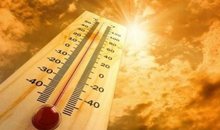
Weekend temperatures could reach 39 degrees in Albania
2026-06-16 10:22:02
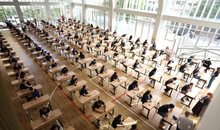
State Matura/ 26 thousand students take the Mathematics exam today
2026-06-16 10:06:10

What do the stars have in store? Love smiles on singles, be careful with money
2026-06-16 09:46:25
Environmental experts refute Rama's arguments about Zvërnec
2026-06-16 09:34:33

Can trauma be inherited through genes?
2026-06-16 09:20:41
Suspected of drowning in Lake Ulza, still no trace of the 37-year-old
2026-06-16 09:12:34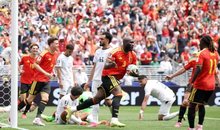
Surprise at the World Cup, Egypt holds Belgium to a draw
2026-06-16 08:56:41
Foreign exchange rate June 16/ How much the dollar and euro are bought and sold
2026-06-16 08:33:11
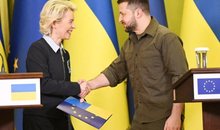
EU opens first chapter of Ukraine's membership negotiations
2026-06-16 07:32:43
Check out the weather forecast for today.
2026-06-16 07:17:37
Morning Post/ In 2 lines: What mattered yesterday in Albania
2026-06-16 07:00:04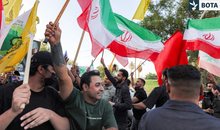
US and Iran sign deal electronically ahead of official ceremony
2026-06-15 22:51:40
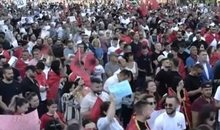
Protestuesit marshojnë drejt ish-Bllokut, thirrje kundër qeverisë gjatë tubimit
2026-06-15 21:19:21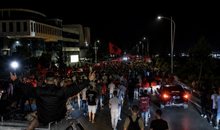
Marshuan drejt Rinasit, policia procedon penalisht 19 protestues
2026-06-15 20:55:47
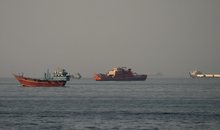
Paqartësi sa i përket tarifave për kalim nëpër Ngushticën e Hormuzit
2026-06-15 20:15:19
Çfarë e bën një këngë të Botërorit të paharrueshme?
2026-06-15 19:59:13
New directors appointed in Lezha, Vlora and Fier
2026-06-15 19:38:52
On the historic EU day, Albania is 'ignored' by Marta Kos
2026-06-15 19:24:05
Young man loses his life while sailing on a jet ski on Lake Ulza
2026-06-15 19:03:17
Day 16, citizens begin march towards the Prime Minister's Office: Rama resigns!
2026-06-15 18:47:26
Arrested in Belgium, 'Gert the General' appears transformed
2026-06-15 17:58:26
Marriage on the back burner, Millennials are choosing to live with friends
2026-06-15 17:33:38
World Cup madness, Miami bar offers cocktails in shoes
2026-06-15 17:12:01
Accident in Shëngjin, car collides with motorcycle, two injured
2026-06-15 16:35:15
11 days after Eglant Koç's disappearance, Armando Shakaj still on the run
2026-06-15 16:20:48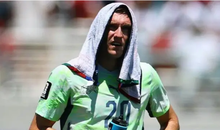
Hydration or tactical advantage? New World Cup rule sparks debate
2026-06-15 16:11:33
Rama continues with attacks and insults against protesters, Lubonja: Desperate
2026-06-15 15:59:54
After leaving the SP, Marjana Koçeku joins the protest against Rama
2026-06-15 15:51:48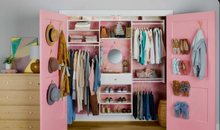
Why should you leave the closet open on hot days?
2026-06-15 15:40:05
Accident on the Fier-Libofshë road, 4 injured
2026-06-15 15:22:39

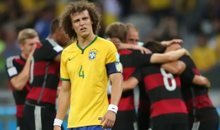
The biggest failures in World Cup history, Curaçao added to the list
2026-06-15 14:32:47
Extradited from Spain, GJKKO leaves Erzen Breçani's son in prison
2026-06-15 14:20:21
Former Kosovo minister sentenced to two years in prison for conflict of interest
2026-06-15 14:12:43
Virgil van Dijk plays final tournament with Netherlands
2026-06-15 13:59:58
Milan finds Igli Tara's replacement after dismissal
2026-06-15 13:47:14
Euro breaks new records, drops below 94.9 lek
2026-06-15 13:42:47
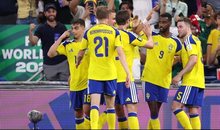
Spain and Belgium take to the field, De la Fuente saves Lamine Yamal
2026-06-15 13:28:09
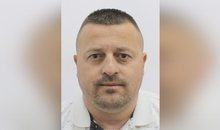
Sentenced to life imprisonment, Gerd Gjinarari is arrested in Belgium
2026-06-15 13:01:57
Montenegro rejects Vučić's accusations of hybrid war against Serbia!
2026-06-15 12:50:22
World Cup 2026/ Spain and Belgium take to the field tonight
2026-06-15 12:31:11