 Flash News
Albanian academics abroad support protests: Government failures have brought about this crisis
Rape of couple in Fushë-Arrëz, injured person speaks out: 5 people introduced themselves as police officers...
Transparency Board sets new fuel prices, diesel and gasoline prices decrease
Search continues in Ulza Lake for missing 37-year-old
Foreign exchange rate June 17/ How much the dollar and euro are bought and sold
No alarm, no emergency exit: how students live in Student City dormitories

Politiko
2026-06-16 21:02:08
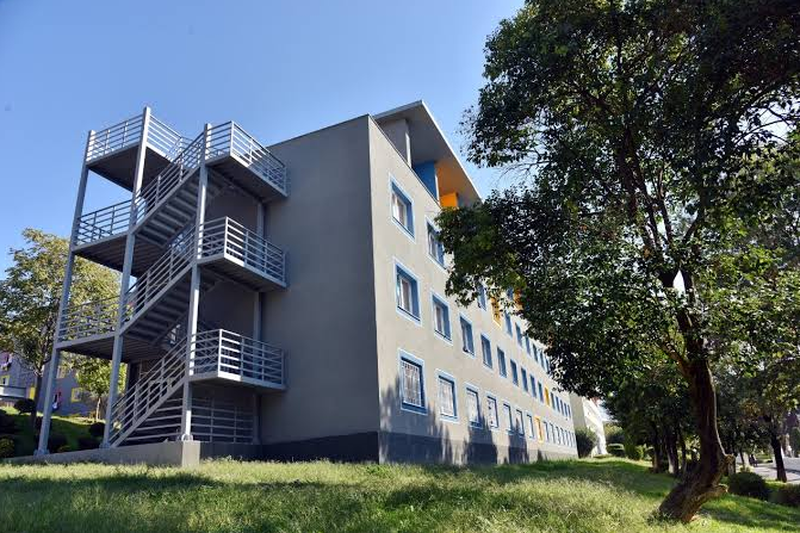
The smell of burning was faint at first. Then screams came from the hallway. On the third floor of an old building in Student City, students rushed out of their rooms. There was no alarm or evacuation plan. Just smoke and uncertainty about life.
KB, a student at the Faculty of History and Philology, tells of a case when a fire broke out in one of the rooms in the old dormitory where he lives.
"It was dinner, the time was somewhere around 7 or 7:30, don't be mistaken. We were sitting in the room and, indeed, we smelled a little like something was burning, but it's not like we reacted. Within 5 minutes we hear noise in the hallway, but we were also tired and, for things that happen in a dorm full of kids, noise is very normal. They knock on our door and the dormitory caretaker comes and tells us: 'Kids, come out because an outlet has caught fire.' It's normal that it will catch fire, the outlets haven't been changed since the time the former dictator built them. Then the fire department came, the fire was extinguished, but the fear remained," he recalls.
Field observation in the Student City buildings in Tirana reveals a fragmented reality. Security conditions vary significantly from one building to another, creating an uneven standard for students.
In reconstructed and new buildings, emergency exits are visible and evacuation spaces are functional.
"We have emergency exits that are open at all times and are used by students. We also have fire extinguishers that are changed regularly. There were also more frequent checks after a fire from a small heater," says AH, a student at the Faculty of History and Philology, who has been living in one of the new buildings for more than two years.
The picture changes significantly in older buildings. There, the lack of emergency exits or their presence in non-functional conditions is evident. In some cases, the spaces that should serve for evacuation are blocked or unusable.
"We have no emergency exits and there are only fire extinguishers on the first floor. The other floors are without any safety measures," says BH, a student at the Faculty of Foreign Languages, who lives in an unconstructed building.
For him, the risk is not hypothetical.
"If there's a fire, I have two choices: stay inside or jump out the window!" he says.
According to the decision of the Council of Ministers no. 319/2017, “On the approval of school design standards”, each building must have a minimum of two emergency exits per floor, located at a maximum distance of 30 meters from each room. The exits must be free, signalized and open in the direction of evacuation.
Jonus Murataj, chief of fire department sector no. 4 at Kinostudio, explains that these standards are essential for ensuring safety.
“Ambientet duhet të jenë funksionale dhe të sigurta, të garantojnë evakuim të shpejtë dhe akses për të gjithë.”
Megjithatë, nga vëzhgimi në terren rezulton se këto standarde nuk zbatohen në mënyrë të njëtrajtshme në të gjitha godinat.
Në Qytet Studenti ka 28 konvikte, 14 prej të cilave janë të rikonstruktuara, ndërsa 14 të tjerat janë ende të vjetra. Pagesa për qëndrimin në godinat e reja varion nga 5.500 lekë në muaj deri në 6.000 lekë, ndërsa në godinat e vjetra është 4.500 lekë në muaj.
Në katin e pestë të godinës 9-10, korridori është i ngushtë dhe i zhurmshëm nga lëvizjet e studentëve. Dyert e dhomave janë shumë pranë njëra-tjetrës dhe, në disa pjesë, valixhet apo sendet personale e bëjnë kalimin më të vështirë. Ndriçimi është i dobët në disa segmente dhe kjo krijon ndjesinë e pasigurisë nëse do të ndodhte një emergjencë gjatë natës.
Shkallët janë të pjerrëta dhe jo shumë të gjera. Dy studentë që zbresin në të njëjtën kohë duhet pothuajse të ngjiten pas murit për t’i lënë vend njëri-tjetrit. Teksa zbret nga kati i pestë në të katërtin, ndjesia është se evakuimi do të bëhej me vështirësi nëse do të kishte panik apo tym. Nuk ka shumë hapësirë për lëvizje të shpejtë dhe mungojnë sinjalizime të dukshme orientuese.
Në katin e tretë, atmosfera ndryshon pak. Korridori është më i gjallë, me studentë që hyjnë e dalin vazhdimisht. Megjithatë, dyert e emergjencës mungojnë. Në një situatë normale kjo mund të mos vihet re, por në rast rreziku çdo sekondë dhe çdo pengesë bëhet e rëndësishme.
Zbritja drejt katit të parë bëhet më e ngarkuar. Shkallët mbajnë erë lagështire dhe ajri duket i rënduar. Diku mungon ndriçimi, ndërsa parmakët duken të konsumuar nga përdorimi i viteve. Dalja kryesore është relativisht e gjerë, por nëse dhjetëra studentë do të përpiqeshin të dilnin njëkohësisht, hyrje-dalja do të mbingarkohej shpejt.
Në godinën tjetër pamja duket më ndryshe. Korridoret janë më të pastra dhe shkallët më të hapura. Lëvizja nga kati i katërt deri poshtë bëhet më lehtë dhe ndjesia e sigurisë është më e madhe. Dyert janë më të gjera dhe kalohen pa shumë vështirësi edhe me fluks studentësh. Megjithatë, mungesa e tabelave orientuese apo e informacionit të dukshëm për daljet e emergjencës mbetet problem.
Në godinën numër 13, problemi kryesor duket të jetë amortizimi. Muret e vjetra, shkallët e ngushta dhe korridoret e mbipopulluara krijojnë ndjesinë e një hapësire që funksionon më shumë nga rutina e studentëve sesa nga standardet e sigurisë. Në qetësi gjithçka duket normale, por mjafton të imagjinosh një alarm zjarri për të kuptuar sa e vështirë do të ishte lëvizja e shpejtë nga katet e sipërme drejt daljes.
Në korridoret e disa konvikteve mungon sinjalistika për dalje emergjente, ndërsa në të tjera ajo është e pjesshme. Në ambientet e përbashkëta nuk janë afishuar planet e evakuimit apo procedurat në raste emergjence.
Six years after the “Pact for the University”, promises to improve dormitory conditions remain unfulfilled in a significant portion of the buildings. For many students, security is not standard, it is a matter of fate. This is yet another factor that prevents students from choosing Student City as a residential residence.
According to data from the Municipality of Tirana, only 4,603 students were registered in the 2025-2026 academic year, 620 fewer than the previous year and almost half the number in 2019. The decline is particularly pronounced among first-year students; only 902 were accommodated in the 2025-2026 academic year, compared to 1,570 in 2023-2024.
The Municipality of Tirana says that an inspection was carried out by the Fire Protection Inspectorate in January. But in the same response it admits that only the reconstructed buildings meet the minimum safety standards. This creates an obvious contradiction: if half of the dormitories do not meet the minimum requirements, what were the findings of the inspection and what concrete actions were taken after it?
Asked about fire protection and the situation of the 14 unconstructed buildings, Student Residence No. 1 told ACQJ that “the project for their reconstruction has been approved within the framework of the 'Energy Efficiency Rehabilitation' project, financed by the German Development Bank.”
But the institution did not provide a start date, total funding, a list of priority buildings, or temporary security measures until reconstruction. Fourteen buildings await reconstruction. Thousands of students continue to live inside them./ acqj
Latest news






Suspected call center fraud scheme busted in Tirana, 7 arrested
2026-06-17 16:51:11




SP reacts after Koçek's statement about Eid
2026-06-17 14:51:45


Protest/ Police prosecute 16 citizens and announce 2 others wanted
2026-06-17 14:01:20
EP report on Albania, alarm on elections, corruption, media and environment
2026-06-17 13:46:15



Renowned actor Gjergji Lala dies
2026-06-17 12:30:31
45-year-old man in Memaliaj injured after falling from scaffolding at work
2026-06-17 12:14:54
Eurostat: Albania, penultimate in Europe for well-being
2026-06-17 12:00:59

Berisha: DP supports the protest, Rama leads a regime without legitimacy
2026-06-17 11:34:55

Transparency Board sets new fuel prices, diesel and gasoline prices decrease
2026-06-17 11:24:32


Search continues in Ulza Lake for missing 37-year-old
2026-06-17 10:40:55

Nosebleeds and stress: what you need to know
2026-06-17 10:21:39
Cocaine trafficking network dismantled in Athens, 11 Albanians involved
2026-06-17 10:11:29
General Eric Wendt confirmed as US Ambassador to Albania
2026-06-17 09:58:32
Brazil-Morocco match breaks World Cup viewership record
2026-06-17 09:49:50
Accident in Fier-Lushnjë, two people end up in hospital
2026-06-17 09:12:44
Foreign exchange rate June 17/ How much the dollar and euro are bought and sold
2026-06-17 08:56:35

MEP raises voice on protests in Albania: Where is public money going?
2026-06-17 08:12:17
17 countries support US-Iran deal, call for immediate implementation
2026-06-17 07:53:26

Rain is expected in some areas, according to the weather forecast today
2026-06-17 07:19:03
Morning Post/ In 2 lines: What mattered yesterday in Albania
2026-06-17 06:59:23
Alimehmeti: Rama's resignation would pave the way for a transitional government
2026-06-16 22:51:14


"Killed dreams in Albania", the spicy banners from the 17th protest
2026-06-16 21:17:28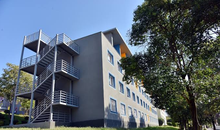
No alarm, no emergency exit: how students live in Student City dormitories
2026-06-16 21:02:08
Yamal's World Cup debut comes with a special dedication
2026-06-16 20:38:10


Protest schedule postponed due to high temperatures
2026-06-16 19:15:32
These 3 zodiac signs are considered ideal vacation companions
2026-06-16 18:54:57
With the red and black flag, tourists join the protest against Rama
2026-06-16 18:31:36
Secret destination in Europe where US-Iran deal expected to be signed revealed
2026-06-16 18:20:34

SPAK "freezes" the criminal group's luxury, seizing 150 million euros of assets
2026-06-16 17:44:56
Zhupa: Berisha will soon have meetings in the US
2026-06-16 17:22:37

Trump: The deal clearly states that Iran will not have nuclear weapons
2026-06-16 16:27:56
Why our brains don't function well in high-pressure situations
2026-06-16 16:19:13



How to stay safe while traveling in extreme heat
2026-06-16 15:39:24

Who is Dritan Gjika, the Albanian drug trafficking mafia in Ecuador?
2026-06-16 15:16:09
Large-scale fire at the former Metallurgical Plant in Elbasan
2026-06-16 14:43:46


World Cup icon signals end of career after 2026 World Cup
2026-06-16 13:53:07
Albanian Fake Civil Society and the Real One
2026-06-16 13:46:40



Berisha: Dumani is hiding Aruba's governors to protect Rama
2026-06-16 12:58:05

Who could be afraid of flamingos?!
2026-06-16 12:38:13
Albania protests and demands his removal, Rama presents his sculptures in Zurich
2026-06-16 12:30:08

Transparency Board announces new fuel prices
2026-06-16 12:12:58
"Fox" shark surprises vacationers in Borsh, gets caught in fishermen's nets
2026-06-16 11:59:00