 Flash News
Neo-mountaineering and Neo-security
Ronaldo vazhdon të sfidojë kohën, vendos rekord të ri në Kupën e Botës
Rama is outraged by the EP report: Either Europe has gone crazy and corrupt, or there is something wrong...
Albanian academics abroad support protests: Government failures have brought about this crisis
Rape of couple in Fushë-Arrëz, injured person speaks out: 5 people introduced themselves as police officers...
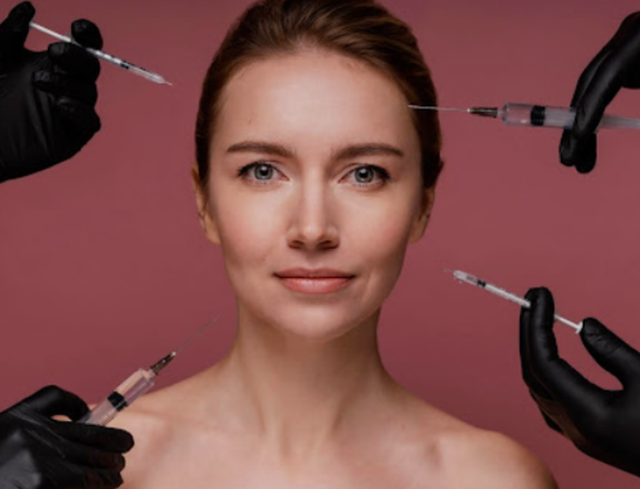
Botox has been one of the most sought-after cosmetic procedures in the world for years, widely used to smooth wrinkles and improve facial appearance without surgery. But recently, a new debate has opened on social media that has raised concerns among some users, following claims that this substance can "travel to the brain" and affect cognitive functions.
These theories have been spread mainly through viral posts, but doctors and specialists in the field emphasize that they are not supported by scientific evidence in the aesthetic use of Botox. According to them, botulinum toxin acts in a localized manner, temporarily blocking nerve signals in the muscles where it is injected, and in controlled doses its effect remains limited to that area.
Experts explain that Botox is not just a cosmetic product, but a medical preparation that should be used with caution and only by licensed professionals. In rare cases, especially when applied incorrectly or under unsafe conditions, the substance can spread beyond the treated area and cause side effects such as muscle weakness or difficulty speaking and swallowing, which require medical intervention.
However, studies suggesting effects on the central nervous system still remain at the experimental level and do not constitute evidence that the aesthetic use of Botox damages the brain or cognitive functions in humans.
Doctors emphasize that the risk is not related to the trend itself, but to how and by whom the procedure is performed. They advise that treatments be performed only in certified clinics and with controlled products, treating Botox as a medical procedure and not as a simple aesthetic intervention.
Latest news
Neo-mountaineering and Neo-security
2026-06-17 20:16:49
Ronaldo vazhdon të sfidojë kohën, vendos rekord të ri në Kupën e Botës
2026-06-17 19:52:19
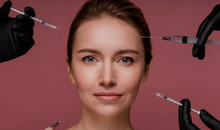
Does Botox go to the brain? Here's what doctors say
2026-06-17 19:00:18


Suspected call center fraud scheme busted in Tirana, 7 arrested
2026-06-17 16:51:11


SP reacts after Koçek's statement about Eid
2026-06-17 14:51:45


Protest/ Police prosecute 16 citizens and announce 2 others wanted
2026-06-17 14:01:20
EP report on Albania, alarm on elections, corruption, media and environment
2026-06-17 13:46:15



Renowned actor Gjergji Lala dies
2026-06-17 12:30:31
45-year-old man in Memaliaj injured after falling from scaffolding at work
2026-06-17 12:14:54
Eurostat: Albania, penultimate in Europe for well-being
2026-06-17 12:00:59

Berisha: DP supports the protest, Rama leads a regime without legitimacy
2026-06-17 11:34:55

Transparency Board sets new fuel prices, diesel and gasoline prices decrease
2026-06-17 11:24:32


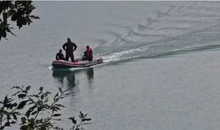
Search continues in Ulza Lake for missing 37-year-old
2026-06-17 10:40:55
Nosebleeds and stress: what you need to know
2026-06-17 10:21:39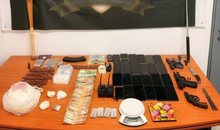
Cocaine trafficking network dismantled in Athens, 11 Albanians involved
2026-06-17 10:11:29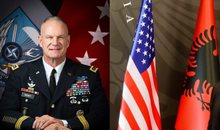
General Eric Wendt confirmed as US Ambassador to Albania
2026-06-17 09:58:32
Brazil-Morocco match breaks World Cup viewership record
2026-06-17 09:49:50

Accident in Fier-Lushnjë, two people end up in hospital
2026-06-17 09:12:44
Foreign exchange rate June 17/ How much the dollar and euro are bought and sold
2026-06-17 08:56:35

MEP raises voice on protests in Albania: Where is public money going?
2026-06-17 08:12:17
17 countries support US-Iran deal, call for immediate implementation
2026-06-17 07:53:26

Rain is expected in some areas, according to the weather forecast today
2026-06-17 07:19:03
Morning Post/ In 2 lines: What mattered yesterday in Albania
2026-06-17 06:59:23
Alimehmeti: Rama's resignation would pave the way for a transitional government
2026-06-16 22:51:14
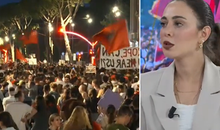


"Killed dreams in Albania", the spicy banners from the 17th protest
2026-06-16 21:17:28
No alarm, no emergency exit: how students live in Student City dormitories
2026-06-16 21:02:08
Yamal's World Cup debut comes with a special dedication
2026-06-16 20:38:10



Protest schedule postponed due to high temperatures
2026-06-16 19:15:32
These 3 zodiac signs are considered ideal vacation companions
2026-06-16 18:54:57
With the red and black flag, tourists join the protest against Rama
2026-06-16 18:31:36
Secret destination in Europe where US-Iran deal expected to be signed revealed
2026-06-16 18:20:34
SPAK "freezes" the criminal group's luxury, seizing 150 million euros of assets
2026-06-16 17:44:56
Zhupa: Berisha will soon have meetings in the US
2026-06-16 17:22:37

Trump: The deal clearly states that Iran will not have nuclear weapons
2026-06-16 16:27:56
Why our brains don't function well in high-pressure situations
2026-06-16 16:19:13

How to stay safe while traveling in extreme heat
2026-06-16 15:39:24
Who is Dritan Gjika, the Albanian drug trafficking mafia in Ecuador?
2026-06-16 15:16:09
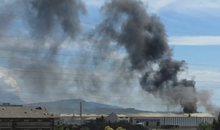
Large-scale fire at the former Metallurgical Plant in Elbasan
2026-06-16 14:43:46


World Cup icon signals end of career after 2026 World Cup
2026-06-16 13:53:07
Albanian Fake Civil Society and the Real One
2026-06-16 13:46:40



Berisha: Dumani is hiding Aruba's governors to protect Rama
2026-06-16 12:58:05

Who could be afraid of flamingos?!
2026-06-16 12:38:13