 Flash News
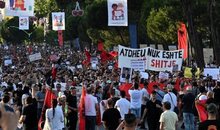
Albanian academics abroad support protests: Government failures have brought about this crisis
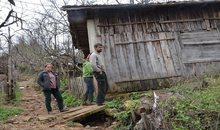
Rape of couple in Fushë-Arrëz, injured person speaks out: 5 people introduced themselves as police officers...
Transparency Board sets new fuel prices, diesel and gasoline prices decrease
Search continues in Ulza Lake for missing 37-year-old
Foreign exchange rate June 17/ How much the dollar and euro are bought and sold
Albanian academics abroad support protests: Government failures have brought about this crisis

Politiko
2026-06-17 15:18:46
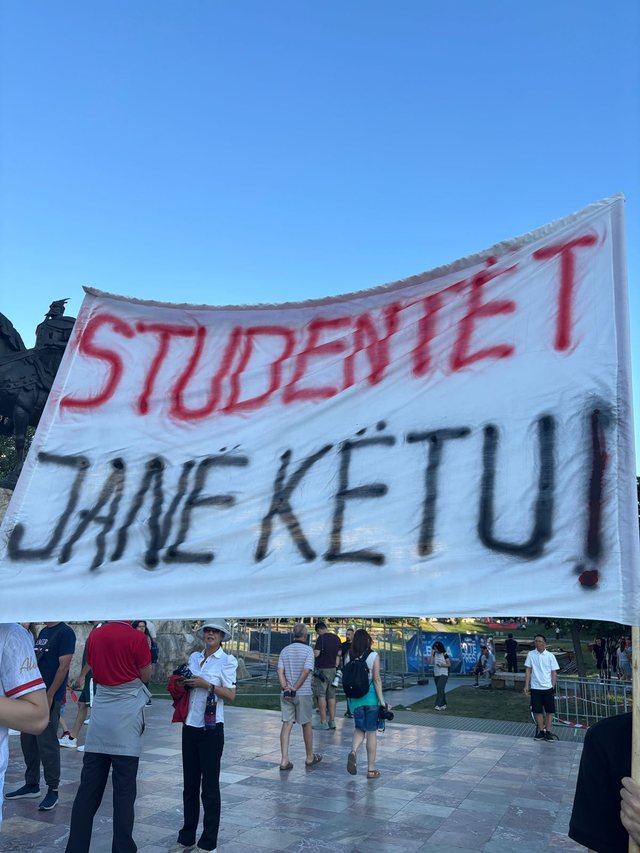
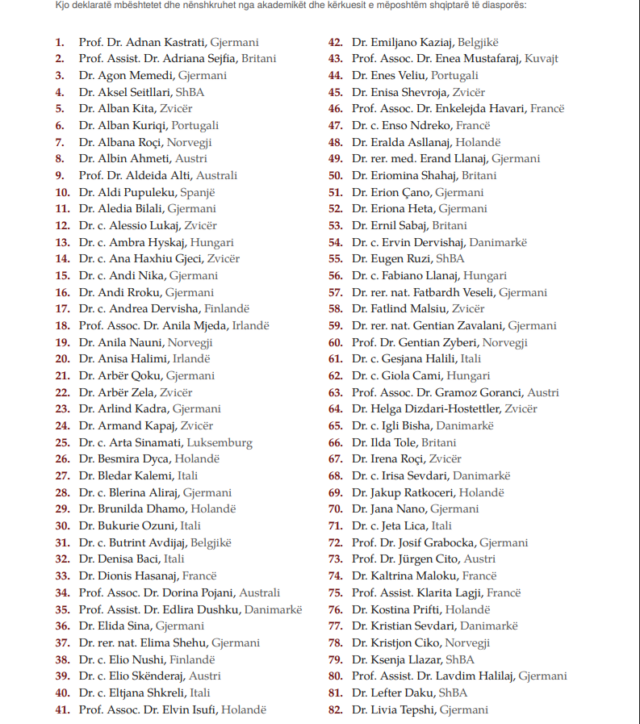
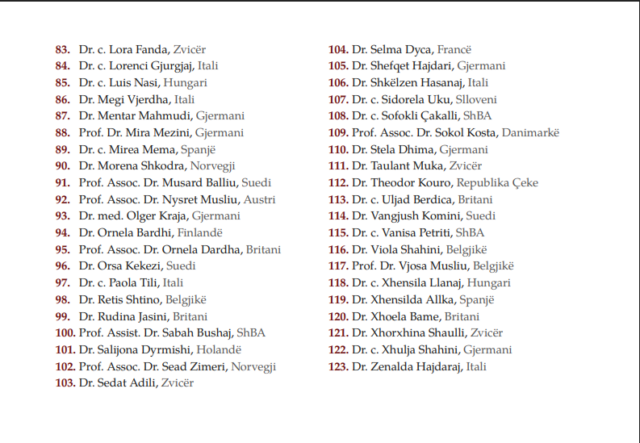
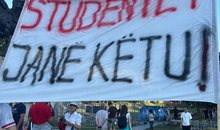
More than 120 Albanian academics and researchers who carry out their professional activities at universities and research institutions abroad have expressed public support for the civic protests taking place in Albania.
Through a joint statement, they consider the civic movement as a reflection of a dissatisfaction accumulated over years with the way of governance and the functioning of state institutions. According to them, the demands for more transparency, accountability and justice stem from a long-standing crisis of trust between citizens and the state.
Academics argue that the protests should not be seen as an isolated reaction to recent developments, but as a result of ongoing political and institutional problems that have undermined trust in justice, public administration, and the possibilities for building a future in Albania.
In their statement, special attention is paid to the state of higher education, science and innovation, areas that they say have been left out of national development priorities for years. They underline that underfunding, lack of meritocracy, weakening academic standards and the influence of clientelistic interests have damaged the country's development potential.
According to the signatories, the quality of education and scientific research is directly linked to strengthening democracy, economic development, and building functional institutions. For this reason, they consider the degradation of these sectors as a symptom of the broader crisis the country is experiencing.
Expressing their willingness to contribute their expertise and experience, they emphasize that a sustainable transformation of the country requires not only political changes, but also deep institutional reforms that place the public interest, education, science, and innovation at the center.
According to them, building a more functional and competitive Albania involves breaking away from practices that have hindered development for years and through the creation of institutions that value knowledge, professionalism, and merit.
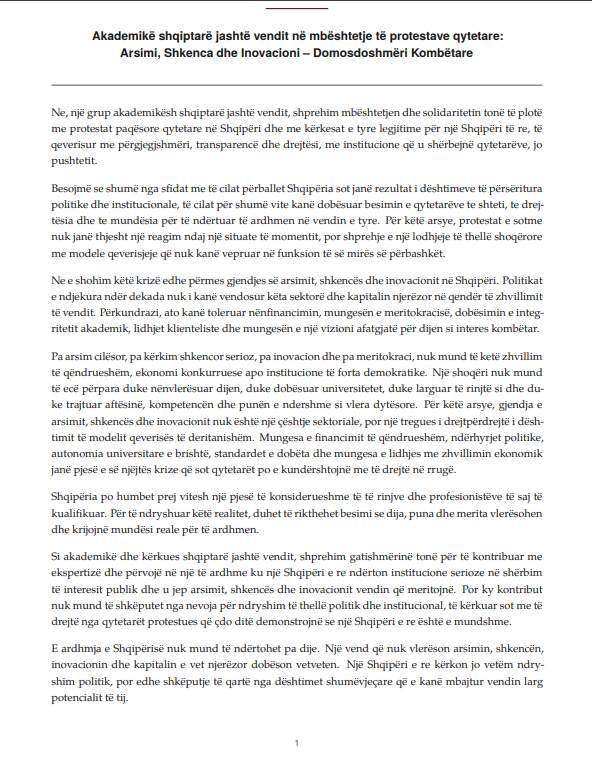
Statement:
We, a group of Albanian academics abroad, express our full support and solidarity with the peaceful citizen protests in Albania and their legitimate demands for a new Albania, governed with accountability, transparency and justice, with institutions that serve the citizens, not the government. We believe that many of the challenges Albania faces today are the result of repeated political and institutional failures, which for many years have weakened citizens' trust in the state, in justice and in the opportunity to build a future in their country.
For this reason, today's protests are not simply a reaction to a momentary situation, but an expression of a deep social fatigue with governance models that have not acted in the interest of the common good. We also see this crisis through the state of education, science and innovation in Albania.
The policies pursued over the decades have not placed these sectors and human capital at the center of the country's development. On the contrary, they have tolerated underfunding, lack of meritocracy, weakening of academic integrity, clientelistic connections and the lack of a long-term vision for knowledge as a national interest. Without quality education, without serious scientific research, without innovation and without meritocracy, there can be no sustainable development, competitive economy or strong democratic institutions.
A society cannot move forward by undervaluing knowledge, weakening universities, alienating young people, and treating skills, competence, and honest work as secondary values. For this reason, the state of education, science, and innovation is not a sectoral issue, but a direct indicator of the failure of the current governance model. The lack of sustainable funding, political interference, fragile university autonomy, poor standards, and the lack of connection to economic development are part of the same crisis that citizens are rightly protesting in the streets today.
Albania has been losing a significant portion of its young people and qualified professionals for years. To change this reality, the belief that knowledge, work and merit are valued and create real opportunities for the future must be restored. As Albanian academics and researchers abroad, we express our willingness to contribute with expertise and experience to a future where a new Albania builds serious institutions in the service of the public interest and gives education, science and innovation the place they deserve.
But this contribution cannot be separated from the need for profound political and institutional change, rightly demanded today by protesting citizens who demonstrate every day that a new Albania is possible. The future of Albania cannot be built without knowledge. A country that does not value education, science, innovation and its human capital weakens itself. A new Albania requires not only political change, but also a clear break from the long-standing failures that have kept the country from its potential.
Latest news


SP reacts after Koçek's statement about Eid
2026-06-17 14:51:45

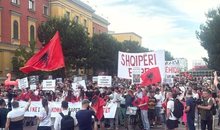
Protest/ Police prosecute 16 citizens and announce 2 others wanted
2026-06-17 14:01:20
EP report on Albania, alarm on elections, corruption, media and environment
2026-06-17 13:46:15


Renowned actor Gjergji Lala dies
2026-06-17 12:30:31
45-year-old man in Memaliaj injured after falling from scaffolding at work
2026-06-17 12:14:54
Eurostat: Albania, penultimate in Europe for well-being
2026-06-17 12:00:59

Berisha: DP supports the protest, Rama leads a regime without legitimacy
2026-06-17 11:34:55
Transparency Board sets new fuel prices, diesel and gasoline prices decrease
2026-06-17 11:24:32

Search continues in Ulza Lake for missing 37-year-old
2026-06-17 10:40:55

Nosebleeds and stress: what you need to know
2026-06-17 10:21:39
Cocaine trafficking network dismantled in Athens, 11 Albanians involved
2026-06-17 10:11:29
General Eric Wendt confirmed as US Ambassador to Albania
2026-06-17 09:58:32
Brazil-Morocco match breaks World Cup viewership record
2026-06-17 09:49:50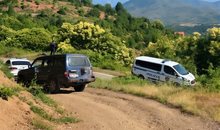
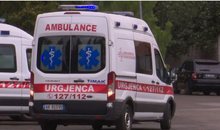
Accident in Fier-Lushnjë, two people end up in hospital
2026-06-17 09:12:44
Foreign exchange rate June 17/ How much the dollar and euro are bought and sold
2026-06-17 08:56:35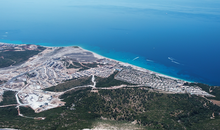

MEP raises voice on protests in Albania: Where is public money going?
2026-06-17 08:12:17
17 countries support US-Iran deal, call for immediate implementation
2026-06-17 07:53:26
Rain is expected in some areas, according to the weather forecast today
2026-06-17 07:19:03
Morning Post/ In 2 lines: What mattered yesterday in Albania
2026-06-17 06:59:23
Alimehmeti: Rama's resignation would pave the way for a transitional government
2026-06-16 22:51:14
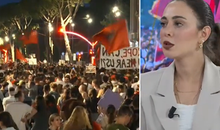


"Killed dreams in Albania", the spicy banners from the 17th protest
2026-06-16 21:17:28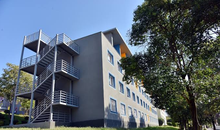
No alarm, no emergency exit: how students live in Student City dormitories
2026-06-16 21:02:08
Yamal's World Cup debut comes with a special dedication
2026-06-16 20:38:10
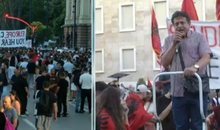
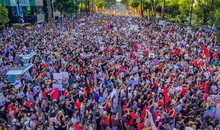
Protest schedule postponed due to high temperatures
2026-06-16 19:15:32
These 3 zodiac signs are considered ideal vacation companions
2026-06-16 18:54:57
With the red and black flag, tourists join the protest against Rama
2026-06-16 18:31:36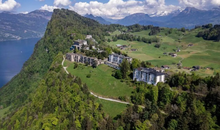
Secret destination in Europe where US-Iran deal expected to be signed revealed
2026-06-16 18:20:34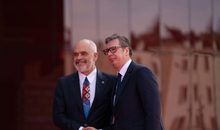
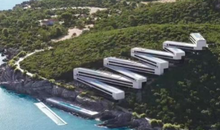
SPAK "freezes" the criminal group's luxury, seizing 150 million euros of assets
2026-06-16 17:44:56
Zhupa: Berisha will soon have meetings in the US
2026-06-16 17:22:37

Trump: The deal clearly states that Iran will not have nuclear weapons
2026-06-16 16:27:56
Why our brains don't function well in high-pressure situations
2026-06-16 16:19:13

How to stay safe while traveling in extreme heat
2026-06-16 15:39:24

Who is Dritan Gjika, the Albanian drug trafficking mafia in Ecuador?
2026-06-16 15:16:09
Large-scale fire at the former Metallurgical Plant in Elbasan
2026-06-16 14:43:46


World Cup icon signals end of career after 2026 World Cup
2026-06-16 13:53:07
Albanian Fake Civil Society and the Real One
2026-06-16 13:46:40
Berisha: Dumani is hiding Aruba's governors to protect Rama
2026-06-16 12:58:05
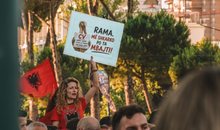
Who could be afraid of flamingos?!
2026-06-16 12:38:13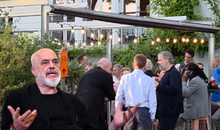
Albania protests and demands his removal, Rama presents his sculptures in Zurich
2026-06-16 12:30:08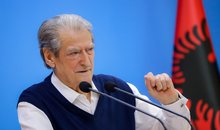
Transparency Board announces new fuel prices
2026-06-16 12:12:58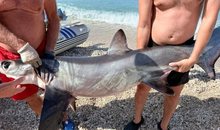
"Fox" shark surprises vacationers in Borsh, gets caught in fishermen's nets
2026-06-16 11:59:00
A gas station in Kruja is robbed at gunpoint.
2026-06-16 11:42:43

Kosovo/ The Vetevendosje Movement reaches 52 mandates thanks to the diaspora
2026-06-16 11:21:12