 Flash News
Balluk's wealth "collapses", SPAK seizes his villa in Dhërmi
The officer was killed during the action, the Korça police did not assess the dangerousness of the perpetrator, only 6 police officers were on the ground
Car ends up in canal, residents save father and son
Where does justice begin?/ Between Gog's speeches and the bullets on the ground, who protects the policeman?
Pëllumb Gjoka speaks about the accusations in the "Metamorphosis" file: They held a public trial for me, I have no connection to the murder of Gjin Ndoji
Merit or geopolitical moment? EWB: Corruption and justice will decide Albania's European fate

Politiko
2026-06-01 16:34:38
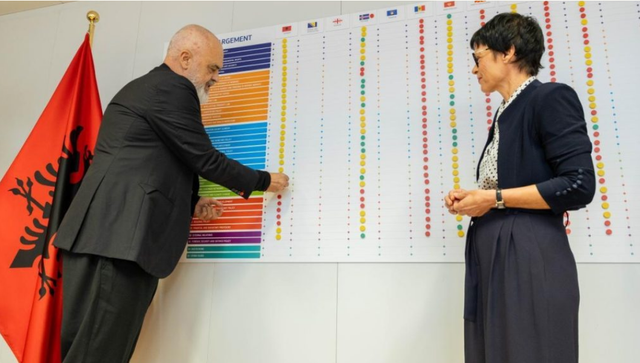
The government has been sharply criticized by the opposition for its alleged efforts to restrict the work of the Special Structure Against Corruption and Organized Crime (SPAK), especially after the Parliament refused to lift the immunity of Belinda Balluku, former Deputy Prime Minister and Minister of Infrastructure, to allow her arrest. Balluku is accused of manipulating public tenders and embezzling funds.
European Western Balkans writes that according to political analyst Afrim Krasniqi, the decision of Prime Minister Edi Rama's majority to not allow the investigation into Balluk was for several months a serious obstacle for EU member states to agree on the adoption of the IBAR report.
"The issue continues to remain at the top of the list of priorities for monitoring and political pressure from the main EU member states on Albania. Moving to the next phase of the process is not expected to have a major positive impact, especially on the domestic level. In Tirana, the integration process is being treated mainly as a matter of the ruling elites. Society and the public have been largely left out of information, consultation and preparation. The ruling elites know that Albania will one day join the EU and want to take credit for this achievement. When there are failures, the responsibility is usually charged to the opposition or a critical state within the EU ," Krasniqi assesses.
According to researcher Blerjana Bino, receiving IBAR is “a combination of merit and political momentum,” as Albania “has clearly invested considerable institutional and political energy in the review process and in meeting the required criteria, through legal and regulatory changes, as well as through a broad political consensus between the majority and the opposition on the path towards the EU.”
“At the same time, IBAR was neither automatic nor easy to secure. The process started earlier, but member states took time to decide, especially after political developments in Albania that raised concerns about the rule of law and parliamentary accountability. The fact that the final wording is stronger and clearer than previous versions shows that member states wanted to maintain pressure on the independence of the judiciary, the fight against corruption, media freedom, parliamentary oversight and the fundamental reform agenda. This reflects Albania’s progress, but also the EU’s renewed strategic interest in the Western Balkans,” says Bino.
Researcher Fjona Merkaj also believes that Albania's progress in the European integration process is the result of a combination of real merit and favorable political circumstances.
“Nga njëra anë, Shqipëria ka bërë përparime të rëndësishme, veçanërisht përmes procesit të vettingut në drejtësi, i cili çoi në largimin e gjyqtarëve dhe prokurorëve të korruptuar. Vendi ka përfunduar me shpejtësi hapjen e gjashtë grup-kapitujve të negociatave dhe ka treguar përputhje me politikën e jashtme të BE-së, përfshirë zbatimin e sanksioneve ndaj Rusisë.
Nga ana tjetër, dinamika politike ka luajtur gjithashtu rol. Ndryshimet gjeopolitike pas pushtimit rus të Ukrainës kanë rritur fokusin e BE-së te zgjerimi, duke favorizuar vendet e Ballkanit Perëndimor, përfshirë Shqipërinë”, thekson Merkaj.
Ajo shton se kryeministri Rama “ka kultivuar në mënyrë strategjike marrëdhënie me liderët kryesorë të BE-së, duke forcuar më tej pozicionin e Shqipërisë gjatë kësaj periudhe të favorshme politike”.
Çfarë duhet të bëjë Tirana për të përmbushur afatin e synuar për anëtarësimin në BE?
Pasi ka hapur të gjithë grup-kapitujt e negociatave dhe synon t’i përfundojë bisedimet e anëtarësimit deri në vitin 2027, Shqipëria është shfaqur si një nga vendet kandidate që po ecën më shpejt drejt BE-së. Megjithatë, për të arritur këtë objektiv, vendi duhet të zbatojë reforma të thella në disa fusha kyçe.
“Pika kryesore është se përafrimi me legjislacionin e BE-së nuk është e njëjta gjë me demokratizimin real në praktikë. Miratimi i ligjeve është i domosdoshëm, por nuk përkthehet automatikisht në institucione më të forta, qeverisje më të përgjegjshme, drejtësi të pavarur, liri mediatike apo mbrojtje më të mirë të të drejtave të qytetarëve. Faza e ardhshme do të jetë më sfiduese. Shqipëria duhet të tregojë zbatim të qëndrueshëm të reformave dhe jo vetëm përputhje formale”, nënvizon Bino.
Ajo sqaron se sfidat kryesore do të jenë: garantimi i pavarësisë së gjyqësorit; lufta kundër korrupsionit dhe krimit të organizuar; forcimi i mbikëqyrjes parlamentare; mbrojtja e lirisë së medias; përmirësimi i integritetit zgjedhor; dhe bërja e reformave të prekshme në jetën e përditshme të qytetarëve.
“Shqipëria duhet të përfitojë nga ky moment i favorshëm i zgjerimit, por testi i vërtetë është nëse përshpejtimi drejt BE-së do të shoqërohet edhe me përshpejtimin e demokratizimit brenda vendit”, përfundon ajo.
Sipas Krasniqit, “problemi kryesor mbetet hendeku mes miratimit të ligjeve dhe vendimeve të reja, nga njëra anë, dhe zbatimit real e të qëndrueshëm të tyre, nga ana tjetër”.
“Pa garanci të qarta se reformat do të zbatohen plotësisht dhe në mënyrë të barabartë, procesi rrezikon të mbetet kryesisht teknik dhe deklarativ. Kjo e bën gjithnjë e më të vështirë arritjen e objektivit për mbylljen e kapitujve deri në vitin 2027 dhe anëtarësimin në BE deri në vitin 2030.
The dominant hope in Tirana is that the EU needs a success story and a geopolitical shift, while Albania is in a favorable position to benefit. The argument is that Albania has no ethnic, border or religious conflicts and no significant influence from third countries. It may sound like excessive optimism, but in Tirana many people really believe in this scenario ,” he says.
Even Merkaj agrees that Albania faces some major challenges on the path to EU membership.
"First and foremost, the sustainability of the justice reform remains a challenge. Although the vetting process has brought results, political influence in the judicial system continues to exist and requires continued attention, especially given the current shortage of judges."
"Corruption and organized crime remain ongoing concerns. Although anti-corruption measures have been taken and progress has been achieved in some areas, systemic corruption continues to pose a major obstacle ," she warns.
Merkaj also emphasizes that Albania must accelerate approximation to European standards in the fields of environment, agriculture and regional development, especially within Cluster 5.
“This means adopting and implementing rigorous EU standards for environmental protection, agriculture and regional development, a process that requires technical expertise and long-term commitment,” she concludes.
Latest news
Watermelon, the heart's ally in summer
2026-06-04 13:56:33
The board continues to "ping pong" with fuel prices, oil increases again
2026-06-04 13:39:24
Bardhi asks Rama to the Assembly: The interpellation is not delegated!
2026-06-04 13:21:54
House of Representatives approves measure to end Iran war
2026-06-04 13:14:35
Car ends up in canal, residents save father and son
2026-06-04 12:55:58
SPAK requests 98 years in prison for Durim Bami, Aldo Avdyli and 5 others
2026-06-04 12:39:43

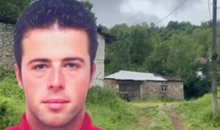
Video/View from the scene where the policeman was killed in Maliq
2026-06-04 11:52:46

SPAK knocks on Igli Tare, former footballer included in Balluku file
2026-06-04 11:16:36


Four ways your attention is manipulated
2026-06-04 10:52:57
Policeman's murder, Bardhi reacts: Shocked, I strongly condemn the serious act
2026-06-04 10:30:35
Parliament holds a minute of silence for the officer killed in Maliq
2026-06-04 10:25:48

Photos of two young men who drowned in the sea in Lezha emerge
2026-06-04 09:44:40

What anxiety is really trying to tell you
2026-06-04 09:24:37
Maliq/ Officer killed during police operation, another injured
2026-06-04 08:31:21
Horoscope, get to know the star forecast
2026-06-04 08:21:37
Unstable weather conditions, weather forecast for this Thursday
2026-06-04 08:06:35
Morning Post/ In 2 lines: What mattered yesterday in Albania
2026-06-04 07:50:52
Tension in "Air Albania" after Israel's goal, Hysaj clashes with Gloukh
2026-06-03 22:21:33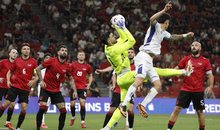
Debutim i hidhur për Maran, Shqipëria mposhtet nga Izraeli
2026-06-03 22:01:35
Këlliçi: Rama është sot një Kryeministër i ezauruar totalisht
2026-06-03 21:38:01
Costa porosit liderët: BE-ja s’mund të bëjë detyrat e shtëpisë të Kosovës
2026-06-03 21:16:35
6 në 10 persona përdorin AI për shëndetin mendor
2026-06-03 20:56:11
Tifozët kuqezinj fërshëllejnë himnin izraelit
2026-06-03 20:34:01
"Resign, we want revolution", citizens chant outside Rama's office
2026-06-03 19:58:32
The two young men who lost their lives in Shëngjin are identified
2026-06-03 19:43:35
Official lineups for the Albania-Israel friendly are published
2026-06-03 19:18:56
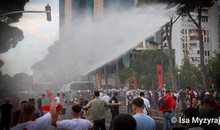
Video/ Police throw water on the crowd, protesters break the metal fence
2026-06-03 18:59:00
The best professions for free time and less stress
2026-06-03 18:48:43
The Federation of North Macedonia excludes Shkëndija Tetovo from the Cup
2026-06-03 18:16:04
Blow for Broja, his value on "Transfermarkt" drops to 5 million euros
2026-06-03 17:53:09
Bulqiza miners in protest, miners demand improved working conditions
2026-06-03 17:29:39
Trump admits clash with Netanyahu: I asked him to stop the escalation in Lebanon
2026-06-03 16:30:32
By 2030, 45% of women are expected to be single and childless
2026-06-03 16:19:53
Alarm for the Rossoneri! Uzun risks the challenge against Israel
2026-06-03 15:52:21
Two people were injured by a bomb explosion in Përmet, police provide details
2026-06-03 15:35:24
The heat wave does not spare Spain, 101 people lost their lives in May alone
2026-06-03 15:09:35
Hearing for the defendants in the Veliaj case, SPAK gives its claim
2026-06-03 14:56:31

Murder of Martin Can, Appeal decision for Mario Përlleshaj postponed
2026-06-03 14:18:24
Can hackers steal fingerprints from photos on social media?
2026-06-03 14:02:14
Explosion in Përmet, two people seriously injured, one urgently sent to Tirana
2026-06-03 13:41:21
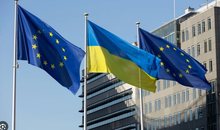
Berlin signals opening of Europe-Russia talks on Ukraine
2026-06-03 13:27:09
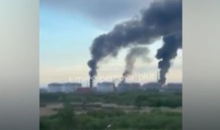
Explosions at oil terminal, footage from the attack in St. Petersburg
2026-06-03 13:01:14
CNN: US-Iran ceasefire is straining, oil prices rise again
2026-06-03 12:42:57
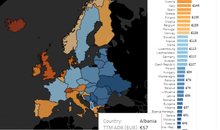
Albania becomes the second most expensive in the Balkans for daily rentals
2026-06-03 12:13:35
Berisha on the trial against Meta: Political farce ordered by Rama
2026-06-03 11:36:15
Accident in Levan-Tepelena, car ends up in canal
2026-06-03 11:16:34

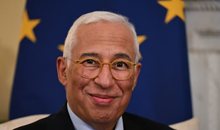
Antonio Costa in Kosovo today, meets Haxhiu, Kurti and party leaders
2026-06-03 10:18:56
'1 million lek to put a cell phone in prison', Beci: 'Flash' checks to seize it
2026-06-03 10:06:29

Horoscope June 3, 2026, discover the star predictions
2026-06-03 09:51:56
Traumat në fëmijëri lënë gjurmë në tru
2026-06-03 09:34:20
Bank robbery in Tirana, guard arrested: He did not act to neutralize the robber
2026-06-03 09:23:25


Foreign exchange/ How much foreign currencies are bought and sold today
2026-06-03 08:25:50
Long note for those who can't read
2026-06-03 08:03:50
33 degrees Celsius in some areas, as the weather forecast is for today
2026-06-03 07:25:07