 Flash News
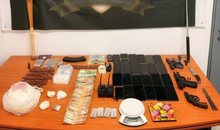
Anti-cannabis operation in Kurbin, one person arrested, accomplice sought
Accident at the entrance to Elbasan, bus collides with fuel sign
The mayor of Roskovec appears before SPAK
SPAK operation in Devoll, searches in the apartment of the former head of the Municipal Police
The banner that "touched" Klosi: Rama or Bela, who was the reason?
How the protests in Tirana gained international media attention

Politiko
2026-06-18 14:21:14
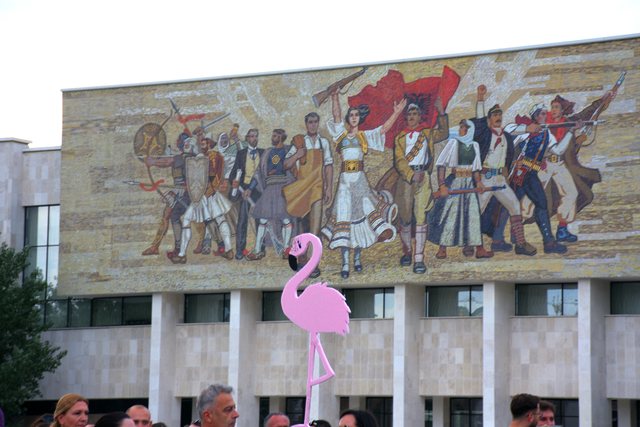
The first days of the protest in Tirana were boycotted by local media, but they immediately attracted the attention of foreign media.
Throughout the 18 days of the protest known as the "Flamingo Revolution", prestigious media outlets such as CNN, Reuters, Al Jazeera, or major international newspapers such as "New York Times", "Der Spiegel", and "Die Zeit" have had continuous coverage.
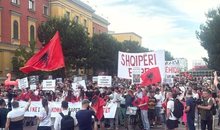
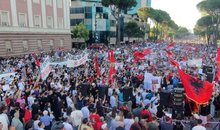
Since the beginning of June, tens of thousands of citizens of Tirana and other cities in the country have filled the "Dëshmorët e Kombit" boulevard and the streets of the capital in a marathon protest that initially began in opposition to the mass tourism project in the Pishë Poro - Nartë protected area, but which quickly transformed into an anti-government movement.
Civil society representatives told BIRN that the protest has several intertwined elements that received international attention, such as its massiveness and sustainability, as well as the environmental cause surrounding a project linked to the Trump family.
"First, the protest has received international attention because of the Trump family's involvement in the investment in Sazan-Zvërnec. Second, because of its massiveness, sustainability, and rise for a protected area," says Rigels Xhemollari, activist and executive director of the organization "Civic Resistance."
According to him, another factoring element is Albania's current position in the European Union integration process.
"This is also due to the relationship that Albania has at these moments with the integration process, where all eyes are on the country to see the fight against corruption and money laundering," added the leader of the Civic Resistance.
Jonida Sela, a researcher and lecturer, also sees the international media attention as linked to the interests of the Trump family. But she also emphasized that the massiveness, creativity, and peaceful nature of the protest increased the interest of global information giants.
“Massive protests have taken place in the Southeast European region, but in Albania, something like this has not happened since 2018, which certainly did not have this sensitivity and massiveness,” Sela told BIRN.
According to her, what stood out the most was the creativity coming from Generation Z and the creation of banners by Artificial Intelligence, which were also reflected on social networks.
"Social media was a catalyst when society was able to see the reaction of politics, the media, and the attitudes of influencers," Sela added.
Another element is the peaceful spirit of the protest that has given it widespread popularity not only among locals, but also internationally.
"What has been noticed during these days of protests is the peaceful spirit that prevails," Jonida Sela told BIRN, adding that during these days the protesters have calmly articulated the main demands for the cancellation of the project and Rama's resignation.
According to Sela and Xhemollari, the coverage and reflection of the protest by international media has helped in the increased success of the protest.
Xhemollari told BIRN that in fact, the coverage of the protest by foreign media has influenced the awareness of interested actors, as well as served as a kind of pressure on local media to give it more importance.
"The exposure in international media has influenced the success of this protest, as it forced local media to broadcast the protest after the 3rd day, after a total blockade," recalls Xhemollari.
"Secondly, foreign media have alerted interested international actors such as the European Commission to raise concerns about the Vjosa-Narta area, as well as awakened the conscience of many Albanians around the world, who have organized hundreds of parallel protests in their countries," he added.
According to Jonida Sela, international attention has put pressure on the government, which cannot continue with its propaganda game, as if Albania is the happiest country in the world.
"The media is recreating the image of the real Albania, with energetic and visionary young people, with engaged intellectuals and a people who demand that their fundamental rights and the law be implemented," concluded researcher Sela. Reporter.al
Latest news

How the protests in Tirana gained international media attention
2026-06-18 14:21:14
Anti-cannabis operation in Kurbin, one person arrested, accomplice sought
2026-06-18 14:00:21
Accident at the entrance to Elbasan, bus collides with fuel sign
2026-06-18 13:51:19

Hegseth explodes against NATO: We are reviewing our presence in Europe
2026-06-18 13:13:44
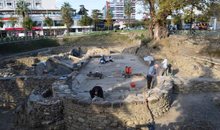
Excavations reveal mosaics from an early phase of the Elbasan Basilica
2026-06-18 12:55:41

Tensions in the trial against Meta, Kryemadhi and lawyer Cakrani fined
2026-06-18 12:37:26
56 million euros spent, no functional plant: Tirana "floats" in sewage
2026-06-18 12:29:00
The mayor of Roskovec appears before SPAK
2026-06-18 12:19:46
"Don't point the finger at me," parliamentary session is interrupted again
2026-06-18 12:05:28





The banner that "touched" Klosi: Rama or Bela, who was the reason?
2026-06-18 10:41:15

The signing of the US-Iran agreement lowers the price of oil on world markets
2026-06-18 09:49:07
Eating these foods helps cool the body during the summer heat
2026-06-18 09:41:18


Long lines and missed flights: EU warns of border easing during summer
2026-06-18 08:58:04

Prices 'fly', wages lag behind/ Albania surpasses the EU in food prices
2026-06-18 08:16:14

Weather forecast for today
2026-06-18 07:45:37
Horoscope June 18, 2026, discover the star predictions
2026-06-18 07:26:13
Morning Post/ In 2 lines: What mattered yesterday in Albania
2026-06-18 07:00:51
"We will be given capital", the spicy banners from the protest
2026-06-17 22:58:52

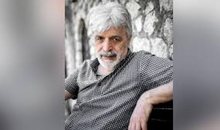
Actor and director Gjergji Lala dies at the age of 79
2026-06-17 22:14:10
Marta Kos's statement, DP reacts: It is based on Rama's false information
2026-06-17 21:37:31
A debut to forget, Ronaldo fails to make the difference in Portugal's equalizer
2026-06-17 21:22:15


Neo-mountaineering and Neo-security
2026-06-17 20:16:49
Ronaldo continues to defy time, sets new World Cup record
2026-06-17 19:52:19


Does Botox go to the brain? Here's what doctors say
2026-06-17 19:00:18


Suspected call center fraud scheme busted in Tirana, 7 arrested
2026-06-17 16:51:11


SP reacts after Koçek's statement about Eid
2026-06-17 14:51:45

Protest/ Police prosecute 16 citizens and announce 2 others wanted
2026-06-17 14:01:20
EP report on Albania, alarm on elections, corruption, media and environment
2026-06-17 13:46:15


Renowned actor Gjergji Lala dies
2026-06-17 12:30:31

45-year-old man in Memaliaj injured after falling from scaffolding at work
2026-06-17 12:14:54
Eurostat: Albania, penultimate in Europe for well-being
2026-06-17 12:00:59

Berisha: DP supports the protest, Rama leads a regime without legitimacy
2026-06-17 11:34:55

Transparency Board sets new fuel prices, diesel and gasoline prices decrease
2026-06-17 11:24:32

Search continues in Ulza Lake for missing 37-year-old
2026-06-17 10:40:55

Nosebleeds and stress: what you need to know
2026-06-17 10:21:39