
 Flash News
Rain and massive landslides on the Moglica-Gramsh axis, traffic is limited on one side
Killed after a conflict in Kamëz, this is the 27-year-old who passed away
Photo/ This is the perpetrator of the murder of the 27-year-old in Paskuqan
Anti-Rama petition, over 395 thousand citizens sign for the removal of the Prime Minister
Daytime murder in Kamëz, police react: No others injured in the incident
"Only vegetables have grown, don't worry"/ The Minister "tries hairs", market prices show a different picture

Politiko
2026-04-10 11:27:26
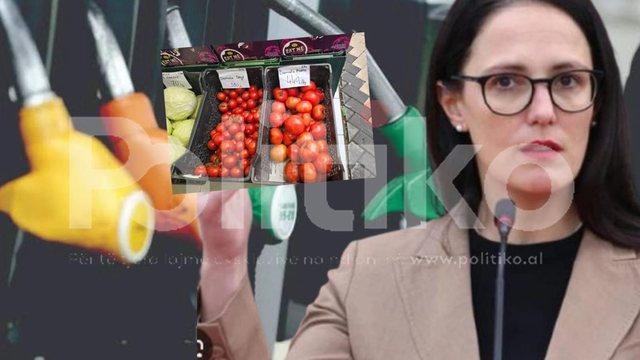
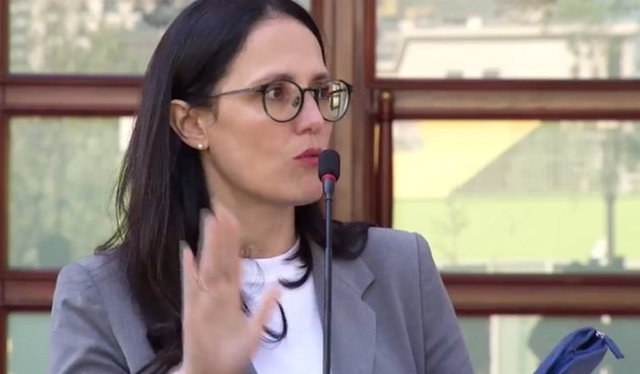
The Minister of Finance, Delina Ibrahimaj, stated this Friday that the increase in prices in Albania is limited only to the vegetable category, emphasizing that the situation does not appear to be worrying.
According to her, inflation in the country remains at controlled levels, around 2.6%, while over 80 products in the basket have not experienced significant growth. She added that the government will only intervene if the growth affects other basic categories.
"The increase occurred only in the vegetable category, while there was no price increase in all other foods.
The war is not in Albania's hands to contain it or not, prices have increased as a result of the war, we are here so that the consequences have a minimal impact on the Albanian economy. There are over 80 products in the basket and none have increased due to the war.
"Inflation was at 2.6%, which is still a controlled level. If we see that prices will also increase in other products, then we will undoubtedly intervene with an act that will provide subsidies to categories of needy groups," Ibrahimaj said.
This is a typical message of stability from institutions, aimed at avoiding panic and providing security for the economy.
Market reality: tomato growth and the chain effect
Albanians are consuming very few tomatoes this season, and this time not because of the pesticide load or the quality, but rather the price that is keeping this product off the table.
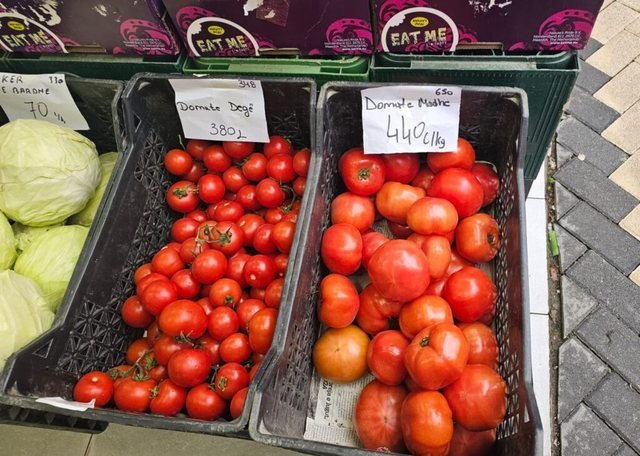
Tomatoes are the most popular product in our country, the most cultivated in greenhouses and family gardens, but these days their price in retail markets has hit records of 350-440 lek per kg for normal tomatoes and 700-800 lek per kg for cherry tomatoes, a value previously unknown to consumers.
Although this vegetable is not in its prime, the second greenhouse season brought this product to the stalls at reasonable prices in early April.
Even in January, domestic tomatoes cost 170 lek/kg and imported tomatoes cost 270-300 lek/kg.
Oil, the factor that affects everything
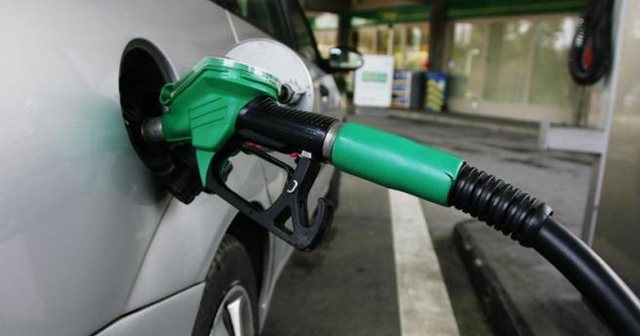
Although not classified as a food product, oil is a fundamental factor that affects the entire economy. High fuel prices increase transportation, production, and distribution costs, which are then reflected in the prices of products on the market.
In Albania, where a large portion of food products are transported from different areas or imported, any increase in oil prices has an immediate effect on final prices.
This means that even if statistics show stability in certain categories, real pressure on prices continues to exist.
The Transparency Board published the new fuel prices yesterday.
According to the decision, the price of diesel has been reduced to 210 lek per liter from 220 lek per liter the day before. The price of gasoline has also been reduced to 173 lek per liter from 181 lek per liter the day before.
Albanians go to Montenegro for oil
The queue of vehicles has increased at the gas station in Tuz, on the border with the Murriqani customs point, which connects Montenegro with Albania.
Most of the residents around there cross the border and get fuel, as it is much cheaper than in Albania. A liter of fuel was traded yesterday in Montenegro for 1.57 euros, while in Albania it was 214 lekë, or 2.2 euros at the daily exchange rate.
With 2 thousand lekë, in Albania you can buy 9.3 liters of diesel, while in Montenegro, with the same amount, if you exchange it you get almost 21 euros and buy 13.1 liters, or 42% more. The difference in price is so high that it is worth the time spent and the extra fuel spent on the way to the border.
When the government intervenes and the policy dilemma
Minister Ibrahimaj stated that the government will only intervene if the increase spreads to other products in the basket.
But this approach raises a dilemma: should we wait for the situation to worsen before taking action?
Experts argue that early interventions can mitigate the knock-on effects and protect the most vulnerable segments of society.
Conversely, delayed response can make price control more difficult.
Conclusion: a perception that does not match
In the end, the problem is no longer just about statistics or their interpretation, but about the lack of a concrete response.
While Delina Ibrahimaj talks about controlled inflation and limited growth, citizens are facing prices that are silently rising every day – from tomatoes that have reached record levels, to fuel that continues to weigh down every product and service.
The government has chosen to wait. To wait for growth to spread further, to wait for the crisis to become more visible, before intervening. But in economics, delay is often more costly than the crisis itself.
Instead of preventive measures, the current policy seems to rely on justification and minimization of the situation. Meanwhile, Albanian families are facing an ever-increasing cost of living alone.
And in this reality, the problem is no longer whether "only vegetables have grown", but the fact that in the face of this daily price increase, the government continues to fail to take any concrete measures./ N.Fero, POLITIKO.AL
Latest news



Nard Ndoka gives the news: Sali Berisha's "non grata" status has been lifted
2026-06-08 21:59:42



Kaja Kallas proposes Portuguese diplomat as EU ambassador to Albania
2026-06-08 20:28:55




Tensions between Iran and Israel, EU: Region stuck between war and ceasefires
2026-06-08 17:42:47

Retirement age even more difficult than working life
2026-06-08 17:03:32
Euro starts the week in further decline, drops towards the threshold of 95 lek
2026-06-08 16:34:43

Nga kullat te lumenjtë/ Kostoja e padukshme e etheve të ndërtimit
2026-06-08 15:56:47

Criminal amnesty approved in principle, 380 convicts released immediately
2026-06-08 15:11:42
Abuses with "SASPAC" funds, Appeal leaves Ilir Beqaj in prison
2026-06-08 14:58:54

Killed after a conflict in Kamëz, this is the 27-year-old who passed away
2026-06-08 14:43:04
Gunshots in Velipoja
2026-06-08 14:38:01
Photo/ This is the perpetrator of the murder of the 27-year-old in Paskuqan
2026-06-08 13:59:22
Rama appears in a miniskirt, commentators 'massacre' him: Is the boy sick?
2026-06-08 13:46:47

Daytime murder in Kamëz, police react: No others injured in the incident
2026-06-08 13:21:38
DP takes the "anti-Rama package" to Parliament, demands the repeal of 4 laws
2026-06-08 13:02:58

EU: Elections in Kosovo pave the way for overcoming political deadlock
2026-06-08 12:33:32
Shooting in Kamëz, injured person dies in Trauma
2026-06-08 12:17:24
Berisha publishes video: 2 million slaps will come to Rama from Albanians
2026-06-08 12:09:26
Gunshot wound in Kamza
2026-06-08 12:00:47

Bullets on the police 'Eagles', how officer Enea Mekollli was killed by 5 shots
2026-06-08 11:44:05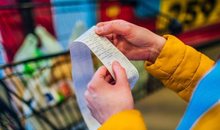
EU 'scolds' Rama for Zvërnec: Protect nature before you destroy it
2026-06-08 11:14:01
Journalist warns: Campaign to remove students from protest has begun
2026-06-08 11:00:46
Albanian drug trafficker "Maradona" buys his freedom with 1.5 million euros
2026-06-08 10:31:34

Foreign exchange, how much foreign currencies are sold and bought today
2026-06-08 09:27:27
From Tirana to Toronto, Albanians in Canada join calls for Rama's removal
2026-06-08 09:12:05


Horoscope, what do the stars have in store for you today?
2026-06-08 08:15:47
Sun and high temperatures, the weather forecast for this Monday
2026-06-08 07:59:00
Morning Post/ In 2 lines: What mattered yesterday in Albania
2026-06-08 07:46:35
Rama complains about insults after the meeting in Elbasan: B*tcheater, thief
2026-06-07 22:18:16
New waves of attacks on Israel, Iran launches missiles
2026-06-07 21:55:36
Zodiac signs that always do things their way
2026-06-07 21:37:47
Protesters 'occupy' the streets of Tirana, motorcyclists join citizens
2026-06-07 21:24:27
Over 40% of votes counted, Vetëvendosje leads with over 41%
2026-06-07 21:03:53

VIDEO/ Rama 'goes crazy', goes off-script with unusual gestures
2026-06-07 20:20:38
Vote counting begins in Kosovo, first results published
2026-06-07 19:57:55

Exit polls after Kosovo elections are out, Albin Kurti leads with 42%
2026-06-07 19:31:58
Gunshot wound in Shijak, names emerge. Bar owner injured, perpetrator on the run
2026-06-07 19:00:13
Rama threatens bloggers: They don't even give 1 euro in tax to the state
2026-06-07 18:48:09
Gunshots in Shijak
2026-06-07 18:33:13
Rama interrupts speech over slogan against Zvërnec: Put him down
2026-06-07 18:20:11
Chain accident in Morina-Kukës
2026-06-07 17:42:58


Elections in Kosovo/ By 15:00 turnout 22.74%
2026-06-07 16:18:03
Këlliçi: Rama insulted protesters, his arrogance and corruption must go away
2026-06-07 15:29:59
Zodiac signs that never give up on love
2026-06-07 15:12:18
How the Western Balkans became Europe's "factory"... what comes next?
2026-06-07 14:52:17
Violand Braçellari, who killed the policeman, is left in prison
2026-06-07 14:30:40
Armenians vote on country's future between East and West
2026-06-07 13:51:13
Former Republican Guard officer found dead in Mat River
2026-06-07 13:00:13
Strong tremors in Athens, two earthquakes one after the other
2026-06-07 12:41:55