
 Flash News
Balluk's wealth "collapses", SPAK seizes his villa in Dhërmi
The officer was killed during the action, the Korça police did not assess the dangerousness of the perpetrator, only 6 police officers were on the ground
Car ends up in canal, residents save father and son
Where does justice begin?/ Between Gog's speeches and the bullets on the ground, who protects the policeman?
Pëllumb Gjoka speaks about the accusations in the "Metamorphosis" file: They held a public trial for me, I have no connection to the murder of Gjin Ndoji
Why you should see menopause as fertile ground for new beginnings

Politiko
2026-05-31 21:14:02
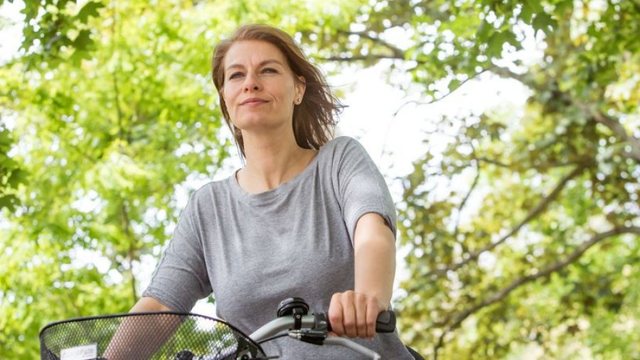
Perimenopause, menopause, postmenopause. "Ugh" is the attitude many women have towards the changes their bodies undergo as natural fertility gradually wanes and then stops. It's something you just have to get through.
The heat, sleep problems, and mood swings can be exasperating. In the meantime, you have work and family issues to deal with. And for some women, there's the added burden of caring for a loved one. That's a lot to take in and emotionally difficult.
But is menopause nothing more than a denial, meaning the end of being young, fertile, and wrinkle-free? Or could it also be a beginning, something positive?
Of course it can be, says Dr. Petra Beschoner, a specialist in psychiatry and psychotherapy. It just depends on how you treat it.
You should "see it not as the end of your femininity, but as the beginning of a new phase of life free from the biological concerns of menstruation, contraception, and hormonal fluctuations."
Realizing that youthful insecurity has given way to inner strength will boost your self-esteem, she says. The ability to set boundaries and clearly identify your needs usually increases with age. Many menopausal women feel an opening for new projects, relationships, and self-fulfillment.
How can you shape this phase of life, proactively and independently? Beschoner recommends conscious reflection, namely writing a farewell letter to the old phase and a welcome letter to the new phase. What do you want now? And what is possible?
Another tip is to create "a structured self-care plan with small steps for each area of your life," a plan that you should realistically be able to incorporate into your daily routine. Here are some examples of what it might include:
In your workplace, realistically adjust your expectations and, if necessary, renegotiate priorities; allow for small breaks and make sure you take them; delegate tasks, rather than silently taking all the responsibility yourself.
In intimate relationships, openly address the changes, for example by saying things like: "I get irritated more easily now, but that's because of my situation, not because of you"; cultivate shared rituals and redefine intimacy, that is, take the pressure off by focusing on love and emotional closeness.
In caregiving, insist on support. Involve your partner, children or other relatives and consider getting outside help; stop trying to be a perfectionist and accept "good enough".
Anything that stabilizes mood and psychological resilience during the menopausal years will help strengthen your inner strength, for example "regular moderate exercise, good sleep hygiene, mindfulness, and stress relief through meditation, breathing exercises, or journaling," says Beschoner.
"Comparing notes with other women at a similar stage in life often has a tremendously relieving effect as well."
In short, while you can't escape menopause, you can shape your menopausal years. If you view them as a transition, you can make adjustments, set boundaries, and take your interests more seriously.
You can finally start something you may have neglected all those years: a life with more self-determination, calmness and inner strength./ DPA News.
Latest news

Watermelon, the heart's ally in summer
2026-06-04 13:56:33
The board continues to "ping pong" with fuel prices, oil increases again
2026-06-04 13:39:24

Bardhi asks Rama to the Assembly: The interpellation is not delegated!
2026-06-04 13:21:54
House of Representatives approves measure to end Iran war
2026-06-04 13:14:35
Car ends up in canal, residents save father and son
2026-06-04 12:55:58
SPAK requests 98 years in prison for Durim Bami, Aldo Avdyli and 5 others
2026-06-04 12:39:43



Video/View from the scene where the policeman was killed in Maliq
2026-06-04 11:52:46


SPAK knocks on Igli Tare, former footballer included in Balluku file
2026-06-04 11:16:36


Four ways your attention is manipulated
2026-06-04 10:52:57

Policeman's murder, Bardhi reacts: Shocked, I strongly condemn the serious act
2026-06-04 10:30:35
Parliament holds a minute of silence for the officer killed in Maliq
2026-06-04 10:25:48


Photos of two young men who drowned in the sea in Lezha emerge
2026-06-04 09:44:40

What anxiety is really trying to tell you
2026-06-04 09:24:37
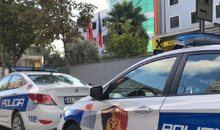
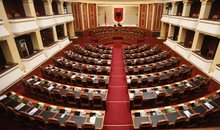

Maliq/ Officer killed during police operation, another injured
2026-06-04 08:31:21
Horoscope, get to know the star forecast
2026-06-04 08:21:37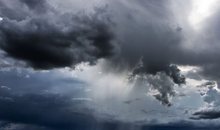
Unstable weather conditions, weather forecast for this Thursday
2026-06-04 08:06:35
Morning Post/ In 2 lines: What mattered yesterday in Albania
2026-06-04 07:50:52


Tension in "Air Albania" after Israel's goal, Hysaj clashes with Gloukh
2026-06-03 22:21:33
Debutim i hidhur për Maran, Shqipëria mposhtet nga Izraeli
2026-06-03 22:01:35
Këlliçi: Rama është sot një Kryeministër i ezauruar totalisht
2026-06-03 21:38:01
Costa porosit liderët: BE-ja s’mund të bëjë detyrat e shtëpisë të Kosovës
2026-06-03 21:16:35
6 në 10 persona përdorin AI për shëndetin mendor
2026-06-03 20:56:11
Tifozët kuqezinj fërshëllejnë himnin izraelit
2026-06-03 20:34:01

"Resign, we want revolution", citizens chant outside Rama's office
2026-06-03 19:58:32
The two young men who lost their lives in Shëngjin are identified
2026-06-03 19:43:35
Official lineups for the Albania-Israel friendly are published
2026-06-03 19:18:56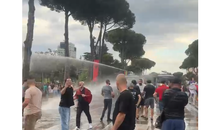
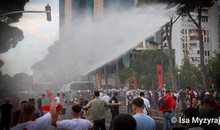
Video/ Police throw water on the crowd, protesters break the metal fence
2026-06-03 18:59:00
The best professions for free time and less stress
2026-06-03 18:48:43

The Federation of North Macedonia excludes Shkëndija Tetovo from the Cup
2026-06-03 18:16:04
Blow for Broja, his value on "Transfermarkt" drops to 5 million euros
2026-06-03 17:53:09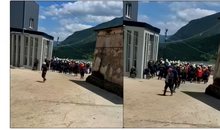
Bulqiza miners in protest, miners demand improved working conditions
2026-06-03 17:29:39


Trump admits clash with Netanyahu: I asked him to stop the escalation in Lebanon
2026-06-03 16:30:32
By 2030, 45% of women are expected to be single and childless
2026-06-03 16:19:53


Alarm for the Rossoneri! Uzun risks the challenge against Israel
2026-06-03 15:52:21
Two people were injured by a bomb explosion in Përmet, police provide details
2026-06-03 15:35:24
The heat wave does not spare Spain, 101 people lost their lives in May alone
2026-06-03 15:09:35
Hearing for the defendants in the Veliaj case, SPAK gives its claim
2026-06-03 14:56:31

Murder of Martin Can, Appeal decision for Mario Përlleshaj postponed
2026-06-03 14:18:24
Can hackers steal fingerprints from photos on social media?
2026-06-03 14:02:14

Explosion in Përmet, two people seriously injured, one urgently sent to Tirana
2026-06-03 13:41:21

Berlin signals opening of Europe-Russia talks on Ukraine
2026-06-03 13:27:09
Explosions at oil terminal, footage from the attack in St. Petersburg
2026-06-03 13:01:14
CNN: US-Iran ceasefire is straining, oil prices rise again
2026-06-03 12:42:57


Albania becomes the second most expensive in the Balkans for daily rentals
2026-06-03 12:13:35


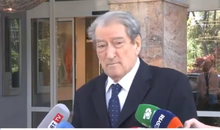
Berisha on the trial against Meta: Political farce ordered by Rama
2026-06-03 11:36:15
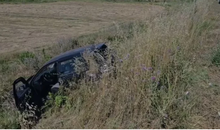
Accident in Levan-Tepelena, car ends up in canal
2026-06-03 11:16:34



Antonio Costa in Kosovo today, meets Haxhiu, Kurti and party leaders
2026-06-03 10:18:56
'1 million lek to put a cell phone in prison', Beci: 'Flash' checks to seize it
2026-06-03 10:06:29

Horoscope June 3, 2026, discover the star predictions
2026-06-03 09:51:56
Traumat në fëmijëri lënë gjurmë në tru
2026-06-03 09:34:20
Bank robbery in Tirana, guard arrested: He did not act to neutralize the robber
2026-06-03 09:23:25


Foreign exchange/ How much foreign currencies are bought and sold today
2026-06-03 08:25:50
Long note for those who can't read
2026-06-03 08:03:50

33 degrees Celsius in some areas, as the weather forecast is for today
2026-06-03 07:25:07