
 Flash News
Balluk's wealth "collapses", SPAK seizes his villa in Dhërmi
The officer was killed during the action, the Korça police did not assess the dangerousness of the perpetrator, only 6 police officers were on the ground
Car ends up in canal, residents save father and son
Where does justice begin?/ Between Gog's speeches and the bullets on the ground, who protects the policeman?
Pëllumb Gjoka speaks about the accusations in the "Metamorphosis" file: They held a public trial for me, I have no connection to the murder of Gjin Ndoji

The Serbian Security and Intelligence Agency (BIA) – the main civilian intelligence institution – has long been at the center of public debate: is it a mechanism for state protection, or an instrument of power for political control?
Established in 2002 as a successor to previous security structures, the BIA has a clear legal mandate: information gathering, counterintelligence, and protection of Serbia's constitutional order.
However, the way this mandate is implemented in practice has drawn constant criticism from experts, activists and international organizations. One of their main concerns is what they say is the BIA's interference in political life in Serbia.
"We wouldn't be living in a country like this if the Security and Information Agency were to deal with what the law says," lawyer Božo Preljević, who after the fall of Slobodan Milošević in Serbia was Minister of Interior in the interim government of that country, tells Radio Free Europe's "Ura" program.
"Not only the BIA, but also other intelligence services are mainly concerned with preserving the power of the ruling party," he adds.
This view is also shared by Predrag Petrovic, director of research at the Belgrade Center for Security Policy.
"For many years, the BIA has been mainly concerned with protecting the regime and people close to the ruling party," he says.
"Enemy number 1"
Since late 2024, Serbia has been facing massive anti-government protests, led by students, which erupted after a tragic incident at the Novi Sad Railway Station, where 16 people lost their lives.
Students have leveled accusations at the government, attributing part of the responsibility for the event, mainly due to the lack of transparency in signing contracts with construction companies.
Petrovic says that the BIA's approach towards these students is worrying, as it treats them as "internal enemies."
He refers to a propaganda film, broadcast during the celebration of BIA Day in October last year, where the student movement was presented as a destructive element and where it was emphasized that the agency, together with the president of the state, Aleksandar Vučić, had managed to prevent a so-called "color revolution".
According to him, this clearly shows that for the current regime, students have become "enemy number one".
"I have no illusions that the BIA would be even more repressive towards students if Serbia were not in Europe and surrounded by members of the European Union and NATO," says Petrovic.
Does the BIA spy on citizens?
"Of course," says Petrovic.
"Inside it there is a monitoring center, equipped with digital surveillance technology, including special programs for tracking mobile phones," he explains.
Sipas pretendimeve të organizatës Amnesty International, kujton Petroviq, BIA ka zhvilluar bashkëpunim edhe me shërbimet ruse të sigurisë.
Dhe, gjatë këtyre proceseve të mbikëqyrjes, sipas tij, shpesh nuk respektohet detyrimi ligjor që përgjimi të bëhet vetëm me urdhër gjykate.
“Së voni kishim rastin e dy studentëve nga Novi Pazari, të cilët u arrestuan bazuar në një bisedë të përgjuar, e që, sipas avokatëve të tyre, nuk ishte subjekt i urdhrit të gjykatës”, thotë Petroviq.
Prelleviq shpjegon se, në parim, nuk është e ndaluar që pjesëtarët e BIA-s t’i legjitimojnë qytetarët gjatë protestave, por shton se kjo çështje në Serbi nuk është e rregulluar në të njëjtën mënyrë si në shumë vende evropiane.
Sipas tij, në shumicën e shteteve evropiane legjitimimi i qytetarëve lejohet vetëm në raste kur ekziston një arsye e qartë apo një shkelje e kryer.
“Te ne është e mundur që qytetarët të legjitimohen kudo”, thotë Prelleviq. Ai kritikon ashpër mënyrën se si është zhvilluar BIA, duke theksuar se ajo nuk është konceptuar si polici sekrete, por si institucion për mbrojtjen e integritetit territorial, luftën kundër krimit ekonomik e ekologjik dhe kundërzbulimin.
Ai thotë se problemi qëndron në faktin se, në vend të një shërbimi të kontrolluar dhe të balancuar, është krijuar një strukturë me fuqi të pakontrolluar që mund të përdoret edhe për frikësim, ndërsa mungesa e kontrollit parlamentar dhe të brendshëm e bën atë të rrezikshme për qytetarët dhe të përshtatshme për abuzim nga pushteti.
“Kur nuk ka kontroll parlamentar dhe të brendshëm, atëherë nuk ka fare kontroll mbi shërbimin e sigurisë. Atëherë, ka një shërbim sigurie të përshtatur për ata që janë më të prirë ta uzurpojnë pushtetin”, thotë Prelleviq.
Kujt i raporton BIA sipas ligjit?
Petroviq thekson se BIA, në teori, duhet t’i përgjigjet Qeverisë dhe të jetë nën kontrollin e një “rrjeti institucionesh”, si Kuvendi, Avokati i Popullit dhe Komisionari për informacione publike, por në praktikë ky sistem, sipas tij, është dobësuar, për shkak të rrëshqitjes së Serbisë drejt autoritarizmit.
Të dy ekspertët thonë se qytetarët nuk kanë asnjë detyrim ligjor t’u përgjigjen të ashtuquajturave “biseda miqësore” me BIA-n, edhe pse në praktikë ato thirrje prezantohen si vullnetare dhe pa pasoja.
Por, fakti që në këto biseda zakonisht thirren persona që kritikojnë ose kundërshtojnë pushtetin, ngre dyshime serioze për qëllimin e tyre, sipas Prelleviqit.
“Qartazi, bëhet fjalë për abuzim të shërbimit të sigurisë”, pohon edhe Petroviq.
Ai vlerëson se BIA, në praktikë, i shërben udhëheqjes së partisë në pushtet, presidentit Aleksandar Vuçiq dhe rrethit të tij më të afërt, duke u përdorur për mbrojtjen e pushtetit dhe interesave të tyre.
Ndërsa, Prelleviq shkon edhe më tej, duke thënë se agjencia i shërben “vetëm një njeriu” dhe nevojave të tij, duke i konsideruar qytetarët “peng” të këtij sistemi.
"I think Serbia is writing a book about the abuse of technology, finance and security services to keep just one man and one family in power," Prellević concludes./REL
Latest news
The moment when Gjesti enters the record company's offices armed
2026-06-04 15:03:29

The Euro-Lek exchange rate falls again, heading towards the threshold of 95 Lek
2026-06-04 14:33:00

Balluk's wealth "collapses", SPAK seizes his villa in Dhërmi
2026-06-04 14:00:13
Watermelon, the heart's ally in summer
2026-06-04 13:56:33
The board continues to "ping pong" with fuel prices, oil increases again
2026-06-04 13:39:24
Bardhi asks Rama to the Assembly: The interpellation is not delegated!
2026-06-04 13:21:54
House of Representatives approves measure to end Iran war
2026-06-04 13:14:35
Car ends up in canal, residents save father and son
2026-06-04 12:55:58
SPAK requests 98 years in prison for Durim Bami, Aldo Avdyli and 5 others
2026-06-04 12:39:43



Video/View from the scene where the policeman was killed in Maliq
2026-06-04 11:52:46

SPAK knocks on Igli Tare, former footballer included in Balluku file
2026-06-04 11:16:36


Four ways your attention is manipulated
2026-06-04 10:52:57
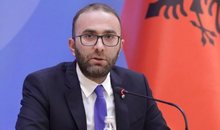
Policeman's murder, Bardhi reacts: Shocked, I strongly condemn the serious act
2026-06-04 10:30:35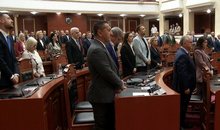
Parliament holds a minute of silence for the officer killed in Maliq
2026-06-04 10:25:48


Photos of two young men who drowned in the sea in Lezha emerge
2026-06-04 09:44:40

What anxiety is really trying to tell you
2026-06-04 09:24:37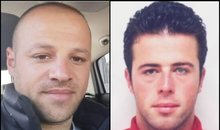

Maliq/ Officer killed during police operation, another injured
2026-06-04 08:31:21
Horoscope, get to know the star forecast
2026-06-04 08:21:37
Unstable weather conditions, weather forecast for this Thursday
2026-06-04 08:06:35
Morning Post/ In 2 lines: What mattered yesterday in Albania
2026-06-04 07:50:52


Tension in "Air Albania" after Israel's goal, Hysaj clashes with Gloukh
2026-06-03 22:21:33
Debutim i hidhur për Maran, Shqipëria mposhtet nga Izraeli
2026-06-03 22:01:35
Këlliçi: Rama është sot një Kryeministër i ezauruar totalisht
2026-06-03 21:38:01
Costa porosit liderët: BE-ja s’mund të bëjë detyrat e shtëpisë të Kosovës
2026-06-03 21:16:35
6 në 10 persona përdorin AI për shëndetin mendor
2026-06-03 20:56:11
Tifozët kuqezinj fërshëllejnë himnin izraelit
2026-06-03 20:34:01
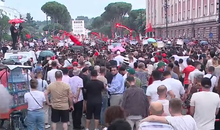
"Resign, we want revolution", citizens chant outside Rama's office
2026-06-03 19:58:32
The two young men who lost their lives in Shëngjin are identified
2026-06-03 19:43:35
Official lineups for the Albania-Israel friendly are published
2026-06-03 19:18:56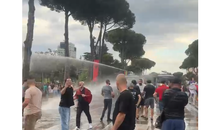
Video/ Police throw water on the crowd, protesters break the metal fence
2026-06-03 18:59:00
The best professions for free time and less stress
2026-06-03 18:48:43
The Federation of North Macedonia excludes Shkëndija Tetovo from the Cup
2026-06-03 18:16:04
Blow for Broja, his value on "Transfermarkt" drops to 5 million euros
2026-06-03 17:53:09
Bulqiza miners in protest, miners demand improved working conditions
2026-06-03 17:29:39


Trump admits clash with Netanyahu: I asked him to stop the escalation in Lebanon
2026-06-03 16:30:32
By 2030, 45% of women are expected to be single and childless
2026-06-03 16:19:53


Alarm for the Rossoneri! Uzun risks the challenge against Israel
2026-06-03 15:52:21
Two people were injured by a bomb explosion in Përmet, police provide details
2026-06-03 15:35:24

The heat wave does not spare Spain, 101 people lost their lives in May alone
2026-06-03 15:09:35
Hearing for the defendants in the Veliaj case, SPAK gives its claim
2026-06-03 14:56:31

Murder of Martin Can, Appeal decision for Mario Përlleshaj postponed
2026-06-03 14:18:24
Can hackers steal fingerprints from photos on social media?
2026-06-03 14:02:14

Explosion in Përmet, two people seriously injured, one urgently sent to Tirana
2026-06-03 13:41:21
Berlin signals opening of Europe-Russia talks on Ukraine
2026-06-03 13:27:09
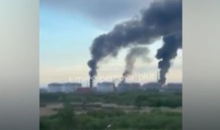
Explosions at oil terminal, footage from the attack in St. Petersburg
2026-06-03 13:01:14
CNN: US-Iran ceasefire is straining, oil prices rise again
2026-06-03 12:42:57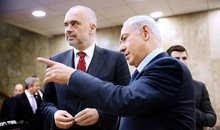

Albania becomes the second most expensive in the Balkans for daily rentals
2026-06-03 12:13:35

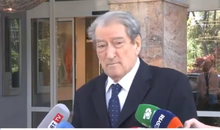
Berisha on the trial against Meta: Political farce ordered by Rama
2026-06-03 11:36:15
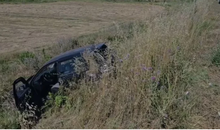
Accident in Levan-Tepelena, car ends up in canal
2026-06-03 11:16:34


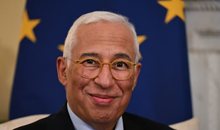
Antonio Costa in Kosovo today, meets Haxhiu, Kurti and party leaders
2026-06-03 10:18:56
'1 million lek to put a cell phone in prison', Beci: 'Flash' checks to seize it
2026-06-03 10:06:29

Horoscope June 3, 2026, discover the star predictions
2026-06-03 09:51:56
Traumat në fëmijëri lënë gjurmë në tru
2026-06-03 09:34:20
Bank robbery in Tirana, guard arrested: He did not act to neutralize the robber
2026-06-03 09:23:25