 Flash News
Balluk's wealth "collapses", SPAK seizes his villa in Dhërmi
The officer was killed during the action, the Korça police did not assess the dangerousness of the perpetrator, only 6 police officers were on the ground
Car ends up in canal, residents save father and son
Where does justice begin?/ Between Gog's speeches and the bullets on the ground, who protects the policeman?
Pëllumb Gjoka speaks about the accusations in the "Metamorphosis" file: They held a public trial for me, I have no connection to the murder of Gjin Ndoji
Progress-EC Report, Ambassador Sabathil: Albania needs a stronger administration and a more solid judicial system

Politiko
2023-11-10 20:28:11
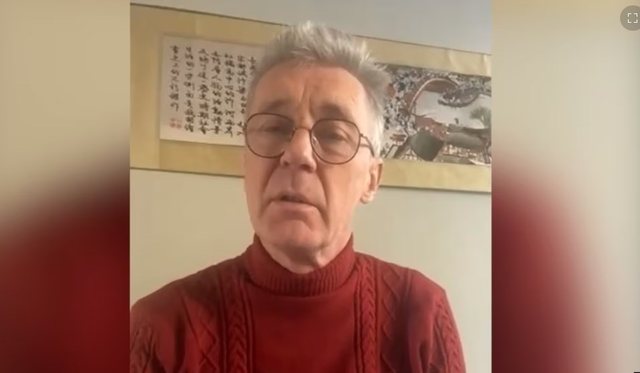
Ambassador Gerhard Sabathil, former director for the Western Balkans at the European Commission, says that Albania has made progress in fulfilling its obligations within the membership process, compared to a year ago. He says that he hopes that the talks on the first group of chapters will start at the end of December, as requested by the European Commission.
However, he encourages Albania to have good relations with its neighbors, while in this process it needs the support of all member countries. He mentions the disagreements with Greece, regarding the issue of the elected mayor of Himara. According to him, bilateral issues cannot overshadow talks with Brussels.
Voice of America: Ambassador Sabathil, the European Commission approved on November 8 the Progress Report for Albania, as part of its Enlargement Package; among other things, the report mentions that Albania has made some progress in a number of areas; however, the high level of corruption remains a serious concern; also, the Commission requires much more effort in the fight against organized crime. What is your overall view of this report?
Gerhard Sabatil: This report is part of the whole package and I find Albania well positioned among the eight other countries that have been evaluated. This year's report is very special because of the situation in Ukraine. So the reaction in the member states is mainly about the report on Ukraine.
However, it is noted that Albania has made progress compared to the previous report. The country has almost completed the screening process. We hope to open the negotiations for the first group of chapters, which is the most important because there are the basics of joining the EU, in which all these sensitive issues of democracy, the rule of law, corruption that you mentioned, the crime of organized and this is decisive for further negotiations. And we are seeing that our joint efforts are bearing fruit.
The main issue we see as a European party is that Albania is further developing its national consensus on the accession process. Public communication in Albania with its most important comprehensive objective is vital. Of particular importance is further support for all other necessary reforms related to issues of democracy and the rule of law.
Voice of America: The problem of corruption has been highlighted in previous progress reports for Albania. In your opinion, what other steps should be taken to end the culture of impunity? So far we have seen that the Special Prosecution Against Corruption has been more active in the investigation and arrest of high officials in Albania?
Gerhard Sabatil: Reforma në administratën publike dhe reforma në drejtësi. Këto janë mbështetje në luftën kundër korrupsionit. Pra, Shqipëria duhet të ndërtojë një administratë publike edhe më të fortë, nga nivelet më të larta tek ato vendore dhe rajonale, me një sistem gjyqësor solid, vendimet e të cilit janë të padiskutueshme. Një gjyqësor që të ndjekë të gjitha rastet, nga problemet zgjedhore që u shfaqën më 14 maj e më parë, deri te të gjitha çështjet në fushat e ekonomike dhe të biznesit. Por sërish, Shqipëria nuk është e vetme në këtë drejtim krahasuar me vendet e tjera. E shoh përparimin e Shqipërisë në një farë mënyre më premtues se në vendet e tjera të rajonit, të cilat janë prapa Shqipërisë. Pra, e përsëris, përparim ka, por ai nuk mjafton, ndaj do të shohim kur të negociojmë për këto çështje, duke filluar nga muaji dhjetor, që të gjitha këto përpjekje të jenë frytdhënëse; e kam fjalën për përpjekje që lidhen me mbajtjen e premtimeve të qeverisë, zbatimin e kërkesave të BE-së dhe mbi atë çka autoritetet do t’u komunikojnë qytetarëve të tyre.
Korrupsioni nuk ka të bëjë vetëm me zbatimin e ligjeve, por është dhe çështje mendësie. Ai është rrënjosur thellë në shoqëri dhe në biznesin e çdo vendi. Dhe vetëm duke e trajtuar në këtë mënyrë, do të mund të çrrënjosen sistemet e korruptuara. Sërish, nuk flas vetëm për Shqipërinë, por kjo është qasja e përgjithshme që duhet të ndiqet.
Zëri i Amerikës: Raporti vëren gjithashtu polarizimin politik si një çështje urgjente për vendin. Sa mendoni se kjo situatë e nxehtë politike do të ndikojë në përparimin e vendit në rrugën e anëtarësimit në BE?
Gerhard Sabatil: Është thelbësore që konsensusi kombëtar të jetë i fortë dhe i qëndrueshëm. Është shumë e rëndësishme të kuptohet se anëtarësimi nuk është vetëm çështje e pushtetit ekzekutiv, por dhe e një konsensusi në Parlament. Edhe roli i shoqërisë civile është i rëndësishëm, ndaj duhet të ketë më shumë diskutime dhe tematika në shoqëri mbi rrugën europiane të Shqipërisë. Jo më pak e rëndësishme është që të gjitha këto çështje të trajtohen në marrëdhënie të mira me fqinjët. E kam fjalën për marrëdhëniet me Greqinë. Dhe akoma më e rëndësishme, marrëdhëniet me Italinë në të gjitha këto çështje përparësore, të cilat mbizotërojnë dhe axhendën e Brukselit, si migracioni, për shembull.
Zëri i Amerikës: Ju pohuat se Komisioni Europian u ka rekomanduar vendeve anëtare që të hapin negociatat me Shqipërinë për grupkapitujt e parë deri në fund të këtij viti. Ndërkohë, ju përmendët dhe disa probleme që Shqipëria ka me Greqinë. Sa gjasa ka që të arrihet konsensusi i nevojshëm për hapjen e negociatave për këto kapituj, gjatë Samitit të dhjetorit?
Gerhard Sabatil: Albania and North Macedonia started (the negotiation process) in parallel. You know that Montenegro and Serbia have been ahead. They are negotiating over a longer period of time. So, in fact, on a technical level, Albania is further behind. But at the political level, when I see that the situation in Belgrade has not progressed that much, it has even been undermined by the political situation there, by Belgrade's relations with two great powers in the East and the Far East, then it turns out that Albania is in a good political position. Here I can praise Albania's role as a non-permanent member of the United Nations Security Council, where we were able to cooperate very closely on the most important issues, last month for Gaza and even earlier for Ukraine. So I think that was a very important period of trust building.
The mandate as a non-permanent member (of the UNSC) ends at the end of December, but I think that Albania has used it well to build a closer political relationship with the EU, especially in terms of foreign policy. common and security.
Bilateral issues should be resolved bilaterally.
They should not cast a shadow of doubt on the talks with Brussels. Albania must resolve them in accordance with all legal provisions bilaterally and on the basis of international law. Also, it is especially necessary to make neighboring countries - Greece and Italy - better friends in the process of accession negotiations.
I heard that the issue of the elected Mayor in Himare is moving. There really isn't a solution yet, but it's still in the works.
I have also heard that Albania has good contacts with Italy on the issue of migration. For example, we do not understand why Albanians should leave their country and seek asylum in the EU.
And if Greece and Italy make agreements acceptable to the EU, then readmission agreements that are also a safe haven for third-country nationals who go mainly to Italy through Albania would be another good element of building trust with Albania. VOA
Latest news
EU to provide $116 million in aid to Lebanese army
2026-06-04 18:12:12
Plane crashes in Croatia, at least 4 dead
2026-06-04 16:31:32
Berisha: Lands in Zvërnec were seized by Pjerini from Lezha and Agaç from Berat
2026-06-04 16:26:52
Minatorët e Bulqizës vijojnë bojkotin e punës, kërkojnë rritje pagash
2026-06-04 16:17:31
Former Montenegrin police chief banned from entering Serbia
2026-06-04 16:05:34


The moment when Gjesti enters the record company's offices armed
2026-06-04 15:03:29
The Euro-Lek exchange rate falls again, heading towards the threshold of 95 Lek
2026-06-04 14:33:00
Balluk's wealth "collapses", SPAK seizes his villa in Dhërmi
2026-06-04 14:00:13
Watermelon, the heart's ally in summer
2026-06-04 13:56:33
The board continues to "ping pong" with fuel prices, oil increases again
2026-06-04 13:39:24
Bardhi asks Rama to the Assembly: The interpellation is not delegated!
2026-06-04 13:21:54
House of Representatives approves measure to end Iran war
2026-06-04 13:14:35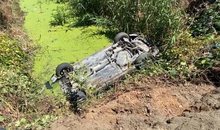
Car ends up in canal, residents save father and son
2026-06-04 12:55:58
SPAK requests 98 years in prison for Durim Bami, Aldo Avdyli and 5 others
2026-06-04 12:39:43


Video/View from the scene where the policeman was killed in Maliq
2026-06-04 11:52:46

SPAK knocks on Igli Tare, former footballer included in Balluku file
2026-06-04 11:16:36


Four ways your attention is manipulated
2026-06-04 10:52:57
Policeman's murder, Bardhi reacts: Shocked, I strongly condemn the serious act
2026-06-04 10:30:35
Parliament holds a minute of silence for the officer killed in Maliq
2026-06-04 10:25:48

Photos of two young men who drowned in the sea in Lezha emerge
2026-06-04 09:44:40
What anxiety is really trying to tell you
2026-06-04 09:24:37
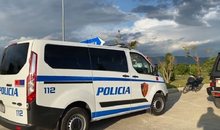
Maliq/ Officer killed during police operation, another injured
2026-06-04 08:31:21
Horoscope, get to know the star forecast
2026-06-04 08:21:37
Unstable weather conditions, weather forecast for this Thursday
2026-06-04 08:06:35
Morning Post/ In 2 lines: What mattered yesterday in Albania
2026-06-04 07:50:52

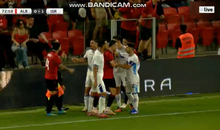
Tension in "Air Albania" after Israel's goal, Hysaj clashes with Gloukh
2026-06-03 22:21:33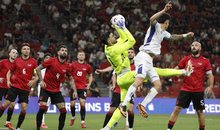
Debutim i hidhur për Maran, Shqipëria mposhtet nga Izraeli
2026-06-03 22:01:35
Këlliçi: Rama është sot një Kryeministër i ezauruar totalisht
2026-06-03 21:38:01
Costa porosit liderët: BE-ja s’mund të bëjë detyrat e shtëpisë të Kosovës
2026-06-03 21:16:35
6 në 10 persona përdorin AI për shëndetin mendor
2026-06-03 20:56:11
Tifozët kuqezinj fërshëllejnë himnin izraelit
2026-06-03 20:34:01
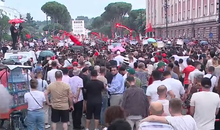
"Resign, we want revolution", citizens chant outside Rama's office
2026-06-03 19:58:32
The two young men who lost their lives in Shëngjin are identified
2026-06-03 19:43:35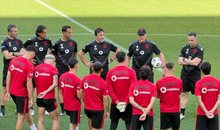
Official lineups for the Albania-Israel friendly are published
2026-06-03 19:18:56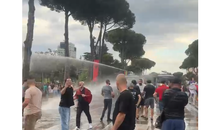
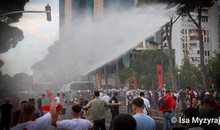
Video/ Police throw water on the crowd, protesters break the metal fence
2026-06-03 18:59:00
The best professions for free time and less stress
2026-06-03 18:48:43
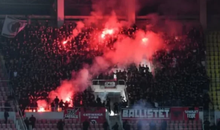
The Federation of North Macedonia excludes Shkëndija Tetovo from the Cup
2026-06-03 18:16:04
Blow for Broja, his value on "Transfermarkt" drops to 5 million euros
2026-06-03 17:53:09
Bulqiza miners in protest, miners demand improved working conditions
2026-06-03 17:29:39

Trump admits clash with Netanyahu: I asked him to stop the escalation in Lebanon
2026-06-03 16:30:32
By 2030, 45% of women are expected to be single and childless
2026-06-03 16:19:53

Alarm for the Rossoneri! Uzun risks the challenge against Israel
2026-06-03 15:52:21
Two people were injured by a bomb explosion in Përmet, police provide details
2026-06-03 15:35:24
The heat wave does not spare Spain, 101 people lost their lives in May alone
2026-06-03 15:09:35
Hearing for the defendants in the Veliaj case, SPAK gives its claim
2026-06-03 14:56:31

Murder of Martin Can, Appeal decision for Mario Përlleshaj postponed
2026-06-03 14:18:24
Can hackers steal fingerprints from photos on social media?
2026-06-03 14:02:14

Explosion in Përmet, two people seriously injured, one urgently sent to Tirana
2026-06-03 13:41:21
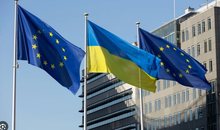
Berlin signals opening of Europe-Russia talks on Ukraine
2026-06-03 13:27:09
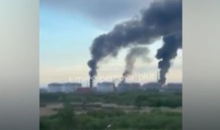
Explosions at oil terminal, footage from the attack in St. Petersburg
2026-06-03 13:01:14
CNN: US-Iran ceasefire is straining, oil prices rise again
2026-06-03 12:42:57
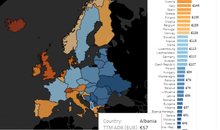
Albania becomes the second most expensive in the Balkans for daily rentals
2026-06-03 12:13:35
Berisha on the trial against Meta: Political farce ordered by Rama
2026-06-03 11:36:15