 Flash News
Foreign exchange rate June 15/ How much the dollar and euro are bought and sold for
"Rama is gone", German Albanians protest in Berlin against the government
World Cup 2026/ Germany and the Netherlands take to the field today
Përplasen dy mjete në aksin Pogradec–Lin, humb jetën një pasagjere, plagosen tre të tjerë
25-year-old found dead in Astir
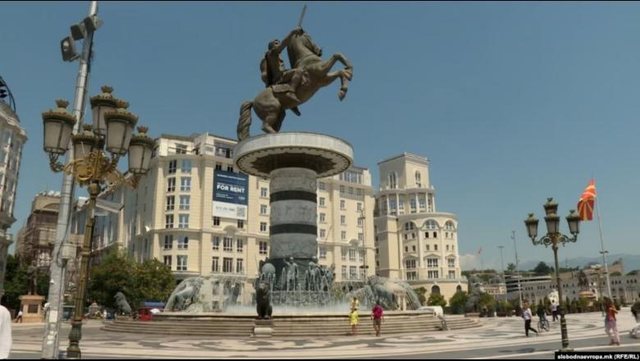
In the local elections in North Macedonia, to be held on October 19, a total of 309 candidates will run for 81 mayoral positions - 80 municipalities and the city of Skopje.
According to data from the State Election Commission (SEC), the candidates are mainly men: 277 (89.6%), while there are only 32 women (10.4%).
Compared to the local elections four years ago, there is a slight increase in women's representation, as out of the 299 candidates at that time, only 25 were women, or about 8.4%.
The thirty-two candidates in these elections come from 24 municipalities, which means that in two-thirds of the municipalities there will be no women on the ballot.
The largest number of candidates is in Prilep: 3, while in Bitola, Veles, Negotino, Qendër, Karposh and Kisela Voda there are 2 each.
Marija Majkic, from the pro-Russian United Macedonia party, is the oldest candidate. She is running in the Gazi Baba municipality.
The newest candidate aiming to become mayor is Andrej Dimitrijevski from Levica, in Old Nagoricani.
Fifty-seven mayors don't want to give up
In most municipalities in North Macedonia, citizens will decide whether the local government will be continued by the same team or by a new one. Analysis of the names shows that in 57 municipalities, the current mayors will run for a new four-year term.
There are also several municipalities where former mayors will try to return, such as Ilinden or Jegunovc.
Orce Gjorgjevski from VMRO-DPMNE, who is currently the mayor of Kisela Voda, will run for mayor of Skopje.
Ministers and MPs in the race for local government
One of Djordjevski's opponents will be Kaja Shukova from the Social Democratic League of Macedonia (SDSM), who served as Minister of Environment during 2023–2024.
Her successor in that position, Izet Mexhiti, who is also a minister and deputy prime minister in the current government, is the candidate of the VELEN coalition in the municipality of Chair.
There he will face former Minister of Foreign Affairs, Bujar Osmani, from the Democratic Union for Integration.
Of the current officials, candidates for mayor are the Minister of Social Policy, Demography and Youth from VLEN, Fatmir Limani, in Kicevo, as well as the Minister without Portfolio from the Democratic Forces of the Roma, Shaban Saliu, in the Shuto Orizari municipality of Skopje.
The Deputy Minister of Energy from ONAM, Miroslav Llabudovic, is also a candidate in the Skopje Center municipality.
The ballots will also include the names of several current MPs: Beti Stamenkovska from VMRO-DPMNE as a candidate in Kisela Voda, Skender Rexhepi from the European Front for the city of Skopje, as well as the MPs of the Left – Amar Mečinović and Jovana Mojsoska for the cities of Skopje and Struga.
Skopje with the longest ballot
Without competition, the residents of Skopje will have the longest ballot for mayor.
According to the published list of the SEC, 16 candidates have been confirmed for the city of Skopje.
Three of them are independent, while the others are from parties and coalitions.
There are nine confirmed candidates in Prilep and Struga each. Prilep residents will choose between four independent candidates and five party candidates, similar to Struga residents.
Manastir has eight candidates – three independents and five party members.
Seven candidates will be in Kumanovo, Kisela Voda and Gazi Baba and six in Kocani, Tetovo and Shuto Orizari.
Candidates for mayor and municipal councilors will officially launch their campaign on Monday, September 29th.
They received their ordinal numbers on the ballots by lottery at the SEC.
The first round of voting will take place on October 19, while the second will be held two weeks later, on November 2.
In the first round, the new compositions of the municipal councils are expected to be elected, while the mayor will be considered elected if he wins 50% plus one vote and if at least one third of the registered voters in the municipality vote.
If none of the candidates reaches this majority, then a second round is held, where citizens choose between the two candidates with the most votes.
These will be the eighth local elections since North Macedonia's independence in 1991./ REL
Latest news
House burns down, four brothers lose their lives in fire in Greece
2026-06-15 10:32:13
Received payments for applications and studies abroad, administrator faces court
2026-06-15 10:25:07
Murder in Mirdita, victim had escaped an assassination attempt three months ago
2026-06-15 10:07:08

Why did Bulgaria stop supplying weapons to Ukraine?
2026-06-15 09:37:19


A person was shot dead in Mirdita, the victim was identified
2026-06-15 08:54:56
Maximum temperatures reach 30°C, weather forecast for today
2026-06-15 07:57:16
The American umbrella begins to close for the Balkans
2026-06-15 07:35:40

Morning Post/ In 2 lines: What mattered yesterday in Albania
2026-06-15 07:00:19
Germany kicks off 2026 World Cup with a bang, defeats debutants Curacao 7-1
2026-06-14 21:53:29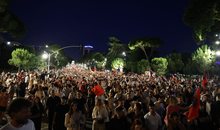
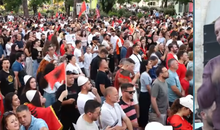
Protest ends, march begins in the streets of Tirana: Revolution! Rama must go!
2026-06-14 21:40:41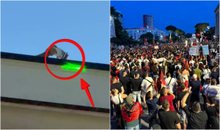
Masked people film the crowd, citizens identify them with lasers
2026-06-14 21:18:36



2026 World Cup referees to receive record salaries
2026-06-14 17:59:47
"Rama goes" echoes in Munich, Albanian diaspora in protest in Germany
2026-06-14 17:38:23


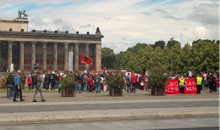
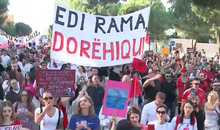
"Rama is gone", German Albanians protest in Berlin against the government
2026-06-14 15:38:41
World Cup 2026/ Germany and the Netherlands take to the field today
2026-06-14 15:20:29
Mes kritikave, BE-ja pret talibanët për herë të parë në Bruksel
2026-06-14 15:01:48
Tragedy in Prizren, 27-year-old stabbed to death after fight between cousins
2026-06-14 14:41:11
Haiti – Skocia, një ndeshje që riktheu magjinë e futbollit
2026-06-14 14:18:57
Shqipëria jashtë fushës, por në lojën e milionave të Botërorit
2026-06-14 13:58:01
Berisha - Ramës: Jep dorëheqjen, protestat nuk do të ndalen
2026-06-14 13:25:06
Marrëveshja për t’i dhënë fund luftës Iran-SHBA shumë afër
2026-06-14 12:58:53
Si u trafikuan tonelata me kokainë nga Amerika Latine në portet e Europës
2026-06-14 12:51:12
Barazimi në debutim, Ancelotti: Kupa nuk fitohet në ndeshjen e parë
2026-06-14 12:30:43


25-year-old found dead in Astir
2026-06-14 11:28:53
Albania, with a high percentage of girls who excel in mathematics
2026-06-14 11:14:10
From Tirana to New York, the Albanian diaspora rises in protest against Rama
2026-06-14 10:51:50
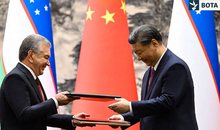
China surpasses Russia as the largest foreign investor in Central Asia
2026-06-14 09:54:58
Tirana/ Officer ends his life with his service weapon
2026-06-14 09:37:23
Foreign exchange, the rate at which foreign currencies are sold and bought
2026-06-14 09:17:06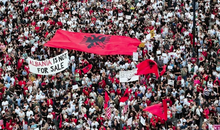
Revolta e “të përjashtuarve”
2026-06-14 08:59:46
Horoskopi, njihuni me parashikimin e yjeve
2026-06-14 08:40:25
Temperatura deri në 34 gradë celsius, si parashikohet moti për sot
2026-06-14 08:28:06
Posta e mëngjesit/ Me 2 rreshta: Çfarë pati rëndësi dje në Shqipëri
2026-06-14 08:07:11





Berisha: Let's follow Rama a minute ago, he doesn't think only about Albanians
2026-06-13 18:40:24
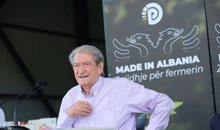
Berisha: Albania can never be called a developed country with a backward village
2026-06-13 18:03:24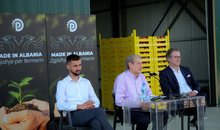


Elon Musk becomes the world's first trillionaire
2026-06-13 16:53:03
Former Rama supporter, famous actress joins mass protest in Tirana
2026-06-13 16:30:04
Saranda Police officer under house arrest for building without a permit
2026-06-13 15:39:15
Messi, Maradona or Pele? Ranking the 10 best World Cup legends
2026-06-13 15:18:50
11 robberies within a few days in Lezha, 21-year-old arrested, his friend wanted
2026-06-13 15:00:05
10 little tricks that make plane travel more comfortable
2026-06-13 14:51:56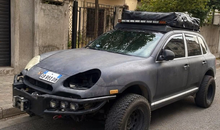
This is the vehicle in which Eglant Koç's body was allegedly transported.
2026-06-13 14:31:46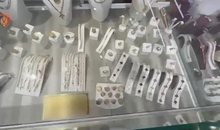
Valuables trafficking scheme busted, assets worth around 2 million euros seized
2026-06-13 14:10:15

Slogans against him in protest, Berisha: Don't let the leaves hinder the trunk
2026-06-13 13:30:29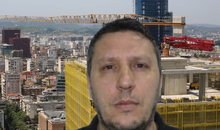
Builder Ilir Shtufi's connections to cocaine trafficking money
2026-06-13 13:12:48
Fuel prices are reduced, here's how much diesel and gasoline will be sold for
2026-06-13 12:24:08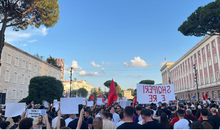

American television: Protests are turning into an open challenge to Rama
2026-06-13 11:41:41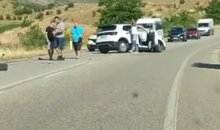
Accident in Tepelena, three vehicles collide
2026-06-13 11:23:56