 Flash News
Day 24 of the protest, I came from America, thousands will come!
Accident in Gjirokastra, a tourist van collides, two injured
Shocking in Prrenjas/ 69-year-old man sets his wife on fire, jealousy as the reason
Spiropali mocks Rama: Lightning bolts, algorithmic control and lewd language
American Chamber of Commerce raises alarm: Corruption and monopoly are hitting businesses in Albania
Rama has a 'plan B' for the EU. Does Europe have one for Albania?

Politiko
2026-04-07 18:27:02
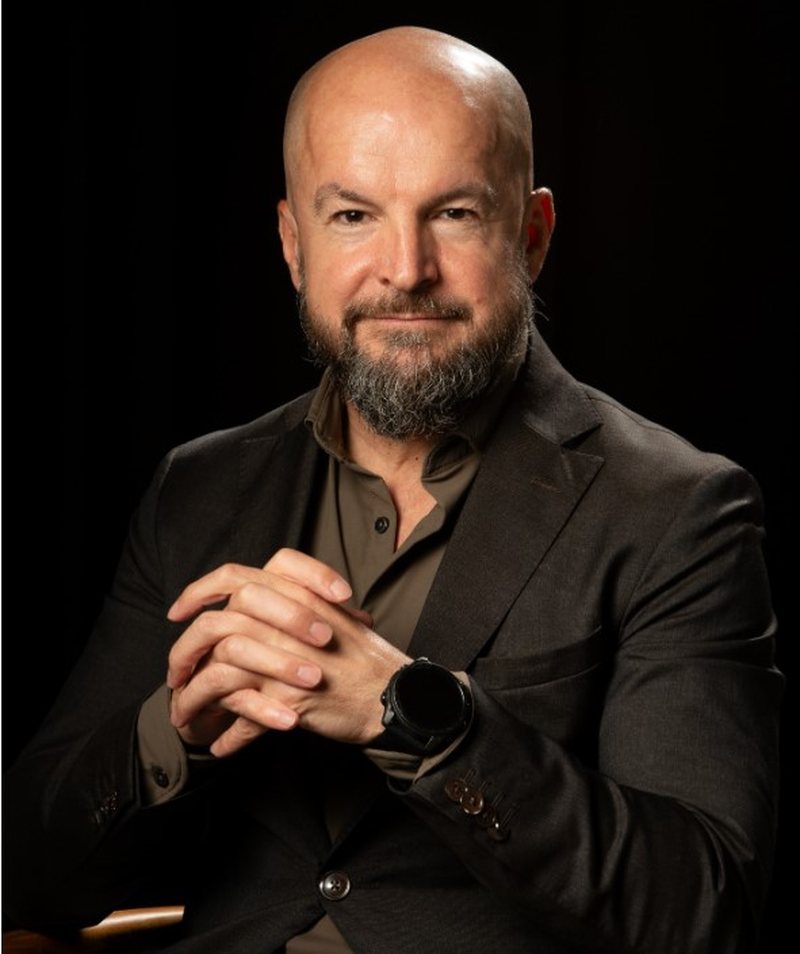
Alfred Lela
Multiple reports point to a “nein” on Albania’s IBAR report from nine European Union member states, led by Germany. A good number of them tend to vote or act in line with Berlin for reasons tied to foreign policy; others are likely reacting with concern either to Prime Minister Edi Rama’s confrontational/transactional style, or to the noise created within the EU by the open theft of IPARD agricultural funds by the Albanian government. For such countries, neither geopolitics nor a positive recommendation from the European Commission is sufficient.
For Rama, nothing has changed—or this means nothing. In fact, the Albanian prime minister has been clearer and quicker than Europeans, both on himself and on his interlocutors. This is why he aligned with Aleksandar Vučić, the other Balkan autocrat, publicly signing that Op Ed piece for the German newspaper FAZ, a thesis that had long been circulating—and which, in all likelihood, originated with the Albanian prime minister.
In short, Rama is seeking—or prefers—a “conditional accession” to the EU: entry into the common market and free movement space, while postponing full membership in the “Europe of values.”
The question is: why would Rama and Vučić be interested in such a leper-tier accession?
First, because it lowers the threshold of EU demands on Tirana and Belgrade, transforming accession from a values-based process into a transactional, market-driven one. In a way, they are appealing to a distant echo of the EU’s origins, when it was an economic union of the Coal and Steel Community. It took decades for legislation, currencies, principles, and standards of universal rights to converge. Under this model, Albania would not enter Europe by fulfilling criteria on freedom of speech, assembly, elections, property rights, etc., but only through economic partnership—“give and take,” “you scratch my back, I scratch yours.”
This leads to the second rationale of the autocratic duo: using conditional accession as a platform for domestic political-electoral messaging. That means keeping supporters mobilized while suppressing critics and political opponents. It also means one or more electoral campaigns in the mold of those since 2013, where no European criteria—such as the Copenhagen standards—are respected, even as the rhetoric is filled with “integration” and promises of an “EU passport,” while actions resemble those of Alexander Lukashenko.
Of course, Rama and his counterpart in Belgrade are within their rights to pursue a “Plan B” for Europe—one that bypasses both the interests of their citizens and the fundamental values of the Union. The real question is: what is Europe’s “Plan B” for Albania?
The old “carrot and stick” approach has failed. Rama was made clearly aware that justice and parliament cannot be blocked and undermined to protect his deputy, suspected of corruption. Yet he persisted—unfazed and unapologetic. This refusal to bend, even after EU negotiations and accession were made conditional—indeed, his central and only campaign promise in the May 11, 2025, elections—says much about his priorities. The prime minister, it appears, is unconcerned both with EU integration and with the promises made to Albanian citizens less than a year ago.
So the question for European officials and policymakers is this: what would happen in your countries with such a prime minister?
A shallow, arrogant, and prejudiced answer has already been offered by Marta Kos, implying that corruption is not Rama’s problem, but the Albanians’.
Albanians, for their part, cannot ask the EU to appoint them a viceroy—nor would that be appropriate or effective. But what can be done is to withdraw support for a prime minister who has a “Plan B” both for the EU and for Albania, not as an alternative path for the country, but as an option that serves his power rather than the state.
The European Union cannot become the final crutch of an autocrat who, through Balkan cunning, seeks a European pass.
.
Latest news
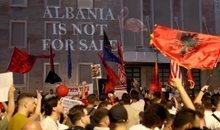
Tourists join protest: We are not afraid, you are wonderful
2026-06-23 21:11:35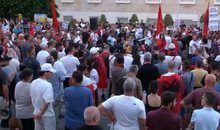
Protester: On July 4th, the diaspora will be here with us in the square
2026-06-23 20:45:34
Ronaldo sets historic World Cup record
2026-06-23 20:25:50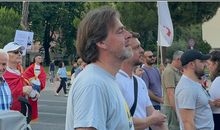
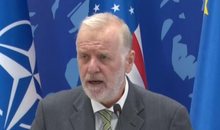
Former OSCE Deputy Ambassador in Tirana joins protest for Edi Rama's resignation
2026-06-23 20:07:37
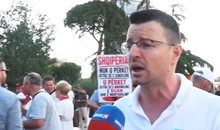
Day 24 of the protest, I came from America, thousands will come!
2026-06-23 19:31:29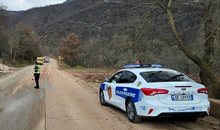
Librazhd-Prrenjas road blocked again
2026-06-23 19:16:06
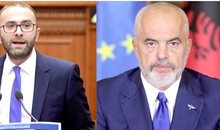
Equality before the law: the deputy and the guardian
2026-06-23 18:10:28
Modric makes history, plays 200th match with Croatia tonight against Panama
2026-06-23 17:50:24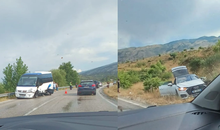
Accident in Gjirokastra, a tourist van collides, two injured
2026-06-23 17:29:07
Tonight England-Ghana for first place in the group, Croatia also on the field
2026-06-23 17:08:42

Si u kthye një investim në një lëvizje antikorrupsion në Shqipëri?
2026-06-23 16:00:13
Italia sekuestron dy miliardë euro asete të oligarkëve rusë
2026-06-23 15:36:38
Piktori ndërton një Shqipëri ku nuk do të ketë vend për shqiptarët!
2026-06-23 15:20:27

Fresh, elegant and bold: the color that is challenging summer
2026-06-23 14:45:21
Ylli Zalla escapes from RENEA, another pistol is found in her apartment
2026-06-23 14:36:22
He who curses his people in English
2026-06-23 14:17:17
The 2026 World Cup takes over the screens, breaking viewership records
2026-06-23 13:59:22
Heatwave hits France, at least 40 dead
2026-06-23 13:40:48
The first thing women see in a man
2026-06-23 13:30:03
Accident in Fier-Vlora, three injured near Mifoli
2026-06-23 13:17:05

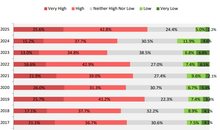
Business perception of corruption reaches historic high in AmCham Index
2026-06-23 12:20:36
Tabaku: Corruption and lack of competition are holding back the Albanian economy
2026-06-23 12:10:20
Spiropali mocks Rama: Lightning bolts, algorithmic control and lewd language
2026-06-23 12:00:54

Norway secures World Cup round of 16
2026-06-23 11:24:25

Three online scams that are taking millions of people
2026-06-23 10:20:07
Brussels issues arrest warrant for former EU commissioner
2026-06-23 10:09:05
Changes in the State Police, names of 8 new leaders
2026-06-23 09:20:37
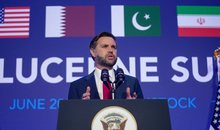
Vance: 'Good progress' made on plan for final Iran deal
2026-06-23 09:06:27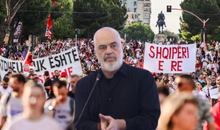
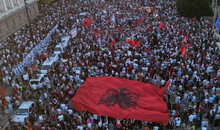
Three weeks of resistance, DW: What is keeping the protest alive in Albania?
2026-06-23 08:39:55
Horoscope, get to know the star forecast
2026-06-23 08:22:33

Clear weather and high temperatures, here's the forecast for this Tuesday
2026-06-23 07:56:53
Morning Post/ In 2 lines: What mattered yesterday in Albania
2026-06-23 07:43:15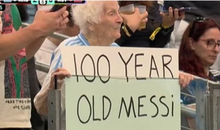

Thousands of citizens continue the march through Tirana: Edi Rama is finished!
2026-06-22 22:42:49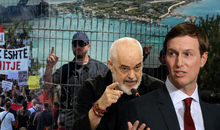
Kushner's company opposes Rama on Zvërnec: We are not involved
2026-06-22 22:20:13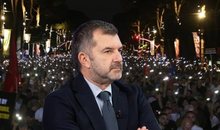
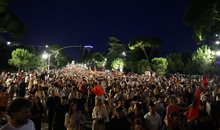
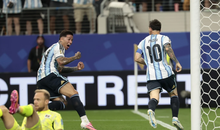
Argentina secures qualification for the 2026 World Cup knockout stage
2026-06-22 21:21:21
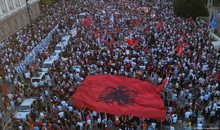
What is keeping the protest alive in Albania?
2026-06-22 20:34:23
Day 23/ Tomorrow, unions protest in front of the Ministry of Economy
2026-06-22 19:53:15
Why the France-Iraq match risks not being played tonight
2026-06-22 18:48:29
Vetevendosje responds to Rama: We have no role in the protests in Albania
2026-06-22 18:28:30
Accident in Berat, motorbike hits Dutch tourist at white lines
2026-06-22 18:08:24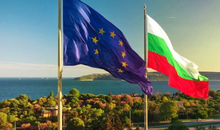
DW: Why is Bulgaria threatening to veto EU sanctions against Russia?
2026-06-22 17:49:13

The architect of the modern American economy passes away
2026-06-22 16:37:43
Germany loses defender, player ends World Cup early
2026-06-22 16:29:33
Activist: Starmer resigned, Rama says he is not dirty with these scandals
2026-06-22 16:08:50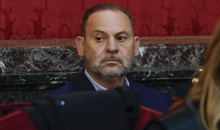
Former Spanish minister sentenced to 24 years in prison for corruption
2026-06-22 16:02:22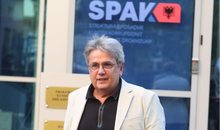
Trial for the 700 thousand euro tender, Benet Beci does not go to the GJKKO
2026-06-22 15:48:52
65-year-old man found dead in Korça
2026-06-22 15:44:47
OSHEE employee arrested in Lezha after being caught with a stolen vehicle
2026-06-22 15:31:57
Albanians among the most emotionally exhausted in the workplace in Europe
2026-06-22 15:02:18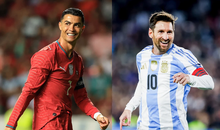
Who are the 3 legends who have played in 6 World Cups?
2026-06-22 14:47:17
Changes in the Shkodra Police, here is who is appointed as the new director
2026-06-22 14:37:55
Man stabs wife, 28-year-old woman rushed to Tirana
2026-06-22 14:27:27
Chaos in Durrës, wanted man crashes into 5 cars while fleeing from police
2026-06-22 14:05:05
Euro hits new negative record, drops to 93 lek
2026-06-22 13:56:49