 Flash News
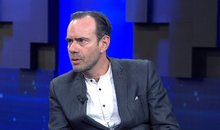
Koçek reveals behind-the-scenes details of his departure: Some SP colleagues secretly supported me
It is suspected that 3 million euros were stolen, the director of the Post Office in Durrës is dismissed
Why did the Bank of Albania revoke the licenses of 80 foreign exchange offices?
Arson cases, 29 people arrested and prosecuted in June and July
Another former socialist mayor under indictment, SPAK takes Fredi Kokonesh as defendant

No one thinks they could fall prey to an online financial scam until they experience it themselves. However, cybersecurity experts warn that fraudulent schemes are becoming increasingly sophisticated, affecting millions of users worldwide every year.
According to the latest statistics, around four million cases of online financial fraud were reported last year alone, while the real figure may be even higher, as many victims do not report the cases.
Attention to this phenomenon was also heightened after the case of Sam Little, a former contestant on the TV show “The Traitors,” who revealed he had lost around £40,000 to an online scam. He said he had considered himself cautious, but was forced to admit that no one is completely protected.
Experts identify the three most common schemes currently being used by fraudsters.
Fake messages about stealing bank details
One of the most common forms is messages that appear to come from familiar people or institutions. Messages like "I've changed my number" or notifications about problems with packages and deliveries are used to trick users into clicking on fake links.
After victims enter their banking details, scammers use them for unauthorized purchases or transfers.
Online romance scams
Another growing scheme is romance scams. Perpetrators create fake profiles on dating platforms and build emotional relationships with victims over a long period of time.
Then, after gaining trust, they ask for money, justifying themselves with health emergencies, financial problems, or the need to travel to meet in person.
Fake investments with the help of artificial intelligence
The newest scams involve fabricated investment schemes that use artificial intelligence-generated videos and ads. They often feature well-known public figures promising quick and big profits.
According to experts, one of the main tactics of these schemes is to create a sense of urgency, pushing citizens to make hasty decisions without verification.
Authorities advise citizens not to open suspicious links, not to share codes or banking data, and to always verify the source of any online communication.
Security specialists emphasize that vigilance and information verification remain the most effective defense against a phenomenon that is rapidly expanding in the digital space.
Latest news

Detoured twice, how the London-Tirana flight turned into a 12-hour nightmare
2026-07-14 14:14:18


The absolute loneliness of women who are "reborn"
2026-07-14 13:40:06
Why are healthy young non-smokers developing lung cancer?
2026-07-14 13:26:53
Why did the Bank of Albania revoke the licenses of 80 foreign exchange offices?
2026-07-14 13:14:00
Arson cases, 29 people arrested and prosecuted in June and July
2026-07-14 13:05:16

Accident at Liqeni i Thatë, young man on motorbike is hit by a vehicle
2026-07-14 12:45:43
INSTAT: Albanian women are aging faster than men, median age exceeds 45 years
2026-07-14 12:21:00

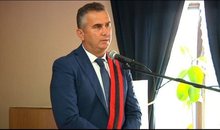
"Get out", Gjiknuri and Manja clash over the draft law on agricultural lands
2026-07-14 11:24:00

Injuring of 22-year-old in Fushë-Krujë, perpetrator arrested
2026-07-14 10:55:08


A pine forest area in Vlora is engulfed in flames, several homes are at risk
2026-07-14 10:28:04
World Cup turns into nightmare for Senegal, sexual harassment allegations raised
2026-07-14 10:20:12




Speaking multiple languages can keep your brain up to 13 years younger
2026-07-14 09:35:11
Strait of Hormuz becomes key battleground again, oil prices rise
2026-07-14 09:20:09

73.4% of Albanians' out-of-pocket health expenses go to medicines
2026-07-14 09:02:28
Over 10,000 dead from extreme heat wave in Europe, elderly most affected
2026-07-14 08:59:36

Foreign exchange, the rate at which foreign currencies are sold and bought
2026-07-14 08:24:50
The ten challenges Spain must win to eliminate France and Mbappé
2026-07-14 08:04:02



Morning Post/ In 2 lines: What mattered yesterday in Albania
2026-07-14 07:00:35
Ukraine strengthens air defense, Macron announces deal for 16 Rafale jets
2026-07-13 22:26:00
Shkullaku: Qeveria përdori koncertin e Kanye West për të eklipsuar protestën
2026-07-13 22:11:36
Conflict between young people in Fushë-Krujë, 22-year-old injured with knife
2026-07-13 21:47:26



Haaland, the phenomenon of the 2026 World Cup
2026-07-13 20:19:12
Citizens take to the streets again, protest enters 44th day
2026-07-13 20:01:25

Large fire in Himara, flames engulf the hills of the Llaman area
2026-07-13 19:28:11



Dutch referee dies, weeks after being banned from 2026 World Cup
2026-07-13 18:22:39

What professions make people the happiest?
2026-07-13 17:51:54


Brazil still in crisis, fans attack Federation after motivational video
2026-07-13 16:42:07
The Special Court returns the file against former mayor Elvis Roshi to SPAK
2026-07-13 16:22:11
IDC-CDI meets in Brussels, Berisha participates as Vice President
2026-07-13 16:05:10
"Washington Examiner": Anger against Rama's enrichment has reached its peak
2026-07-13 14:28:00
Here are the years of imprisonment requested for Monika's mother
2026-07-13 14:09:46
EU appoints German diplomat as new special envoy for Kosovo
2026-07-13 13:55:29


Property alienation in Durrës/ Court confirms security measures for suspects
2026-07-13 13:25:00
70 people with poisoning symptoms in Pristina, 22 hospitalized
2026-07-13 13:16:00


Erkin Lika's lifeless body found after falling into Mat River sinkhole
2026-07-13 12:32:00
Over 500 babies named after Haaland after World Cup matches
2026-07-13 12:28:00
18 arrested in Spain, who is the Albanian known as 'Daci'?
2026-07-13 12:22:00

4.2 million euros for Kanye West, DP reports Rama and Gonxha to SPAK
2026-07-13 11:27:03


Heatwave hits Germany, over 5,400 heat-related deaths
2026-07-10 10:45:33

Land in "foreign hands"
2026-07-10 10:26:15

Mbappe the hero of France, the "Roosters" knock out Morocco in the quarterfinals
2026-07-10 09:54:33
Durrës/ 40-year-old man stabs his wife
2026-07-10 09:48:03


How much could the amount of drug money in the Albanian economy be?!
2026-07-10 09:08:34
Government reduces funds for farmers, increases ADF by 75 million euros
2026-07-10 08:55:46
Horoscope, get to know the star forecast
2026-07-10 08:32:54

Morning Post/ In 2 lines: What mattered yesterday in Albania
2026-07-10 07:52:04
A person was shot dead in Kurbin, first details
2026-07-09 22:54:48