 Flash News
Foreign exchange, the rate at which foreign currencies are sold and bought
Clear skies throughout Albania, here's what the weather is expected to be like today
Conflict between young people in Fushë-Krujë, 22-year-old injured with knife
Kanye West's state-funded concert, OCCRP: Government accused of using the concert to stifle protests
Here are the years of imprisonment requested for Monika's mother
DW: Why is Bulgaria threatening to veto EU sanctions against Russia?

Politiko
2026-06-22 17:49:13
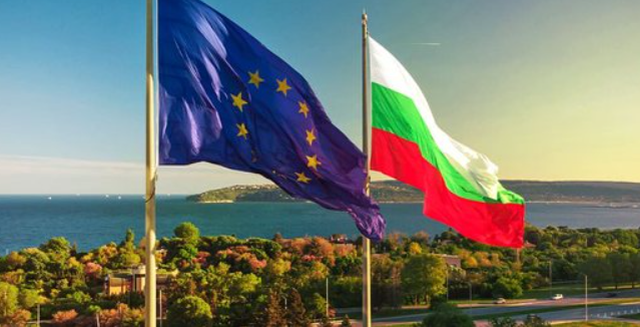
When the EU took steps to include Patriarch Kirill, the head of the Russian Orthodox Church, and former Lukoil president Vagit Alekperov in its latest package of sanctions against Russia, only one member state objected: Bulgaria.
During his first European Council meeting as Bulgarian prime minister on June 18, Rumen Radev said his country would veto the package, which includes 34 individuals and 47 entities, unless the two Russians are removed from the list.
While Radev supported the opening of EU accession talks with Ukraine and met with Ukrainian President Volodymyr Zelenskyy in Brussels to discuss energy security and drone production, he also publicly defended the role of the Russian Orthodox Church in Bulgarian history and described Alekperov as someone who had invested "resources and efforts" in Bulgaria's only oil refinery.
Radev's veto threat comes just nine days after Bulgaria halted state arms supplies to Kiev and days after a Russian drone struck the Kiev Pechersk Lavra monastery, raising concerns that Bulgaria's foreign policy may increasingly prioritize domestic issues over EU unity towards Russia.
What is Bulgaria's connection with Lukoil?
“We will not allow sanctions that harm Bulgaria and its economy,” Radev told Bulgarian journalists in Brussels in a doorstep interview on June 18.
He said the measures could disrupt the supply of fertilizers and spare parts for the Sofia metro, but added that his main concern was the risk to the operations of Lukoil's oil refinery in Burgas.
Following US sanctions on the Russian company in 2025, Bulgaria took control of its domestic operations by appointing a special state administrator.
In response, Litasco, the Swiss branch of Lukoil and the formal owner of its Bulgarian assets, argued that the move was illegal expropriation and warned that it could pursue legal remedies.
Why the opposition to sanctions against Alekperov?
According to Bulgaria's Economy Minister, Alexander Pulev, the dispute could expose Bulgaria to up to 3 billion euros ($3.43 billion) in liabilities.
Although local media reports that there is still no official confirmation of the arbitration, Radev pointed to the potential dispute to argue that sanctioning Lukoil founder Vagit Alekperov, who resigned as the company's president and from the board of directors in 2022, would be akin to "shooting yourself in the foot."
Kryeministri nuk shpjegoi se si sanksionet kundër Alekperov do të ndikonin në operacionet e Lukoil në Bullgari ose pse mbrojtja e tij në Bruksel do të ndikonte në çdo mosmarrëveshje të mundshme ligjore.
Argumentet fetare të Radevit
Ndërsa Radev mbështeti që politika të qëndrojë larg çështjeve fetare, ai tha gjithashtu se Kisha Ortodokse Bullgare duhet të ketë një fjalë në lidhje me sanksionet kundër Patriarkut rus Kirill . Megjithatë, duke qenë se Bullgaria është një shtet laik nga ana kushtetuese, Kisha nuk ka të drejtë të ndikojë në politikën e jashtme të Bullgarisë.
I përballur me faktin se patriarku rus është një nga mbështetësit më besnikë të agresionit të Rusisë në Ukrainë, Radev u përgjigj se "nuk interesohet për të, por për vetë Kishën Ortodokse Ruse".
Më pas ai e lidhi kundërshtimin e tij ndaj sanksioneve me kontributin e Kishës në çlirimin e Bullgarisë nga sundimi osman pas luftës ruso-turke në vitin 1878, duke thënë se "ne jemi një familje e vetme".
Patriarku Kirill shmangu sanksionet në vitin 2022 pasi kryeministri i atëhershëm hungarez, Viktor Orban, kërcënoi të vinte veton ndaj një pakete tjetër sanksionesh të BE-së kundër Rusisë.
Mungesë qartësie
Mungesa e qartësisë në argumentet e Radevit në lidhje me Alekperovin dhe Patriarkun Kirill shkaktoi reagime të ashpra nga dy partitë më të mëdha të opozitës në Bullgari, GERB dhe Bullgaria Demokratike. Ata akuzuan qeverinë se po lejonte që politika e jashtme të formësohej nga interesat ruse.
Edhe pse Bullgaria nuk do të ishte shteti i parë i BE-së që bllokon ose vonon sanksionet e BE-së kundër Rusisë - Hungaria dhe Sllovakia e kanë bërë këtë në të kaluarën - një veprim i tillë do të ishte i pari për Bullgarinë, e cila nuk kishte bllokuar më parë asnjë paketë sanksionesh të BE-së që nga pushtimi i plotë i Ukrainës nga Rusia në shkurt 2022.
Bullgarët pro-rusë mbështesin vendimin e Radevit
Por retorika e Radevit gjeti jehonë midis bullgarëve pro-rusë, të cilët vlerësuan kërcënimin e tij për veto. Sipas anketës së fundit të Eurobarometrit , 45% e bullgarëve - pothuajse dyfishi i mesatares së BE-së - nuk i mbështesin sanksionet kundër Rusisë.
Megjithatë, sipas Aleksandar Stojanov, një historian në Akademinë Bullgare të Shkencave, argumentet historike që Radev përdori për të mbështetur kërcënimin e tij me veto ishin të pasakta.
“Perandori Pjetër I e shfuqizoi patriarkatin në fillim të shekullit të 18-të dhe mori kontrollin e Kishës”, tha ai për DW, duke shtuar se “Kisha Ruse nuk kishte asnjë rol apo ndikim të pavarur në lidhje me lirinë e Bullgarisë jashtë politikave të Perandorisë Ruse”.
Kryeministri iu referua gjithashtu asaj që ai e quajti rol më të madh të Rusisë në çlirimin e Bullgarisë nga "skllavëria osmane" - një term i ngarkuar politikisht i hedhur poshtë nga historianët, të cilët në vend të kësaj flasin për "sundimin osman".
"Kjo nuk është një rrëshqitje në gjuhë, por është përdorimi i historisë për demagogji politike", tha Stojanov.
Other Orthodox states supported the sanctions package.
Other countries with Orthodox Christian majorities in the EU, including Greece and Romania, approved sanctions against the Russian patriarch because of his support for the war in Ukraine.
"There are member states that are concerned about Bulgaria's change of position, right now, when it seems to be the right moment to exert final pressure on Russia in order to finally reach negotiations," Vessela Tcherneva, deputy director of the European Council on Foreign Relations, told DW.
Tcherneva questioned Bulgaria's reasoning behind the expected veto of the sanctions: "Even if this is a way for Radev to consolidate domestic political support, the benefits for Bulgaria in a European context are quite questionable," she said.
Speaking to two audiences
Radev left the European Council summit with a political victory, after the European Commission approved Bulgaria's fourth payment request for a new tranche of its COVID-19 recovery funds under the EU's Recovery and Resilience Instrument (RRF).
He used the opportunity to argue that domestic critics were exaggerating his argument for vetoing the sanction and that EU institutions were showing confidence in Bulgaria's new government.
Bulgaria could make good on its threat to veto the sanctions package during a meeting of the EU's permanent representatives (Coreper) in July. If it does so, and if no agreement is reached, Patriarch Kirill and Alekperov could remain off the sanctions list.
"The idea that someone can be constructive within the European Council and then come out and speak about the national interest to the Bulgarian public is not new," Vessela Tcherneva told DW. "The question is how long Bulgarian society will be willing to tolerate this dissonance."/DW
Latest news



Speaking multiple languages can keep your brain up to 13 years younger
2026-07-14 09:35:11
Strait of Hormuz becomes key battleground again, oil prices rise
2026-07-14 09:20:09

73.4% of Albanians' out-of-pocket health expenses go to medicines
2026-07-14 09:02:28
Over 10,000 dead from extreme heat wave in Europe, elderly most affected
2026-07-14 08:59:36
Foreign exchange, the rate at which foreign currencies are sold and bought
2026-07-14 08:24:50
The ten challenges Spain must win to eliminate France and Mbappé
2026-07-14 08:04:02

Morning Post/ In 2 lines: What mattered yesterday in Albania
2026-07-14 07:00:35
Ukraine strengthens air defense, Macron announces deal for 16 Rafale jets
2026-07-13 22:26:00
Shkullaku: Qeveria përdori koncertin e Kanye West për të eklipsuar protestën
2026-07-13 22:11:36
Conflict between young people in Fushë-Krujë, 22-year-old injured with knife
2026-07-13 21:47:26

Haaland, the phenomenon of the 2026 World Cup
2026-07-13 20:19:12
Citizens take to the streets again, protest enters 44th day
2026-07-13 20:01:25
Large fire in Himara, flames engulf the hills of the Llaman area
2026-07-13 19:28:11
Dutch referee dies, weeks after being banned from 2026 World Cup
2026-07-13 18:22:39
What professions make people the happiest?
2026-07-13 17:51:54
Brazil still in crisis, fans attack Federation after motivational video
2026-07-13 16:42:07
The Special Court returns the file against former mayor Elvis Roshi to SPAK
2026-07-13 16:22:11
IDC-CDI meets in Brussels, Berisha participates as Vice President
2026-07-13 16:05:10
"Washington Examiner": Anger against Rama's enrichment has reached its peak
2026-07-13 14:28:00
Here are the years of imprisonment requested for Monika's mother
2026-07-13 14:09:46
EU appoints German diplomat as new special envoy for Kosovo
2026-07-13 13:55:29

Property alienation in Durrës/ Court confirms security measures for suspects
2026-07-13 13:25:00
70 people with poisoning symptoms in Pristina, 22 hospitalized
2026-07-13 13:16:00


Erkin Lika's lifeless body found after falling into Mat River sinkhole
2026-07-13 12:32:00
Over 500 babies named after Haaland after World Cup matches
2026-07-13 12:28:00
18 arrested in Spain, who is the Albanian known as 'Daci'?
2026-07-13 12:22:00
4.2 million euros for Kanye West, DP reports Rama and Gonxha to SPAK
2026-07-13 11:27:03


Heatwave hits Germany, over 5,400 heat-related deaths
2026-07-10 10:45:33
Land in "foreign hands"
2026-07-10 10:26:15
Mbappe the hero of France, the "Roosters" knock out Morocco in the quarterfinals
2026-07-10 09:54:33
Durrës/ 40-year-old man stabs his wife
2026-07-10 09:48:03
How much could the amount of drug money in the Albanian economy be?!
2026-07-10 09:08:34
Government reduces funds for farmers, increases ADF by 75 million euros
2026-07-10 08:55:46
Horoscope, get to know the star forecast
2026-07-10 08:32:54

Morning Post/ In 2 lines: What mattered yesterday in Albania
2026-07-10 07:52:04
A person was shot dead in Kurbin, first details
2026-07-09 22:54:48
Will the Police also stop those who criticize Rama online?
2026-07-09 21:57:02

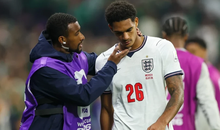
FIFA decision shocks England, Quansah ruled out for two matches
2026-07-09 20:51:00
Protest/Pedagogue: 4 million euros for Kanye West is "the next concession"
2026-07-09 19:45:53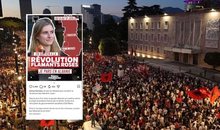
French MEP joins protests in Albania: Support for the "Pink Flamingo Revolution"
2026-07-09 19:28:07


Has the lek strengthened or overvalued?
2026-07-09 17:58:05
The trial on the merits for Ilir Meta and Monika Kryemadhi is postponed
2026-07-09 16:47:58
The match between England and Norway risks being postponed, this is the reason
2026-07-09 16:12:46
Murder in Shkodra/ Relatives: Peaceful family, no problems
2026-07-09 16:10:02
Kurti invites opposition leaders to a meeting to create new institutions
2026-07-09 15:43:05