
 Flash News

Helping colleagues and always being willing to say “yes” is often seen as a positive value in the workplace, increasing trust and respect within the team. Employees who take on tasks in difficult times are perceived as trustworthy and as the people who “save the day.”
However, according to analyses of workplace behavior, this model can become a professional trap over time. Individuals who constantly accept tasks risk overload, burnout, and lack of career advancement, while often feeling exploited.
Initially, the willingness to help brings gratitude from colleagues and managers, but later it creates an uneven distribution of the workload. This affects the performance, limits creativity and reduces the professional perception of the employee, who is often labeled only as "the one who always helps."
Work behavior experts describe this phenomenon as a "competence trap," where the more a person helps, the less their strategic role within the organization is valued.
In this context, the ability to set boundaries and say “no” in a managed manner is considered an important element of professional development. A reasoned refusal is not seen as a lack of cooperation, but as a management of priorities and time.
According to specialists, the method of communication is key: instead of a direct refusal, it is suggested to use alternatives or explain existing commitments, while at the same time maintaining professional relationships.
Latest news
Gjendet i pajetë 62-vjeçari në liqenin e Viroit
2026-06-19 20:03:24
“Rama jep dorëheqjen”, protestuesit marshojnë drejt Kryeministrisë
2026-06-19 19:44:36
Zvicra konfirmon shtyrjen e bisedimeve SHBA-Iran
2026-06-19 19:35:12

Why always saying "YES" at work can turn into a trap
2026-06-19 18:48:46
Fatal accident in Fier-Lushnje, a 35-year-old man loses his life
2026-06-19 18:31:12
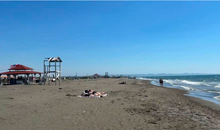
Tragedy with two minors in Tale, beach without security guards
2026-06-19 17:57:50

Accident on the Lezhë-Milot highway, 3 injured
2026-06-19 17:20:53
Is climate change strengthening the El Niño phenomenon?
2026-06-19 16:59:07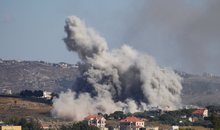
Israel and Hezbollah reach ceasefire agreement
2026-06-19 16:45:03
DP requests urgent interpellation with Rama regarding the protesters' 5 demands
2026-06-19 16:28:41
How prepared is the Albanian economy for the European market?
2026-06-19 15:55:28
Fight in Ali Demi area, one injured with a knife
2026-06-19 15:35:09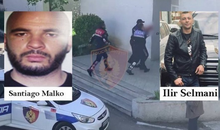
Murder of Santiago Malko, Special Appeal leaves Ilir Selmani under house arrest
2026-06-19 15:20:57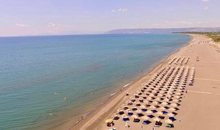
Two children drowned while bathing in the sea on Tale beach
2026-06-19 15:05:03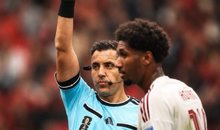
The 2026 World Cup "reds" early, red cards towards a historic record
2026-06-19 14:46:45
Albanian Language and Literature results for the 2026 Matura exam are published
2026-06-19 14:30:48



Two words about the boastful MP
2026-06-19 12:15:43
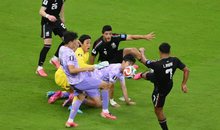
Mexico beats South Korea, advances to World Cup knockout stage
2026-06-19 10:57:14

The Transparency Board ceases to function
2026-06-19 10:17:33
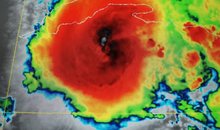
Drought and flooding, scientists warn of the strongest El Niño in 140 years
2026-06-19 09:44:28

Oil in Albania costs 10.5% more than the European average
2026-06-19 09:09:11
Foreign exchange, June 19, 2026
2026-06-19 08:49:46
Protests/ Italian MEP criticizes Rama: Don't ignore citizens' demands
2026-06-19 08:27:27
With stable weather conditions, check out today's weather forecast
2026-06-19 08:12:37
Morning Post/ In 2 lines: What mattered yesterday in Albania
2026-06-19 07:55:49
Edhe makineritë e pajisjet në Shqipëri u kushtojnë bizneseve më shumë se BE
2026-06-18 22:53:17



EU announces strategic discussion on enlargement
2026-06-18 21:10:57
Brazil without Neymar in second World Cup match, striker rested
2026-06-18 20:54:31
Photo/ The moment when Rama's escort quickly leaves the crowd of protesters
2026-06-18 20:12:46

Rama in plenary session, protesters march towards Parliament
2026-06-18 19:27:06


Foods that help protect the skin from the sun
2026-06-18 18:23:48
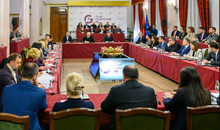
Rama calls for expanded group meeting, focus on Koçek's departure
2026-06-18 17:48:27
Trump's Iran Deal and the 2015 Nuclear Deal: What's Different This Time?
2026-06-18 17:28:46

Doja "Metamorphosis", GJKKO sentences Pëllumb Gjoka to 6 years in prison
2026-06-18 16:17:35

A dead body was found in Ibë, suspected to belong to Eglant Koçi
2026-06-18 15:51:17
Shehaj against protesters' demands: We will go to the elections with Rama
2026-06-18 15:38:06


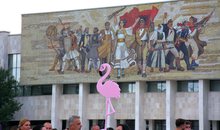
How the protests in Tirana gained international media attention
2026-06-18 14:21:14
Anti-cannabis operation in Kurbin, one person arrested, accomplice sought
2026-06-18 14:00:21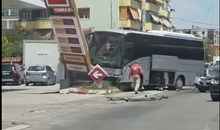
Accident at the entrance to Elbasan, bus collides with fuel sign
2026-06-18 13:51:19


Hegseth explodes against NATO: We are reviewing our presence in Europe
2026-06-18 13:13:44
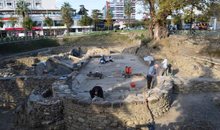
Excavations reveal mosaics from an early phase of the Elbasan Basilica
2026-06-18 12:55:41

Tensions in the trial against Meta, Kryemadhi and lawyer Cakrani fined
2026-06-18 12:37:26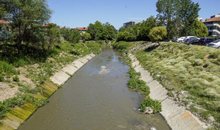
56 million euros spent, no functional plant: Tirana "floats" in sewage
2026-06-18 12:29:00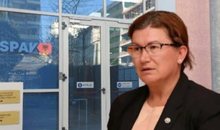
The mayor of Roskovec appears before SPAK
2026-06-18 12:19:46
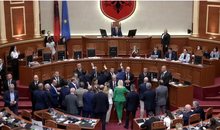
"Don't point the finger at me," parliamentary session is interrupted again
2026-06-18 12:05:28





The banner that "touched" Klosi: Rama or Bela, who was the reason?
2026-06-18 10:41:15

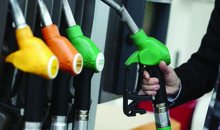
The signing of the US-Iran agreement lowers the price of oil on world markets
2026-06-18 09:49:07