 Flash News
Suspect in Velipoja massacre escapes, police searching for Hasan Ferracak
Check out the weather forecast for today.
The full decision of the Constitutional Court on the Veliaj case is revealed
Mexico's World Cup qualification celebrations turn into tragedy, three fans lose their lives
SPAK requested prison, GJKKO declares Majlinda Bufin innocent
'Digital Lightning': Edi Rama's targeting of protesters raises concerns

Politiko
2026-07-02 14:09:04
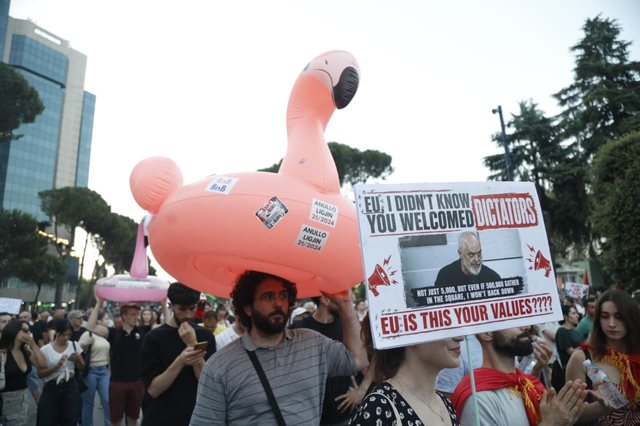
Prime Minister Edi Rama has published in recent days photographs and personal information about activists and participants in the anti-government protests, which have been taking place for 31 days in Tirana.
In his posts on social media, Rama has published photographs of protesters in "negative" format, accompanied by comments and information about their personal lives, including references to court cases.
Lawyers and human rights activists told BIRN that this practice could be interpreted as an attempt to intimidate citizens who express opposition to the government.
Erida Skëndaj, executive director of the Albanian Helsinki Committee, said that the Prime Minister's posts go beyond the boundaries of legitimate criticism.
"Even publicly visible data, such as that of a protest taking place in public spaces, when collected, profiled and republished to create a negative portrait of the individual, enters the realm of private life and, consequently, violates it," said Skëndaj.
She emphasized that the protection of personal data is guaranteed by Article 35 of the Constitution and Article 8 of the European Convention on Human Rights.
According to her, publicly labeling protesters as bullies shifts the debate from ideas to the person.
"When this is carried out by state officials, a profound asymmetry is created, as in a state of law the standard of tolerance towards citizens is different from that required of public figures," said Skëndaj.
For a month, Tirana and other cities in Albania have been gripped by massive protests against the government and political class, now known as the “Flamingo Revolution,” demanding the resignation of Prime Minister Edi Rama. The socialist leader has described the protesters as manipulated by social media algorithms and hybrid warfare by malign states and commercial interests.
Gentian Sejrani, a lawyer and human rights activist, also argued that this approach could violate not only the right to protest, but also the right of citizens not to be exposed to bullying due to their political beliefs.
“Morally, the Prime Minister is encouraging his supporters to insult and bully anyone who thinks differently,” said Sejrani, adding that the language used by politicians directly affects the level of polarization in society.
According to him, the role of a prime minister should be to promote dialogue and respect in public debate, not to encourage divisive language.
There were also reactions from the opposition. Democratic Party MP Jorida Tabaku described Rama's posts as part of a "persecution campaign" against protesting citizens.
In a post on social media, Tabaku wrote that the Prime Minister "collects biographies, looks for 'spots' in their lives, attacks family members and publicly exposes them as shooting targets", while describing the posts as "digital call sheets".
Skëndaj said that the right to peaceful assembly and freedom of expression protect not only the act of protest, but also participants from unjust consequences due to the exercise of these rights.
"When the highest representative of the executive branch singles out protesters and places them against a public labeling backdrop, highlighting their activity on social media, personal past, or court cases, the perception of a symbolic punishment of dissent is created," she said.
According to Skëndaj, public officials must respond to criticism through transparency and accountability, while the state has a positive obligation to protect and facilitate peaceful protest, not to create conditions that discourage participation.
In this context, the Albanian Helsinki Committee and other civil society organizations have addressed an official request to the General Directorate of the State Police, requesting information on the procedures followed against several protesters.
"We have requested information and institutional verification of cases related to the peaceful protest, including detentions by anti-terror structures without clear identification and without reasonable doubt, interrogations without clarifying the procedural status and without providing a copy of the statement, as well as criminal proceedings initiated for participation in the protest," Skëndaj concluded. Reporter.al
Latest news


'Digital Lightning': Edi Rama's targeting of protesters raises concerns
2026-07-02 14:09:04
Suspect in Velipoja massacre escapes, police searching for Hasan Ferracak
2026-07-02 13:34:19
Balla attacks protesters: A group of social and political garbage
2026-07-02 13:16:48

Plenary session ends, protesters throw eggs at cars of SP MPs and ministers
2026-07-02 12:20:26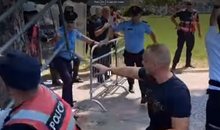

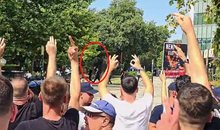
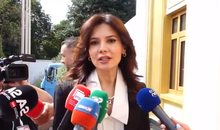



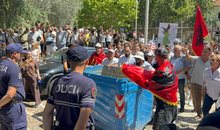
Parliament is armored before the protest, SP MPs enter early to avoid protesters
2026-07-02 09:18:08

Check out the weather forecast for today.
2026-07-02 08:29:47
Following Paloka, Julia Emiri is elected head of the DP National Council
2026-07-02 08:11:44
Morning Post/ In 2 lines: What mattered yesterday in Albania
2026-07-02 07:58:18
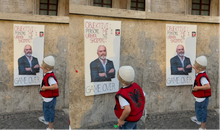
PHOTO NEWS/ "Rama, the most hated man in Albania"
2026-07-01 21:29:16
"DP will be renewed", Zhupa: We are creating a team for the new elections
2026-07-01 21:13:18
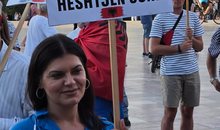


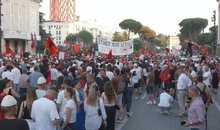
32 days of protest, Albanians determined to remove Rama
2026-07-01 19:32:54
The full decision of the Constitutional Court on the Veliaj case is revealed
2026-07-01 18:42:05
Lawyers' absences delay the Fier incinerator process in the Special Appeal
2026-07-01 18:04:05
MEPs denounce obstacles in Gjadri camp, were not allowed to inspect cells
2026-07-01 17:24:39
MEPs did not receive guarantees from the Albanian government for Zvërnec
2026-07-01 16:58:34
Mexico beats Ecuador and secures ticket to the 1/8th of the World Cup
2026-07-01 16:38:36
Confidence in the economy falls in June, driven by services and construction
2026-07-01 15:44:15

Writer Ylljet Aliçka is declared "Honorary Citizen of Cologne"
2026-07-01 15:18:48

85% of people worry about things that never happen to them
2026-07-01 14:50:26
Vrau dhëndrin, Gjykata e Lartë prish dënimin me burg përjetë të Mexhit Picarit
2026-07-01 14:17:02
Berisha dënon ndërhyrjen e policisë në protestë: U ushtrua dhunë shtazore
2026-07-01 13:57:38
Berisha: Raporti i PPE sugjeron qeverinë teknike si zgjidhje, mbështet PD-në
2026-07-01 13:40:16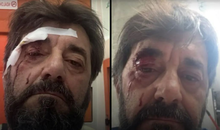
Dhunohet nga dy persona analisti Ilir Demaliaj
2026-07-01 13:23:29
Changes in the State Police, new leaders appointed in several police stations
2026-07-01 12:54:51

53% of deaths in Albania are caused by heart disease
2026-07-01 11:52:56
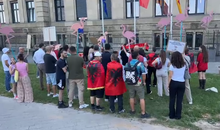
"Resign", Rama is expected with protests from Albanians in Düsseldorf
2026-07-01 11:18:24
SPAK requested prison, GJKKO declares Majlinda Bufin innocent
2026-07-01 11:02:31
"A short and cordial conversation", Berisha meets the Chancellor of Austria
2026-07-01 10:47:56
Protesters gather in front of SPAK, file lawsuit against “Albanian Files”
2026-07-01 10:32:25
Flamingos and three premises
2026-07-01 10:24:49

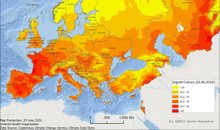
Map/ Albania among the areas most affected by the heat wave in Europe
2026-07-01 09:09:16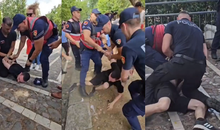
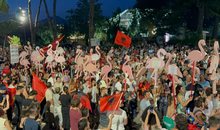

Horoscope, get to know the star forecast
2026-07-01 08:22:19
Stable and cloudy weather, forecast for this Wednesday
2026-07-01 08:09:33
Morning Post/ In 2 lines: What mattered yesterday in Albania
2026-07-01 07:54:58
Politico: "Flamingo Revolution" Escalates, MEPs Support Protest
2026-06-30 22:02:17
Cardinal Ernest Simoni Troshani visits the United Kingdom
2026-06-30 21:47:33

Haaland sends Norway into quarterfinals, Brazil next obstacle
2026-06-30 21:19:26
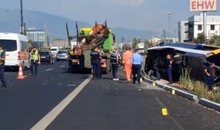
Fatal accident on the Durrës-Tirana highway, protesters hold 1 minute of silence
2026-06-30 20:46:28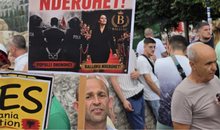
"The people are violated, Belinda is honored", spicy banners from the protest
2026-06-30 20:22:04
Dy aksidente ne Pogradec, plagosen dy persona
2026-06-30 20:01:04

BE-ja nis përgatitjet financiare për anëtarësimin e Malit të Zi
2026-06-30 19:18:02
Star architects and power over territory
2026-06-30 18:45:24


Amid protests, Rama issues "check" for pensioners, 5 thousand lek summer bonus
2026-06-30 17:50:12

Arrests at Parliament, Dritan Goxhaj and two other protesters released
2026-06-30 16:55:04