 Flash News
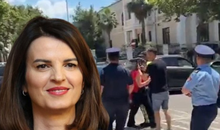
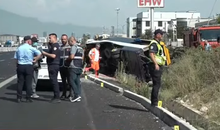
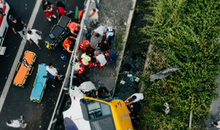
Police correct the tragic accident: The only victim was the driver, the child was brought back to life in the hospital
Accident with 2 victims/ Driver suspected of having suffered a heart attack, 15 passengers injured, one child in serious condition
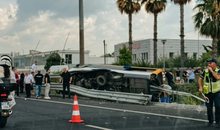
Fatal accident on the highway, the minibus was on the Berat-Tirana route, it is suspected that it lost control
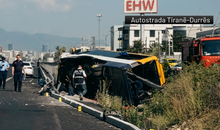
Fatal accident on the Tirana-Durrës highway, over 10 passengers injured and 2 killed
Van overturns on Tirana-Durrës highway, two dead, several passengers trapped inside the vehicle
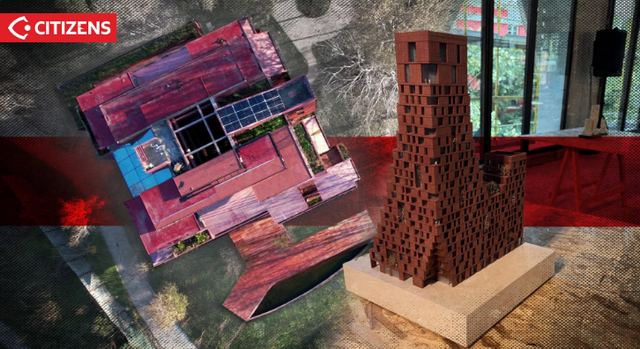
Architecture is not just art. In fact, art is only one of its dimensions, perhaps even the last. Before being art, architecture is public policy, economics, law, planning, environment, history, sociology and responsibility towards society. Every architectural intervention produces consequences that extend far beyond the built object. It affects the way land is used, how cities are organized, how natural resources are conserved, how cultural heritage is protected and, above all, how people live in the space they share with each other.
Precisely for this reason, architecture cannot be reduced to aesthetics alone. A building can be admirable as an artistic object and, at the same time, problematic from a public interest point of view. Its beauty does not answer the questions of how the decision was made, who the project serves, what the city loses and who benefits from it.
Even architects themselves often tend to defend architecture as an intangible creation, as an aesthetic act that should be judged primarily for its artistic quality. This is understandable when the debate takes place within the discipline. But when the same logic is transferred to public decision-making, it begins to produce political consequences.
If this remains just a theoretical discussion, it may seem like an abstract problem. In practice, however, the way in which power uses architecture to produce legitimacy becomes easily discernible.
The Albanian experiment
Albania in recent years offers one of the clearest examples of this transformation of the discipline. Here architecture has not only been used to build cities, but also to construct a political narrative about development, modernity and progress. At the center of this narrative stands Prime Minister Edi Rama himself. Since taking power in 2013, he has made architecture and the physical transformation of the territory one of the main pillars of his political identity. Public presentations of projects, relationships with “star architects”, the constant exposure of urban interventions and personal identification with them have created the impression that the development of the country is measured, above all, by the aesthetic transformation of space.
Edi Rama is not an architect, but his training as a painter has clearly influenced the way he has conceived of territory. Instead of seeing it as the result of a long history, built on layers of memories, communities and institutions, territory has often been treated as a blank canvas on which a new vision can be drawn. On a canvas, what existed before can be erased without consequences. In territory, every “erasure” has social, cultural, economic and environmental costs.
Një vizion i tillë nuk ka mbetur vetëm në nivelin e retorikës politike. Ai është përkthyer dhe lexohet në mënyrën se si funksionojnë institucionet dhe si merren vendimet mbi territorin. Por nëse territori konsiderohet një telajo ku duhet materializuar një vizion politik, procedurat nuk shërbejnë më për të verifikuar nëse projektet i shërbejnë interesit publik por ato shndërrohen në mekanizma për tu shërbyer realizimit sa më të shpejtë dhe me sa më pak pengesa. Ky është rasti shqiptar i prezantuar në librin Albanian Files.
Në dekadën e fundit kemi parë se si proceset e miratimit të lejeve të zhvillimit kanë pushuar së funksionuari si procese të mirëfillta vendimmarrjeje publike dhe janë shndërruar gjithnjë e më shumë në instrumente imponimi. Dialogu me qytetarët, konsultimi me komunitetet dhe debati profesional janë zëvendësuar me prezantime spektakolare të projekteve të importuara, shoqëruar me vizualizime tre dimensionale dhe me emra të njohur të arkitekturës ndërkombëtare. Në vend që publiku të marrë pjesë në formësimin e projektit, ai ftohet vetëm ta admirojë atë.
Por një projekt i imponuar nuk mjafton të miratohet administrativisht. Ai duhet të fitojë edhe legjitimitet publik. Pikërisht këtu hyn në lojë figura e “star-arkitektit”. Roli i tij nuk kufizohet vetëm te projektimi i një ndërtese. Ai ftohet për t’i dhënë autoritet dhe marketim ndërkombëtar vizionit politik që qëndron pas saj. Emri, prestigji dhe reputacioni i tij funksionojnë si një vulë cilësie, duke e paraqitur projektin jo si rezultat të një zgjedhjeje politike të debatueshme, por si një zgjidhje profesionale, objektive dhe estetikisht superiore. Projekti vishet me një tis paprekshmërie dhe debati zhvendoset nga përmbajtja e vendimit te prestigji i autorit.
Kështu kemi dëshmuar se nuk diskutohet më nëse projekti i shërben interesit publik, por nëse qytetarët kanë të drejtë të kundërshtojnë një vepër të firmosur nga një emër i njohur i arkitekturës botërore. Kemi parë se çdo kundërshtim i arkitektit lokal etiketohet si padije, provincializëm, apo mungesë vizioni. Star Arkitekti përdoret si simbol për të delegjitimuar ekspertizën vendase dhe zërin e komunitetit dhe qytetarëve shqiptarë.
Këtu na krijohet një raport trekëndor ku pushteti politik fiton legjitimitet nga prestigji i arkitektit, zhvilluesi fiton legjitimitet për investimin, ndërsa “star-arkitekti”, me vetëdije ose jo, bëhet ndërmjetësi përmes të cilit një vendim politik paraqitet si një domosdoshmëri profesionale. Pikërisht këtu arkitektura pushon së qeni vetëm disiplinë dhe fillon të funksionojë si mekanizëm legjitimimi i pushtetit. Prestigji i “star-arkitektit” shndërrohet në garanci të projektit dhe, rrjedhimisht, të vendimit politik që e ka prodhuar atë. Bukuria nuk paraqitet më si rezultat i dialogut me qytetin dhe komunitetin, por si një e vërtetë që duhet pranuar se na vjen vetëm nga lart poshtë. Kush mendon ndryshe etiketohet si kundër zhvillimit.
Ky mekanizëm estetik është, në thelb, një mekanizëm qeverisjeje. Sa më shumë përqendrohet pushteti politik, aq më shumë përqendrohet edhe e drejta për të përcaktuar se çfarë është zhvillim, çfarë është bukuri dhe kush vendos për to.
Në Shqipëri, ky mekanizëm përforcohet nga përqendrimi i pushtetit te një person i vetëm. Edi Rama shfaqet njëkohësisht në tre funksione që normalisht do të duhej të ishin të ndara. Si Kryeministër promovon Shqipërinë dhe fton arkitektët më të njohur ndërkombëtarë. Si kryetar i Këshillit Kombëtar të Territorit miraton projektet e tyre. Më pas është po ai që i mbron, i justifikon dhe i paraqet si zgjidhjen e vetme të mundshme për zhvillimin e vendit. Në këtë mënyrë, iniciuesi i vizionit politik, autoriteti që merr vendimin dhe zëri që e legjitimon atë në opinionin publik përqendrohen praktikisht te i njëjti person.
Si dilet nga ky rreth vicioz?
Në pamje të parë duket sikur ky është një sistem i mbyllur. Por nuk është. I mungon një aktor pa të cilin asnjë projekt nuk mund të pretendojë se i shërben interesit publik: qytetari. Çdo mekanizëm pushteti mbështetet mbi legjitimitetin dhe, në fund, asnjë pushtet nuk mund ta prodhojë vetë atë.
Për vite me radhë, vendimmarrja mbi territorin është ndërtuar si një trekëndësh midis pushtetit politik, kompanive zhvilluese dhe “star-arkitektëve”. Njëri formulon vizionin, tjetri zhvillon projektin, ndërsa i treti i jep atij legjitimitetin estetik dhe profesional. Në këtë marrëdhënie, qytetarët nuk janë pjesë e procesit të vendimmarrjes. Ata shfaqen në skenë vetëm në fund, kur projekti është vendosur, leja është miratuar dhe kantieri është gati të nisë punën. I shohim teksa pengohen nga policia vetëm sepse kundërshtojnë faktin e kryer në qytetin e vet, në zonën ku janë rritur dhe shpesh në mbrojtje të burimeve natyrore. Janë të përjashtuar nga qeverisja e territorit dhe lehtësisht të sulmueshëm nga pushteti si “kundra zhvillimit”. Goditen, sulmohen dhe procedohen penalisht vetëm sepse kërkojnë llogari për çfarë është vendosur, si është vendimi dhe pse ka terr informativ. Nga Valbona, tek Butrinti, nga Zvërneci në Pogradec, sjellja e pushtetit është e njejtë si hapësirë edhe në kohë.
Për vite me radhë, ky mekanizëm ka funksionuar si një sistem i mbyllur. Sot, për herë të parë, ai po humbet elementin që e mbante në këmbë: legjitimitetin. Kjo sepse po vihet në provë nga dy drejtime: Nga njëra anë, institucionet e drejtësisë kanë filluar të hetojnë marrëdhëniet midis pushtetit politik dhe zhvilluesve privatë. Nga ana tjetër, qytetarët kanë filluar të vënë në diskutim vetë mënyrën se si janë marrë vendimet mbi territorin.
In this context, Albanian Files made visible the way in which political power, private capital and professional prestige are intertwined in the transformation of the territory, identifying the initiators and beneficiaries of this development model. As developers and builders are accounting for the projects they have implemented, a question naturally arises for the “star architects”: on whose behalf did they work? On behalf of the public interest? On behalf of the company that contracted them? Or in function of a political vision that sought to be legitimized through their professional authority?
If Albanian Files helped identify the winners of this model, the civic protest made visible the other group: the losers. Those who have lost public spaces, access to territory, cultural heritage, natural landscapes and equal opportunities to benefit from common assets. In other words, the citizens themselves, because the territory is not the property of the government nor the privilege of investors, it is a public good. When decisions on it are made by a limited circle of actors and the benefits are concentrated in a few hands, not only urban planning is violated. The very social contract on which democratic coexistence is built is violated. Precisely for this reason, thousands of citizens have taken to the boulevards and demanded a New Constitution.
But the protest did not only challenge the way the territory was governed. It also challenged the way it was legitimized. For years, aesthetics had been used to present this development model as the only possible path to development, and it is here that the greatest irony of Edi Rama’s thirteen years of government emerges. Spectacular architecture was presented as a symbol of modernization, while behind it were processes that accompanied the privatization of public space, the weakening of heritage protection, and the concentration of benefits in a few hands. However, the most powerful aesthetic image that Albania has produced in these 13 years (and beyond) was not born from a tower, a master plan, or a “star architect.” It was born on the boulevard.
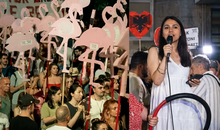
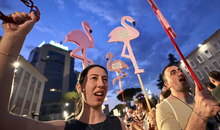
The Flamingo Revolution showed that architecture is not the only thing that produces beauty. Beauty is also produced by citizenship; thousands of people filling a public space without violence, with creativity, humor, music and hope. A square that returns to being a meeting place and not an object of spectacle.
And that is precisely where the beauty of this revolution lies. Not in the buildings, but in the people. Not in the concrete, but in life. Not in the spectacle of power, but in the citizens who return as authors of their territory./ Citizens Channel
Latest news

BE-ja nis përgatitjet financiare për anëtarësimin e Malit të Zi
2026-06-30 19:18:02
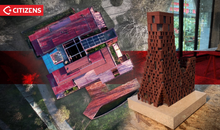
Star architects and power over territory
2026-06-30 18:45:24
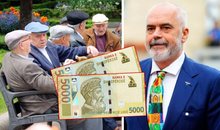
Amid protests, Rama issues "check" for pensioners, 5 thousand lek summer bonus
2026-06-30 17:50:12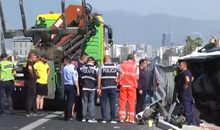
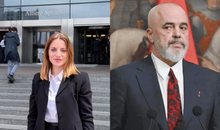
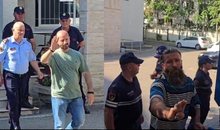
Arrests at Parliament, Dritan Goxhaj and two other protesters released
2026-06-30 16:55:04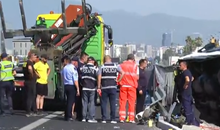
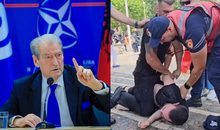
Berisha condemns violence against protesters: I demand their immediate release
2026-06-30 15:28:35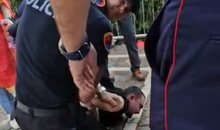
Video/ Tensions at Parliament, police drag and lay young man on the ground
2026-06-30 15:17:25
UNLOCK x Go Kart: A day of surprises and a race for first place
2026-06-30 15:06:37
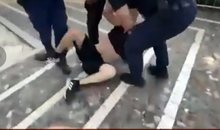
Dragged by police, 6 protesters end up in police stations
2026-06-30 14:42:25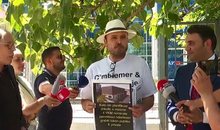
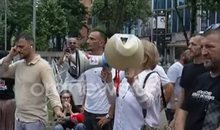
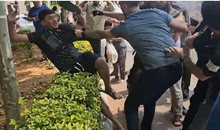
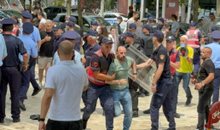



Protesters throw eggs at the vehicles of SP ministers and MPs, FNSH intervenes
2026-06-30 12:22:49
Protesters throw eggs at Parliament
2026-06-30 12:06:59



Arrested at gunpoint near Emiljano Nina's apartment, Ervis Martinaj's cousin
2026-06-30 10:41:37
Two police officers from 313 died at work, the Directorate of Prisons reacts
2026-06-30 10:28:00
"Crime Parliament", plenary session begins with protests outside the assembly
2026-06-30 10:21:44
The myth of the economy being sustained by dirty money
2026-06-30 10:13:16
Two police officers from prison 313 die, initial suspicions
2026-06-30 09:35:29
Foreign exchange rate June 30/ How much the dollar and euro are bought and sold
2026-06-30 09:25:52
Paraguay declares national holiday after historic World Cup triumph over Germany
2026-06-30 09:05:52
Albania third in Europe for high dairy prices, 35.6% more than average in 2025
2026-06-30 08:49:43
Temperatures reach up to 37 degrees, check out the weather forecast
2026-06-30 08:33:10
Nighttime fire in a building in Lapraka, residents: Firefighters arrived late
2026-06-30 08:18:40
Morning Post/ In 2 lines: What mattered yesterday in Albania
2026-06-30 07:58:57
Hospital autonomy without results: Lack of access and overloaded services
2026-06-29 21:55:56
Duel in Boston, Germany and Paraguay fight for qualification
2026-06-29 21:40:51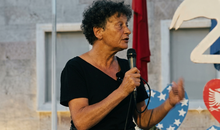
German MEP speaks from protest: Government should listen to citizens
2026-06-29 21:28:52
Six MEPs join the protest against Rama
2026-06-29 21:11:10
Protesters "occupy" the Polytechnic, demand the return of the banner
2026-06-29 20:51:09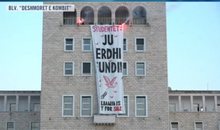

Japonia trondit Brazilin, mbyll pjesën e parë në avantazh
2026-06-29 20:11:55
"Rama resigns", protesters begin march towards the Prime Minister's Office
2026-06-29 19:53:55
Vapa ekstreme, si mund të përmirësohet gjumi gjatë netëve të nxehta
2026-06-29 19:28:55
Gazetari holandez: Deklaratat e Ramës nuk i besojnë më as socialistët
2026-06-29 19:00:23
Protest for Rama's resignation extends to Turin
2026-06-29 18:41:11
Will Vučić become the Prime Minister of Serbia again?
2026-06-29 18:22:02
New heat wave in the US raises concerns about the 2026 World Cup final
2026-06-29 18:01:00
Photo/ 40°C in Tirana, citizens "invade" fountains to escape the heat
2026-06-29 17:44:25
Extreme heatwave tests healthcare systems in Europe
2026-06-29 17:30:39
11 early behaviors linked to success and wealth building
2026-06-29 17:12:42
Accident in Fier-Levan, two injured after two vehicles collide
2026-06-29 16:56:47
Behind the scenes/ Why is SPAK delaying the request for Balluk's arrest?
2026-06-29 16:40:54
Police continue proceedings after the protest, 31 citizens prosecuted
2026-06-29 16:23:02
Lawyer Kujtim Cakrani terminates legal representation of Ilir Meta
2026-06-29 16:08:51
After World Cup failure, South Korea coach targets threats
2026-06-29 15:53:15
Albanian children put violence and mental health at the top of their concerns
2026-06-29 15:33:21
When “irony” becomes an alibi: Rama, the starchitects and “The Albanian Files”
2026-06-29 15:15:32
The bullet damaged his main vein, the injured man is headed to Trauma.
2026-06-29 15:01:57
Shooting in Germany, 5 killed and several injured
2026-06-29 14:56:00
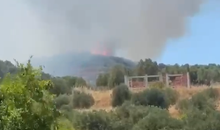
Fire in Llakatund, Vlora, wind favors rapid spread of flames
2026-06-29 13:57:09
Shooting in Pogradec, young man with criminal record injured
2026-06-29 13:41:16
Who are the Israeli businessmen who pay for Edi Rama's private jet trips?
2026-06-29 13:27:33
Europe is "scorching", over 1,300 victims of extreme heat
2026-06-29 13:06:55

Belgian newspaper: Protests exposed Rama's image as a gangster
2026-06-29 12:14:00

Scotland coach resigns after World Cup exit
2026-06-29 11:36:35

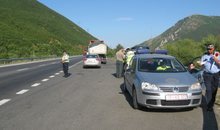
Police officer dies in Vërmica, suspected of being hit by a driver from Albania
2026-06-29 10:05:08
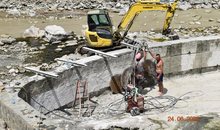
"Banjat e Benja between Harese and the destruction of Albanian nature"
2026-06-29 09:32:24
Foreign exchange rate June 29/ How much the dollar and euro are bought and sold
2026-06-29 09:13:34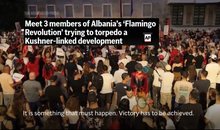
AP dedicates report to protest: "Flamingo Revolution" draws world attention
2026-06-29 08:56:11
Avoid peak hours, temperatures reach up to 39 degrees today
2026-06-29 08:19:42
Morning Post/ In 2 lines: What mattered yesterday in Albania
2026-06-29 08:02:17
Over 1,300 dead from heatwave in Europe
2026-06-28 21:57:50