 Flash News
When “irony” becomes an alibi: Rama, the starchitects and “The Albanian Files”
Shooting in Germany, 5 killed and several injured
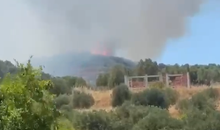
Fire in Llakatund, Vlora, wind favors rapid spread of flames
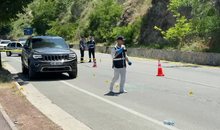
Shooting in Pogradec, young man with criminal record injured
The two football giants on the field, Brazil and Germany, are looking for a ticket to the 1/8th.
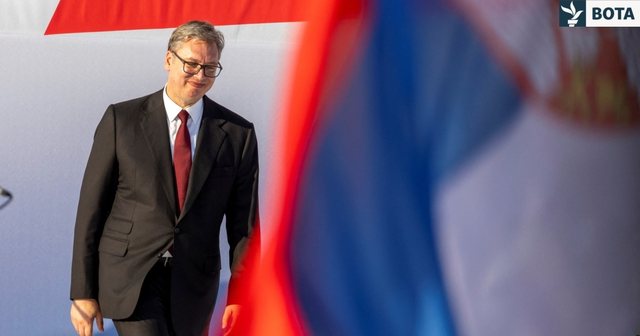
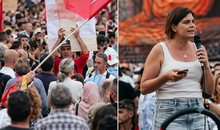
Political retreat or tactic to stay in power? This is the question that follows the statement made by Aleksandar Vučić, the president of Serbia, before thousands of his supporters gathered on Saturday at a rally in central Belgrade.
Vucic told them that he will be president of the state "only for a few more weeks."
If this happens, he would step down less than a year before the end of his presidential term in May 2027. Vučić has been elected president of Serbia twice and, since the Serbian Constitution does not allow a third term, he would not be able to run for the post again.
However, this is not the first time he has warned of withdrawal.
In public, he has offered to resign in situations of smaller and larger political crises.
Now, for a year and a half, he has faced one of his most serious crises, in the wave of protests demanding an end to corruption and the announcement of early elections.
So far, he has rejected calls for elections. Professor at the Faculty of Political Science in Belgrade, Dušan Spasojević, believes that his latest statement could be interpreted as an intention to become the Prime Minister of Serbia.
"His eventual arrival in the position of prime minister would only place him, in the constitutional sense, where he already is - as the main political figure who makes all decisions in the country," Spasojevic told Radio Free Europe.
Spasojevic believes that there are some "political calculations" that may have pushed Vučić to announce his resignation.
"One is that he can no longer run for president and must run for another position. In this case, the eventual holding of presidential and parliamentary elections at the same time would allow him to fully participate in the campaign," says Spasojevic.
At the rally in Belgrade, Vučić told his party members that he would help them gain the trust of citizens in the parliamentary elections.
However, he did not say when these elections would be announced, nor in what way he plans to get involved in the election race.
"Another account could be that Vučić considers that the SNS [Serbian Progressive Party] candidate will have a hard time winning the upcoming presidential elections and that he is creating a kind of strategic retreat in advance, to move to a more powerful constitutional function," says Spasojević, a professor at the Faculty of Political Science.
In his statements over the past few months, Vučić has not ruled out the possibility of returning to the post of prime minister.
Neither his party, SNS, nor the Serbian Presidency responded to REL's questions on this issue.
Që nga nëntori i vitit 2024, Vuçiq po përballet me protesta masive antiqeveritare. Lëvizja studentore, e cila i udhëheq këto protesta, e akuzon pushtetin në Serbi për korrupsion dhe kërkon mbajtjen e zgjedhjeve të parakohshme parlamentare.
“Me këtë, ai u dërgon mesazhin se vazhdon të jetë aktori që e përcakton dinamikën e proceseve - se, për shembull, mund të propozojë shpalljen relativisht të shpejtë të zgjedhjeve parlamentare, pastaj mund t’i përshpejtojë zgjedhjet presidenciale, ose t’i bashkojë apo t’i ndajë ato”, thotë Spasojeviq.
Protestuesit në Serbi kanë kërkuar nga Vuçiqi t’i respektojë kompetencat e tij kushtetuese si president i shtetit.
Sipas Kushtetutës së Serbisë, pushteti ndahet në legjislativ, ekzekutiv dhe gjyqësor, ndërsa funksioni i presidentit është kryesisht protokollar.
Ndër të tjera, presidenti e përfaqëson Serbinë brenda dhe jashtë vendit, komandon ushtrinë, shpall ligjet, i propozon Kuvendit kandidatin për kryeministër, si dhe jep falje dhe dekorata.
Protestuesit antiqeveritarë e kanë akuzuar disa herë Vuçiqin për tejkalim të këtyre kompetencave, ndërsa për këtë kanë tërhequr vërejtjen edhe organizata të shumta joqeveritare në Serbi.
Ky lider populist dhe SNS-ja janë boshti i pushtetit që nga viti 2012. Gjatë kësaj periudhe, Vuçiq ka qenë zëvendëskryeministër, më pas kryeministër, ndërsa nga viti 2017 është president i Serbisë.
“Pushteti i tij që nga viti 2012 ka ndryshuar në atë mënyrë që, me kalimin e kohës, ai është bërë gjithnjë e më pak i varur nga aktorët e tjerë dhe politikisht gjithnjë e më i fuqishëm”, thotë profesori i Fakultetit të Shkencave Politike, Dushan Spasojeviq.
Ai beson se, në këtë kuptim, dorëheqja e Vuçiqit nuk do të ndryshonte asgjë thelbësore.
“Më duket se kjo është nisje e planit Putin-Medvedev, ose e veprimeve që ish-lideri malazez Millo Gjukanoviq i ka bërë disa herë”, shtoi Spasojeviq.
Presidenti aktual i Rusisë, Vladimir Putin, është në pushtet që nga viti 1999. Për t’i shmangur kufizimet kushtetuese për qëndrimin në pushtet, ai ka alternuar mes funksioneve të presidentit dhe kryeministrit.
Sipas një modeli të ngjashëm ka qeverisur edhe Gjukanoviq. Ai për tri dekada ishte lider i Partisë Demokratike të Socialistëve, e cila atëherë ishte në pushtet, disa herë kryeministër dhe në dy raste president i Malit të Zi.
Spasojeviq thotë se kjo nuk është praktikë e zakonshme në demokracitë e zhvilluara evropiane.
“Mendoj se kjo është megjithatë pjesë e një tradite serbo-malazeze-ruse, e cila thotë se fuqia shkon me liderin, e jo me funksionin”, shton ai.
Nëse jep dorëheqje nga posti i presidentit të Serbisë, shpallja e zgjedhjeve parlamentare nuk është e domosdoshme që Vuçiq të bëhet kryeministër i ri.
SNS-ja e Vuçiqit aktualisht ka shumicën në Kuvendin e Serbisë - 136 nga gjithsej 250 deputetë.
Sipas Kushtetutës së Serbisë, kryeministri zgjidhet nga Kuvendi, me propozim të presidentit të shtetit.
Kushtetuta e Serbisë nuk kërkon që kryeministri të zgjidhet vetëm pas zgjedhjeve.
In the event of the resignation of the current Prime Minister, Gjuro Macu, or a vote of no confidence in his cabinet, the current parliamentary composition could vote for a new Prime Minister and a new government.
This means that, if he resigns as he has warned, Vučić could become the head of the Serbian Government.
When asked whether such a scenario is being considered, the ruling party, SNS, did not respond.
If Vučić resigns as he has announced, according to the law, the Speaker of the Parliament automatically becomes acting president and can exercise this function for a maximum of three months.
In this case, this would be Ana Brnabić, who has also been the Prime Minister of Serbia for three terms.
She is obliged to announce presidential elections so that they can be held no later than three months after the resignation.
"This would mean, hypothetically, that if Vučić were to resign by the end of July, we would have presidential elections sometime in October," says Dušan Spasojević.
REL did not receive a response from either Vučić's cabinet or his SNS party to questions about whether and when early presidential elections could be expected./ REL
Latest news
Protest for Rama's resignation extends to Turin
2026-06-29 18:41:11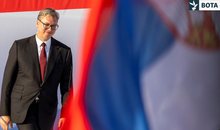
Will Vučić become the Prime Minister of Serbia again?
2026-06-29 18:22:02
New heat wave in the US raises concerns about the 2026 World Cup final
2026-06-29 18:01:00
Photo/ 40°C in Tirana, citizens "invade" fountains to escape the heat
2026-06-29 17:44:25
Extreme heatwave tests healthcare systems in Europe
2026-06-29 17:30:39
11 early behaviors linked to success and wealth building
2026-06-29 17:12:42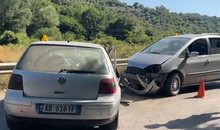
Accident in Fier-Levan, two injured after two vehicles collide
2026-06-29 16:56:47
Behind the scenes/ Why is SPAK delaying the request for Balluk's arrest?
2026-06-29 16:40:54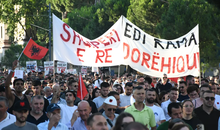
Police continue proceedings after the protest, 31 citizens prosecuted
2026-06-29 16:23:02
Lawyer Kujtim Cakrani terminates legal representation of Ilir Meta
2026-06-29 16:08:51
After World Cup failure, South Korea coach targets threats
2026-06-29 15:53:15
Albanian children put violence and mental health at the top of their concerns
2026-06-29 15:33:21
When “irony” becomes an alibi: Rama, the starchitects and “The Albanian Files”
2026-06-29 15:15:32
The bullet damaged his main vein, the injured man is headed to Trauma.
2026-06-29 15:01:57
Shooting in Germany, 5 killed and several injured
2026-06-29 14:56:00
Fire in Llakatund, Vlora, wind favors rapid spread of flames
2026-06-29 13:57:09
Shooting in Pogradec, young man with criminal record injured
2026-06-29 13:41:16
Who are the Israeli businessmen who pay for Edi Rama's private jet trips?
2026-06-29 13:27:33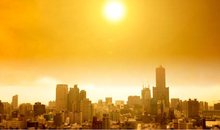
Europe is "scorching", over 1,300 victims of extreme heat
2026-06-29 13:06:55
Belgian newspaper: Protests exposed Rama's image as a gangster
2026-06-29 12:14:00
Scotland coach resigns after World Cup exit
2026-06-29 11:36:35

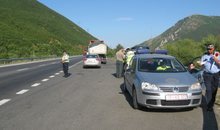
Police officer dies in Vërmica, suspected of being hit by a driver from Albania
2026-06-29 10:05:08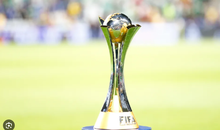
"Banjat e Benja between Harese and the destruction of Albanian nature"
2026-06-29 09:32:24
Foreign exchange rate June 29/ How much the dollar and euro are bought and sold
2026-06-29 09:13:34
AP dedicates report to protest: "Flamingo Revolution" draws world attention
2026-06-29 08:56:11
Avoid peak hours, temperatures reach up to 39 degrees today
2026-06-29 08:19:42
Morning Post/ In 2 lines: What mattered yesterday in Albania
2026-06-29 08:02:17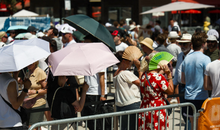
Over 1,300 dead from heatwave in Europe
2026-06-28 21:57:50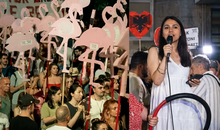

Mrekulli në Venezuelë! Foshnja 18-ditëshe shpëtohet pas 32 orësh nën gërmadha
2026-06-28 21:11:49
State capture through territory
2026-06-28 20:56:31
Ronaldinho returns to the field after 11 years
2026-06-28 20:43:17
Why do we cry when we are happy? Science gives the answer
2026-06-28 20:20:29
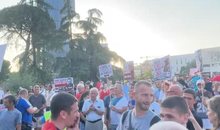
29th protest in Tirana, citizens march towards the Prime Minister's Office
2026-06-28 19:38:10

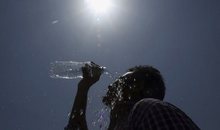
WHO warns: Europe is experiencing one of the deadliest heatwaves
2026-06-28 18:33:01
"The Albanian Files": How did Albania turn into a money laundering laboratory?
2026-06-28 18:14:59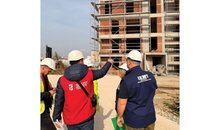
Before the EU, 20% of construction sites lack safety standards
2026-06-28 17:58:11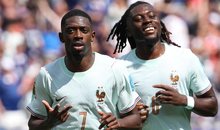
Publikohet formacioni më i mirë i raundit të tretë në Botëror
2026-06-28 17:35:31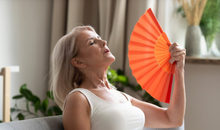
Si të mbroheni nga vala e të nxehtit?
2026-06-28 17:12:55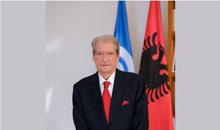
Berisha heads to Vienna for the EPP Assembly, focusing on the report on Albania
2026-06-28 16:49:42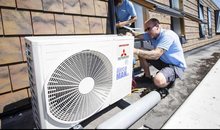
Why don't Germans have air conditioning at home?
2026-06-28 16:30:40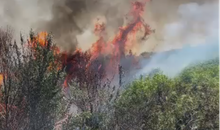
Fire in Mallakastër, Bylis Archaeological Park at risk
2026-06-28 16:10:22
Conflict with brothers over properties, former director of Vlora Police arrested
2026-06-28 15:53:52
Rama retracts statement: I did not say "F*ck you" to Albanians
2026-06-28 15:39:23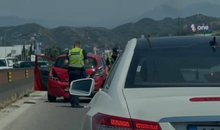
Chain accident on the Durrës-Tirana highway, two injured
2026-06-28 15:20:25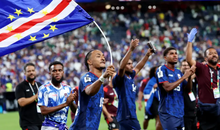
EU grants $5.6 million in aid to Venezuela after devastating earthquakes
2026-06-28 13:22:38

Citizen "nails" Shalsi: Nikaj-Mërturi has not seen any investment from you
2026-06-28 11:19:40
62-year-old prisoner dies after being in the same cell with his son
2026-06-28 11:01:53
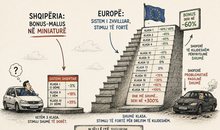
Albania, bonus-malus in "miniature", how do we compare with Europe
2026-06-28 10:24:39
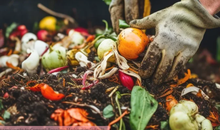
Agricultural waste, untapped potential for the circular economy in Albania
2026-06-28 09:44:41
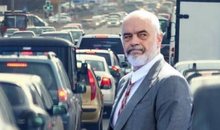
Tourist Albania "stuck" in traffic
2026-06-28 09:00:18
Horoscope, discover the star forecast for your sign
2026-06-28 08:40:31
Weather forecast for today, June 28, 2026
2026-06-28 08:18:30
Morning Post/ In 2 lines: What mattered yesterday in Albania
2026-06-28 08:02:47
7 phobias of people you've probably never heard of
2026-06-27 22:00:07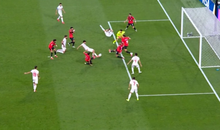
VAR anulon golin e Iranit, publikohen pamjet që ndezin polemika
2026-06-27 21:34:04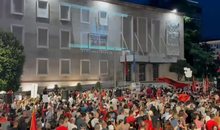
Protein discovered that may be linked to brain aging and memory
2026-06-27 20:45:28
Italian MEP joins protest against Rama
2026-06-27 20:18:16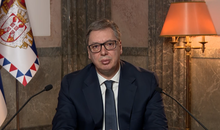
Vučić announces resignation: I will only be in office for a few more weeks
2026-06-27 19:55:13
MEPs join protest in Tirana, revolt against government enters 28th day
2026-06-27 19:15:15
Government repression of protests continues, minister threatens more 'non-grata'
2026-06-27 18:55:00
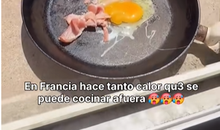
Video/ Scorching heat in France, citizen fries eggs and bacon on window
2026-06-27 18:18:29
Germany hit by record temperatures
2026-06-27 18:01:04
Foods to avoid in the heat and healthier alternatives
2026-06-27 17:28:52