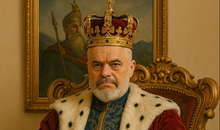
The 'Pink Book' of construction in Albania, Rama justifies himself: It is an independent initiative, I had not read De Graaf's letter!

Politiko
2026-06-28 10:42:10
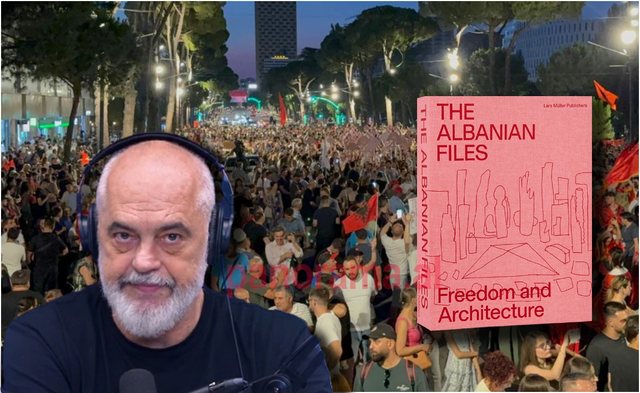
Prime Minister Edi Rama has reacted again regarding the book "The Albanian Files", a project involving 60 international architects and studios, as well as the letter from Dutch architect Reinier de Graaf.
Rama said that, according to him, an "inquisition" has been created against this publication, prompted by the climate of protests on the boulevard, emphasizing that the book is not his publication and that he had not previously seen De Graaf's letter.
"Now I don't want to talk about the book, but I want to talk about an inquisition that has begun regarding the book, an inquisition that stems from the spirit of the boulevard, where the protest that began for nature has created many other branches and one of the branches is precisely the inquisitorial branch, which persecutes, in quotation marks of course, but not because it doesn't persecute, but because it persecutes in the literal sense, with accusations, with slander, one of the most important things and groups that has happened and that has approached Albania in these 30 years, as well as the history of Albania," Rama said in his podcast "Flasim".
Speaking about the letter by Dutch architect Reinier de Graaf, which ironically mentions the idea of Rama becoming "king", the Prime Minister said that it was a personal reflection of the author.
"The letter is part of the author's personal file; even the "files" themselves are an ironic reference to an Albania that comes from a time of files, while here the files are all open to the public.
"He put it there, there is no editing, there is no censorship, and if it were a propaganda or politically controlled publication, this text would not have remained there, perhaps. I have not seen it, nor have I thought, nor have I thought to look for it, to look at the book before it was published," said Rama.
Rama: This book is called “The Albanian Files.” It is one of the most important publications to have come out in recent years in light of the architectural and urban development scene in Europe and the world.
It is a recent new publication and contains the works, projects, ideas and notes of 60 architects and studios with an undisputed international reputation, which Albania connects together throughout the pages of the book.
Now I don't want to talk about the book, but I want to talk about an inquisition that has begun regarding the book, an inquisition that stems from the spirit of the boulevard, where the protest that began for nature has created many other branches and one of the branches is precisely the inquisitorial branch, which persecutes, in quotation marks of course, but not because it doesn't persecute, but because it persecutes in the literal sense, with accusations, with slander, one of the most important things and groups that has happened and that has approached Albania in these 30 years, as well as the history of Albania.
Njerëz të cilët, thashë, e kanë bërë emrin dhe historinë e tyre në skenën e arkitekturës botërore dhe që janë mbledhur, pavarësisht nga njëri-tjetri, në Shqipëri, siç u mblodhën dikur në Neë York, në vitet ’30, duke dhënë kontribute, të cilat, ndër të tjera, do të bëjnë që ky vend dhe vajzat dhe djemtë e këtij vendi, arkitektë, arkitekte, urbanistë, urbaniste, nesër të nxjerrin nga gjiri i tyre ndonjë emër apo më shumë se një emër shqiptari apo shqiptareje që do të shkëlqejë në skenën e botës.
Sepse, ndërkohë, këtu në Shqipëri, në kryeqytet dhe jo vetëm, ne kemi universitetin më të madh dhe më prestigjioz në qiell të hapur të arkitekturës dhe zhvillimit urban, ku të gjithë profesionistët e rinj shqiptarë janë të atashuar pranë këtyre studiove dhe punojnë së bashku, mësojnë prej tyre dhe zhvillojnë talentin, dijen; rrisin, pa diskutim, ekspertizën e tyre, falë këtij bashkëpunimi.
Tani, “The Albanian Files” është vendosur në shënjestër nga inkuizicioni, se s’mund ta quaj dot intelektual, se nuk është intelektual, por nga inkuizicioni revolucionar i protestës, ndërkohë që nuk është libri im dhe nuk është një botim i kontrolluar prej meje.
Unë thjesht kam dhënë aty një kontribut me një tekst parathënës, një tekst parathënës që është, patjetër, krenari që unë, si Kryeministër i Shqipërisë, të isha i ftuar ta shkruaja dhe që, së bashku me gjithë këtë “armatë” arkitektësh dhe profesionistësh të jashtëzakonshëm, të cilët janë pedagogë në universitetet më të mira të botës, ndër të tjera; të cilët thirren për të bërë konferenca mbi arkitekturën për të rejat, për të rinjtë, për të interesuarit dhe paguhen sa qimet e kokës nëpër vende të tjera, ka ardhur si një projekt editorial tërësisht i pavarur.
Është konceptuar, është kuruar nga Anneke Abhelakh dhe, siç thashë, janë kontribute të studiove që punojnë në Shqipëri dy dekadat e fundit. Është diçka fenomenale.
Patjetër që ka gjëra të diskutueshme, patjetër që ka gjëra të debatueshme, të kritikueshme, çfarë të doni, por që t’i qepesh një botimi të tillë, njësoj si të ishte koha e Revolucionit Kulturor Kinez dhe, mbi të gjitha, pastaj të kapesh me një tekst, i cili është një tekst autoironik i një arkitekti që përfaqëson njërën prej studiove më të mëdha në historinë e arkitekturës bashkëkohore, studion “OMA”, të themeluar dhe të udhëhequr nga legjendari Rem Koolhaas, ky është kulmi.
E para, që ky tekst i vënë aty, i cili në mënyrë autoironike është një letër drejtuar meje, e cila natyrisht është një letër që mua s’më ka ardhur, se s’kishte as pse të më vinte, është shënim në dosjen e arkitektit, ku më thotë: “Pse duhet të bëhen dhe zgjedhje? Ti mund të bëhesh mbret dhe të bësh atë që bënin mbretëritë për arkitekturën…” e të tjerë, e të tjerë.
Çështje dilemash dhe problematikash që s’kanë lidhje fare me ndonjë thirrje reale për t’u bërë mbret, është kthyer kokëposhtë, por tregon që, në fakt, libri është tërësisht i lirë, i pakontrolluar.
All authors, that is, all participants, have had complete independence in their dossier. They have chosen their own projects, they have written their own texts, they have determined the reflections and materials they wanted to publish. And it is a principle that is clearly expressed in the introduction to the book, where the editor states that the autonomy of the authors has been deliberately preserved throughout the editorial process and the inclusion of Reinier de Graaf's open letter is a testament to this autonomy.
The letter is part of the author's personal file; even the "files" themselves are an ironic reference to an Albania that comes from a time of files, while here the files are all open to the public.
He put it there, there is no editing, there is no censorship, and if it were a propaganda or politically controlled publication, this text would not have remained there, perhaps.
I have neither seen it nor have I thought of looking for it, nor have I thought of looking for the book before it was published.
And what Reinier de Graaf's letter really tells us is that, first, we need to know the author. He is not only an internationally renowned architect. He is the author of books and essays on the relationship between architecture, power, capital, and politics.
He has a world-renowned ironic, satirical, paradoxical, hyperbolic style, tools that he uses in his work, but they are not linear political statements and he writes the same way, in the same way, about London, Dubai, Russia, the Soviet Union, the European Union, China; a free man.
And, once again, all of this turns into one of the many texts of accusation, of the inquisitorial accusation that is being made against me by all sorts of characters.
Latest news

Citizen "nails" Shalsi: Nikaj-Mërturi has not seen any investment from you
2026-06-28 11:19:40
62-year-old prisoner dies after being in the same cell with his son
2026-06-28 11:01:53
Albania, bonus-malus in "miniature", how do we compare with Europe
2026-06-28 10:24:39

Agricultural waste, untapped potential for the circular economy in Albania
2026-06-28 09:44:41

Tourist Albania "stuck" in traffic
2026-06-28 09:00:18
Horoscope, discover the star forecast for your sign
2026-06-28 08:40:31
Weather forecast for today, June 28, 2026
2026-06-28 08:18:30
Morning Post/ In 2 lines: What mattered yesterday in Albania
2026-06-28 08:02:47
7 phobias of people you've probably never heard of
2026-06-27 22:00:07
VAR anulon golin e Iranit, publikohen pamjet që ndezin polemika
2026-06-27 21:34:04

Protein discovered that may be linked to brain aging and memory
2026-06-27 20:45:28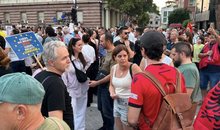
Italian MEP joins protest against Rama
2026-06-27 20:18:16
Vučić announces resignation: I will only be in office for a few more weeks
2026-06-27 19:55:13
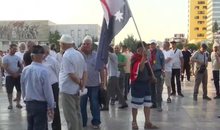
MEPs join protest in Tirana, revolt against government enters 28th day
2026-06-27 19:15:15
Government repression of protests continues, minister threatens more 'non-grata'
2026-06-27 18:55:00

Video/ Scorching heat in France, citizen fries eggs and bacon on window
2026-06-27 18:18:29
Germany hit by record temperatures
2026-06-27 18:01:04

Foods to avoid in the heat and healthier alternatives
2026-06-27 17:28:52
Coast 2026: Amidst price chaos and security alarm
2026-06-27 17:07:55
Malta seizes food shipment from Albania: No documents and no temperature control
2026-06-27 16:51:59

The teller and the monologuer
2026-06-27 16:17:23

July ends with temperatures up to 40°C, what does July bring?
2026-06-27 15:38:37

Berisha: I am against towers, I did not sign any when I was prime minister
2026-06-27 14:31:10

When will he go to the US? How did Berisha respond?
2026-06-27 13:26:59
Berisha: Rama met with Ahmadinejad several times in Iran! He should resign!
2026-06-27 12:43:33
Who paid Chris Precht for the Prime Minister's private garden?
2026-06-27 12:29:02
Italian MEP comes to Tirana, joins the “Flamingo Revolution”
2026-06-27 11:04:24

Tirana's city center wakes up without electricity, no explanation from OSSHE
2026-06-27 09:15:52
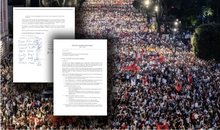
Protesters seek ambassadors' support, letter with five demands revealed
2026-06-27 08:47:48
Temperatures reach 38 degrees, as the weather forecast predicts today
2026-06-27 08:20:34
Morning Post/ In 2 lines: What mattered yesterday in Albania
2026-06-27 08:02:38
Protesters write to Western embassies: 5 non-negotiable demands
2026-06-26 23:01:49

Osman Mula on Elevate: Art has become a market, talents are leaving Albania
2026-06-26 21:13:57
Student from the protest: Rama has turned Albania into a narco-state!
2026-06-26 20:50:33
French immigrant: I'll stay here until we overthrow the last dictator in Europe
2026-06-26 20:38:15

The USA does not stop, it also aims for the 2038 World Cup edition
2026-06-26 19:41:25
The 27th protest against Rama begins, citizens gather at "Skënderbej" Square
2026-06-26 19:21:34
CEC announces final election results in Kosovo tomorrow
2026-06-26 19:03:41


Elliot Anderson set for £130m move to Manchester City
2026-06-26 17:29:57
Extreme heat wave in France, 55 people die
2026-06-26 17:10:39

Tasteful Autocrat or Mad?
2026-06-26 16:23:46
Architects must pay for this crime they are committing against Albania
2026-06-26 15:58:38
DP to convene National Council on July 1, agenda items revealed
2026-06-26 15:37:41

"The second Enver" defeated us worse than the first one!
2026-06-26 14:56:35
Bardhi on attacks on protesters: The demand is Edi Rama's resignation
2026-06-26 14:37:28
Scorching weekend, June ends with high temperatures of up to 39 degrees
2026-06-26 14:22:48
Agriculture and industry are declining, who is contributing to economic growth?
2026-06-26 14:02:38
'Karavasta Park corruption affair'/ DP: The company "Voltalia" was favored!
2026-06-26 13:45:15
Drug gang in Mykonos destroyed, led by an Albanian
2026-06-26 13:27:21
Mathematics exam grades released
2026-06-26 13:09:10
Poisoning of 64 Security Academy students, "Sori-Al" administrator questioned
2026-06-26 12:36:15



File 5D/ GJKKO releases Taulant Tushen from house arrest
2026-06-26 11:10:30
Be careful with the algorithm, but not with the causes that concern Rama
2026-06-26 10:53:16
Gunfight in Shkodra, two arrested, one wanted
2026-06-26 10:18:10

Albania is 'scorching', temperatures up to 40 degrees are predicted
2026-06-26 09:36:54
Rama's alibi falls / The phenomenon of protest tourism is born in Albania
2026-06-26 09:18:30

"The situation as a couple will not..." what the stars predict for you
2026-06-26 08:40:20
Weather forecast, how temperatures will vary throughout the day
2026-06-26 08:33:33