
 Flash News
The number of people poisoned at the Police Academy rises to 64, under investigation by "Sori-AL" and AKU
Gunfight in Shkodra, two arrested, one wanted
Albania is 'scorching', temperatures up to 40 degrees are predicted
Weather forecast, how temperatures will vary throughout the day
Bombshell on "Albanian Files"/ OMA Architect: Rama becomes king, it is easier for us to continue working
Be careful with the algorithm, but not with the causes that concern Rama

Politiko
2026-06-26 10:53:16

More than a decade ago, a researcher at an American university attempted to investigate how Facebook's algorithm works, creating an account from scratch and starting to navigate spaces typically frequented by the conservative right.
As he interacted with posts of this nature, he discovered to his horror that within a week, his Facebook wall had been filled with the most extreme posts imaginable, neo-Nazism and conspiracy theories. The same thing happens if you start sailing the other way. From social democracy you can end up in Stalinism.
The current main concern in the world is not the Facebook algorithm so much as the Instagram algorithm. For example, in the days surrounding May 9, the day of the Allied victory in Europe in World War II, Instagram Reels were filled with the most diverse possible versions of the song Katyusha. This is a Soviet propaganda song from 1938.
Its success is known in musicology as the effective use of the leitmotif, a musical fragment that repeats with slight variations and keeps the mind engaged with variations within the theme.
In the modern world it is known as catchy music and is especially used as background music for shopping malls or supermarkets. For Instagram, this is a type of music of great interest because, by keeping the listener connected for more milliseconds, it helps the company owners sell more ads.
The melodic line allows the song to be interpreted in many different ways, by a solo singer, accompanied by a choir, or by an entire orchestra. It combines the sweetness of a love song with the pathos of a military march.
Katyusha is a Soviet propaganda song. The lyrics are about a girl named Katerina, shortened to Katia, who affectionately becomes Katyusha. The lyrics are about a girl who wanders along the banks of a river while dreaming of her soldier boyfriend. In the last verse, Katyusha says to her lover: You protect the homeland, I protect our love.
The videos that accompany the endless interpretations of this song play with a wide range of visual language tools, which create syllogisms in the subconscious and speak to us through countless symbolisms to keep us glued to the screen.
In one version, men and women who have clearly been chosen to symbolize the diverse ethnic makeup of Russia appear in a shopping mall, surprised by a singer who begins to sing Katyusha with the camera focusing on the facial expressions of each of the characters in turn. [link] In another, sung in a group in a square, the camera in the last shot lifts to fixate on the cross of an Orthodox church.
Sapo kuriozohesh dhe e dëgjon një herë, algoritmi kapitalist i Instagram, i konceptuar për të të mbajtur sa më gjatë, të paraqet disa variante të kësaj kënge, njëra kënduar nga një vajzë e vogël, tjetra e kënduar nga një vajzë e rritur e shoqëruar me kor, tjetra e kënduar në vargje të lexuara në gjuhë të ndryshme, nga rusishtja në gjuhën kirkize, në bullgarisht, serbisht apo në gjuhën polake. Në një version, kënga këndohet nga pesë vajza simpatike të shtirura si fshatare me cfurqe e cape në duar.
Propaganda është tinëzare, ajo synon ta përçojë mesazhin në mënyrë sa më të pakuptueshme për viktimën.
Nëse kënga në fjalë të fikson dhe ndjek disa versione të saj, nuk duhet të çuditesh nëse, në vijim të vargut të reels të të shfaqet edhe vetë ayyyy, Vladimir Putini, me pamjen e njeriut të lodhur por të vendosur, lodhja jep mesazhin e sakrificës dhe orëve të gjata të punës, një mesazh krejt i gënjeshtërt sepse diktatori i një diktature nuk ka praktikisht asnjë punë për të bërë gjatë të gjithë ditës.
Algoritmi nuk ushqen urrejtje, siç pretendon Edi Rama. Ekzistenca e algorimit synon thjesht sa të të mbajë në Instagram, Facebook apo Tik Tok sa më gjatë. Vetëm se grupe të ndryshme, qeveri totalitare apo organizata politike, përdorin burime të mëdha për të prodhuar materiale që synojnë të mbajnë të lidhur vëmendjen e qytetarëve me atë që atyre u intereson dhe të largojnë vëmendjen e qytetarëve nga ajo çfarë atyre nuk u intereson.
Nuk është e vështirë të shohësh se Katjusha dëshiron të mbajë vëmendjen larg realitetit të luftës mizore në Ukrainë dhe ta zhvendosë te një shoqëri që duket në paqe, e lumtur.
Ka edhe raste kur qytetarëve të shqetësuar për një kauzë të drejtë, siç është rasti i të drejtave të Palestinës dhe të palestinezëve, algoritmi, krahas materialeve joekstreme, t’u shfaqë materiale dizinformuese, të cilat, ne mund të hamendësojmë se kanë origjinë nga Irani, por vetëm mund të hamendësojmë sepse nuk kemi nga ta dimë. Dizinformimi synon para së gjithash të kapë njerëzit pa mendje. Kështu që fushata dizinformuese që hamendësimi të çon të mendosh se kanë origjinë nga Irani, mund të kenë origjinë tjetër.
Një nga këto fushata dizinformuese që qarkullon aktualisht është supozimi se hebrenjtë “po e blejnë Qipron”. Ashtu si edhe dizinformimi tjetër që sugjeron se pas projektit të Zvërnecit janë hebrenjtë që po përpiqen të blejnë Shqipërinë. Dizinformime të tjera të ngjashme: Turqit po blejnë Thrakinë, krahinën greke në kufi me Turqinë. Arabët po blejnë Bosnjën, etj.
Qeveritë në të gjithë botën po bëhen pjesë e rëndësishme e portofolit të reklamave ose të materialeve propagandistike të shpërndara në mediat sociale. Disa qeveri promovojnë turizmin, disa të tjera, si kjo e jona, maskojnë propagandën qeveritare duke e paraqitur si promovim turizmi. Në një rast ekstrem para disa vitesh, blogu i një turisteje suedeze u promovua për t’u shfaqur te përdoruesit shqiptarë të Facebook.
The government pays the so-called “independent” media or irrelevant blogs around the world to produce advertising materials for tourism, which are shown every evening on the news here in Tirana to surprise us. Some foreign media became fascinated with Albania again. Naturally, the government has the legitimate right to promote Albanian tourism to tourists, local or foreign. But no one can be fooled by the propaganda of recent years, where tourism advertisements want to convey the message: live in a happy country! Don't worry about corruption and misgovernment! Don't see garbage everywhere! Enough with these curated images of beaches, nature and greenery.
Like the disinformation campaigns with Jewish conspiracies against the world, this also falls into the category of a disinformation campaign: instead of asking how the country is being governed, and whether or not public procurement processes are manipulated, we are consuming pleasant views of nature or beaches, views curated to not show the ugliness of concrete.
All of this is not a major concern for democracy. The people who see it constitute a small part of society. Such disinformation penetrates into societies that, like ours, do not have the necessary countermeasures, in the form of logical reasoning, with which citizens are normally provided by the country's educational system, because today's educational system, just like politics and economics, being a continuation of the communist regime, needs to be reformed, to move from lessons that teach the citizen to be passive and to see the state as a master or father, to a society where the citizen sees the state as a common organization at the service of all, the product of everyone's contribution.
Citizens do well to recognize the point when the algorithm is bombarding them excessively with what constitutes their current interest, whether this interest is a political issue or a non-political issue, such as sports, online purchases of unnecessary goods, excessive consumption of media or political information. /BIRN
Latest news



File 5D/ GJKKO releases Taulant Tushen from house arrest
2026-06-26 11:10:30
Be careful with the algorithm, but not with the causes that concern Rama
2026-06-26 10:53:16

Gunfight in Shkodra, two arrested, one wanted
2026-06-26 10:18:10

Albania is 'scorching', temperatures up to 40 degrees are predicted
2026-06-26 09:36:54
Rama's alibi falls / The phenomenon of protest tourism is born in Albania
2026-06-26 09:18:30

"The situation as a couple will not..." what the stars predict for you
2026-06-26 08:40:20
Weather forecast, how temperatures will vary throughout the day
2026-06-26 08:33:33

Morning Post/ In 2 lines: What mattered yesterday in Albania
2026-06-26 07:56:32

Why will Paraguay be one of the host cities for the 2030 World Cup?
2026-06-25 22:36:05
"Rama ik" invades the boulevard, drone footage shows the scale of the protest
2026-06-25 22:17:00


Protester: I came from London, let's give Rama the final blow!
2026-06-25 20:35:52
Citizens repeat 5 demands to the Prime Minister: We want a technical government
2026-06-25 20:14:30



Erotic messages during official hours, ILD demands dismissal of KLP member
2026-06-25 18:48:58

RSF: Journalists in Albania under pressure, government not keeping promises
2026-06-25 17:58:24


International academics support mass protests in Albania
2026-06-25 16:48:29


Kosovo not invited to NATO Summit, Ministry of Defense explains reasons
2026-06-25 16:10:01
Rama announced it
2026-06-25 15:56:19
Tiranë/ Grabitën banesën nën kërcënimin e armës, dy të arrestuar,
2026-06-25 15:47:50
Vala e të nxehtit dhe alkooli , një kombinim i keq për shëndetin
2026-06-25 15:36:35
What's happening with the Bënja baths, from curative to ponds
2026-06-25 15:22:25
They abused economic aid funds, security measures are given to 6 state employees
2026-06-25 15:05:51


Doctors sound the alarm: 4 kitchen items you should replace as soon as possible
2026-06-25 14:25:03

He stabbed his brother to death, the perpetrator was arrested in Kavaja
2026-06-25 14:00:36
Is the heat wave giving you 'mental fog'?
2026-06-25 13:53:08
Iran demands accountability for NATO's "complicity" in war
2026-06-25 13:35:13
Bardhi: Refusal of debates, violation of the Assembly's regulations
2026-06-25 13:21:57
Two powerful earthquakes hit Venezuela, at least 164 dead and hundreds injured
2026-06-25 13:12:19
Domestic production loses ground, economy increases dependence on imports
2026-06-25 13:00:16
SP rejects protesters' demands, rejects DP's request for a motion with debate
2026-06-25 12:48:15
The only beach in Europe that separates men from women with a wall
2026-06-25 12:31:17

Business Index: Corruption undermines investment confidence in Albania
2026-06-25 12:10:40
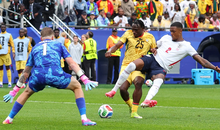
World Cup 2026: The picture of the 1/16 is formed, here are the qualified teams
2026-06-25 11:42:01

Accident near Milot Bridge, 4 injured, one in serious condition
2026-06-25 11:16:53
EU proposes tax reform to cut business costs by €8 billion a year
2026-06-25 10:50:06
Disregard for environmental protection hurts Albania's hopes for EU membership
2026-06-25 10:25:06

Details from the crime in Kavaja, how a brother killed his brother over a road
2026-06-25 10:01:42
German MEP joins protest against Rama: Money and power do not buy every beach
2026-06-25 09:52:02


Quarrel in Sukth, uncle stabs nephew
2026-06-25 09:09:44
Rama's fictional world, in front of human reality
2026-06-25 09:07:48
Foreign exchange, how much foreign currencies are sold and bought today
2026-06-25 08:54:17
Scandal repeats! 30 Security Academy trainees poisoned again
2026-06-25 08:39:10

Horoscope, what do the stars have in store for you today?
2026-06-25 08:12:17
Stable conditions, high temperatures expected
2026-06-25 07:58:55
Posta e mëngjesit/ Me 2 rreshta: Çfarë pati rëndësi dje në Shqipëri
2026-06-25 07:44:30


Thousands of citizens march through Tirana: Arrest Balluk!
2026-06-24 22:20:14
Family crime, 76-year-old man stabs his brother to death in Kavaja
2026-06-24 22:01:36





"Albanian Files", The Prime Minister between the Emperor and the Gangster!
2026-06-24 20:00:10
Rain does not deter protesters, they gather at "Skënderbej" Square
2026-06-24 19:33:28
Xhaka and Switzerland face a big test, group tickets are decided today
2026-06-24 19:13:01

A Dictator for Gen Z
2026-06-24 18:31:17


Amid protests in Tirana, Rama seeks "culprits" even within his own ranks
2026-06-24 17:29:04
The decisive match between Scotland and Brazil risks being postponed
2026-06-24 17:06:14
Tragedy in Italy, 63-year-old man kills wife and 24-year-old son with shotgun
2026-06-24 16:46:50