 Flash News
A Dictator for Gen Z
Berisha calls on internationals: Investigate Rama's 'Dossier', they will uncover the most monstrous network of drug traffickers
Rama "threatens" mayors: I have information that you are coming to Tirana, this must end
From silence to mobilization: how did the socialists "wake up" after Rama's rebuke?
Quarrel in Vlora, Ukrainian woman denounces Albanian couple: They beat us because of the dog
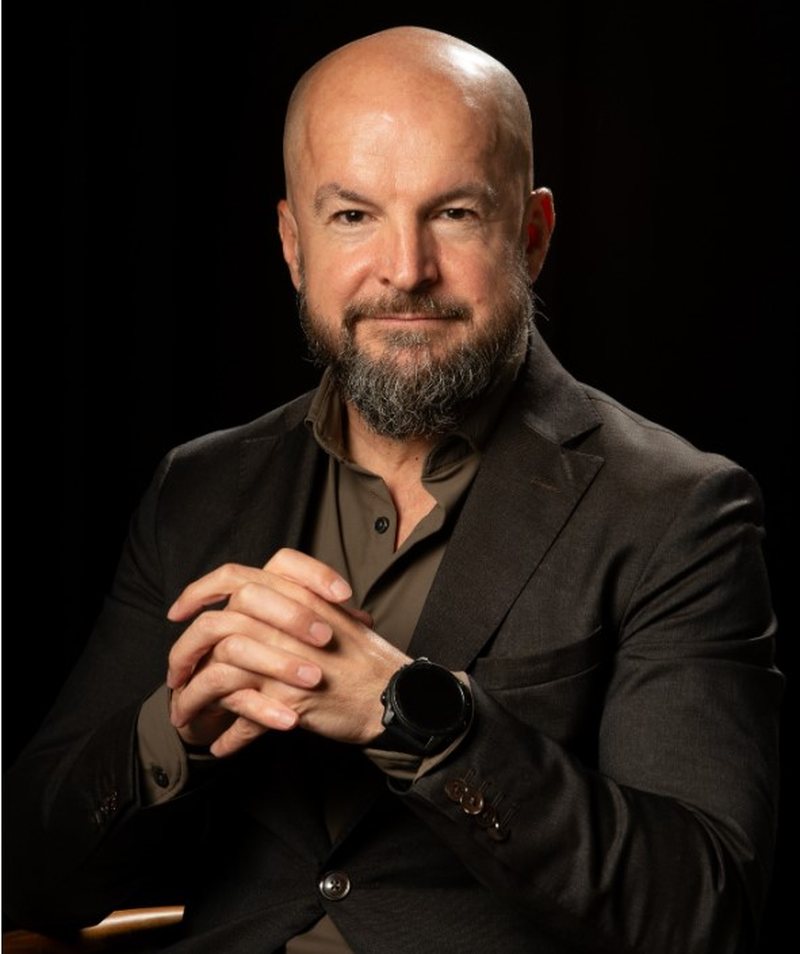
Alfred Lela
"Edi Rama is not corrupt," declared today a Kosovar Albanian, recently repackaged in Tirana, for urgent needs, as a political analyst. Kosovars know a thing or two about corruption: they are almost universally opposed to Albin Kurti, the one Albanian politician who can be accused of many things — except corruption.
Thus, they support Rama because he is supposedly not corrupt, while opposing Kurti because, apparently, they wish he were. A joke in itself: oppositionists in Pristina, government loyalists in Tirana. As the saying goes, no one is a prophet in his own village.
They are endlessly amusing: like the King's musketeers, defending a monarch who, to be fair, never lacks enemies, real or imagined, from within and without. Even from Kosovo, where not a few regard them as a threat themselves, though perhaps they are merely harbingers of bad luck.
Then there is the jack-of-all-trades politician, the type who, lacking any particular talent that distinguishes him, becomes a tin-plated middleman, playing the strongman, the intellectual, and the manager all at once. Such a figure can hardly avoid becoming an imitator. He ends up doing exactly what Edi does.
Rama transformed the "Photo of the Day" into the "Message of the Day" — essentially the same thing with a minor variation. Once, he sent us carefully staged images of Albania he had supposedly fixed. Now he circulates messages of sympathy addressed to himself, from an imaginary people designed to replace the real people who gather every night on the Boulevard to protest against him.
The formula is simple. He tells them, in effect, "I salute your mothers!" and they answer, "Charge ahead, father!" What can you do? Rama's followers are a people who love their Tsar — or rather, their King.
The burden of misunderstanding the protest movement has aged the Leader. In appearance, but especially in communication.
Once, he created the memes himself, the nostalgic reminiscences, the irony, the podcasts, the vlogs, the Photos of the Day, the grand proposals, the concerts, the symbolic kneelings, and everything else. For three weeks now, the protests have been doing all of that better than he can. They have deprived him even of the one thing he truly mastered: dismissing the people while inventing a new, managed people in their place. While doing so, he found time to paint and write progressive incantations.
Every night, the protesters compose a new angle from which Rama is forced to see in himself what he always hated in others. The many stage managers who once held up flattering mirrors before him can no longer shield him. He hates that crowd with a passion, perhaps because it reminds him, however faintly, of who he once was — a man with youth ahead of him and a future to pursue.
Now he is a tired man, exhausted by the collapse of the illusion that neither Albania nor the Albanian people can do without him.
Not only that. They want him out even if no clear alternative is waiting in the wings.
His old gesture — "I may no longer be the best, but there is no one better than me" — now hangs awkwardly in the air. Just as an actor often struggles to know what to do with his hands on stage, Rama no longer knows what to do with his finger.
A finger, after all, can only meet the fate of a finger. You may point it at others for a long time, but eventually, accumulated anger multiplies into thousands of fingers pointing back.
And now Edi stands exposed. He can no longer hide behind the finger.
His latest humiliation is the invention of mysterious conspiracies and foreign agents allegedly plotting his downfall. Enver Hoxha tormented Albania for forty years with precisely this obsession.
That is why Rama looks older than ever.
The man who once mocked paranoia has become its vessel.
An Enver facing Gen Z.
Latest news

Rain does not deter protesters, they gather at "Skënderbej" Square
2026-06-24 19:33:28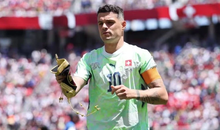
Xhaka and Switzerland face a big test, group tickets are decided today
2026-06-24 19:13:01
A Dictator for Gen Z
2026-06-24 18:31:17
Amid protests in Tirana, Rama seeks "culprits" even within his own ranks
2026-06-24 17:29:04
The decisive match between Scotland and Brazil risks being postponed
2026-06-24 17:06:14
Tragedy in Italy, 63-year-old man kills wife and 24-year-old son with shotgun
2026-06-24 16:46:50

Albania ranks among countries with low gold reserves
2026-06-24 16:02:38
Accident on the Fier-Seman axis, two drivers injured
2026-06-24 15:27:24

US extends national emergency for Western Balkans
2026-06-24 14:45:41
Cllevio in GJKKO: Laert Haxhiu is my childhood friend
2026-06-24 14:30:33
From free pools to cool-down spots: How Europe is adapting to historic heatwave
2026-06-24 14:22:48

Elon Musk temporarily loses his trillionaire crown
2026-06-24 13:57:52
"Messages of the Day", everyone writes to Taulant Balla...
2026-06-24 13:45:12
The director of the Port of Saranda resigns, here's who will replace him
2026-06-24 13:20:55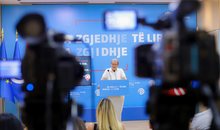
Protesters' demands, Berisha: DP supports limiting the prime minister's mandate
2026-06-24 13:12:05

What should you eat during a heat wave?
2026-06-24 12:43:59

France on fire from extreme heat, Europe braces for peak
2026-06-24 12:15:51

The 4 zodiac signs that tend to complain the most, according to astrology
2026-06-24 11:54:11

"Enough, stop talking"/ Clashes at the GJKKO between Meta and Kryemadhi
2026-06-24 11:32:25

He stabbed his neighbor in Rrogozhina, the 27-year-old is left in prison
2026-06-24 10:58:52


The moment that went viral, Ronaldo ignores the question about Messi
2026-06-24 10:27:44
High temperatures, doctors appeal to citizens: Avoid going out during rush hours
2026-06-24 10:18:37

Men or women, who earned more in 2025, salaries for 36 professions
2026-06-24 09:46:36

World Cup 2026/ Croatia takes three golden points, England disappoints
2026-06-24 09:21:57

BIRN: Rama's rhetoric against regional Albanians criticized as divisive
2026-06-24 09:01:01
Truck collides with vehicle on Lezhë-Milot road, one dead and two injured
2026-06-24 08:52:27

Horoscope, what do the stars have in store for you today?
2026-06-24 08:14:21
Temperatures up to 33 degrees, weather forecast for today
2026-06-24 08:00:33
Morning Post/ In 2 lines: What mattered yesterday in Albania
2026-06-24 07:46:05



Tourists join protest: We are not afraid, you are wonderful
2026-06-23 21:11:35
Protester: On July 4th, the diaspora will be here with us in the square
2026-06-23 20:45:34
Ronaldo sets historic World Cup record
2026-06-23 20:25:50
Former OSCE Deputy Ambassador in Tirana joins protest for Edi Rama's resignation
2026-06-23 20:07:37

Day 24 of the protest, I came from America, thousands will come!
2026-06-23 19:31:29
Librazhd-Prrenjas road blocked again
2026-06-23 19:16:06

Equality before the law: the deputy and the guardian
2026-06-23 18:10:28
Modric makes history, plays 200th match with Croatia tonight against Panama
2026-06-23 17:50:24
Accident in Gjirokastra, a tourist van collides, two injured
2026-06-23 17:29:07
Tonight England-Ghana for first place in the group, Croatia also on the field
2026-06-23 17:08:42


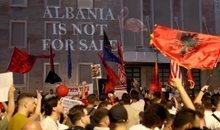
How did an investment turn into an anti-corruption movement in Albania?
2026-06-23 16:00:13
Italy seizes two billion euros in assets of Russian oligarchs
2026-06-23 15:36:38
The painter builds an Albania where there will be no place for Albanians!
2026-06-23 15:20:27

Fresh, elegant and bold: the color that is challenging summer
2026-06-23 14:45:21
Ylli Zalla escapes from RENEA, another pistol is found in her apartment
2026-06-23 14:36:22
He who curses his people in English
2026-06-23 14:17:17
The 2026 World Cup takes over the screens, breaking viewership records
2026-06-23 13:59:22
Heatwave hits France, at least 40 dead
2026-06-23 13:40:48
The first thing women see in a man
2026-06-23 13:30:03
Accident in Fier-Vlora, three injured near Mifoli
2026-06-23 13:17:05




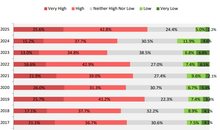
Business perception of corruption reaches historic high in AmCham Index
2026-06-23 12:20:36
Tabaku: Corruption and lack of competition are holding back the Albanian economy
2026-06-23 12:10:20
Spiropali mocks Rama: Lightning bolts, algorithmic control and lewd language
2026-06-23 12:00:54