
 Flash News
Koçek reveals behind-the-scenes details of his departure: Some SP colleagues secretly supported me
It is suspected that 3 million euros were stolen, the director of the Post Office in Durrës is dismissed
Why did the Bank of Albania revoke the licenses of 80 foreign exchange offices?
Arson cases, 29 people arrested and prosecuted in June and July
Another former socialist mayor under indictment, SPAK takes Fredi Kokonesh as defendant
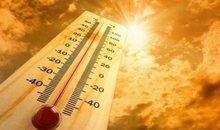
High temperatures and physical activity, how to exercise without risking your health

Politiko
2026-06-24 09:30:33
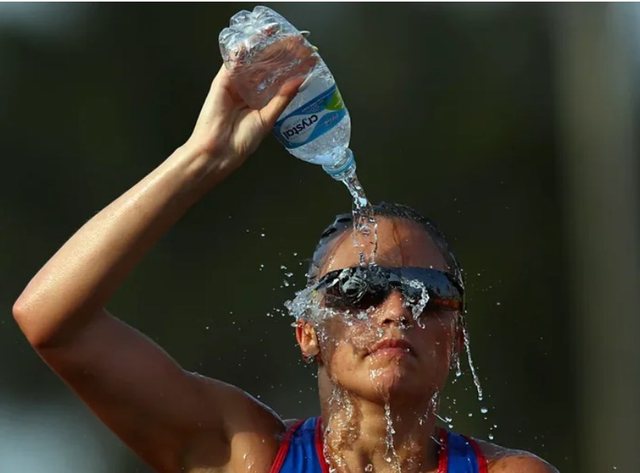
The continued rise in global temperatures, linked to climate change and phenomena such as El Niño, is bringing new challenges to human health. Scientists warn that extreme heat can affect not only daily well-being but also physical activity levels, with long-term consequences for public health.
According to experts, physical exercise in high temperatures becomes more difficult and in some cases even dangerous. Activities such as running, walking or cycling in the heat increase the risk of fatigue, dehydration and, in extreme situations, heat stroke.
Researchers explain that during physical activity, the body produces heat and tries to remove it through sweating and increased blood flow to the skin. However, this creates an additional burden on the body, as the same blood is also needed to supply the muscles with oxygen. As a result, fatigue and stress on the heart increase.
A recent study warns that reduced physical activity due to high temperatures could have serious consequences. According to predictions, by 2050 this could be linked to 470,000 to 700,000 premature deaths per year worldwide.
To maintain physical activity even during hot days, experts recommend:
Exercising during the cooler hours of the day, early in the morning or evening;
Avoiding direct exposure to the sun and choosing shaded areas, where temperatures can be 12-15 degrees Celsius lower;
Taking into account humidity and wind, as high humidity reduces the effectiveness of sweating and increases thermal stress;
Reducing the intensity and duration of exercise, as well as taking frequent breaks during activity;
Cooling the body during breaks with cold water, fans or air-conditioned environments;
Using cooling methods before exercise, such as consuming ice water or lowering body temperature beforehand;
Gradual acclimatization to high temperatures, a process that usually takes 7 to 14 days.
Scientists emphasize that exercising in hot conditions is not necessarily dangerous, but rising temperatures are making it increasingly difficult to maintain a regular physical routine.
In conclusion, experts warn that lack of heat adaptation and reduced physical activity could have significant consequences for public health in the decades to come.
Latest news

Detoured twice, how the London-Tirana flight turned into a 12-hour nightmare
2026-07-14 14:14:18


The absolute loneliness of women who are "reborn"
2026-07-14 13:40:06
Why are healthy young non-smokers developing lung cancer?
2026-07-14 13:26:53
Why did the Bank of Albania revoke the licenses of 80 foreign exchange offices?
2026-07-14 13:14:00
Arson cases, 29 people arrested and prosecuted in June and July
2026-07-14 13:05:16

Accident at Liqeni i Thatë, young man on motorbike is hit by a vehicle
2026-07-14 12:45:43
INSTAT: Albanian women are aging faster than men, median age exceeds 45 years
2026-07-14 12:21:00



"Get out", Gjiknuri and Manja clash over the draft law on agricultural lands
2026-07-14 11:24:00
Injuring of 22-year-old in Fushë-Krujë, perpetrator arrested
2026-07-14 10:55:08
A pine forest area in Vlora is engulfed in flames, several homes are at risk
2026-07-14 10:28:04
World Cup turns into nightmare for Senegal, sexual harassment allegations raised
2026-07-14 10:20:12



Speaking multiple languages can keep your brain up to 13 years younger
2026-07-14 09:35:11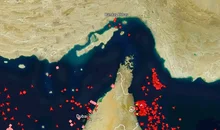
Strait of Hormuz becomes key battleground again, oil prices rise
2026-07-14 09:20:09

73.4% of Albanians' out-of-pocket health expenses go to medicines
2026-07-14 09:02:28
Over 10,000 dead from extreme heat wave in Europe, elderly most affected
2026-07-14 08:59:36

Foreign exchange, the rate at which foreign currencies are sold and bought
2026-07-14 08:24:50
The ten challenges Spain must win to eliminate France and Mbappé
2026-07-14 08:04:02


Morning Post/ In 2 lines: What mattered yesterday in Albania
2026-07-14 07:00:35
Ukraine strengthens air defense, Macron announces deal for 16 Rafale jets
2026-07-13 22:26:00
Shkullaku: Qeveria përdori koncertin e Kanye West për të eklipsuar protestën
2026-07-13 22:11:36
Conflict between young people in Fushë-Krujë, 22-year-old injured with knife
2026-07-13 21:47:26




Haaland, the phenomenon of the 2026 World Cup
2026-07-13 20:19:12
Citizens take to the streets again, protest enters 44th day
2026-07-13 20:01:25
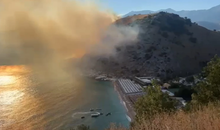
Large fire in Himara, flames engulf the hills of the Llaman area
2026-07-13 19:28:11


Dutch referee dies, weeks after being banned from 2026 World Cup
2026-07-13 18:22:39

What professions make people the happiest?
2026-07-13 17:51:54



Brazil still in crisis, fans attack Federation after motivational video
2026-07-13 16:42:07
The Special Court returns the file against former mayor Elvis Roshi to SPAK
2026-07-13 16:22:11
IDC-CDI meets in Brussels, Berisha participates as Vice President
2026-07-13 16:05:10
"Washington Examiner": Anger against Rama's enrichment has reached its peak
2026-07-13 14:28:00
Here are the years of imprisonment requested for Monika's mother
2026-07-13 14:09:46
EU appoints German diplomat as new special envoy for Kosovo
2026-07-13 13:55:29


Property alienation in Durrës/ Court confirms security measures for suspects
2026-07-13 13:25:00
70 people with poisoning symptoms in Pristina, 22 hospitalized
2026-07-13 13:16:00

Erkin Lika's lifeless body found after falling into Mat River sinkhole
2026-07-13 12:32:00
Over 500 babies named after Haaland after World Cup matches
2026-07-13 12:28:00
18 arrested in Spain, who is the Albanian known as 'Daci'?
2026-07-13 12:22:00

4.2 million euros for Kanye West, DP reports Rama and Gonxha to SPAK
2026-07-13 11:27:03



Heatwave hits Germany, over 5,400 heat-related deaths
2026-07-10 10:45:33

Land in "foreign hands"
2026-07-10 10:26:15

Mbappe the hero of France, the "Roosters" knock out Morocco in the quarterfinals
2026-07-10 09:54:33
Durrës/ 40-year-old man stabs his wife
2026-07-10 09:48:03



How much could the amount of drug money in the Albanian economy be?!
2026-07-10 09:08:34
Government reduces funds for farmers, increases ADF by 75 million euros
2026-07-10 08:55:46
Horoscope, get to know the star forecast
2026-07-10 08:32:54


Morning Post/ In 2 lines: What mattered yesterday in Albania
2026-07-10 07:52:04
A person was shot dead in Kurbin, first details
2026-07-09 22:54:48