
 Flash News
Temperatures reach 38 degrees, as the weather forecast predicts today
Protesters write to Western embassies: 5 non-negotiable demands
CEC announces final election results in Kosovo tomorrow
Mathematics exam grades released
The number of people poisoned at the Police Academy rises to 64, under investigation by "Sori-AL" and AKU
“Girls of the 'Flamingo Revolution'”, BIRN: From the podium to backstage, dozens of women and young people have taken on key roles

Politiko
2026-06-27 14:07:55

On Wednesday evening, after a torrential rain that lasted several hours, Sidorela Vatnikaj descends from the makeshift podium in front of the Prime Minister's Office and hugs the protesters nearby.
The activist just read through a megaphone the protest's demands for the resignation of Prime Minister Edi Rama and the annulment of the legal framework that favors construction in protected areas.
Vatnikaj still retains a dose of astonishment at how a regular protest turned into the largest movement the country has seen since the early 1990s.
She says that after the May 30th incident in Zvërnec, where a protester was dragged away by private security guards, she talked with other activist friends and decided to protest the next day in front of the Police Directorate in Tirana.
Expectations were initially low, and Vatnikaj recalls expecting the usual turnout of a few dozen people. But within minutes, organizers saw a large crowd of protesters chanting "resign."
“The crowd that was usually led by activists was now leading itself,” Vatnikaj recalled to BIRN.
"From that moment on, the civic revolt accumulated over three decades became like a river that could neither be controlled nor organized, but that was building new beds of political discourse for a new Albania, without autocrats, without oligarchs, without sold-out media, and without international legitimacy," she added.
The marathon protest that has become known as the “Flamingo Revolution” has no leader or leading party. It is being kept alive by thousands of people gathering every night on the boulevard and a network of coordinating activists – where girls and women activists play an increasingly prominent role.
Luçiana Kokaj was also at her home in Rrjoll, Shkodra when she saw on social media what was happening in Zvërnec and drew parallels with what was happening in her area, where for many weeks she and the residents of the area had been protesting to protect the right to their land, on which the construction of a tourist resort has begun.
Returning from Italy three months ago to protest for the land of her ancestors, Kokaj realized that this was not just a battle for Zvërnec or Rrjoll, but for the rights of citizens in the face of the arrogance of power.
"I had experienced firsthand what happened in Zvërnec, seeing relatives who were beaten during the protest; I knew that the State Police does not function to protect citizens," says Luçiana Kokaj, also surprised at first by the gathering of thousands of citizens.
“Normalisht, duke qenë që ishim të parët na ngeli si detyrë të siguronim mikrofonin, të gjenim ujë, të nxirrnim lejet për çdo protestë,” shtoi Kokaj, duke theksuar se vajzat që morën iniciativën kanë bërë një punë fantastike, së bashku me djemtë dhe burrat organizatorë.
Ky është edhe revolucioni i grave
Kur më shumë se një shekull më parë gratë dolën në rrugë për të kërkuar të drejtën e votës, ato nuk po luftonin vetëm për një të drejtë politike, por po ndryshonin mënyrën se si konceptohej pjesëmarrja qytetare në jetën politike. Që prej asaj kohe, prania e grave është bërë një nga treguesit më të fortë të lëvizjeve shoqërore.
Edhe protesta e muajit të fundit në Shqipëri po ndjek këtë trajektore, me gra e vajza që jo vetëm mbushin sheshet, por ndikojnë në tonin, organizimin dhe mesazhin e saj publik dhe po ashtu në emancipimin e vetë shoqërisë.
Sidorela Vatnikaj beson se përfshirja e vajzave e grave në vijë të parë, në ligjërim dhe përballje, jo vetëm po shkatërron një sistem të vjetër autokratik, por po prodhon një imagjinatë të re politike dhe po emancipon të gjithë shoqërinë.
Edhe Luçiana Kokaj mendon njësoj, ndërsa thekson se gratë dhe vajzat janë zëri, energjia dhe forca e protestës, por edhe imazhi paqësor dhe tërheqës i saj.
“Në protestën në Rrjoll, në fillim ishin burrat, por ama ditën që gratë janë përfshirë në të ka marrë tjetër prezantim, tjetër faqe, pasi gratë e ngritën zërin shumë fort,” kujton Koka, ndërsa shton: “por kur erdhi momenti dinin dhe ta zbusnin”.
“Të gjitha ato vajza të reja, gra me fëmijë e gjyshe që vijnë aty, po ashtu ato vajzat blogere që i japin jehonë protestës, janë energjia dhe forca, janë trimëresha dhe të zgjuara,” shtoi më tej ajo.
Për Entela Spahivoglin – një tjetër organizatore që iu bashkua protestës në Tiranë pas aktivizmit të saj në Durrës kundër projektit TID, prania e kaq shumë grave dhe vajzave duhet të shihet si një gjë normale.
“Ato janë aty bashkë me bashkëshortët, djemtë, vëllezërit, prindërit dhe miqtë e tyre. Kjo nuk është një protestë e grave apo e burrave. Është një protestë e qytetarëve. Forca e saj qëndron pikërisht te fakti që jemi të gjithë bashkë,” thekson ajo.
“Ne shkojmë me rrjedhën”
Kryeministri Edi Rama nuk i është përgjigjur kërkesave të protestuesve, ndërsa ka targetuar me sulme personale disa prej tyre. Njëra prej tyre është Entela Spahivogli, një aktiviste kundër projektit TID në Durrës, projekt për të cilin qytetarët protestojnë veçanërisht për shkak të vlerës së ulët të kompensimit të ofruar, vlerë që i nxjerr ata praktikisht të pastrehë.
Rama postoi në rrjetet e tij sociale fotografinë e Spahivoglit duke folur në protestë dhe e akuzoi atë si autore për ndërtim pa leje në zonën ku janë gjurmët e projektit TID. Por aktivistja iu përgjigj duke treguar se ndërtesa në fjalë i përket vitit 1941, gjë që mbështetet dhe nga pamje filmike arkivore të vitit 1966 që e tregonin ndërtesën në formën që ka sot.
Spahivogli i tha BIRN se ky ishte “një sulm personal nga Kryeministri për të më dekurajuar”.
The prime minister's attacks are not the only pressures the group of coordinators has to face.
“There is pressure from all sides, yes there is pressure on us as organizers to speak, but we try to keep it as inclusive as possible so that citizens can speak,” Spahivogli said. She says she finds strength in her belief in the truth – which makes her more powerful than those in power.
The lives of these girls and women, who are simultaneously on the podium and in the protest's aftermath, are connected to being in touch at every moment with what is happening in the square, and when they leave the square with what is happening online, the organizations for the next day, interviews in the media, or announcements on social networks.
The organization usually begins with a morning meeting at 9 am and ends at 1 am, when there is also a reflection on what can be done better.
To be present at everything that happens, Kokaj has left her young son in the care of her mother in Velipojë and together with her husband are living in a rented apartment in Tirana. Kokaj says, however, that it is the people in the square who are protesting.
"We go with the flow, because it is unmanageable, without structure, free, and you cannot manage all the citizens," she emphasized.
For Sidorela Vatnikaj, the role she took on in this protest came naturally as part of her previous activism.
“For me, it is 'revolutionary' to see my entire family at the protest, from which I once secretly fled to protest,” says Vatnikaj, adding: “their concern at the time has been replaced with resistance and a will for change.” Reporter.al
Latest news



Berisha: I am against towers, I did not sign any when I was prime minister
2026-06-27 14:31:10
When will he go to the US? How did Berisha respond?
2026-06-27 13:26:59
Berisha: Rama met with Ahmadinejad several times in Iran! He should resign!
2026-06-27 12:43:33
Who paid Chris Precht for the Prime Minister's private garden?
2026-06-27 12:29:02

Italian MEP comes to Tirana, joins the “Flamingo Revolution”
2026-06-27 11:04:24




Tirana's city center wakes up without electricity, no explanation from OSSHE
2026-06-27 09:15:52

Protesters seek ambassadors' support, letter with five demands revealed
2026-06-27 08:47:48
Temperatures reach 38 degrees, as the weather forecast predicts today
2026-06-27 08:20:34
Morning Post/ In 2 lines: What mattered yesterday in Albania
2026-06-27 08:02:38
Protesters write to Western embassies: 5 non-negotiable demands
2026-06-26 23:01:49

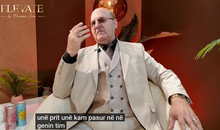
Osman Mula on Elevate: Art has become a market, talents are leaving Albania
2026-06-26 21:13:57
Student from the protest: Rama has turned Albania into a narco-state!
2026-06-26 20:50:33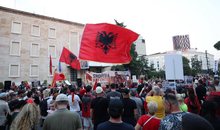
French immigrant: I'll stay here until we overthrow the last dictator in Europe
2026-06-26 20:38:15

The USA does not stop, it also aims for the 2038 World Cup edition
2026-06-26 19:41:25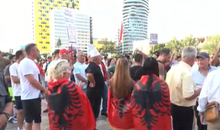
The 27th protest against Rama begins, citizens gather at "Skënderbej" Square
2026-06-26 19:21:34
CEC announces final election results in Kosovo tomorrow
2026-06-26 19:03:41


Elliot Anderson set for £130m move to Manchester City
2026-06-26 17:29:57
Extreme heat wave in France, 55 people die
2026-06-26 17:10:39

Tasteful Autocrat or Mad?
2026-06-26 16:23:46
Architects must pay for this crime they are committing against Albania
2026-06-26 15:58:38
DP to convene National Council on July 1, agenda items revealed
2026-06-26 15:37:41
"The second Enver" defeated us worse than the first one!
2026-06-26 14:56:35
Bardhi on attacks on protesters: The demand is Edi Rama's resignation
2026-06-26 14:37:28
Scorching weekend, June ends with high temperatures of up to 39 degrees
2026-06-26 14:22:48
Agriculture and industry are declining, who is contributing to economic growth?
2026-06-26 14:02:38
'Karavasta Park corruption affair'/ DP: The company "Voltalia" was favored!
2026-06-26 13:45:15
Drug gang in Mykonos destroyed, led by an Albanian
2026-06-26 13:27:21
Mathematics exam grades released
2026-06-26 13:09:10
Poisoning of 64 Security Academy students, "Sori-Al" administrator questioned
2026-06-26 12:36:15



File 5D/ GJKKO releases Taulant Tushen from house arrest
2026-06-26 11:10:30
Be careful with the algorithm, but not with the causes that concern Rama
2026-06-26 10:53:16

Gunfight in Shkodra, two arrested, one wanted
2026-06-26 10:18:10

Albania is 'scorching', temperatures up to 40 degrees are predicted
2026-06-26 09:36:54
Rama's alibi falls / The phenomenon of protest tourism is born in Albania
2026-06-26 09:18:30

"The situation as a couple will not..." what the stars predict for you
2026-06-26 08:40:20
Weather forecast, how temperatures will vary throughout the day
2026-06-26 08:33:33

Morning Post/ In 2 lines: What mattered yesterday in Albania
2026-06-26 07:56:32

Why will Paraguay be one of the host cities for the 2030 World Cup?
2026-06-25 22:36:05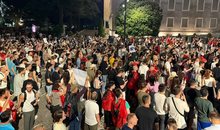
"Rama ik" invades the boulevard, drone footage shows the scale of the protest
2026-06-25 22:17:00


Protester: I came from London, let's give Rama the final blow!
2026-06-25 20:35:52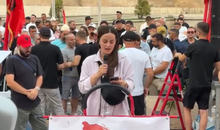
Citizens repeat 5 demands to the Prime Minister: We want a technical government
2026-06-25 20:14:30



Erotic messages during official hours, ILD demands dismissal of KLP member
2026-06-25 18:48:58

RSF: Journalists in Albania under pressure, government not keeping promises
2026-06-25 17:58:24


International academics support mass protests in Albania
2026-06-25 16:48:29


Kosovo not invited to NATO Summit, Ministry of Defense explains reasons
2026-06-25 16:10:01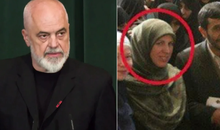
Rama announced it
2026-06-25 15:56:19
Tiranë/ Grabitën banesën nën kërcënimin e armës, dy të arrestuar,
2026-06-25 15:47:50
Vala e të nxehtit dhe alkooli , një kombinim i keq për shëndetin
2026-06-25 15:36:35
What's happening with the Bënja baths, from curative to ponds
2026-06-25 15:22:25
They abused economic aid funds, security measures are given to 6 state employees
2026-06-25 15:05:51


Doctors sound the alarm: 4 kitchen items you should replace as soon as possible
2026-06-25 14:25:03

He stabbed his brother to death, the perpetrator was arrested in Kavaja
2026-06-25 14:00:36