
Agricultural waste, untapped potential for the circular economy in Albania

Politiko
2026-06-28 09:44:41
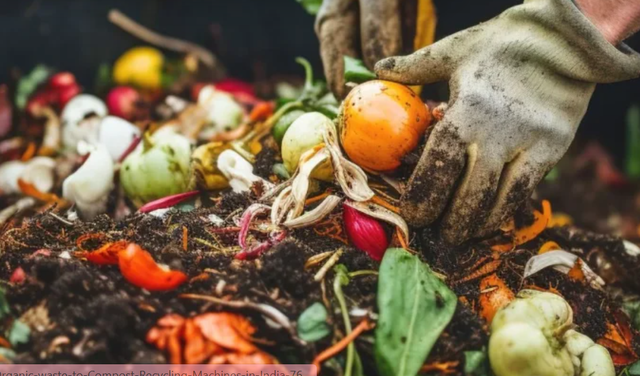
Albania still has great scope to turn agricultural waste into an economic resource, through bioenergy, recyclable materials, and new products for industry.
The Regional Cooperation Council report "On the potential of advanced and green technologies in the Western Balkans" assesses that the circular economy could be one of the areas where Albania has the opportunity to have an advantage, especially by utilizing waste from agriculture and agro-industry.
The report cites olive pits and fruit waste as examples, which can be used for bioenergy or materials production. Some small businesses in the country have already started producing biomass briquettes from agricultural waste, showing that the circular economy model is not only an environmental concept, but can also be turned into an economic activity.
This potential is significant for Albania, where agriculture and agro-processing remain important sectors of the economy. Instead of organic waste being dumped, burned or left unused, it can be turned into raw materials for energy, packaging, secondary materials or value-added products.
According to the report, Albania has had serious problems with waste management, including open landfills, but in recent years initiatives for recycling centers and separation of industrial waste have been emerging. In Tirana, there are already companies that recycle used paper, plastic and tires, turning them into secondary materials. Some of these initiatives have also been developed in partnership with Italian companies.
In this context, the circular economy can help Albania reduce its dependence on imported raw materials and create more sustainable production chains. For sectors that export to the European Union, such as textiles, footwear, agro-processing and construction materials, the use of recycled materials and environmental standards can become a competitive factor.
The report highlights that Albania is striving to incorporate circular economy principles into environmental policies. The country has updated its environmental protection law to integrate these principles and is developing a circular economy strategy. Albania is also part of the EU4Green regional initiatives, which support reforestation, sustainable agriculture and the use of solar pumps for farms.
Another important development is the piloting of the concept of eco-industrial parks with UNDP support. The idea is for companies within an industrial zone to share common resources, such as wastewater treatment plants or solar installations for businesses operating in the park. Such a model can lower costs, reduce pollution and promote more efficient use of resources.
In the regional map of green technologies, TechSpace Tirana is mentioned as one of the centers that supports circular product design and prototyping of environmentally friendly products. Meanwhile, Oficina Accelerator is mentioned as an actor that supports eco-businesses. These centers can help the circular economy not remain only in traditional recycling, but be connected to product design, sustainable packaging and new technologies.
Sustainable packaging initiatives are mentioned in this area, including BioPack Balkans in Albania, which is introducing packaging solutions based on bioplastics and plant fibers. This innovation is important for a country with an agricultural and agro-processing sector, where sustainable packaging can increase the value of products and help exports to markets that require higher environmental standards.
However, the challenge remains great. The circular economy in Albania is still in its early stages and relies mainly on stand-alone initiatives, donor projects and small businesses. To turn this potential into industry, the country needs more investment, waste processing technology, clear standards for source separation and stronger links between farmers, processors, recyclers and industry.
The report highlights that agricultural waste could be one of Albania's most undervalued assets in the green transition. If olive pits, fruit waste, plastic, paper or used tires are turned into energy, materials and new products, the circular economy could create additional value for businesses, reduce pollution and help Albania more quickly align with European Union environmental standards./ekofin.al
Latest news

Citizen "nails" Shalsi: Nikaj-Mërturi has not seen any investment from you
2026-06-28 11:19:40
62-year-old prisoner dies after being in the same cell with his son
2026-06-28 11:01:53
Albania, bonus-malus in "miniature", how do we compare with Europe
2026-06-28 10:24:39
Agricultural waste, untapped potential for the circular economy in Albania
2026-06-28 09:44:41

Tourist Albania "stuck" in traffic
2026-06-28 09:00:18
Horoscope, discover the star forecast for your sign
2026-06-28 08:40:31
Weather forecast for today, June 28, 2026
2026-06-28 08:18:30
Morning Post/ In 2 lines: What mattered yesterday in Albania
2026-06-28 08:02:47
7 phobias of people you've probably never heard of
2026-06-27 22:00:07
VAR anulon golin e Iranit, publikohen pamjet që ndezin polemika
2026-06-27 21:34:04


Protein discovered that may be linked to brain aging and memory
2026-06-27 20:45:28
Italian MEP joins protest against Rama
2026-06-27 20:18:16
Vučić announces resignation: I will only be in office for a few more weeks
2026-06-27 19:55:13

MEPs join protest in Tirana, revolt against government enters 28th day
2026-06-27 19:15:15
Government repression of protests continues, minister threatens more 'non-grata'
2026-06-27 18:55:00

Video/ Scorching heat in France, citizen fries eggs and bacon on window
2026-06-27 18:18:29
Germany hit by record temperatures
2026-06-27 18:01:04

Foods to avoid in the heat and healthier alternatives
2026-06-27 17:28:52
Coast 2026: Amidst price chaos and security alarm
2026-06-27 17:07:55
Malta seizes food shipment from Albania: No documents and no temperature control
2026-06-27 16:51:59

The teller and the monologuer
2026-06-27 16:17:23
July ends with temperatures up to 40°C, what does July bring?
2026-06-27 15:38:37


Berisha: I am against towers, I did not sign any when I was prime minister
2026-06-27 14:31:10


When will he go to the US? How did Berisha respond?
2026-06-27 13:26:59

Berisha: Rama met with Ahmadinejad several times in Iran! He should resign!
2026-06-27 12:43:33
Who paid Chris Precht for the Prime Minister's private garden?
2026-06-27 12:29:02


Italian MEP comes to Tirana, joins the “Flamingo Revolution”
2026-06-27 11:04:24

Tirana's city center wakes up without electricity, no explanation from OSSHE
2026-06-27 09:15:52
Protesters seek ambassadors' support, letter with five demands revealed
2026-06-27 08:47:48
Temperatures reach 38 degrees, as the weather forecast predicts today
2026-06-27 08:20:34
Morning Post/ In 2 lines: What mattered yesterday in Albania
2026-06-27 08:02:38
Protesters write to Western embassies: 5 non-negotiable demands
2026-06-26 23:01:49


Osman Mula on Elevate: Art has become a market, talents are leaving Albania
2026-06-26 21:13:57
Student from the protest: Rama has turned Albania into a narco-state!
2026-06-26 20:50:33
French immigrant: I'll stay here until we overthrow the last dictator in Europe
2026-06-26 20:38:15

The USA does not stop, it also aims for the 2038 World Cup edition
2026-06-26 19:41:25
The 27th protest against Rama begins, citizens gather at "Skënderbej" Square
2026-06-26 19:21:34
CEC announces final election results in Kosovo tomorrow
2026-06-26 19:03:41


Elliot Anderson set for £130m move to Manchester City
2026-06-26 17:29:57
Extreme heat wave in France, 55 people die
2026-06-26 17:10:39

Tasteful Autocrat or Mad?
2026-06-26 16:23:46
Architects must pay for this crime they are committing against Albania
2026-06-26 15:58:38
DP to convene National Council on July 1, agenda items revealed
2026-06-26 15:37:41

"The second Enver" defeated us worse than the first one!
2026-06-26 14:56:35
Bardhi on attacks on protesters: The demand is Edi Rama's resignation
2026-06-26 14:37:28
Scorching weekend, June ends with high temperatures of up to 39 degrees
2026-06-26 14:22:48
Agriculture and industry are declining, who is contributing to economic growth?
2026-06-26 14:02:38
'Karavasta Park corruption affair'/ DP: The company "Voltalia" was favored!
2026-06-26 13:45:15
Drug gang in Mykonos destroyed, led by an Albanian
2026-06-26 13:27:21
Mathematics exam grades released
2026-06-26 13:09:10
Poisoning of 64 Security Academy students, "Sori-Al" administrator questioned
2026-06-26 12:36:15



File 5D/ GJKKO releases Taulant Tushen from house arrest
2026-06-26 11:10:30
Be careful with the algorithm, but not with the causes that concern Rama
2026-06-26 10:53:16

Gunfight in Shkodra, two arrested, one wanted
2026-06-26 10:18:10
Albania is 'scorching', temperatures up to 40 degrees are predicted
2026-06-26 09:36:54
Rama's alibi falls / The phenomenon of protest tourism is born in Albania
2026-06-26 09:18:30

"The situation as a couple will not..." what the stars predict for you
2026-06-26 08:40:20
Weather forecast, how temperatures will vary throughout the day
2026-06-26 08:33:33