
 Flash News
Rama retracts statement: I did not say "F*ck you" to Albanians
'Albanian Files' exposes Rama, Berisha: I invite Eurojust and Europol to investigate 523 projects
Marjana Koçeku warns of more departures from the Socialist Party: Parliament seals the party's decisions
NAMES/ They took the customer hostage and raped her, the two owners of a household appliance store in Tirana are arrested
62-year-old prisoner dies after being in the same cell with his son
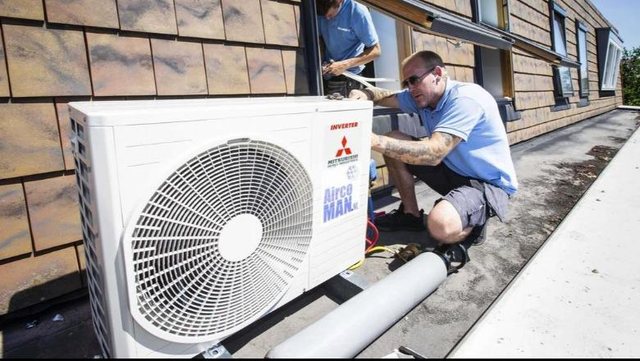
Europe is increasingly facing extreme temperatures, as climate change is making the continent one of the most affected by heat waves in the world. According to data from the Copernicus service and the IPCC, Europe is warming at twice the global average, with direct consequences for health, energy and daily life.
Unlike in the US or some Asian countries, where air conditioning is a normal part of life, many European households – especially in Germany and Northern Europe – are not equipped to cope with extreme temperatures. In the US, around 90% of households have air conditioning, while in Europe this figure drops to around 20%, and in Germany only around 6% of homes have fixed cooling systems, writes DW.
Rising temperatures and pressure on energy systems
Heat waves are becoming more frequent and intense, putting increasing pressure on infrastructure and public health. Recent studies show that temperatures in some summers are up to 4°C higher than at the end of the last century.
This situation has also led to a significant increase in demand for cooling equipment. In Germany, the use of air conditioning systems has increased by about 75% in the last five years, and experts warn that this trend is expected to continue.
Europe between costs and lack of infrastructure
Experts point out that one of the main reasons for the lack of air conditioning is the fact that many buildings in Europe are built to retain heat in winter, not to withstand extreme summers. This makes homes less suitable for modern cooling systems, especially in cities with historic buildings.
Another factor is the rising cost of energy, making cooling a luxury for some citizens. According to European surveys, a significant portion of the population cannot afford to provide sufficient cooling during the summer.
Latest news

Si të mbroheni nga vala e të nxehtit?
2026-06-28 17:12:55
Berisha heads to Vienna for the EPP Assembly, focusing on the report on Albania
2026-06-28 16:49:42
Why don't Germans have air conditioning at home?
2026-06-28 16:30:40
Fire in Mallakastër, Bylis Archaeological Park at risk
2026-06-28 16:10:22
Conflict with brothers over properties, former director of Vlora Police arrested
2026-06-28 15:53:52
Rama retracts statement: I did not say "F*ck you" to Albanians
2026-06-28 15:39:23
Chain accident on the Durrës-Tirana highway, two injured
2026-06-28 15:20:25






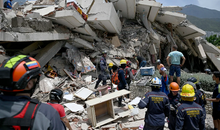
EU grants $5.6 million in aid to Venezuela after devastating earthquakes
2026-06-28 13:22:38





Citizen "nails" Shalsi: Nikaj-Mërturi has not seen any investment from you
2026-06-28 11:19:40
62-year-old prisoner dies after being in the same cell with his son
2026-06-28 11:01:53

Albania, bonus-malus in "miniature", how do we compare with Europe
2026-06-28 10:24:39

Agricultural waste, untapped potential for the circular economy in Albania
2026-06-28 09:44:41

Tourist Albania "stuck" in traffic
2026-06-28 09:00:18
Horoscope, discover the star forecast for your sign
2026-06-28 08:40:31
Weather forecast for today, June 28, 2026
2026-06-28 08:18:30
Morning Post/ In 2 lines: What mattered yesterday in Albania
2026-06-28 08:02:47
7 phobias of people you've probably never heard of
2026-06-27 22:00:07
VAR anulon golin e Iranit, publikohen pamjet që ndezin polemika
2026-06-27 21:34:04


Protein discovered that may be linked to brain aging and memory
2026-06-27 20:45:28
Italian MEP joins protest against Rama
2026-06-27 20:18:16
Vučić announces resignation: I will only be in office for a few more weeks
2026-06-27 19:55:13

MEPs join protest in Tirana, revolt against government enters 28th day
2026-06-27 19:15:15
Government repression of protests continues, minister threatens more 'non-grata'
2026-06-27 18:55:00

Video/ Scorching heat in France, citizen fries eggs and bacon on window
2026-06-27 18:18:29
Germany hit by record temperatures
2026-06-27 18:01:04

Foods to avoid in the heat and healthier alternatives
2026-06-27 17:28:52
Coast 2026: Amidst price chaos and security alarm
2026-06-27 17:07:55
Malta seizes food shipment from Albania: No documents and no temperature control
2026-06-27 16:51:59

The teller and the monologuer
2026-06-27 16:17:23
July ends with temperatures up to 40°C, what does July bring?
2026-06-27 15:38:37



Berisha: I am against towers, I did not sign any when I was prime minister
2026-06-27 14:31:10


When will he go to the US? How did Berisha respond?
2026-06-27 13:26:59

Berisha: Rama met with Ahmadinejad several times in Iran! He should resign!
2026-06-27 12:43:33
Who paid Chris Precht for the Prime Minister's private garden?
2026-06-27 12:29:02

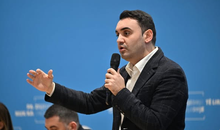

Italian MEP comes to Tirana, joins the “Flamingo Revolution”
2026-06-27 11:04:24


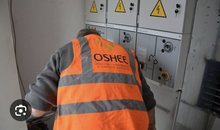
Tirana's city center wakes up without electricity, no explanation from OSSHE
2026-06-27 09:15:52
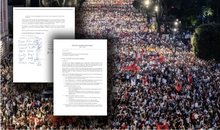
Protesters seek ambassadors' support, letter with five demands revealed
2026-06-27 08:47:48
Temperatures reach 38 degrees, as the weather forecast predicts today
2026-06-27 08:20:34
Morning Post/ In 2 lines: What mattered yesterday in Albania
2026-06-27 08:02:38
Protesters write to Western embassies: 5 non-negotiable demands
2026-06-26 23:01:49


Osman Mula on Elevate: Art has become a market, talents are leaving Albania
2026-06-26 21:13:57
Student from the protest: Rama has turned Albania into a narco-state!
2026-06-26 20:50:33
French immigrant: I'll stay here until we overthrow the last dictator in Europe
2026-06-26 20:38:15

The USA does not stop, it also aims for the 2038 World Cup edition
2026-06-26 19:41:25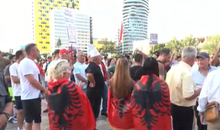
The 27th protest against Rama begins, citizens gather at "Skënderbej" Square
2026-06-26 19:21:34
CEC announces final election results in Kosovo tomorrow
2026-06-26 19:03:41


Elliot Anderson set for £130m move to Manchester City
2026-06-26 17:29:57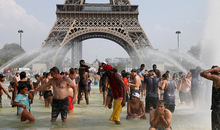
Extreme heat wave in France, 55 people die
2026-06-26 17:10:39

Tasteful Autocrat or Mad?
2026-06-26 16:23:46
Architects must pay for this crime they are committing against Albania
2026-06-26 15:58:38
DP to convene National Council on July 1, agenda items revealed
2026-06-26 15:37:41

"The second Enver" defeated us worse than the first one!
2026-06-26 14:56:35
Bardhi on attacks on protesters: The demand is Edi Rama's resignation
2026-06-26 14:37:28
Scorching weekend, June ends with high temperatures of up to 39 degrees
2026-06-26 14:22:48
Agriculture and industry are declining, who is contributing to economic growth?
2026-06-26 14:02:38