 Flash News
Two police officers from 313 died at work, the Directorate of Prisons reacts
Foreign exchange rate June 30/ How much the dollar and euro are bought and sold
Temperatures reach up to 37 degrees, check out the weather forecast
When “irony” becomes an alibi: Rama, the starchitects and “The Albanian Files”
Shooting in Germany, 5 killed and several injured
"Albanian Files" / Architect from Chile recounts phone call with Rama: He contacted me about a tower project

Politiko
2026-06-30 11:55:40
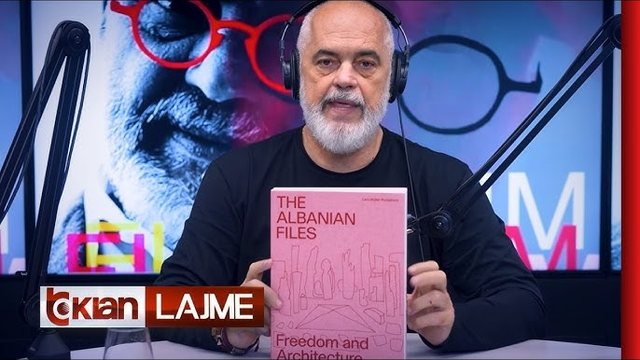
The book "Albanian Files" brings testimonies and accounts from renowned international architects engaged in projects in Albania, revealing how some of the largest urban interventions in the country were initiated and developed.
In one of the stories included, an architect from Chile, part of the renowned Elemental studio, says that the cooperation with Albania began after a direct contact from Prime Minister Edi Rama.
According to him, it all started in 2024, when he was contacted first through intermediaries and then directly by the head of the Albanian government, who proposed a meeting in Tirana to discuss a possible project.
He recounts that communication developed quickly and that his first visit to Albania lasted about 24 hours, and then he returned several times to continue his work.
“Benedetta Tagliabue sent me a message asking if I agreed to give my contact number to the Prime Minister of Albania. I said: of course. Five minutes later the Prime Minister himself contacted me, asking if I could come to Tirana to discuss the possibility of a project.
"Chile is very far from almost any other country in the world, so I told him that the best thing would be to stop in Albania during my next trip to Europe. That trip was scheduled to take place in two weeks, due to a visit to the construction site of the EDP building in Lisbon. So, in the last days of May, I managed to spend about twenty-four hours in Albania. Since then, I have been back four more times ," says the architect.
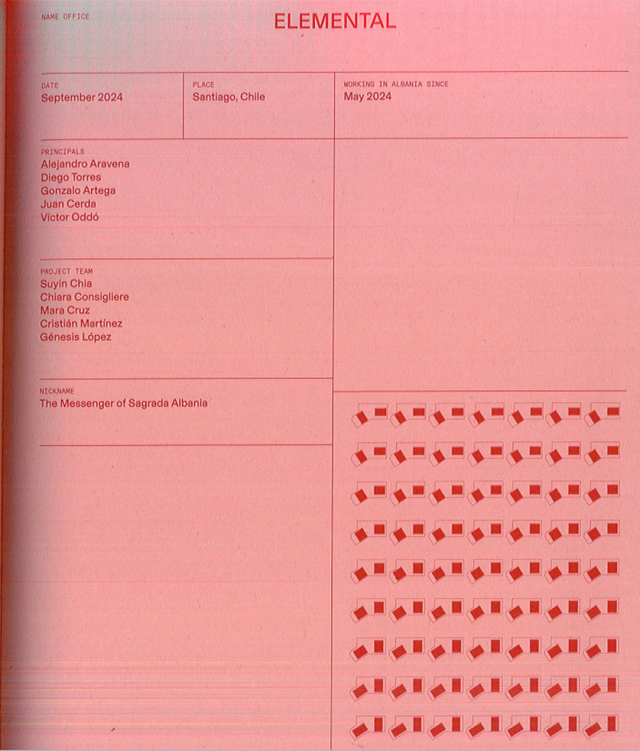
In his testimony, the architect also dwells on the philosophy of the “Elemental” studio, which focuses on the approach where the structure is the architecture itself and projects are built on the identification of real problems, not on predetermined solutions. According to him, the design process must start from the understanding of needs and constraints, as only in this way can a sustainable and functional result be achieved.
He also emphasizes that the biggest challenge in urban development is not a single project, but the combined impact of many projects on the city space. For this reason, according to him, coordination between the institutions and actors involved is essential to guarantee the public interest and a balanced urban development.
"Given the nature of the projects, which are all towers, we foresee that our approach of recent years, according to which the structure is the architecture itself, will become even more radical. When you have 400,000 tons rising 300 meters above the ground, we would like the architecture to be almost finished by the time the structure is finished. It is not only a matter of more efficient use of resources, but also a healthy starting point for the building to withstand time.
We postpone the moment of “wanting to design” as much as possible; we don’t jump straight into an answer (the project) without first understanding what the question is. Only when we have identified the forces that will shape the project do we jump into the blank slate. When it starts by listening, observing, and understanding the constraints, the project is much more likely to be appropriate. Appropriateness is a way of combining responsibility with quality.
The first thing that needs to be agreed upon with all stakeholders is: what are the problems to be solved. There is nothing worse than giving a very good answer to the wrong question. These problems range from the very concrete, tangible and measurable, to the abstract, symbolic and difficult to understand; they often pull in opposite directions. But when the starting point is the problems and not the solutions, the integrity of the design takes care of itself.
In any case, what you are asking refers to the project itself; the real challenge is what happens to the sum of all the projects. It is known that individual actions, even when motivated by good intentions, cannot guarantee the common good. Therefore, in the built environment, coordination, more than money, is the scarcest resource. The role of the architect is to present and discuss with the competent authorities the measures that should be taken to mitigate and, ultimately, compensate for the impact of an isolated project on the overall landscape. I do not yet have sufficient knowledge to cite such an example,” emphasizes the architect
Latest news
Protesters throw eggs at the vehicles of SP ministers and MPs, FNSH intervenes
2026-06-30 12:22:49
Protesters throw eggs at Parliament
2026-06-30 12:06:59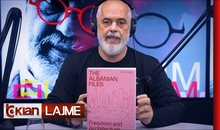



Arrested at gunpoint near Emiljano Nina's apartment, Ervis Martinaj's cousin
2026-06-30 10:41:37
Two police officers from 313 died at work, the Directorate of Prisons reacts
2026-06-30 10:28:00
"Crime Parliament", plenary session begins with protests outside the assembly
2026-06-30 10:21:44
The myth of the economy being sustained by dirty money
2026-06-30 10:13:16
Two police officers from prison 313 die, initial suspicions
2026-06-30 09:35:29
Foreign exchange rate June 30/ How much the dollar and euro are bought and sold
2026-06-30 09:25:52
Paraguay declares national holiday after historic World Cup triumph over Germany
2026-06-30 09:05:52
Albania third in Europe for high dairy prices, 35.6% more than average in 2025
2026-06-30 08:49:43
Temperatures reach up to 37 degrees, check out the weather forecast
2026-06-30 08:33:10
Nighttime fire in a building in Lapraka, residents: Firefighters arrived late
2026-06-30 08:18:40
Morning Post/ In 2 lines: What mattered yesterday in Albania
2026-06-30 07:58:57
Hospital autonomy without results: Lack of access and overloaded services
2026-06-29 21:55:56
Duel in Boston, Germany and Paraguay fight for qualification
2026-06-29 21:40:51
German MEP speaks from protest: Government should listen to citizens
2026-06-29 21:28:52
Six MEPs join the protest against Rama
2026-06-29 21:11:10
Protesters "occupy" the Polytechnic, demand the return of the banner
2026-06-29 20:51:09
Japonia trondit Brazilin, mbyll pjesën e parë në avantazh
2026-06-29 20:11:55
"Rama resigns", protesters begin march towards the Prime Minister's Office
2026-06-29 19:53:55
Vapa ekstreme, si mund të përmirësohet gjumi gjatë netëve të nxehta
2026-06-29 19:28:55
Gazetari holandez: Deklaratat e Ramës nuk i besojnë më as socialistët
2026-06-29 19:00:23
Protest for Rama's resignation extends to Turin
2026-06-29 18:41:11
Will Vučić become the Prime Minister of Serbia again?
2026-06-29 18:22:02
New heat wave in the US raises concerns about the 2026 World Cup final
2026-06-29 18:01:00
Photo/ 40°C in Tirana, citizens "invade" fountains to escape the heat
2026-06-29 17:44:25
Extreme heatwave tests healthcare systems in Europe
2026-06-29 17:30:39
11 early behaviors linked to success and wealth building
2026-06-29 17:12:42
Accident in Fier-Levan, two injured after two vehicles collide
2026-06-29 16:56:47
Behind the scenes/ Why is SPAK delaying the request for Balluk's arrest?
2026-06-29 16:40:54
Police continue proceedings after the protest, 31 citizens prosecuted
2026-06-29 16:23:02
Lawyer Kujtim Cakrani terminates legal representation of Ilir Meta
2026-06-29 16:08:51
After World Cup failure, South Korea coach targets threats
2026-06-29 15:53:15
Albanian children put violence and mental health at the top of their concerns
2026-06-29 15:33:21
When “irony” becomes an alibi: Rama, the starchitects and “The Albanian Files”
2026-06-29 15:15:32
The bullet damaged his main vein, the injured man is headed to Trauma.
2026-06-29 15:01:57
Shooting in Germany, 5 killed and several injured
2026-06-29 14:56:00
Fire in Llakatund, Vlora, wind favors rapid spread of flames
2026-06-29 13:57:09
Shooting in Pogradec, young man with criminal record injured
2026-06-29 13:41:16
Who are the Israeli businessmen who pay for Edi Rama's private jet trips?
2026-06-29 13:27:33
Europe is "scorching", over 1,300 victims of extreme heat
2026-06-29 13:06:55

Belgian newspaper: Protests exposed Rama's image as a gangster
2026-06-29 12:14:00
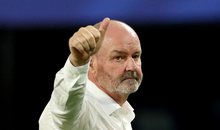
Scotland coach resigns after World Cup exit
2026-06-29 11:36:35

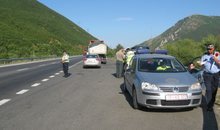
Police officer dies in Vërmica, suspected of being hit by a driver from Albania
2026-06-29 10:05:08
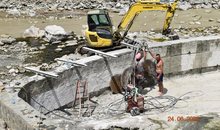
"Banjat e Benja between Harese and the destruction of Albanian nature"
2026-06-29 09:32:24
Foreign exchange rate June 29/ How much the dollar and euro are bought and sold
2026-06-29 09:13:34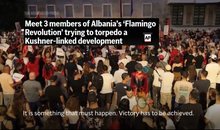
AP dedicates report to protest: "Flamingo Revolution" draws world attention
2026-06-29 08:56:11
Avoid peak hours, temperatures reach up to 39 degrees today
2026-06-29 08:19:42
Morning Post/ In 2 lines: What mattered yesterday in Albania
2026-06-29 08:02:17
Over 1,300 dead from heatwave in Europe
2026-06-28 21:57:50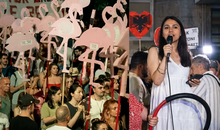

Mrekulli në Venezuelë! Foshnja 18-ditëshe shpëtohet pas 32 orësh nën gërmadha
2026-06-28 21:11:49
State capture through territory
2026-06-28 20:56:31
Ronaldinho returns to the field after 11 years
2026-06-28 20:43:17
Why do we cry when we are happy? Science gives the answer
2026-06-28 20:20:29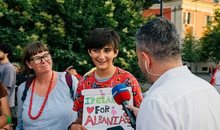
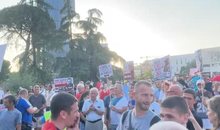
29th protest in Tirana, citizens march towards the Prime Minister's Office
2026-06-28 19:38:10

WHO warns: Europe is experiencing one of the deadliest heatwaves
2026-06-28 18:33:01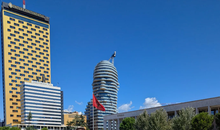
"The Albanian Files": How did Albania turn into a money laundering laboratory?
2026-06-28 18:14:59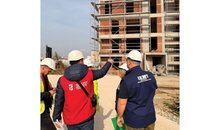
Before the EU, 20% of construction sites lack safety standards
2026-06-28 17:58:11
Publikohet formacioni më i mirë i raundit të tretë në Botëror
2026-06-28 17:35:31
Si të mbroheni nga vala e të nxehtit?
2026-06-28 17:12:55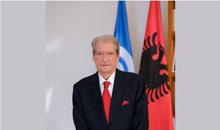
Berisha heads to Vienna for the EPP Assembly, focusing on the report on Albania
2026-06-28 16:49:42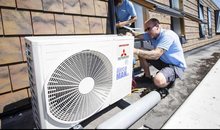
Why don't Germans have air conditioning at home?
2026-06-28 16:30:40
Fire in Mallakastër, Bylis Archaeological Park at risk
2026-06-28 16:10:22
Conflict with brothers over properties, former director of Vlora Police arrested
2026-06-28 15:53:52
Rama retracts statement: I did not say "F*ck you" to Albanians
2026-06-28 15:39:23
Chain accident on the Durrës-Tirana highway, two injured
2026-06-28 15:20:25

EU grants $5.6 million in aid to Venezuela after devastating earthquakes
2026-06-28 13:22:38